Mělník Castle: A Royal Residence in Bohemia
Site at a Glance
- Rating
- 4.6
- Popularity
- Very High
- Country
- Czechia
- Primary era
- Early Modern
- Eras represented
- Medieval, Early Modern
- Civilizations
- Duchy of Bohemia, Habsburg, Habsburg Austria, Holy Roman Empire, Kingdom of Bohemia
- Site type
- Domestic
- Remains
- Castle
On this page8 sections
History
Early settlement and royal residence
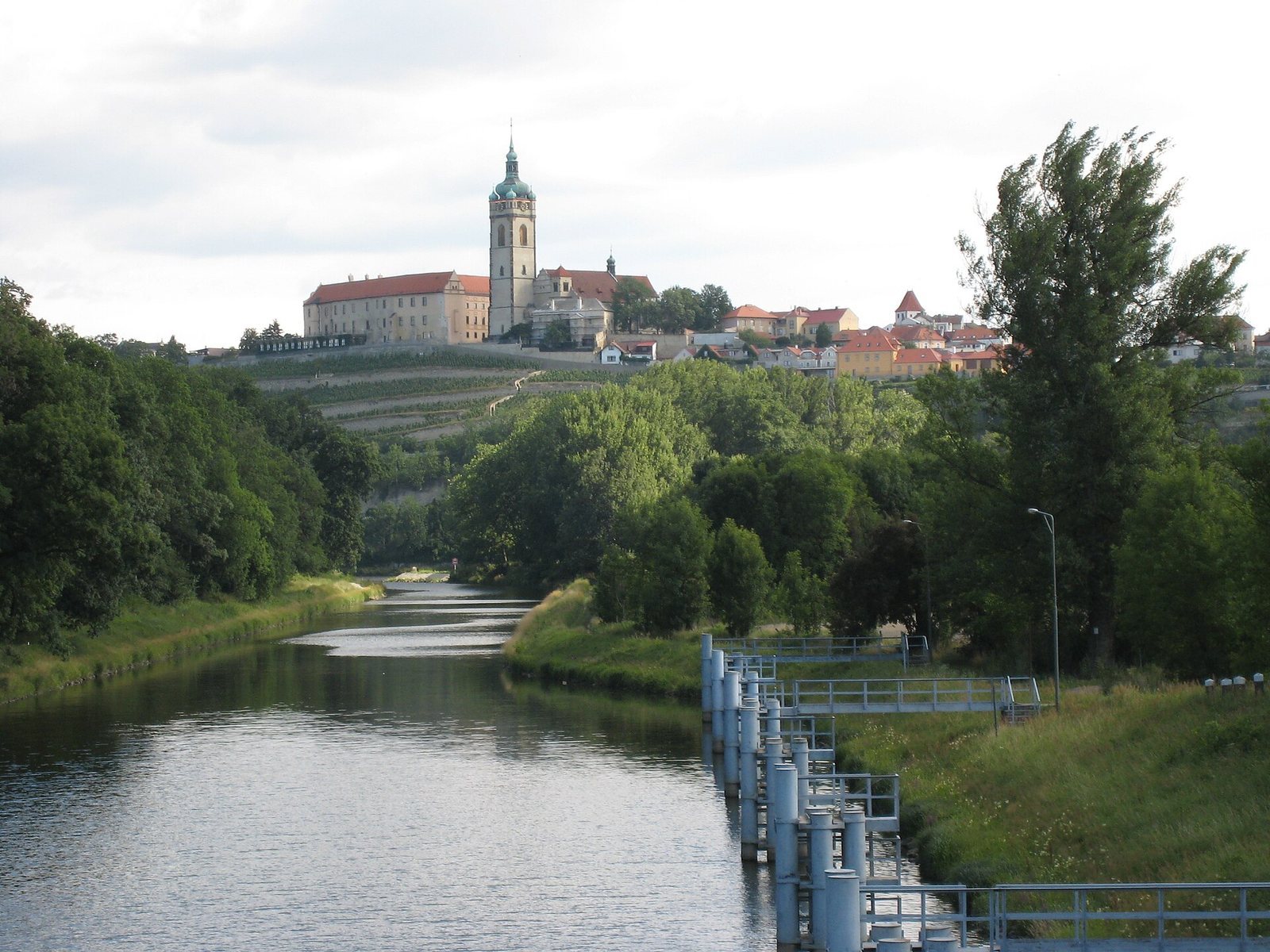
Mělník Castle is a historic royal residence in Mělník, Czechia. Its origins reach back to a ninth-century Slavic fortified settlement associated with the Pšovans, an early Slavic people of the region. Tradition holds that Ludmilla, later revered as a Christian saint, was born there. After her father, Prince Slavibor, died, his lands passed to the Přemyslid ruling dynasty. Around 880, Ludmilla married the Přemyslid prince Bořivoj.
In the early Middle Ages, a stone castle took the place of an earlier wooden stronghold. It served as a residence for widows of Bohemian princes and kings. In 1274, King Ottokar II granted town status to the settlement below the castle. Charles IV later designated Mělník a town of Czech queens. The town also became a wine-producing center that supplied wine to the king of Bohemia.
Renaissance and Baroque transformations
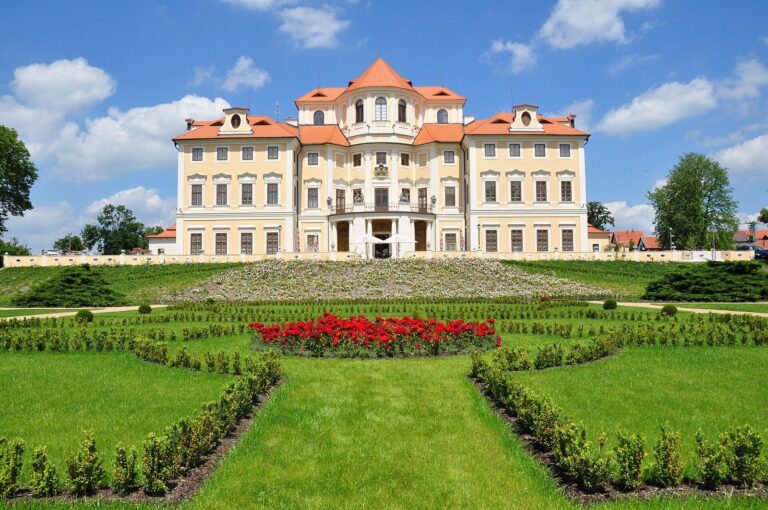
The castle remained part of the royal crown until 1542, when Ferdinand I granted it to the Bohemian nobleman Zdislav Berka of Dubá. Berka transformed it into a Renaissance residence. During the Thirty Years’ War, the European conflict of 1618–1648, the castle was abandoned and fell into serious neglect. Hermann Czernin of Chudenitz acquired it in 1646. The Czernin family later purchased it from Emperor Leopold I and carried out a Baroque rebuilding in 1685–86. The castle is recorded as completed in 1711, with major alterations following in 1754 and 1839.
In 1753, the castle passed to the Lobkowicz family when Maria Ludmilla, the last Czernin heiress, married August Anton von Lobkowicz. Nazi authorities confiscated the property in 1940, and it was nationalized after the communist takeover in 1948. The state returned it to the Lobkowicz family in 1992, after which the family undertook reconstruction and renovation. Jiří Jan Lobkowicz is identified as its present owner.
Remains
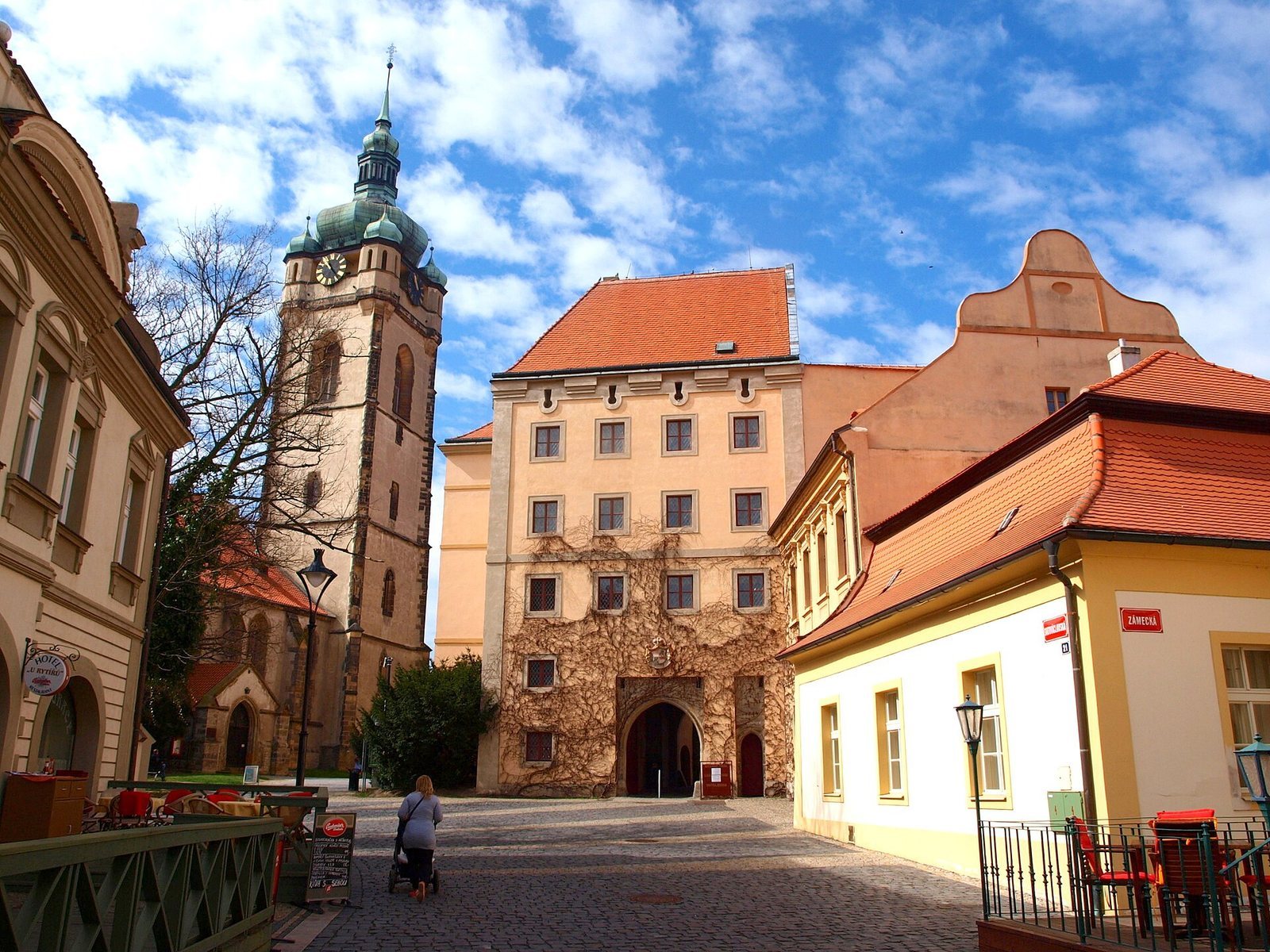
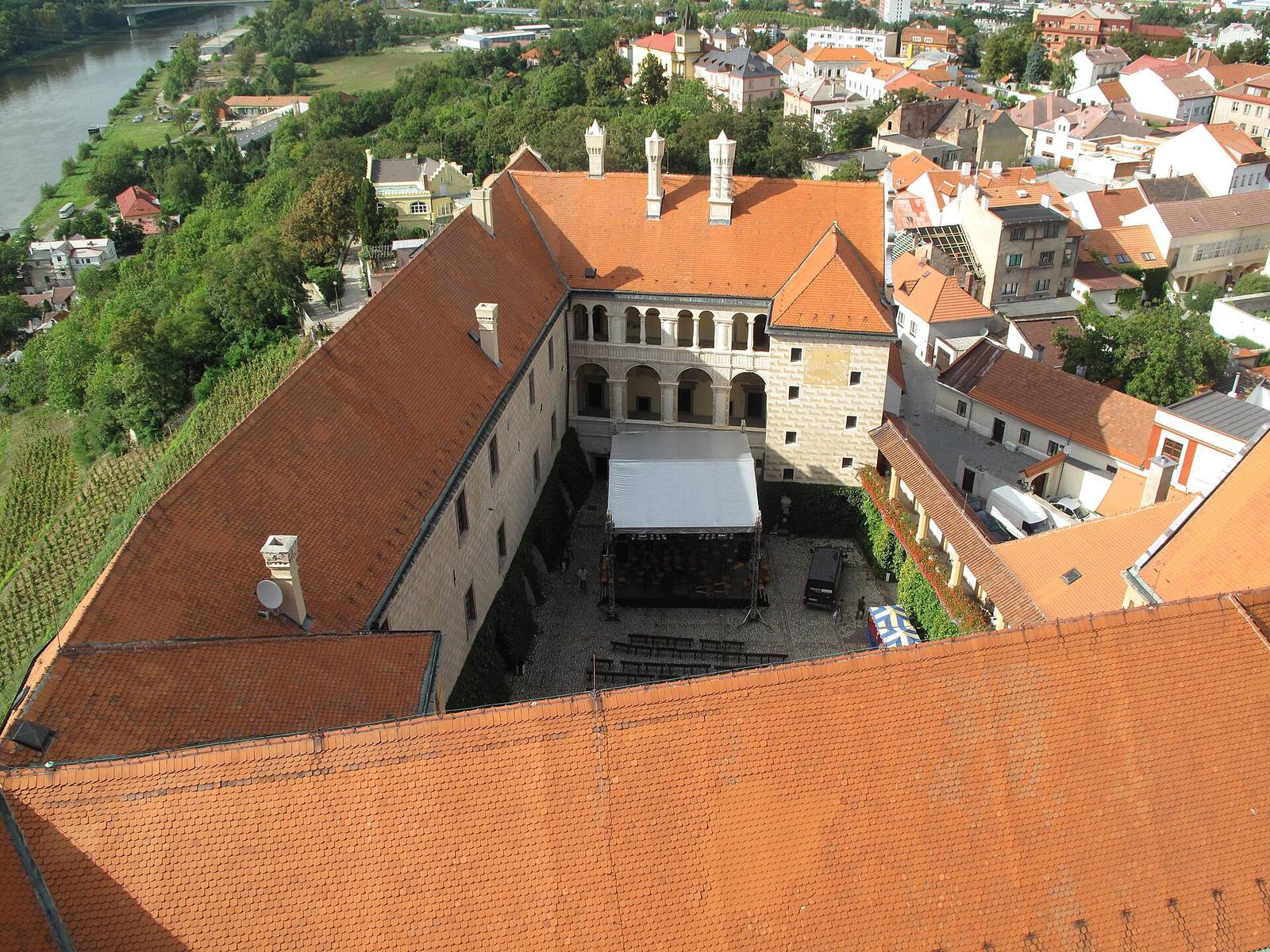
The castle stands on a hill above the confluence of the Elbe and Vltava rivers. Its original form is described as Romanesque-Gothic, while later rebuilding gave the complex Renaissance and Baroque features.
Architectural features
Castle complex
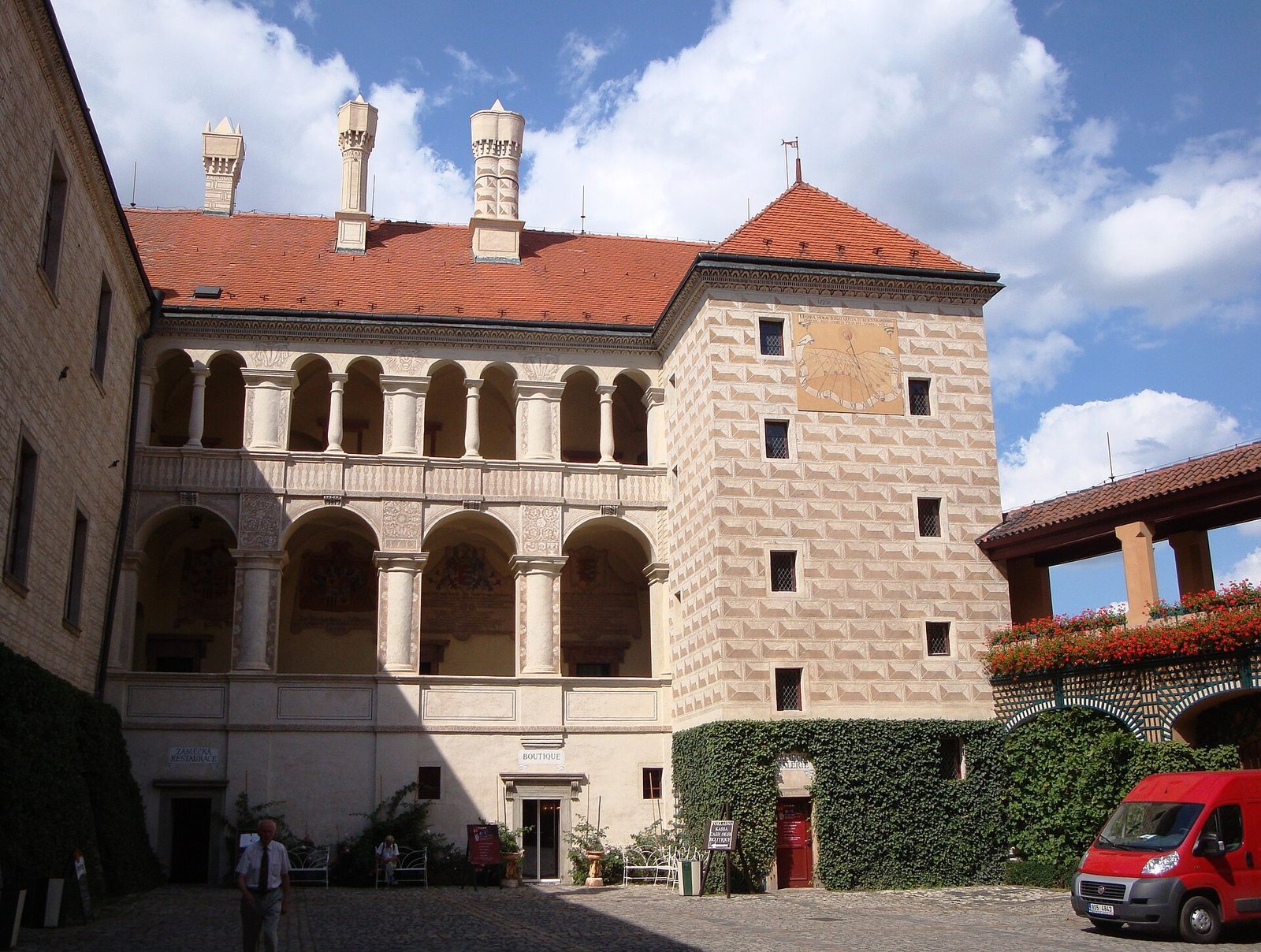
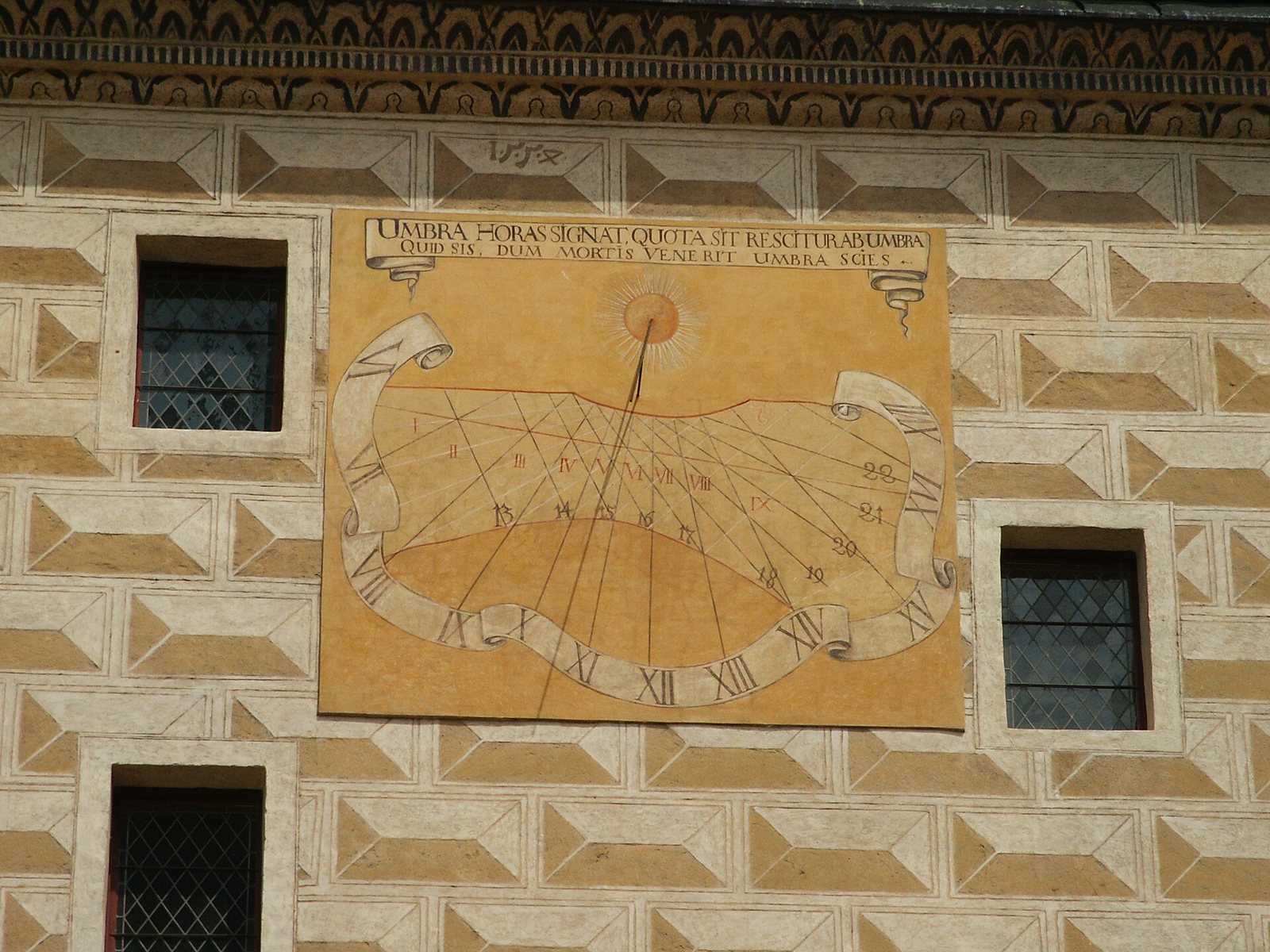
The Renaissance conversion added sgraffito, a scratched coating that reveals a contrasting layer beneath. The rebuilding also removed the north wing and its tower. A south wing was added by the end of the seventeenth century as part of the Baroque complex.
Chapel
Elisabeth of Pomerania, wife of Charles IV, commissioned the castle chapel. It was first dedicated to Saint Louis. After damage during the Thirty Years’ War, it was renovated in the seventeenth century and dedicated anew to Saint Ludmilla. Paintings of the apostles by the Czech Baroque painter Peter Johann Brandl are kept in the chapel.
Interiors
The richly appointed rooms include living, sleeping, and dining rooms, a large salon, a small salon, and a concert hall.