Alara Castle: A Byzantine Caravan-Road Fortress in Türkiye

Site at a Glance
- Rating
- 4.6
- Popularity
- Low
- Country
- Turkey
- Primary era
- Medieval
- External website
- Open
- Eras represented
- Medieval
- Civilizations
- Byzantine, Seljuk
- Site type
- Military
- Remains
- Castle
On this page11 sections
History
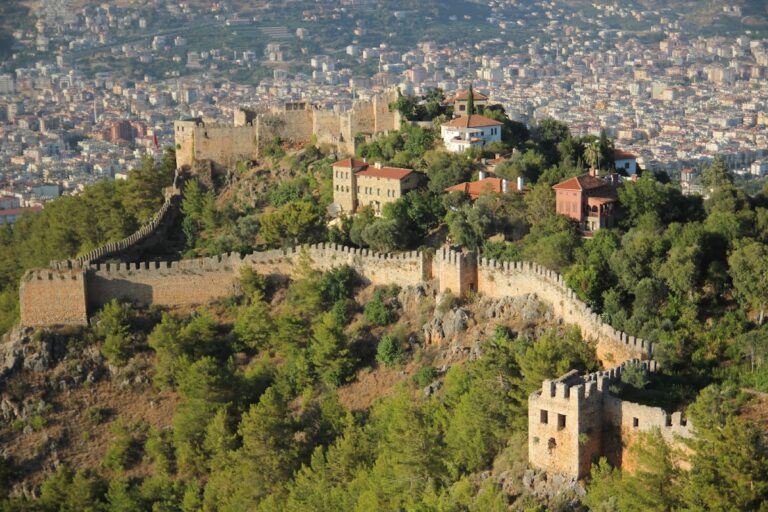
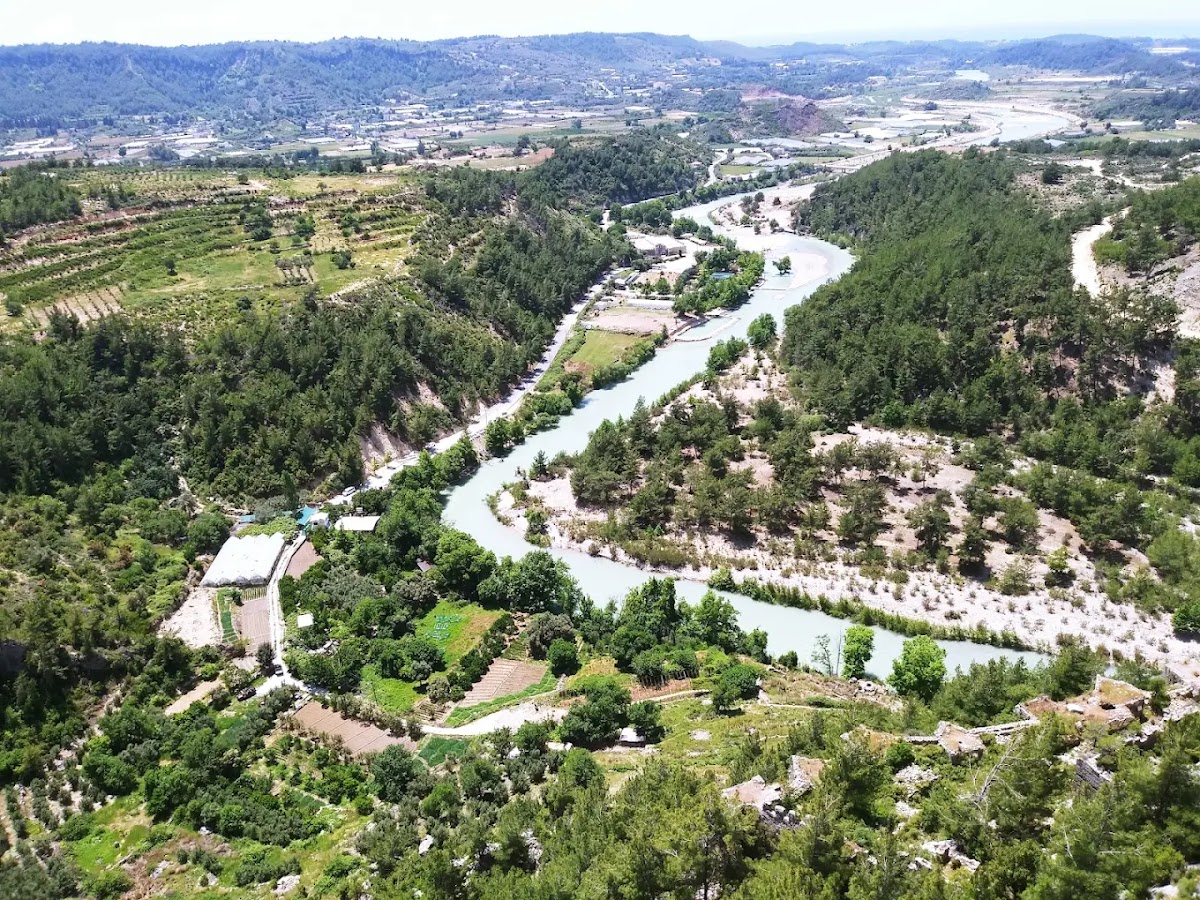
Alara Castle is an eleventh-century Byzantine fortification in Türkiye, built during the period when the medieval Roman state centered on Constantinople controlled much of Anatolia. It later became the western outpost of the Armenian Kingdom of Cilicia, a medieval Armenian state in southern Anatolia and the eastern Mediterranean. Positioned above the Alara River, the castle protected caravans traveling along the Silk Road toward the sea.
Caravan routes and Armenian rule
The fortress was associated with Alarahan caravanserai, a roadside establishment that offered lodging, storage, and protection to merchants and their caravans. Alarahan stood about 300 to 400 metres south of the castle, linking the fortified site with a stopping place on the long-distance trade route. In this setting, Alara Castle helped guard movement between the inland road and the coast.
Transfer to the Seljuk Sultanate
In 1231, the castle passed to the Seljuk Sultanate of Rum, a medieval Turkish state that ruled much of central and southern Anatolia. Its lord surrendered the fortress after Seljuk sultan Alaeddin Keykubad I, who ruled from 1220 to 1237, had conquered Alanya. This transfer brought Alara Castle into the Seljuk defensive and administrative sphere.
Modern conservation plans
In 2011, the regional government of Antalya considered restoring Alara Castle and opening it to the public as a cultural attraction. The proposal reflects the continuing importance of the fortress as a historical and archaeological site.
Remains
Fortification and rock-cut access
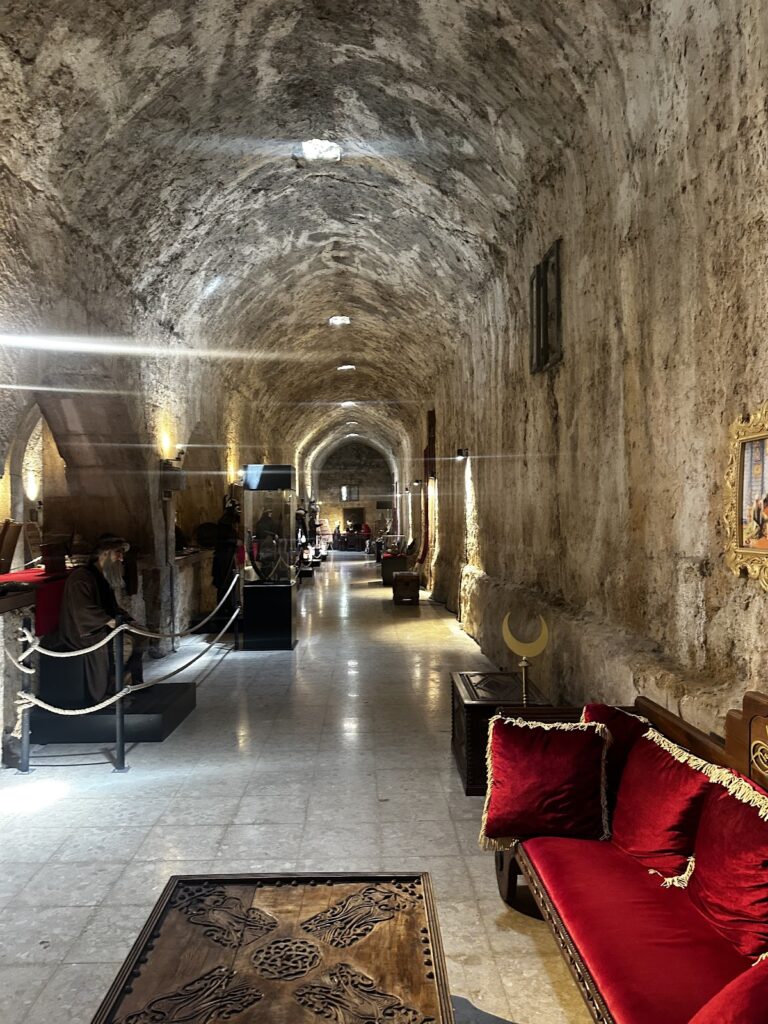
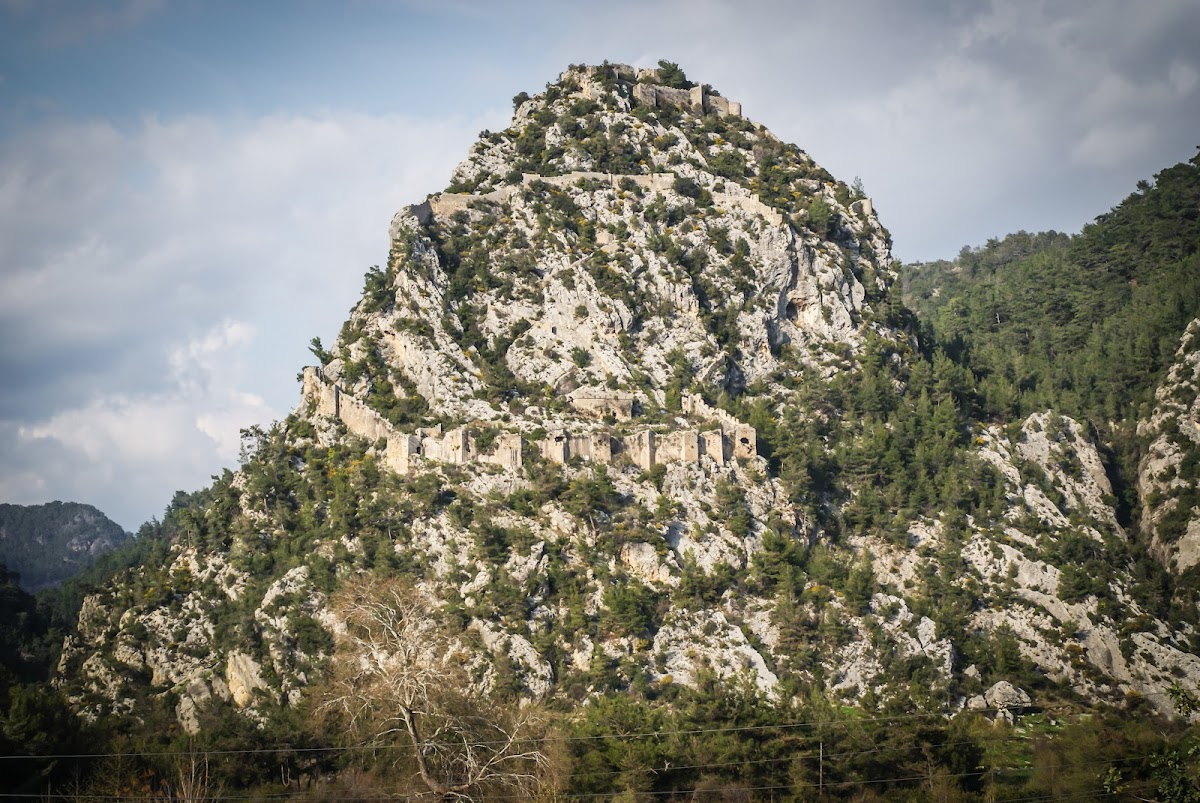
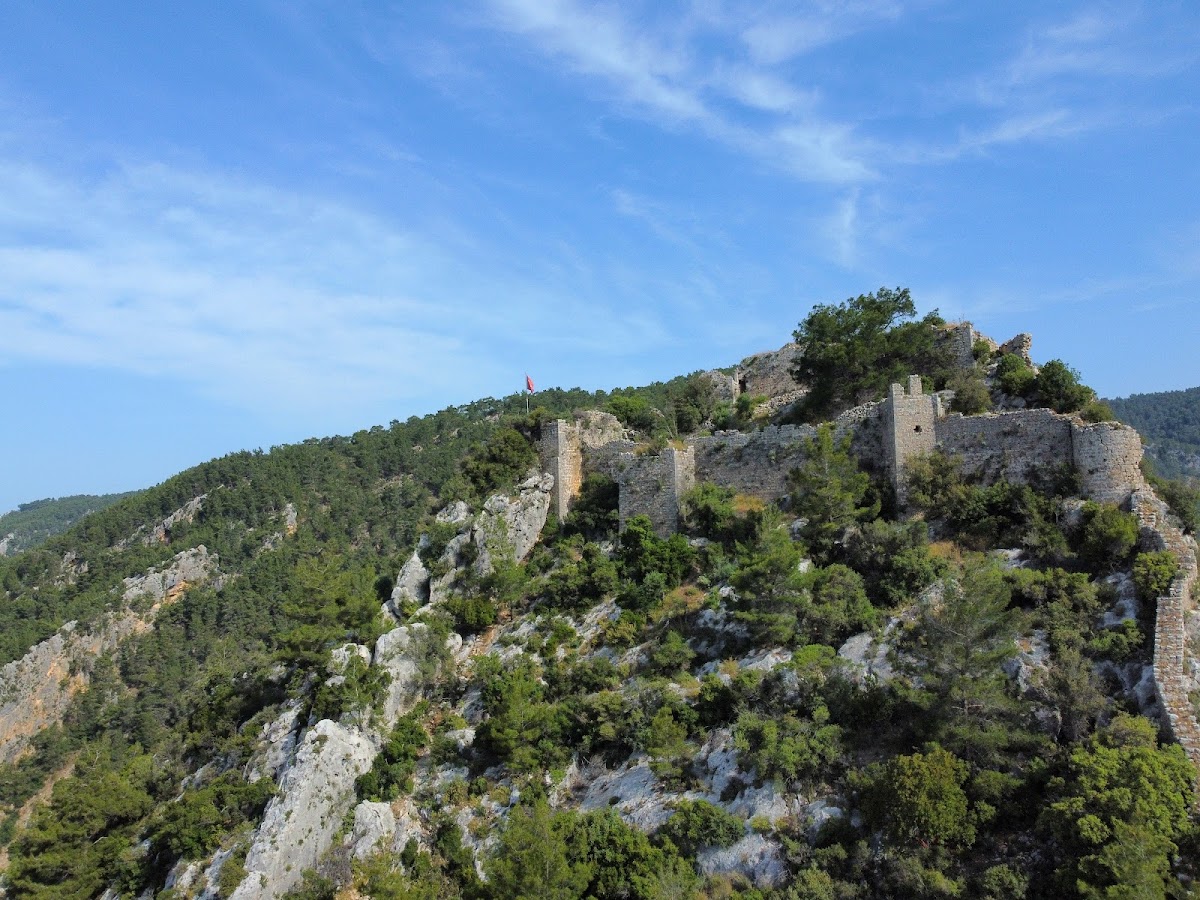
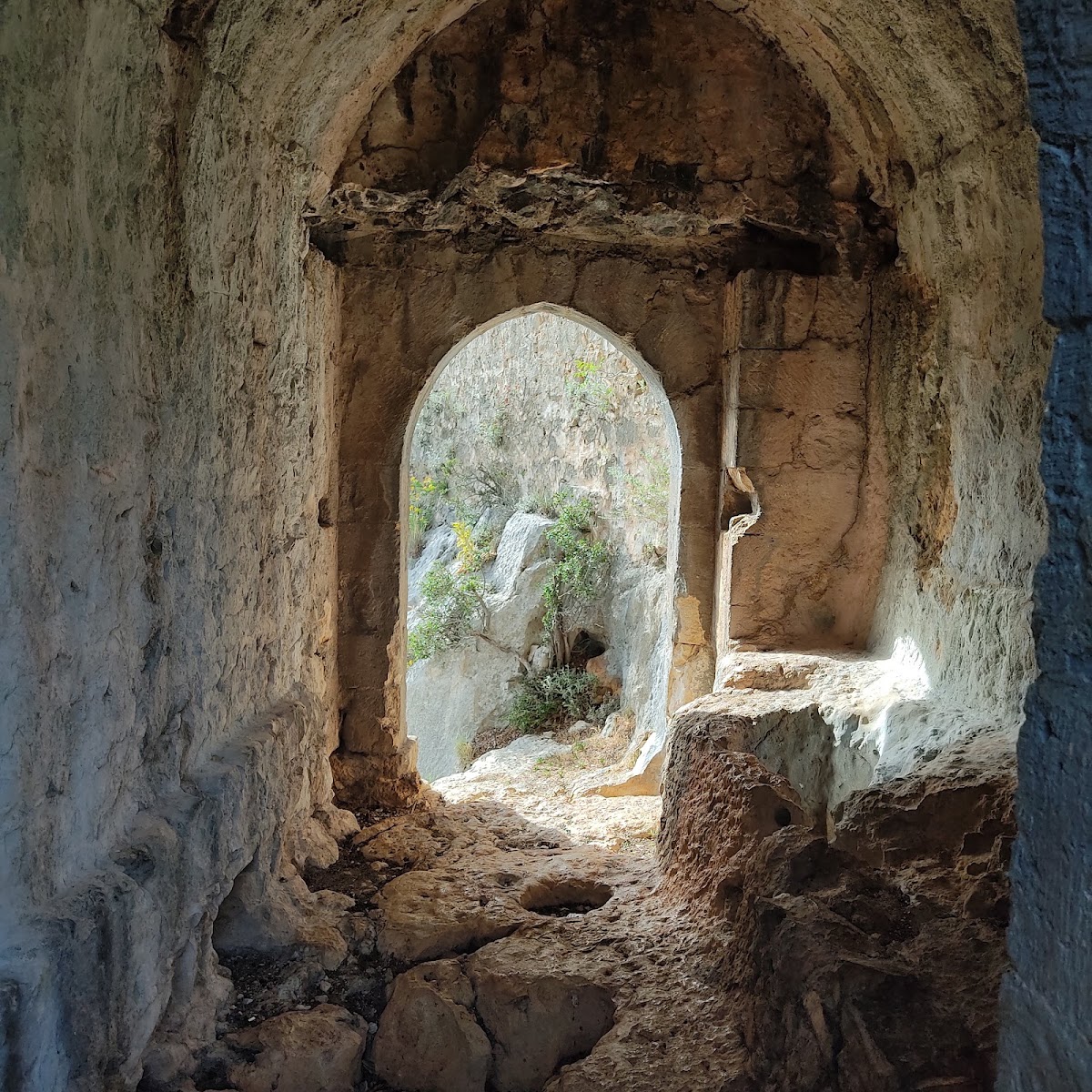
Alara Castle occupies the summit of a steep, massive rocky hill on the eastern bank of the Alara River, at an elevation of approximately 300 to 400 metres. Its defenses are arranged in outer and inner sections, with a citadel enclosed by the outer walls. The height and terrain made the fortress difficult to capture. Entry to the interior follows a dark stairway or corridor cut through the rock, with about 180 steps. Near the middle of this passage, a deep opening leads to a cistern, while additional tunnels extend directly into the rock.
The inner citadel
Gate tower and painted entrance
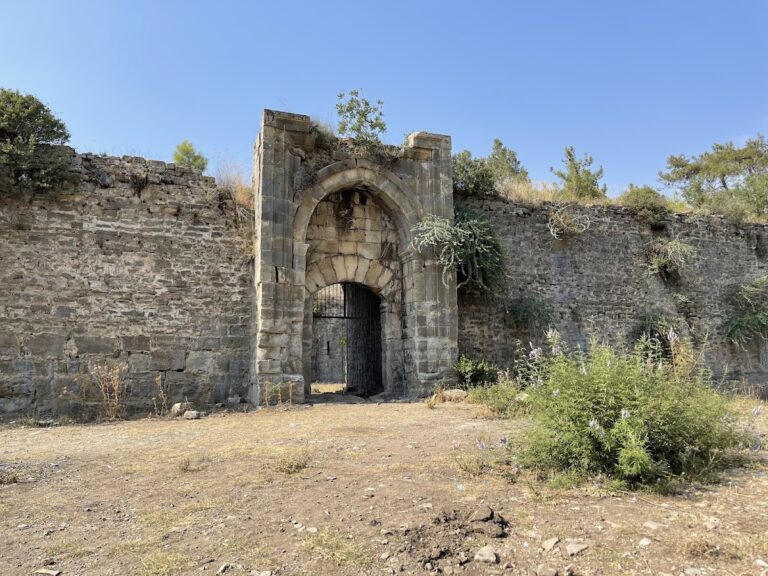
The inner citadel is reached through a square-plan gate tower. Above and around the principal entrance, the outer surface carries fresco-style coats of arms. Fresco painting uses pigment applied to wet plaster, allowing the decoration to become part of the wall surface.
Palace, garrison rooms, mosque, and bathhouse
Ruins inside the citadel include a small Seljuk palace, rooms or accommodation for the garrison, a mosque, and a bathhouse. The bathhouse is divided into two vaulted sections. Its hot room stands beside a furnace, while the cold room has two windows, including one that overlooks a valley.
Figural frescoes
Ruined arches preserve figural fresco decoration described as a unique example in Anatolian Turkish architecture. Above the furnace window appears a legendary beast associated with hell, and a poorly preserved seated human figure shows that the painted scheme included further figural decoration.
Landscape and present condition
Wild vegetation covers parts of the castle, which is surrounded by ruins and remains in a neglected condition. From the summit, the Alara River extends toward the sea, and a harbor at the tip of the Karaburun promontory, about 3 kilometres southeast along the river, is visible.