Libyco-Punic Mausoleum of Dougga: A Numidian Royal Monument
Site at a Glance
- Rating
- 4.6
- Popularity
- Very Low
- Country
- Tunisia
- Primary era
- Classical
- Eras represented
- Classical
- Civilizations
- Numidian
- Site type
- Burial
- Remains
- Tomb
On this page7 sections
History
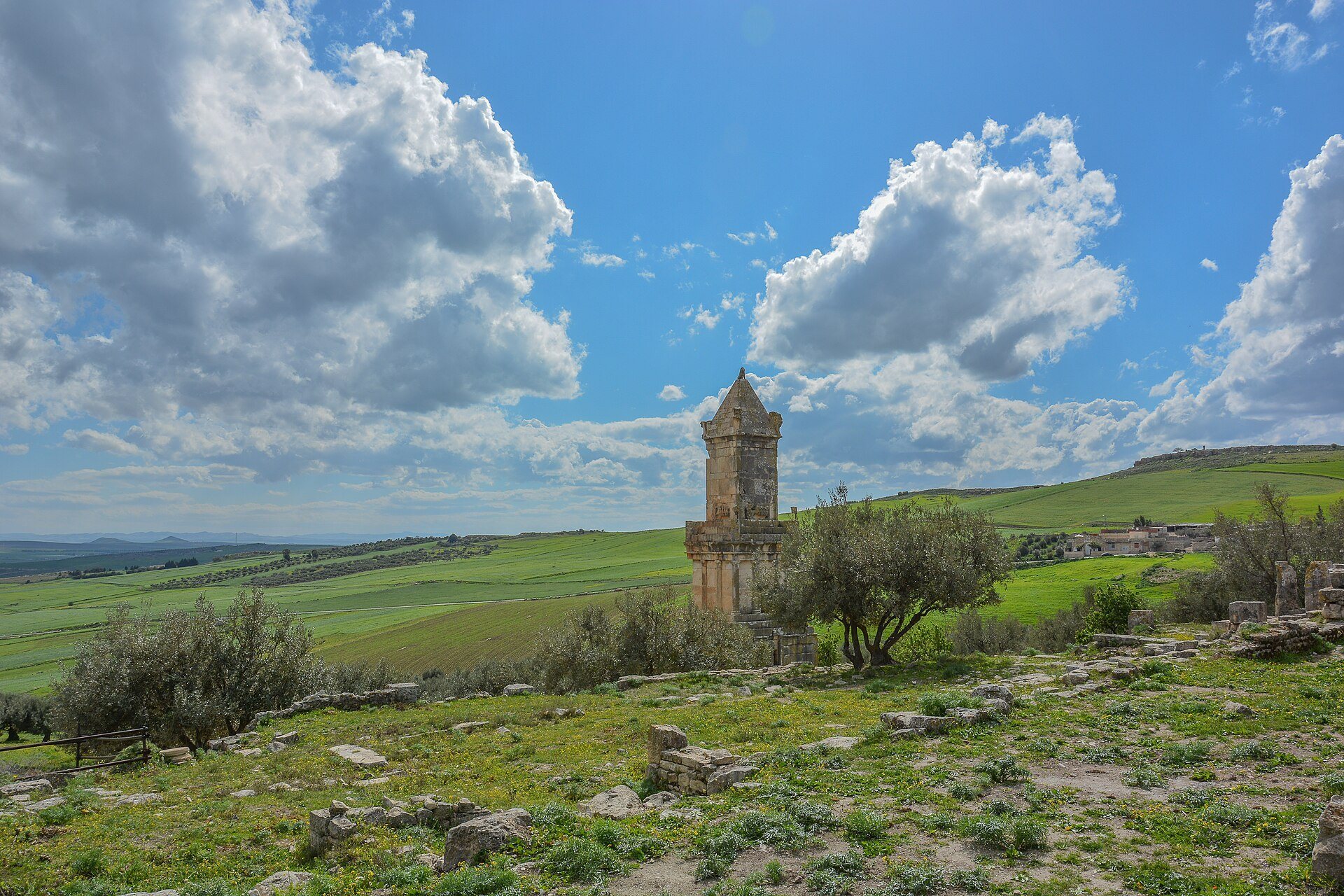
The Libyco-Punic Mausoleum of Dougga is a second-century BC Numidian funerary monument in ancient Dougga, Tunisia, probably built around 146 BC. Numidia was an ancient North African kingdom covering parts of present-day Algeria and Tunisia, and the mausoleum is one of the few surviving examples of its royal architecture. The inhabitants of Dougga probably erected it for a Numidian prince. It has traditionally been linked with Atban, son of Iepmatah and grandson of Palu, although more recent interpretations identify those names as belonging to the architect and craftsmen rather than the person buried there. The monument has also possibly been a tomb or cenotaph for Massinissa, the second-century BC Numidian king associated with the development of Numidian royal power.
Numidian and Roman Dougga
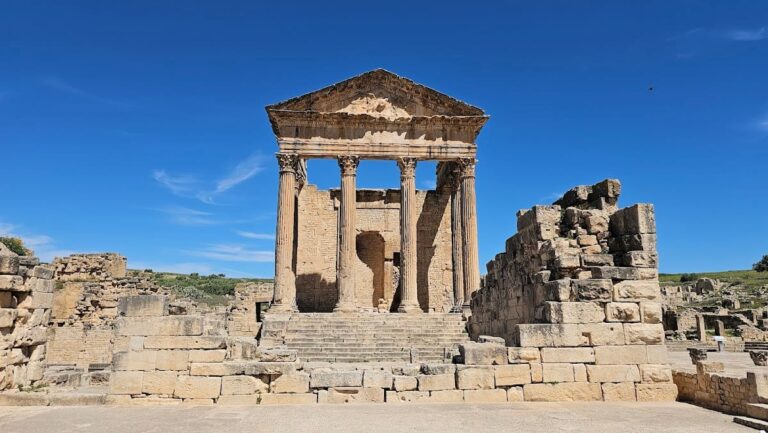
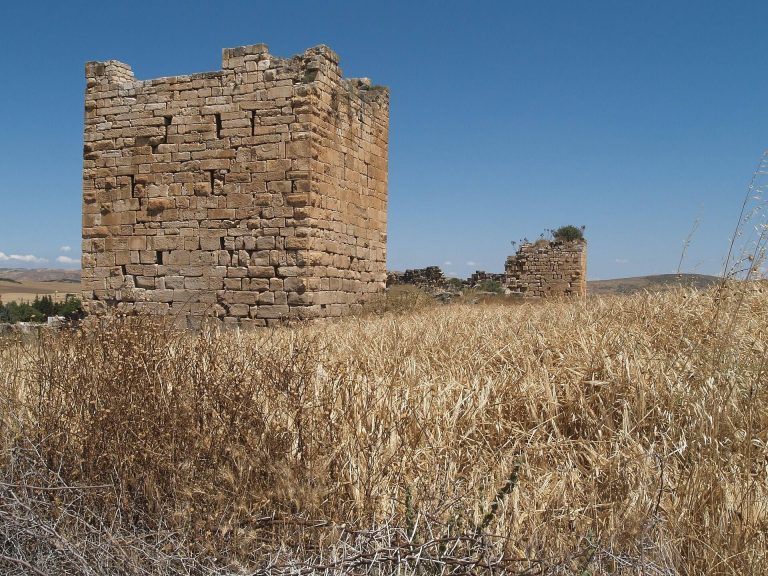
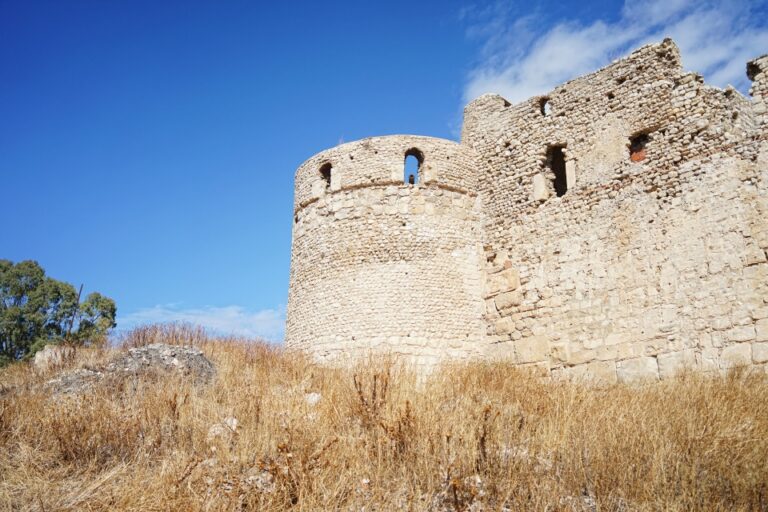
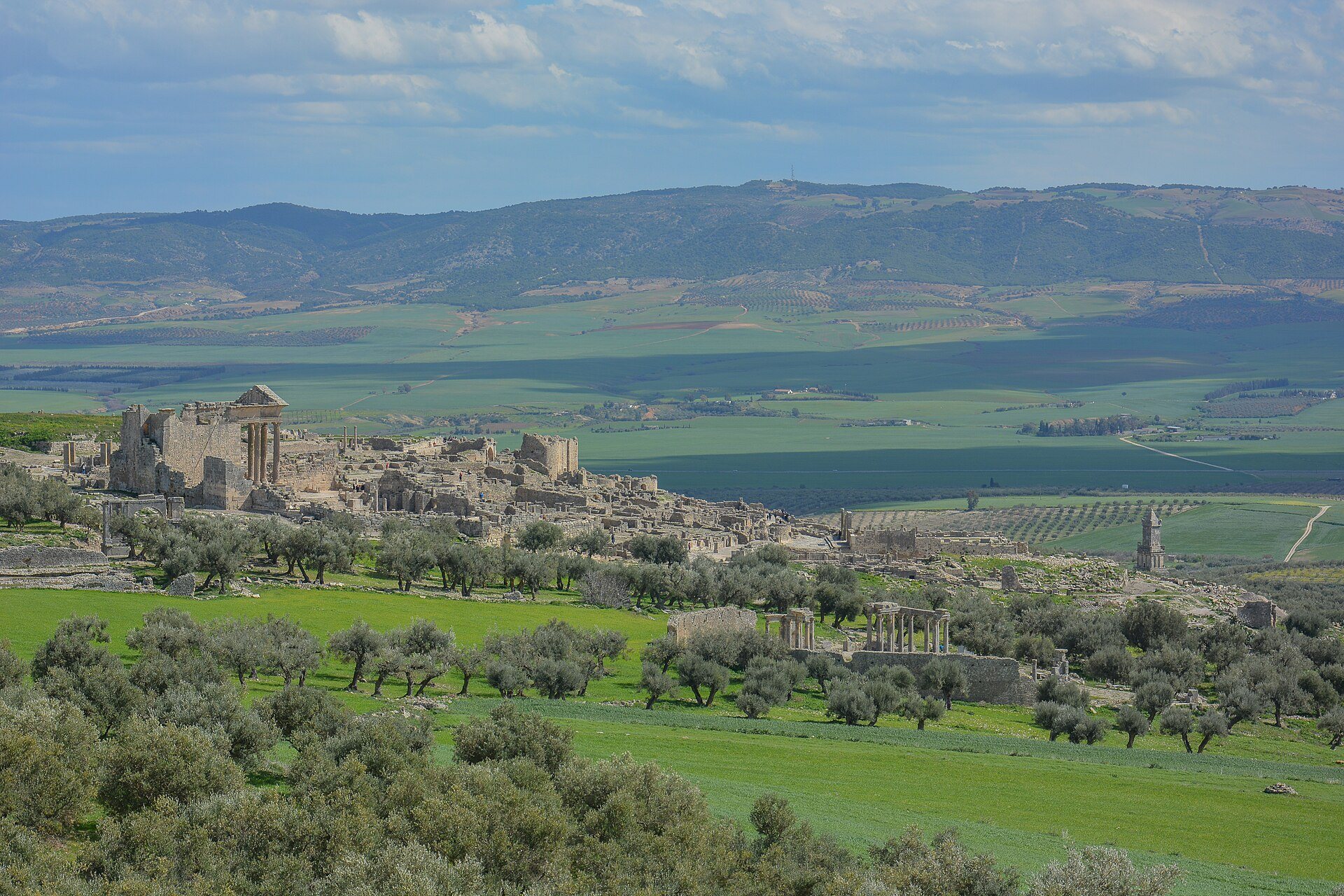
The mausoleum stands in the southern part of Dougga, a city on a 571-metre-high hill above the fertile Oued Khalled valley. The wider site contains extensive Numidian and Roman remains, while a megalithic Numidian necropolis occupies the northern plateau. Dougga later came under Roman rule and became a Roman colony in AD 261. After the city was abandoned, other buildings were reused in the construction of the Church of Saint Victoria and an Eastern Roman fortress.
Early study and damage
Western visitors began describing Dougga and the mausoleum in the seventeenth century. More regular visits and early architectural studies followed during the eighteenth and nineteenth centuries. Count Camillo Borgia copied the royal inscription in 1815, and Sir Geneville Temple and Wilhelm Gesenius attempted to decipher it during the 1830s.
In 1842, Thomas Reade, the British consul in Tunis, removed the inscription for sale to the British Museum. The Ottoman authorities authorized the operation, which involved cutting the inscription in half and seriously damaging the monument. Félicien de Saulcy advanced the interpretation of the eastern form of the Libyco-Berber alphabet in 1843, and Joseph Halévy later revised and expanded that work. Jean-Baptiste Chabot’s Recueil des Inscriptions Libyques, published in the 1940s, helped establish the phonetic values of several symbols.
Reconstruction and protection
Between 1908 and 1910, the French archaeologist Louis Poinssot reconstructed the mausoleum from fragments scattered around the site, with Tunisian support. Much of the monument’s present appearance results from this work. A second inscription that had once stood on the monument had already been completely and irreparably destroyed.
Tunisia designated the mausoleum a listed monument in 1891. It later became part of the archaeological site of Dougga, which was inscribed on the UNESCO World Heritage List in 1977. In 2012, Tunisia proposed it for inclusion in a future classification of the royal mausoleums of Numidia and Mauretania and other pre-Islamic funerary monuments.
Remains
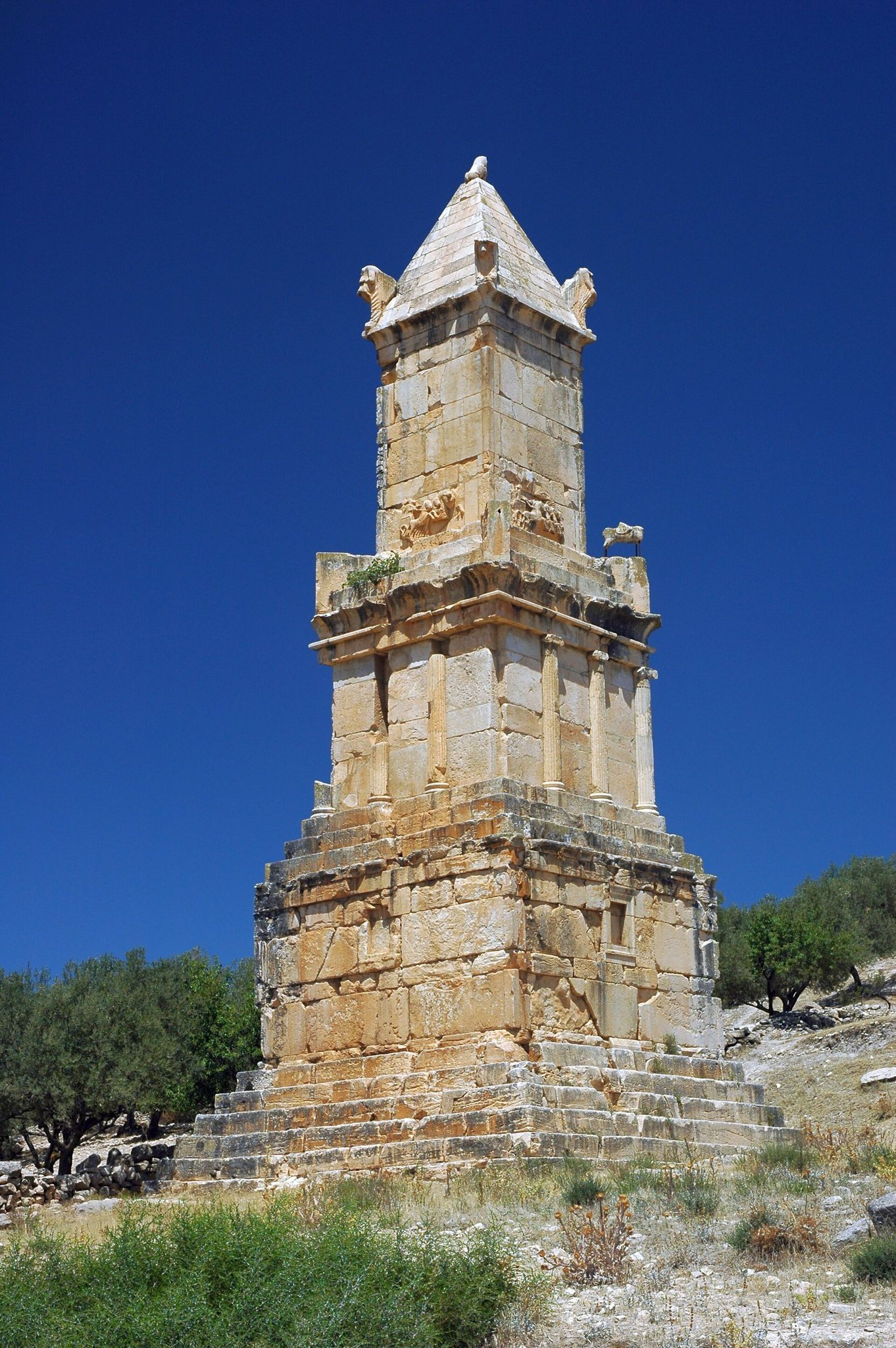
The mausoleum is a limestone structure approximately 21 metres high. It rises through three levels above a five-step pedestal. Its form combines a substantial lower podium, a small shrine-like colonnade, and a pyramidal summit. The surviving sculpture and inscriptions preserve evidence of both its funerary purpose and the craftsmen involved in its construction.
Podium and upper levels
The first level, or podium, contains a genuine opening on its north face. A slab covers the opening, which leads into the funerary chamber. The other sides have symmetrically arranged false openings, while the corners are marked by pilasters with capitals in the Aeolic order. These capitals use the volute-like form associated with that architectural tradition.
The second level takes the form of a small temple, or naiskos, a shrine-like structure framed by columns or pilasters supporting an upper entablature. Engaged Ionic columns flank each side of the structure. The third level is capped by a pyramid and has corner pilasters resembling those on the podium. Griffons survive at the corners, a quadriga, or four-horse chariot, appears on the eastern face, and a lion crowns the monument.
Inscriptions and sculpture
The original bilingual inscription was carved on a limestone frieze beside one of the podium’s false openings. It used Punic, a language and writing tradition derived from Phoenician and widely used in ancient North Africa, together with Libyan, also known in this context as Libyco-Berber. The lines run horizontally from right to left in imitation of Punic writing. The surviving inscription is now held by the British Museum.
The inscription identifies Atban as the son of Iepmatah and grandson of Palu, and names members of the construction team. They included stoneworkers, carpenters, and metalworkers. The preserved names are Aborsh son of Abdashtart, Mengy son of Oursken, Zamar son of Atban, Zezy, Temen, Oursken, Mesdel son of Nenpsen, Anken son of Ashy, Shepet son of Bilel, and Pepy son of Beby.
A second bilingual inscription stood on the opposite side of the false opening. It probably gave the titles of the prince for whom the monument was erected, but it has been irreparably destroyed. The mausoleum’s architectural design has been compared with funerary monuments in Asia Minor and with the necropolises of Alexandria dating from the third and second centuries BC.