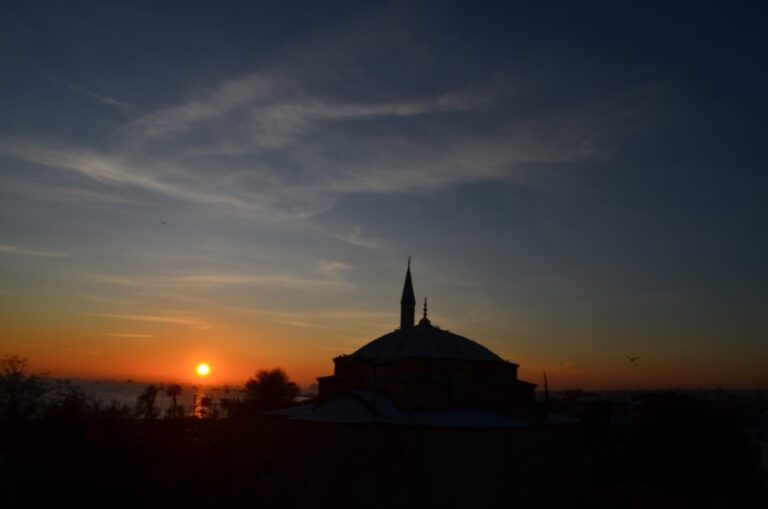
Agios Georgios Church: A Greek Orthodox Monastery on Büyükada
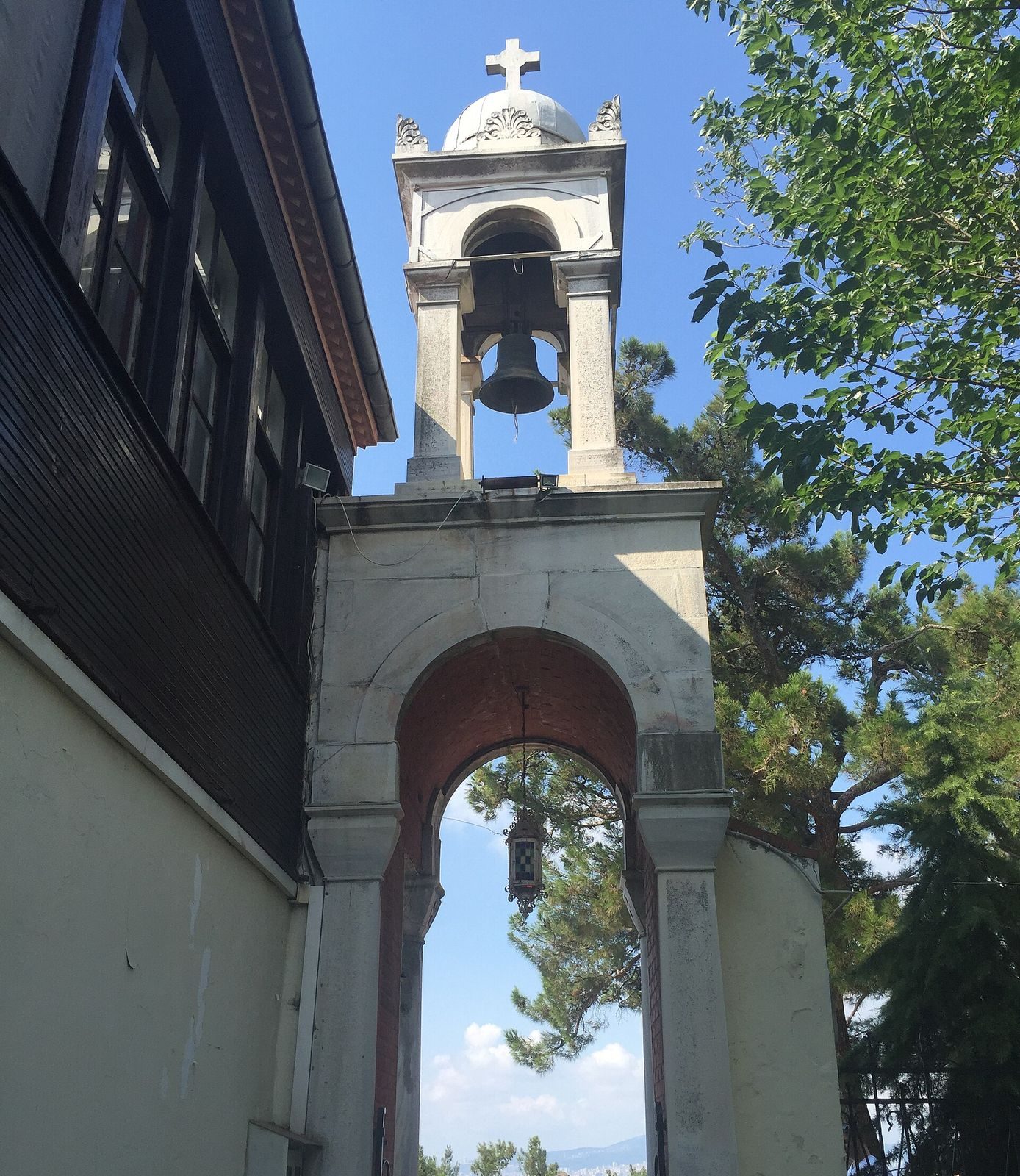
Site at a Glance
- Popularity
- High
- Country
- Turkey
- Primary era
- Modern
- Eras represented
- Modern
- Civilizations
- Ottoman
- Site type
- Religious
- Remains
- Monastery
On this page8 sections
History
Agios Georgios Church is a Greek Orthodox monastery on Büyükada, an island in Türkiye’s Sea of Marmara. Its foundation is dated to 963, during the 10th-century reign of Byzantine emperor Nikephoros II Phokas. It is regarded as the oldest monastery in the Princes’ Islands.
Foundation and early destruction
Crusaders destroyed the monastery in 1204 during the Fourth Crusade, the campaign that led to the capture of Constantinople. Pirates burned it in 1302. When the monks left, they concealed a devotional image of Saint George, the Christian martyr. Local tradition says the saint appeared to a shepherd and revealed its hiding place. Small bells decorated the image, and these are linked to the monastery’s Greek name.
The monastery was restored and reoccupied in 1751–1752. In 1781, it became dependent on the Lavra of Kalavryta, a monastic community in Greece.
Revolution, rebuilding, and later changes
In 1821, during the Greek Revolution, the uprising against Ottoman rule that began the Greek War of Independence, Turkish attackers targeted the monastery because its monks sympathized with Greece. They killed those present, while two monks escaped in disguise. The monastery reopened later despite continuing difficulties.
In 1922, the Turkish state expropriated the monastery’s property. After Archimandrite Dionysius died, one monk continued serving there until his death in 1969; Constantine Paikopoulos then succeeded him. A fire in 1986 destroyed historic monastic cells, and the monastery lost its historic appearance.
The monastery remains active under the Orthodox Church of Constantinople, within the Archdiocese of Constantinople. By the late 20th century, it had become a popular pilgrimage destination for Turkish Muslims as well as Christians. Many non-Christians also made the pilgrimage on April 23, Saint George’s feast day.
Remains
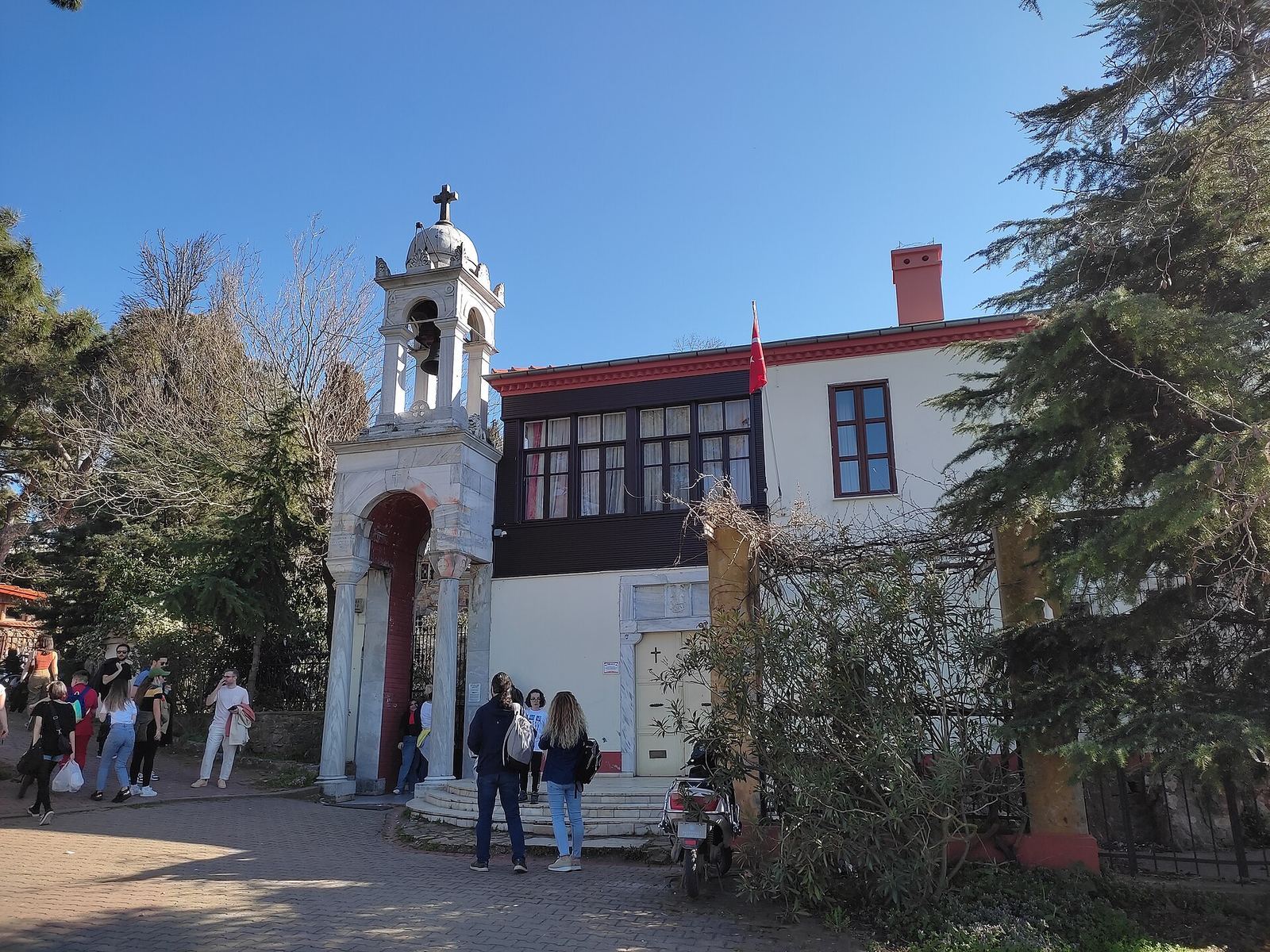
Monastery buildings and courtyard
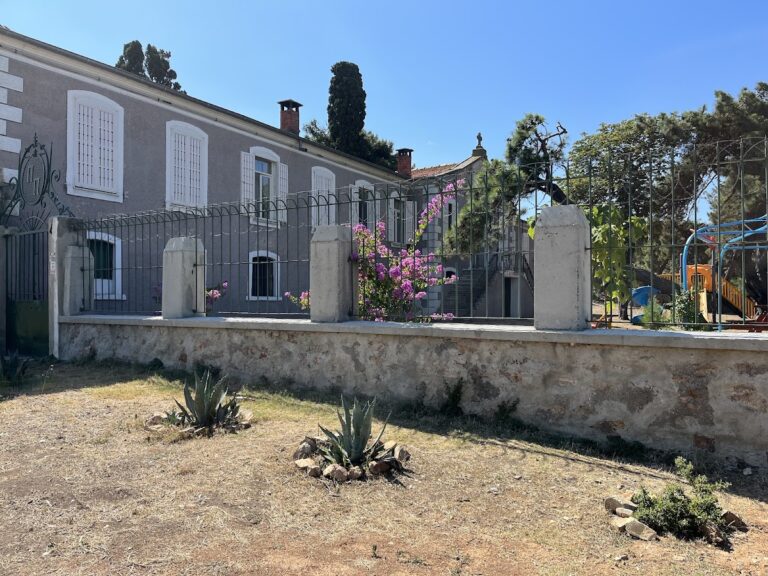
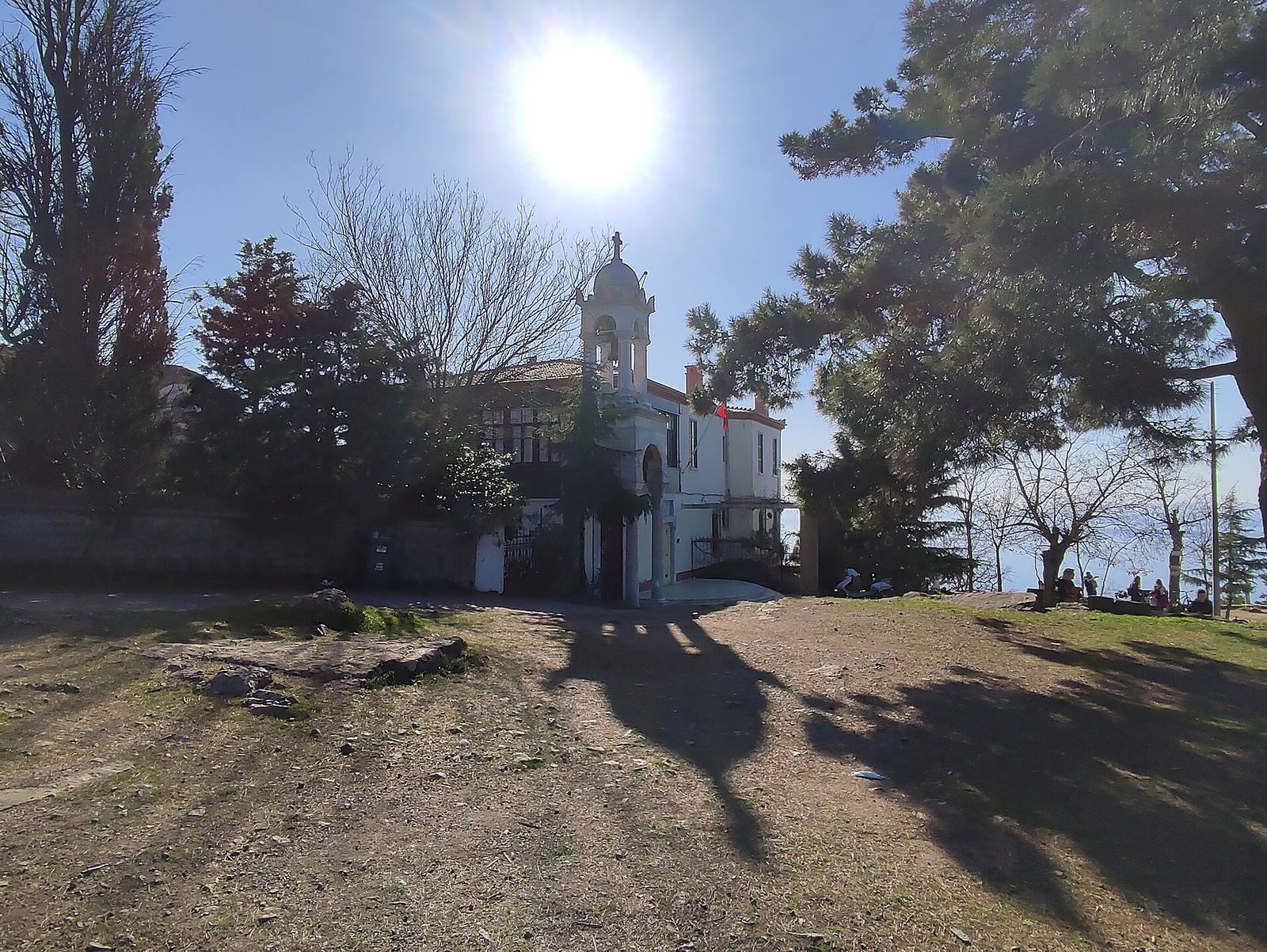
The monastery stands on an island in the Sea of Marmara. Its Byzantine architecture includes buildings associated with the mountain, a church, and a courtyard.
Monastic cells and stone building
Several monastic cells were built on the mountain in 1806. A two-storey stone building was erected in 1884.
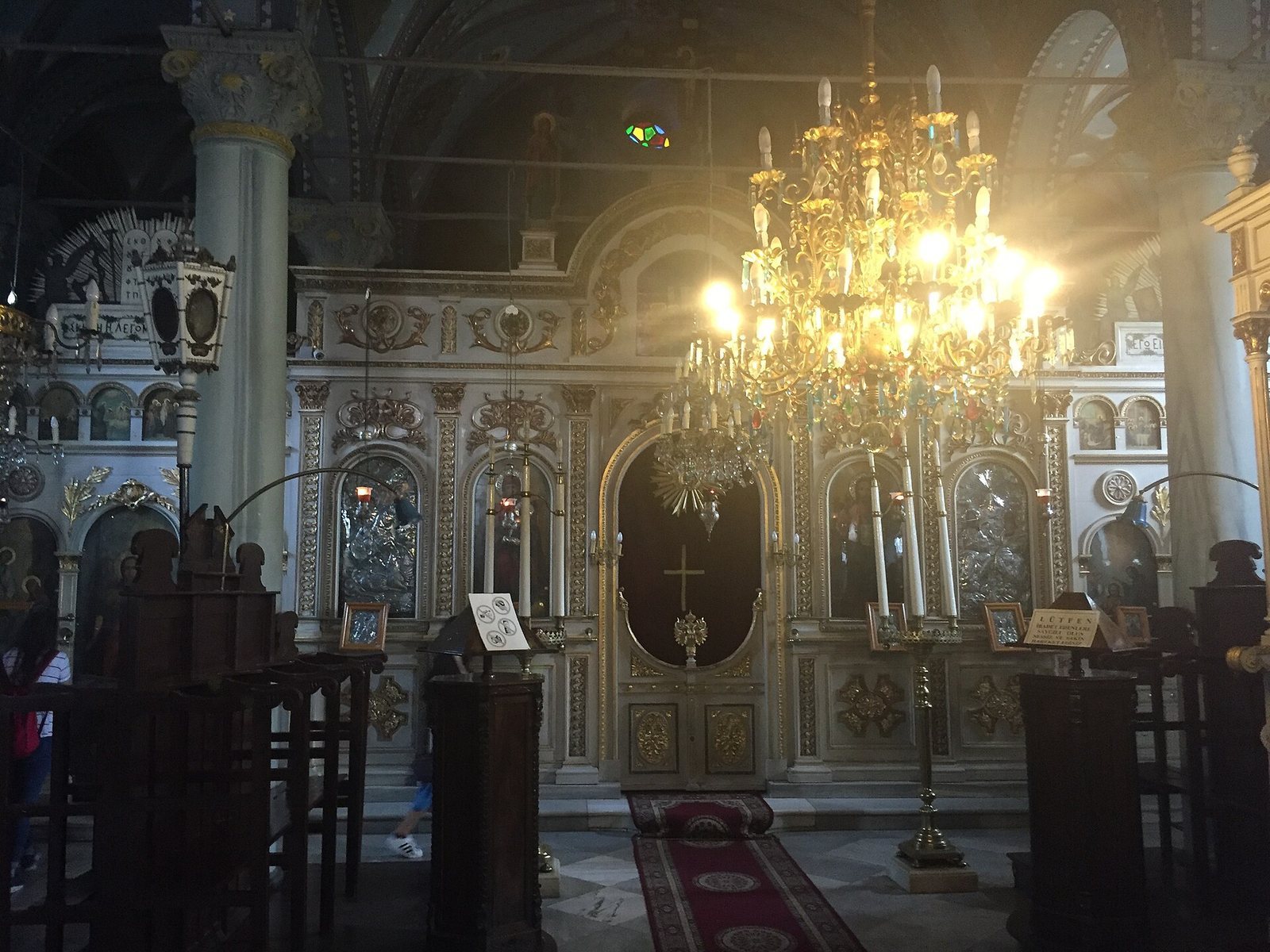
Church
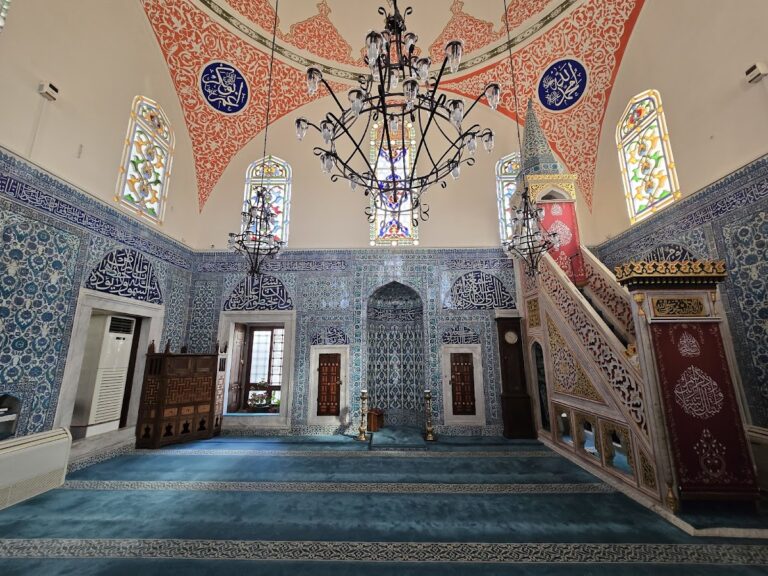
Archimandrite Dionysius, a senior rank in Eastern Orthodox monastic clergy, built the church in 1908.
Wish tree
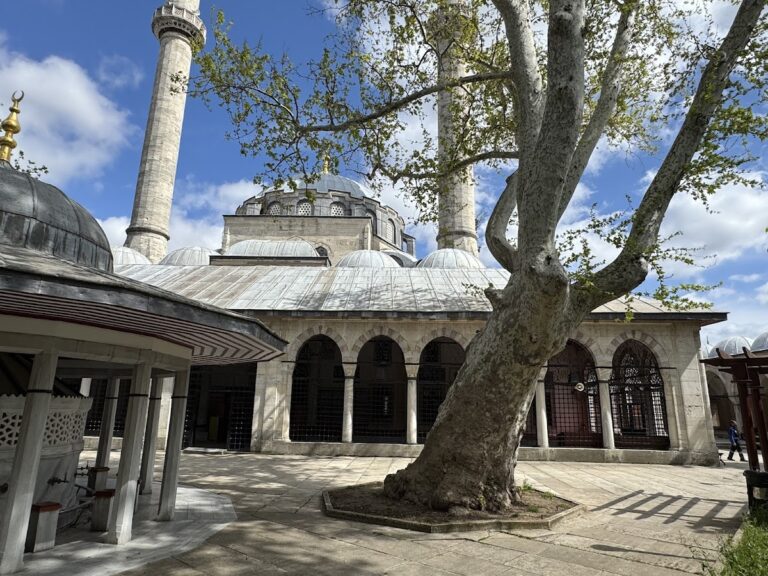
A wish tree stands in the monastery courtyard. People traditionally make wishes at such trees, sometimes leaving a token or written request.