Abbey of Santa Maria: A Cistercian Monastery in Sicily
Site at a Glance
- Popularity
- Low
- Country
- Italy
- Primary era
- Medieval
- Eras represented
- Medieval, Modern
- Civilizations
- Italian, Kingdom of Sicily
- Site type
- Religious
- Remains
- Monastery
On this page12 sections
History
The Abbey of Santa Maria was a Catholic monastery in the territory of Novara di Sicilia, Italy, dedicated to Mary, the mother of Jesus. It belonged to the Diocese of Messina and appears as a Cistercian house in 1172. The Cistercians were a Catholic monastic order whose monasteries were linked through parent houses and affiliated foundations. Santa Maria della Sambucina in Calabria was the abbey’s immediate mother house, within the lineage of Clairvaux. The community may have been the first Cistercian monastery in Sicily.
Foundation and Cistercian affiliation
The abbey’s foundation date is uncertain. The year 1137 is traditionally proposed but is probably inaccurate. Traditions credit Roger II, the Norman king of Sicily, with founding the house. One account says he sought the guidance of Bernard of Clairvaux, who declined and sent his disciple Hugh with monks from Calabria. Other traditions associate the early community with Basilian monks, Eastern Christian monastics who followed the rule of Basil of Caesarea. Hugh is identified as the abbey’s first abbot.
The story of cooperation between Roger and Bernard is difficult to reconcile with their opposing political allegiances. Roger supported Antipope Anacletus II, who contested the papacy with Pope Innocent II, while Bernard supported Innocent. The abbey also received backing from Queen Margaret and King Tancred.
Affiliated houses and medieval changes
The abbey founded Santa Maria di Roccamadore in 1193 at the initiative of Bartolomeo de Luci. An earthquake is said to have prompted the monastery to move closer to Novara in 1222. Another affiliated foundation, Santa Maria della Stella at Spanò, was associated with Nicola of Troina and dated to 1263; it joined the Cistercian Order in 1310.
Other churches and religious houses linked to the abbey included Santa Maria ad Nives in the territory of Francavilla di Sicilia; Santa Maria de Thermis, also called Sancta Maria in Vineis, in the Castroreale district; San Nicola near Tripi; and San Vincenzo at the Bastione di San Vincenzo in Forte dell’Andria, Messina. Santa Maria di Noaria near Patti may have been the monastery of Santa Maria di Notaria.
A separate connection involved the Benedictine monastery of Santa Maria di Maniace. A union of that monastery with Marmosoglio, ordered by Pope Boniface VIII in 1296, failed amid resistance at Maniace. In 1444, a monk from Novara was appointed abbot of Maniace.
Flood, relocation, and suppression
A flood in 1600 almost entirely destroyed the abbey. Rebuilding proceeded slowly and only in part. The community moved to the urban monastery of Sant’Ugo in 1659, while the old monastery at Badiavecchia remained inhabited until 1731. It was then abandoned as an abbey and continued as a small chapel.
In 1783, local residents called for the institution to be abolished and the monks expelled, citing abuses and their comfortable way of life. Bourbon authorities suppressed the abbey in 1784, and the community moved to Roccamadore in the Tremestieri area of Messina. The state took the abbey’s revenues, and its church became a royal-patronage church served by a chaplain and vice-chaplain. The last commendatory abbot, an officeholder who held the abbey’s title and revenues without necessarily governing its community, sold the buildings, which soon fell into ruin.
Remains
The surviving remains are spread across the early settlement at Sant’Anna, the later monastery site at Badiavecchia, and the urban monastery church. At Badiavecchia, the monastery stood on lower, less steep ground beside a watercourse, about five kilometres from Novara’s town centre.
Sant’Anna and Badiavecchia
Sant’Anna settlement
The Cistercian community was based at Sant’Anna on the slopes of the Rocche before the monastery was established at Badiavecchia. Ruins of the original settlement remain there.
Badiavecchia abbey church
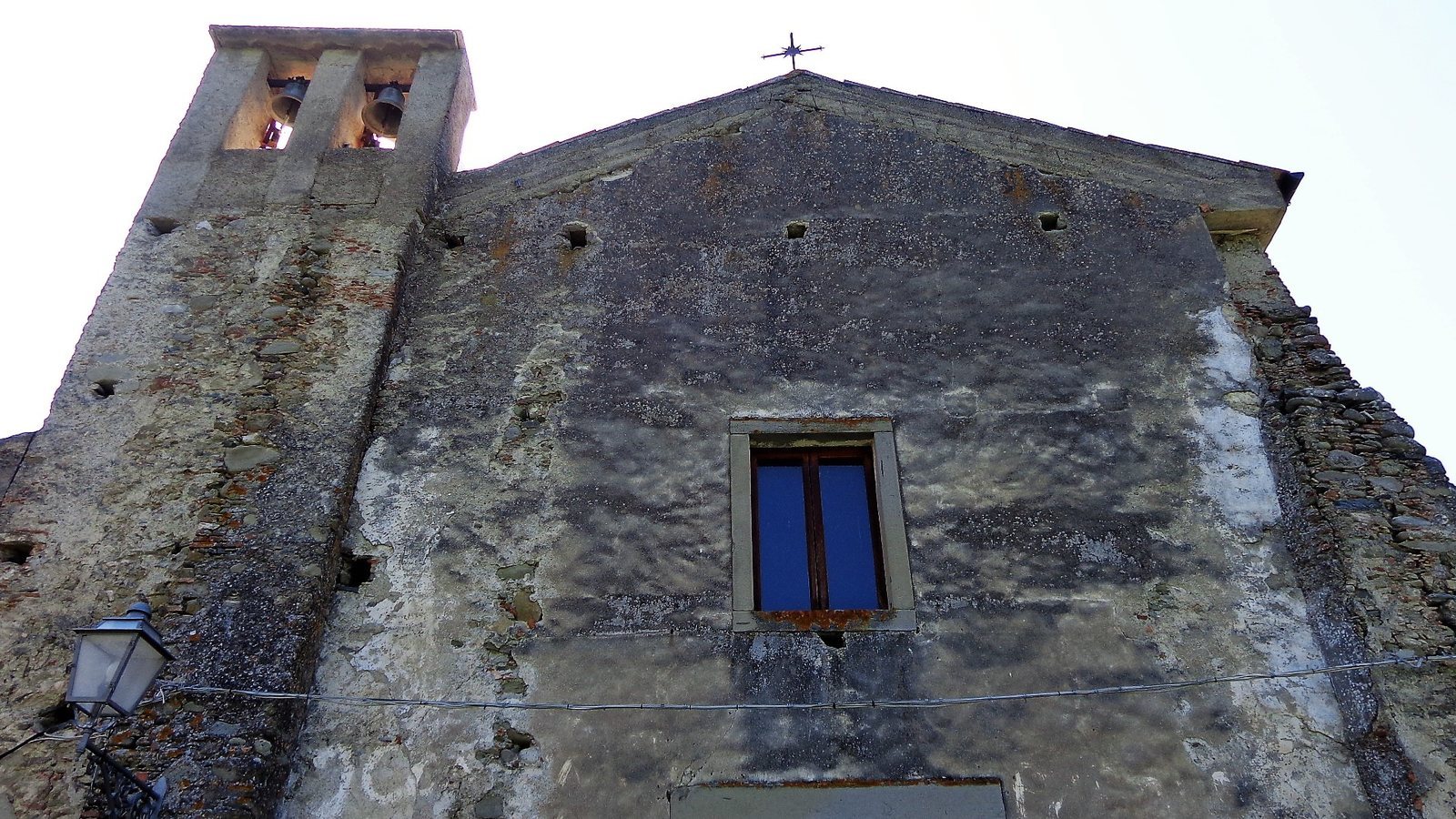
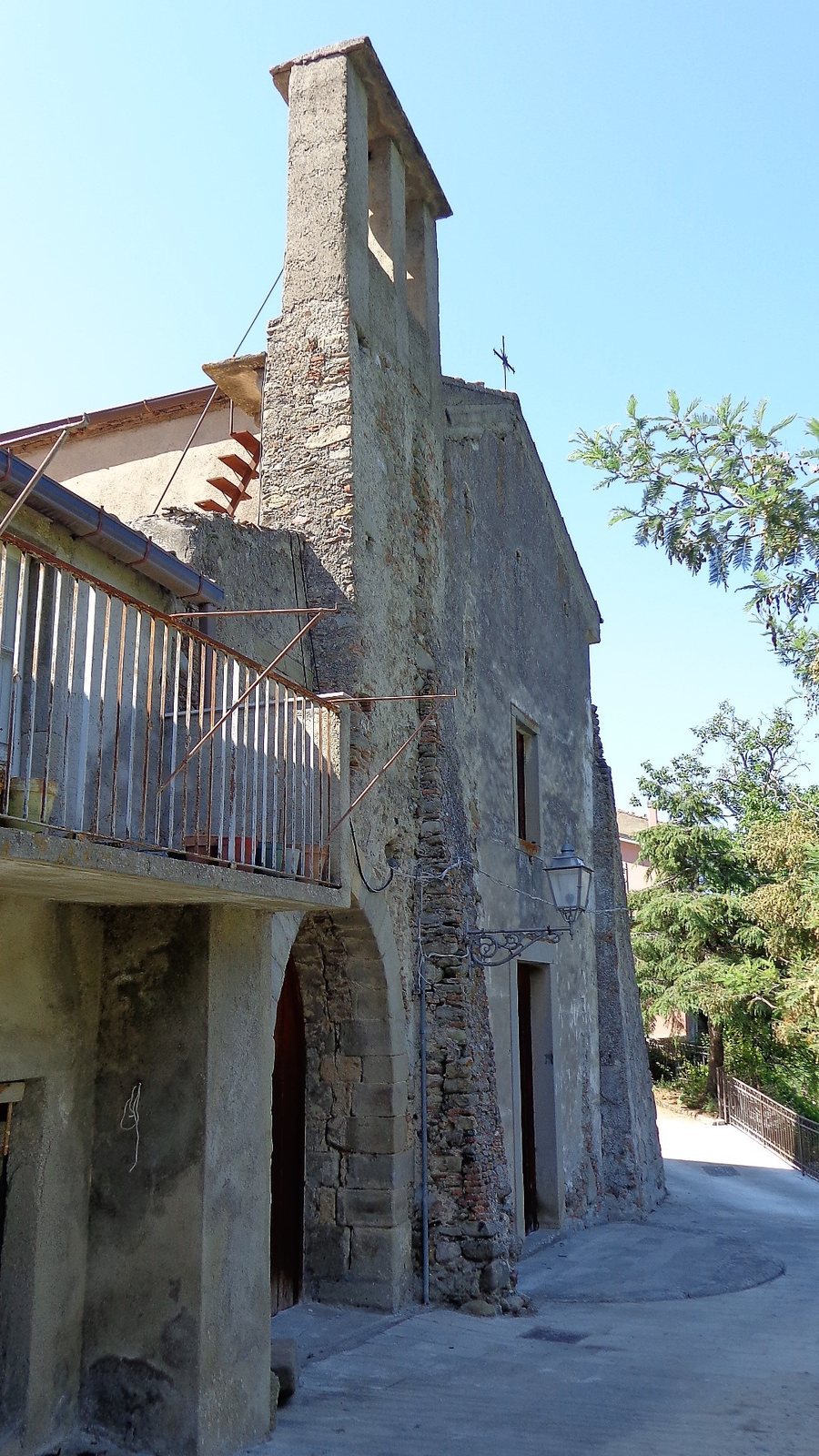
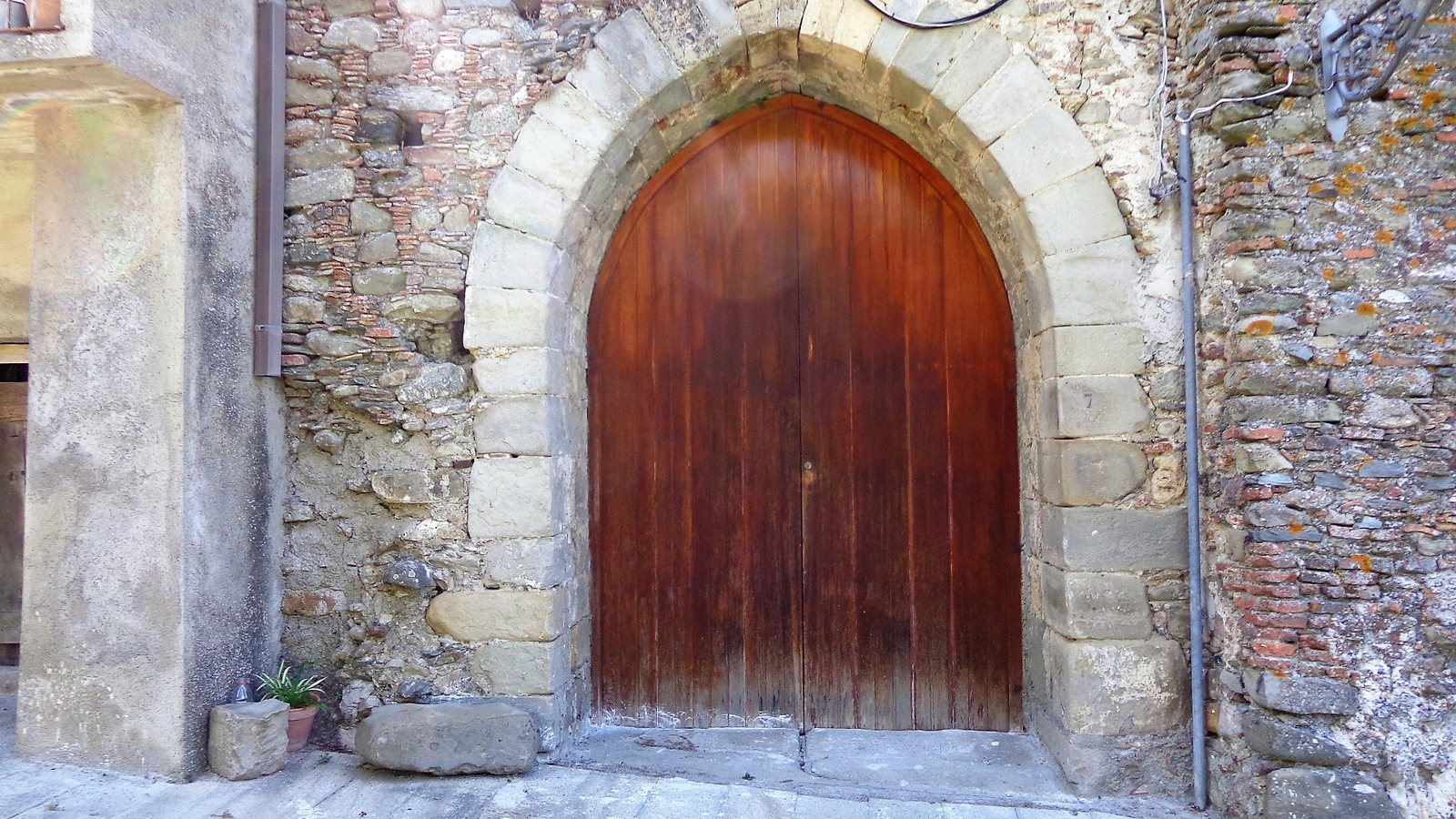
The surviving church has a single nave. It was renovated in the second half of the nineteenth century and may have been reoriented westward during that work. The church was restored in 1878, and restoration campaigns on the structures took place in 2019–2020. Its western portal is blocked, while two pointed-arch portals remain on the north side. East of the church, foundations mark a semicircular sanctuary end.
Buildings south of the church
Buildings immediately south of the church may be remains of the original cloister, a covered walk around a courtyard.
Urban monastery and later use
Sant’Ugo church and site features
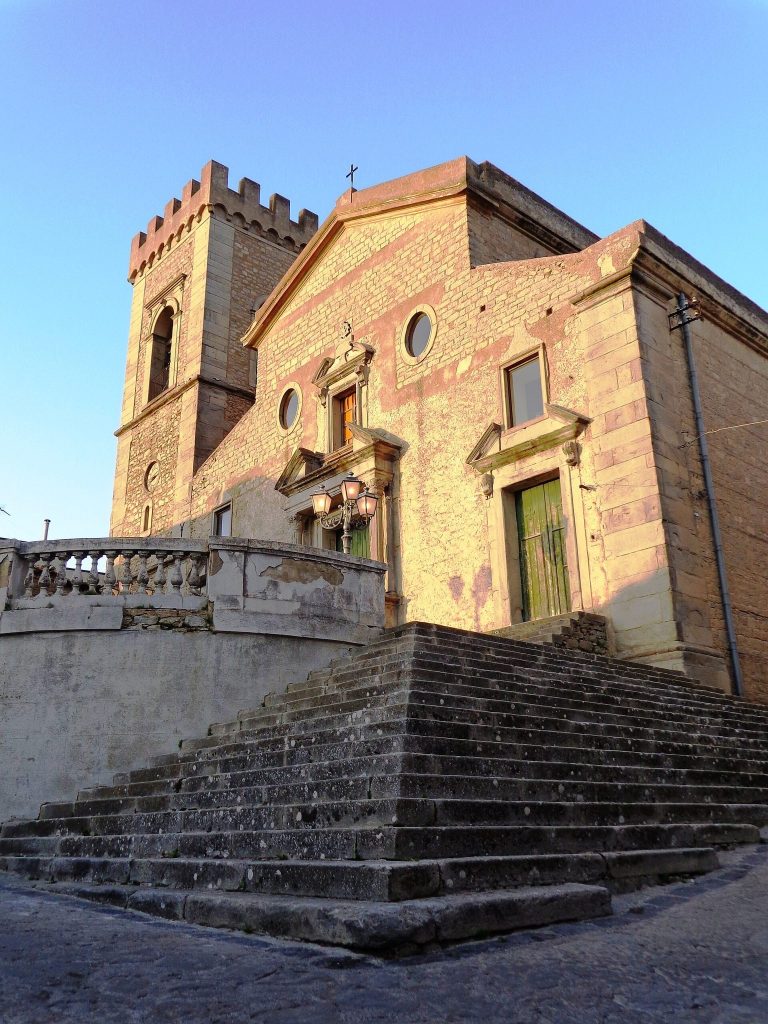
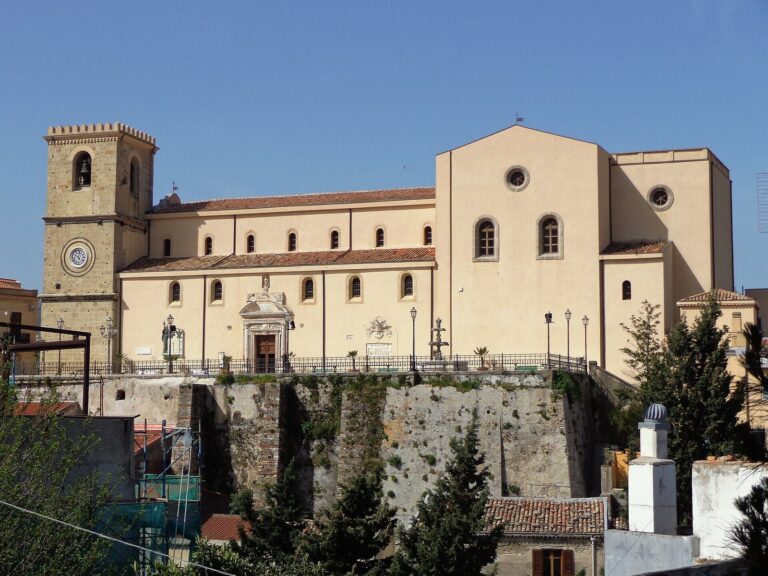
The church of the urban monastery survives. Features at the site include a façade, a portal beside an entrance, a small portal on the north side, and a commemorative plaque.
Later occupation and condition
An attempt to establish a Salesian institute on the former abbey site failed in 1904. A church-run orphanage was built there later. In the twenty-first century, parts of the ruins have deteriorated more rapidly, partly because areas of the site have been used as an illegal dump.