Saint-Nicolas Abbey in Angers: A Benedictine Monastery
Site at a Glance
- Rating
- 4.5
- Popularity
- Very Low
- Country
- France
- Primary era
- Early Modern
- Eras represented
- Medieval, Early Modern, Modern
- Civilizations
- French
- Site type
- Religious
- Remains
- Monastery
On this page12 sections
History
Foundation and monastic expansion
Saint-Nicolas Abbey was a Benedictine monastery in Angers, France, founded around 1021 under Fulk Nerra, Count of Anjou. It became one of the most important monasteries in the lower Loire region. Around 1010, Fulk ordered its establishment in fulfillment of a vow made during a storm on his pilgrimage to Jerusalem. The monks arrived between May 3, 1021, and May 2, 1022.
The first monks came from Marmoutier, another monastery, and were replaced in 1033 by monks from Saint-Aubin. Donations helped the abbey prosper, and it established or supported dependent priories, religious houses subordinate to a larger monastery. In 1074, it founded the Priory of Spalding in Lincolnshire, England. Monks served in dependent houses, whose revenues went to Saint-Nicolas.
In 1077, the regional lord Geoffrey de La Guerche founded the Priory of Kirby, also called Kirkbury, in Warwickshire, England, as a small Benedictine house under Saint-Nicolas. After supporting William II, king of England, Geoffrey had received land in the area. He gave part of it, together with its tithes (payments of a portion of produce or income), the church of Kirkbury, and two priests to establish the house. Kirby was attached to the Carthusian monastery of Axholme in 1396, then returned to Saint-Nicolas in 1399. Disputes over the affiliation continued for twenty years before Henry V, king of England, granted Kirby to Axholme again in 1414.
Late medieval and early modern abbey
On September 10, 1454, René I, a fifteenth-century ruler of Anjou, married Jeanne de Laval at the abbey. In 1672, Saint-Nicolas joined the Maurist congregation, a French congregation of Benedictine monks.
Dissolution and later use
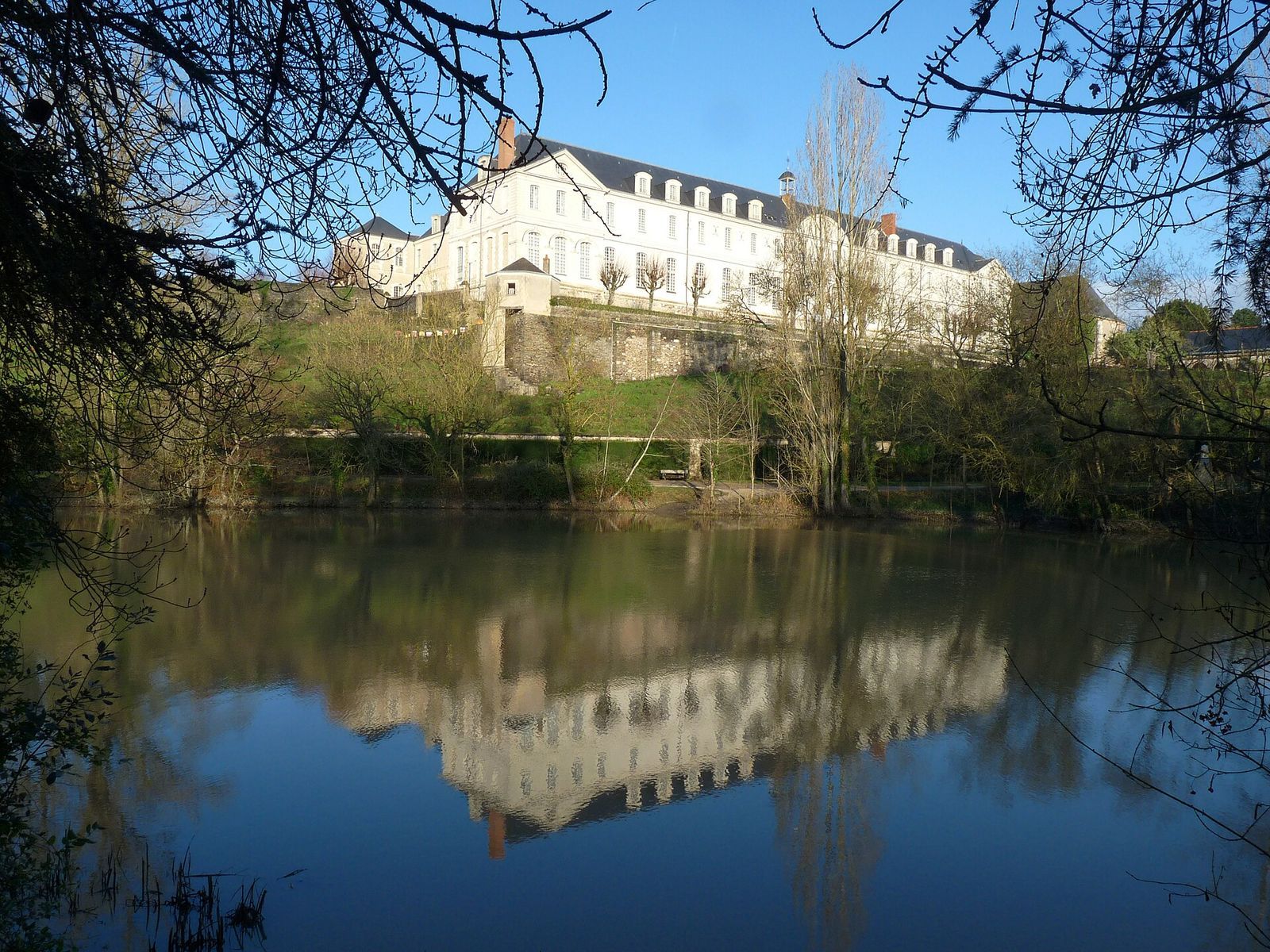
The abbey was dissolved during the French Revolution in 1790, sold as national property, and partly destroyed. Its remaining buildings subsequently served as a barracks, hospital, and mental asylum. In 1835, Mary Euphrasia Pelletier founded the Congregation of Our Lady of Charity of the Good Shepherd in Angers. Saint-Nicolas now houses the congregation’s motherhouse, its principal house. The complex is protected as a French historic monument, with classifications and registrations dating from 1955, 1961, and 1995.
Remains
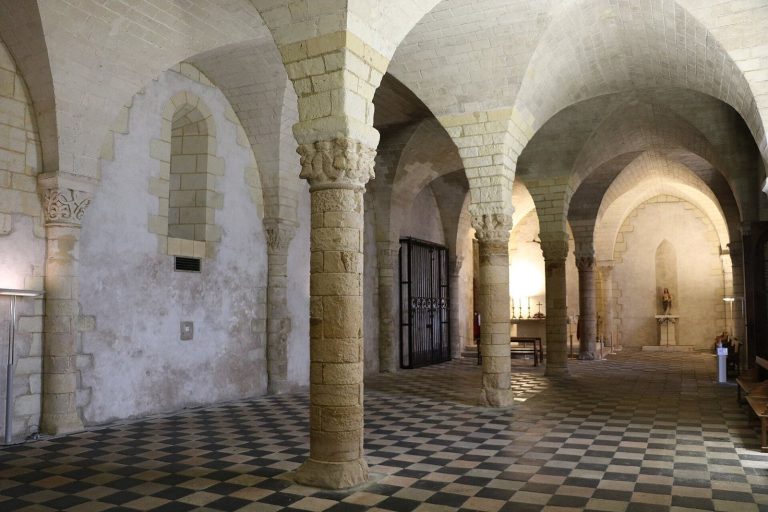
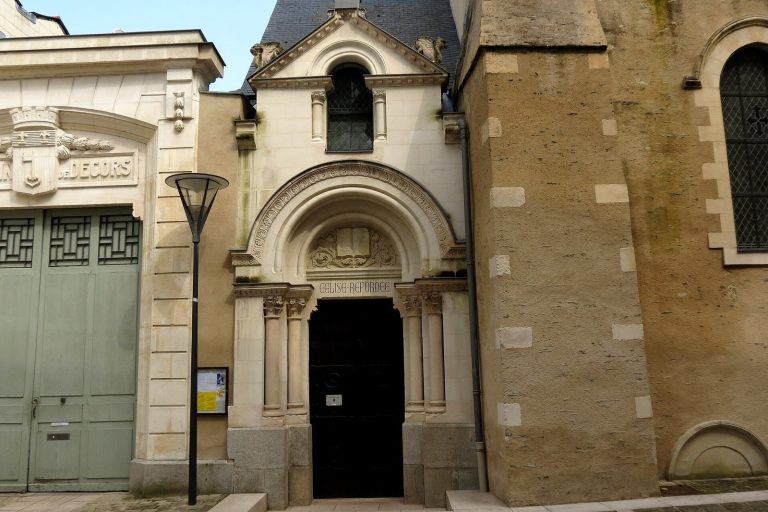
The surviving complex brings together traces of medieval religious buildings, a fifteenth-century abbatial palace (the abbot’s residence), and convent buildings rebuilt in the eighteenth century. Its remains include sections of masonry, the church site, and a range of later structures and interior features.
Church and medieval fabric
Abbey church
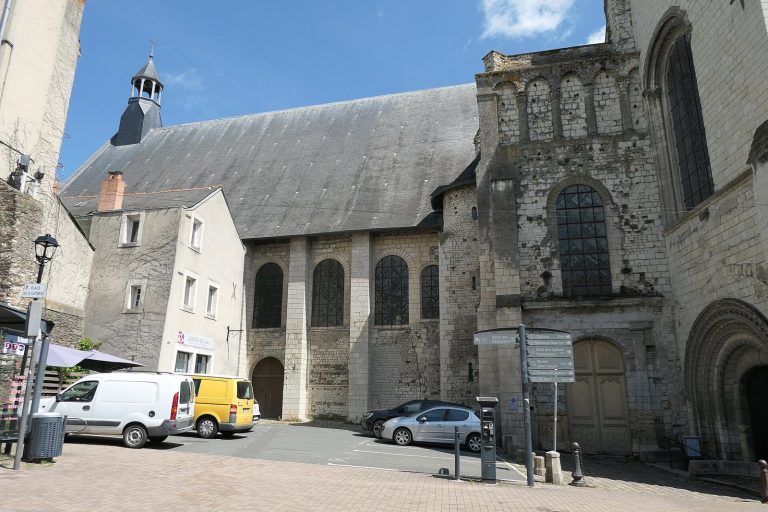
The first church, dedicated to Saint Nicholas, the Christian bishop venerated as a saint, was consecrated on December 1, 1020. A replacement church was built late in the eleventh century and consecrated by Pope Urban II on February 10, 1096. The monastery underwent another rebuilding in the twelfth or thirteenth century.
Early masonry
Courses of schist, a layered rock, along Rue Ambroise-Paré may belong to the early church.
Palace and convent buildings
Abbatial palace
The abbatial palace dates from the fifteenth century. It is now occupied by a retirement home, along with buildings constructed in the nineteenth and twentieth centuries.
Eighteenth-century convent
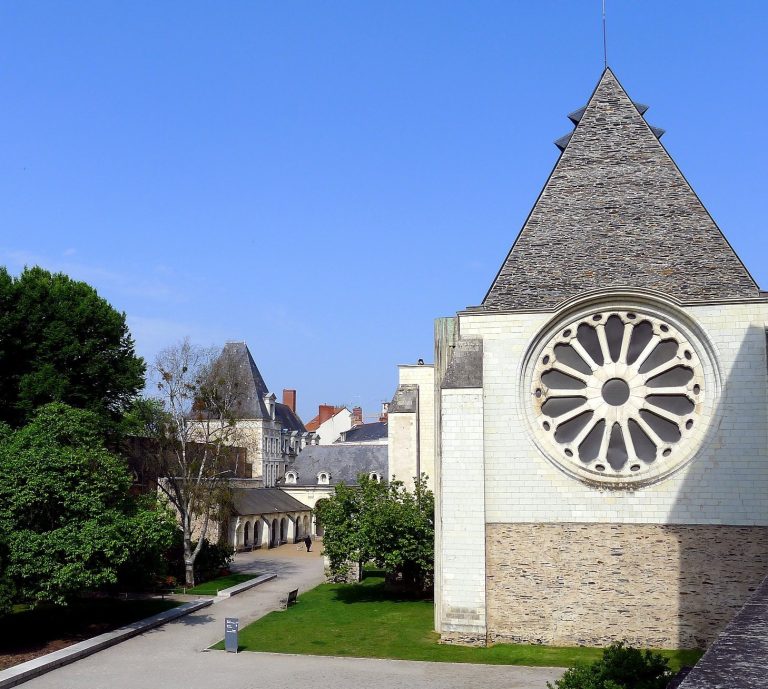
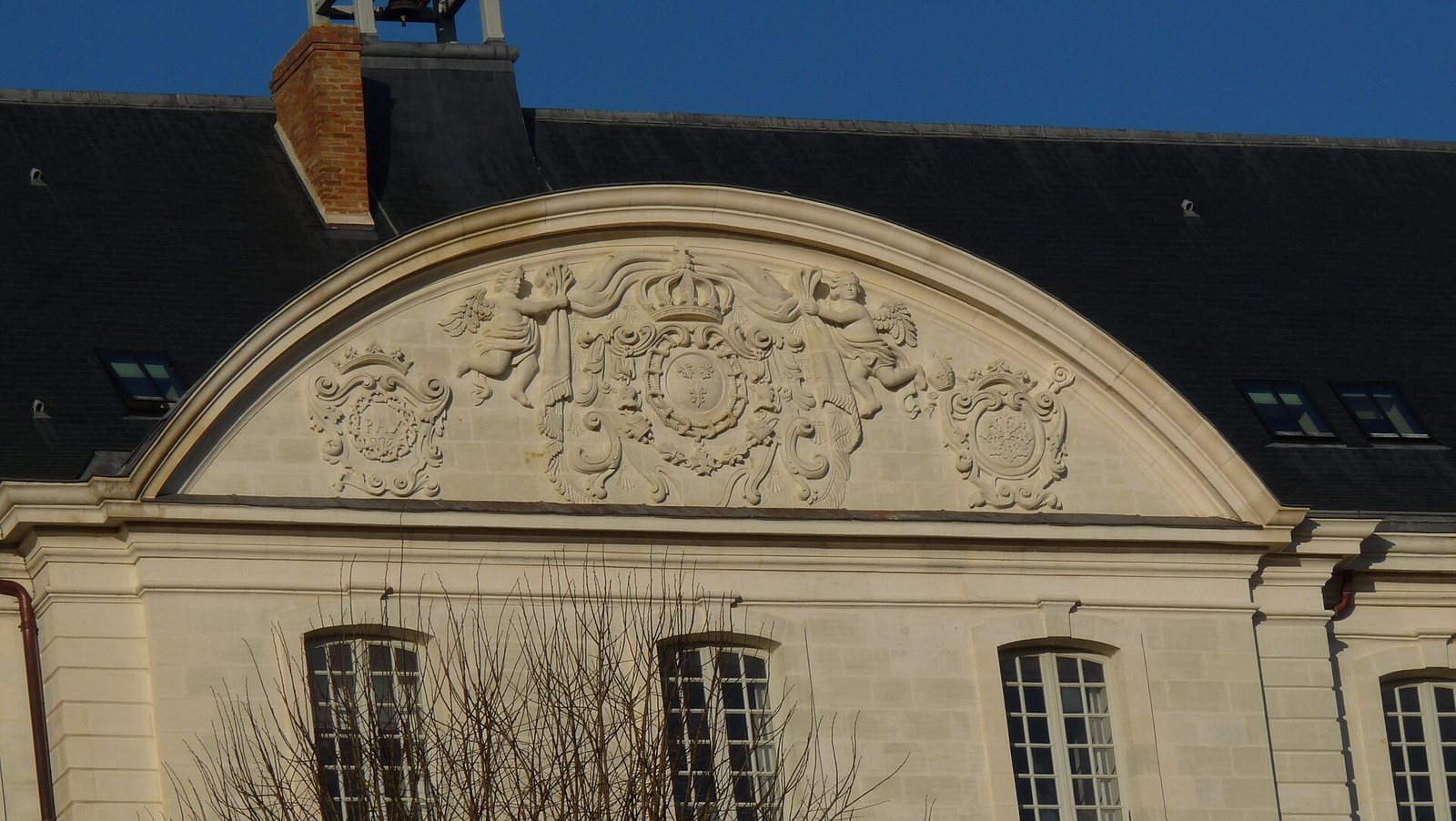
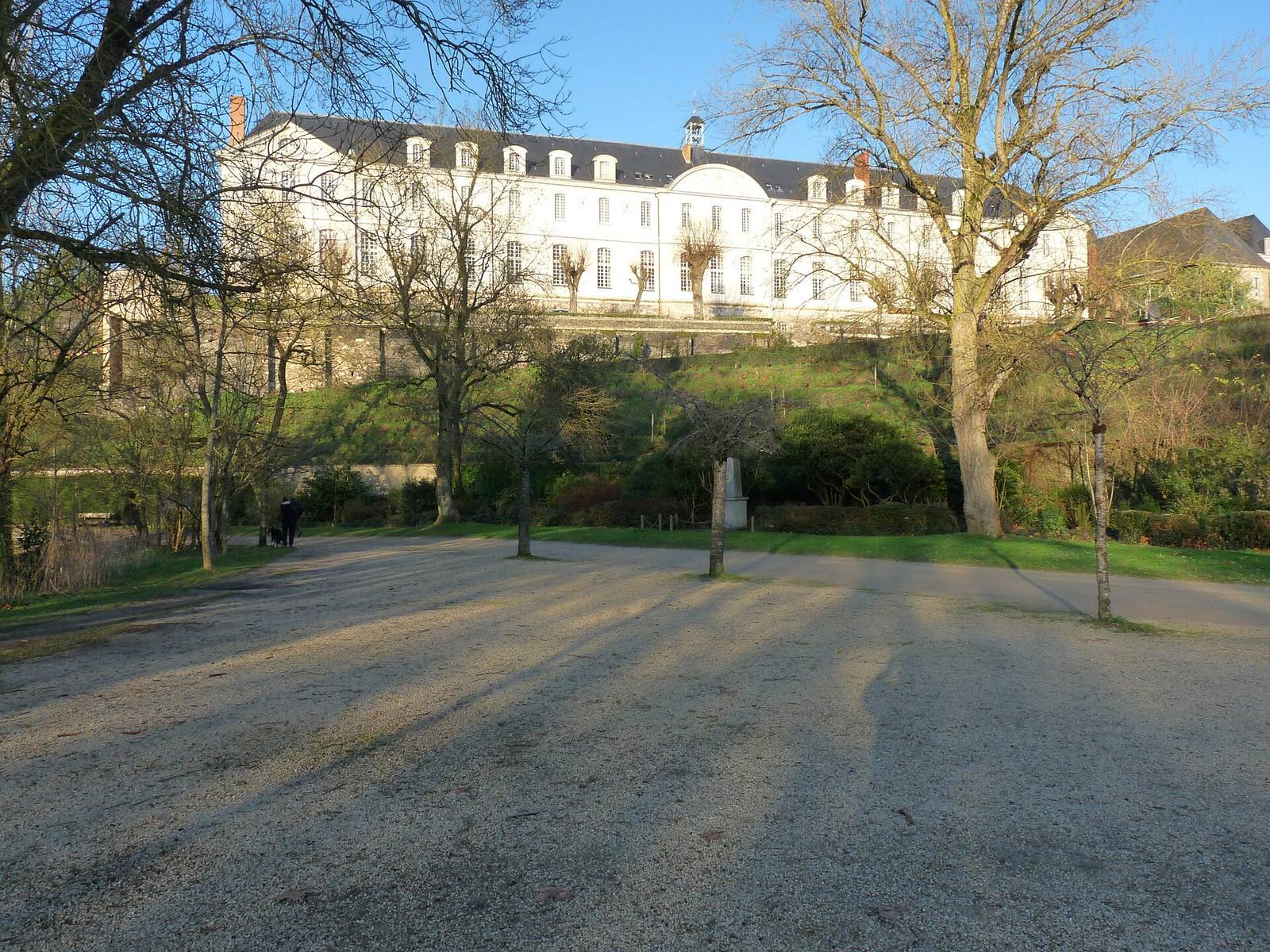
The convent buildings were rebuilt between 1720 and 1730. Their surviving features include the south façade and roof, a grand staircase, a chapel that formerly served as the refectory, corridors on the first and second floors, remains of the cloister, and a vaulted room in the former abbey.
Bell tower and former storehouse
The bell tower survives with its façades and roof. The former convent storehouse retains its exterior façades and roof, as well as an interior spiral staircase.