Safavid Historic Sites: Explore Mosques, Caravanserais and Shrines
Explore Safavid historic sites through courtyard mosques, caravanserais, pilgrimage shrines and fortified complexes. The collection is concentrated in Iran, with further buildings in Azerbaijan, Armenia and Iraq. Its strongest groups are religious buildings and the inns that accommodated travellers and trade along roads and within cities.
The architecture includes brick prayer halls, tiled entrances, stone-faced caravanserais and shrines enlarged by successive patrons. These sites represent particular Safavid construction and repair campaigns. Their earlier foundations and later decoration are identified separately where they remain part of the visible building.
Primary Function: All
Type: All
Country: All
Popularity: All
Rating: All
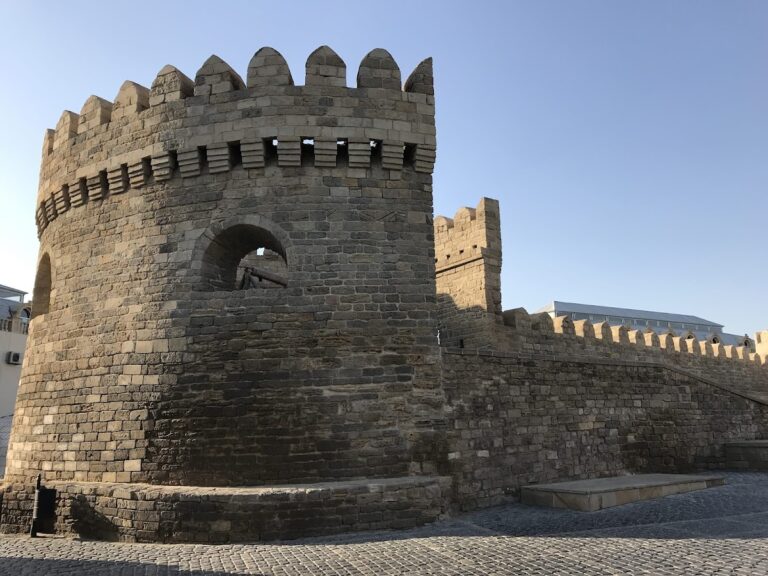
Baku Fortress encloses the medieval Old City of Baku with surviving walls, towers, gates, and associated defensive structures dating from the twelfth…
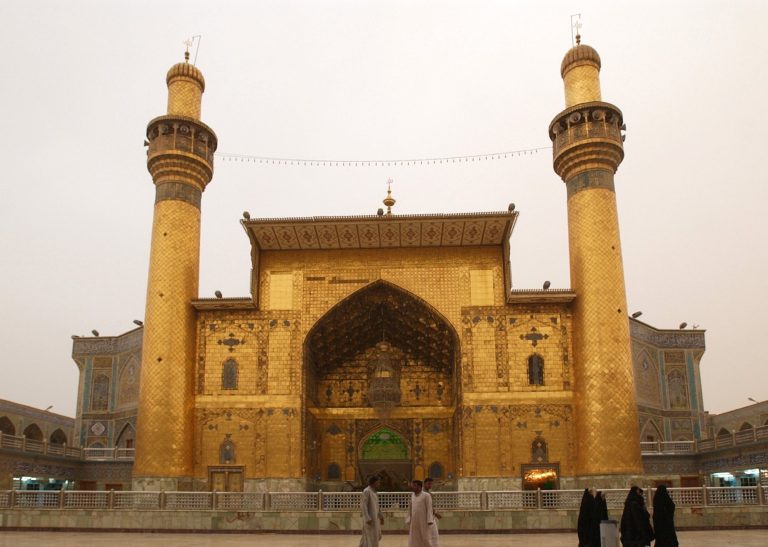
Imam Ali Mosque in Najaf surrounds the traditional burial place of Ali ibn Abi Talib and has developed through medieval rebuilding, Safavid and…
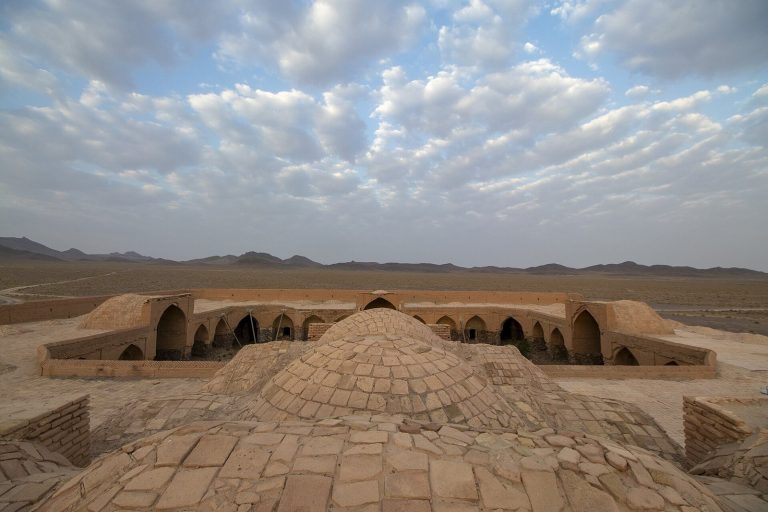
Khargushi Caravanserai is a Safavid-period roadside inn in Yazd Province, opened in 1614 and later registered among Iran’s national monuments.
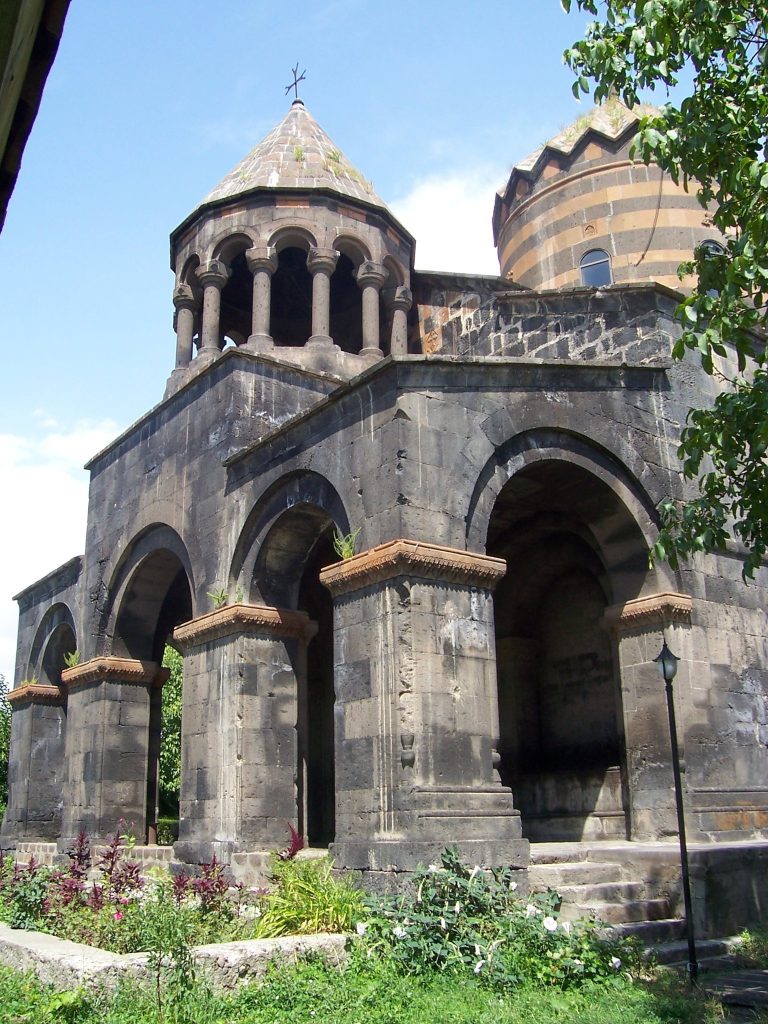
Saint Gevorg Monastery of Mughni in Armenia developed from a thirteenth-century religious foundation into a major pilgrimage center, with its present…
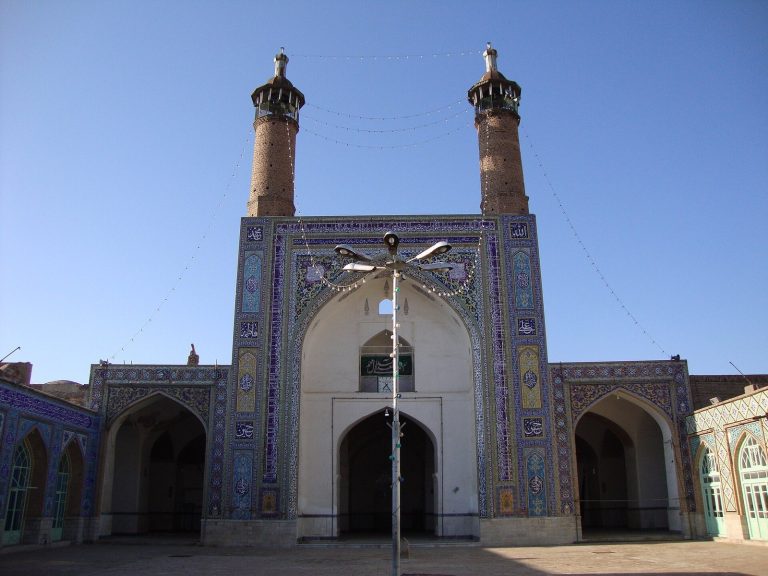
Jameh Mosque of Sabzevar is a historic Shia congregational mosque whose origins reach the Sarbedaran period and whose surviving fabric includes…
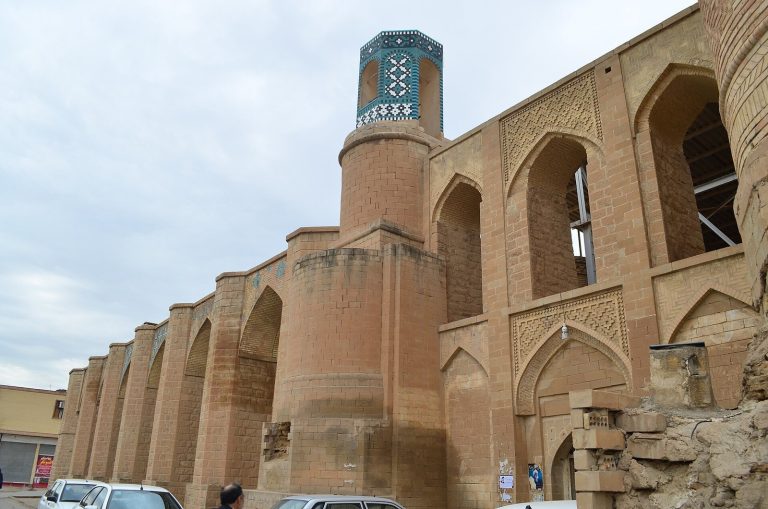
Jameh Mosque of Shushtar is an active Shia Friday mosque whose history begins under the Abbasid Caliphate and whose present form largely reflects…
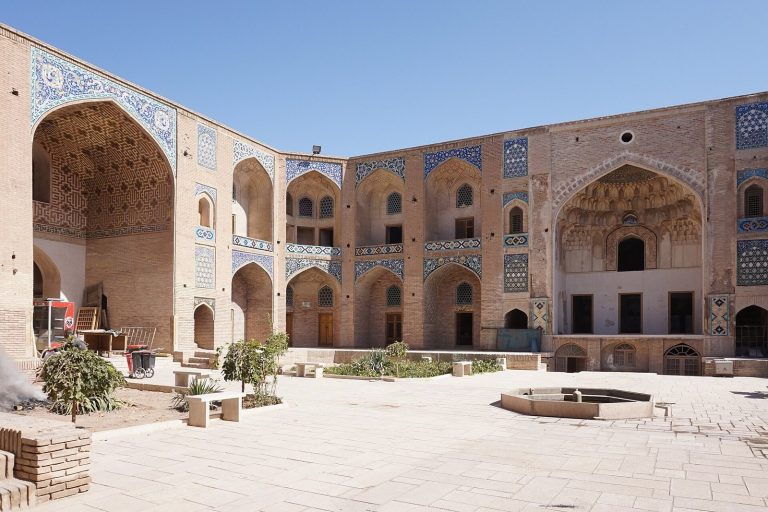
Ganjali Khan Caravanserai in Kerman forms part of a Safavid-era complex that served travelers, housed an Islamic school, and later gained cultural…
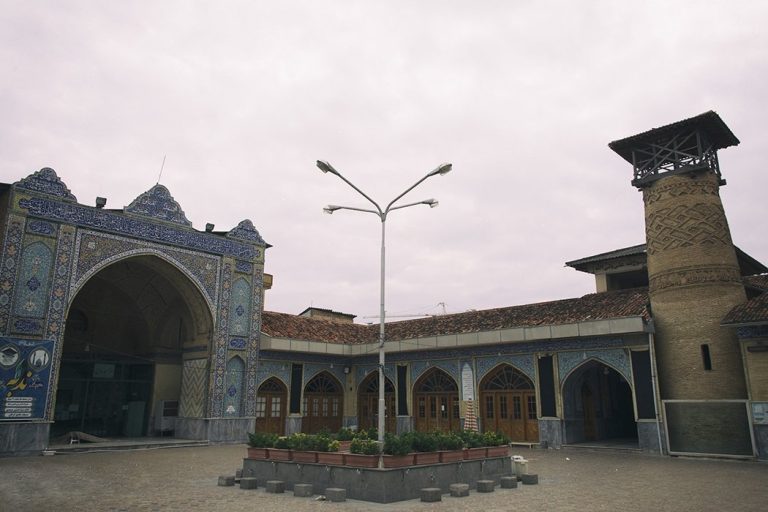
Jameh Mosque of Gorgan is a historic Shia Friday mosque beside the old Nalbandan bazaar, combining Seljuk foundations with Timurid, Safavid, and…
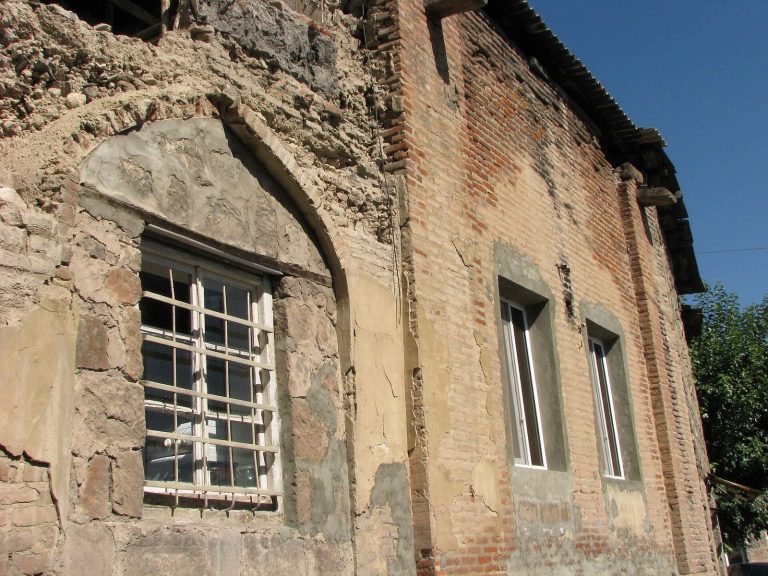
Kond Mosque, also called Tapabashi Mosque and Abbas Quli Khan Mosque, reflects Yerevan’s Islamic history through its 1687 foundation,…
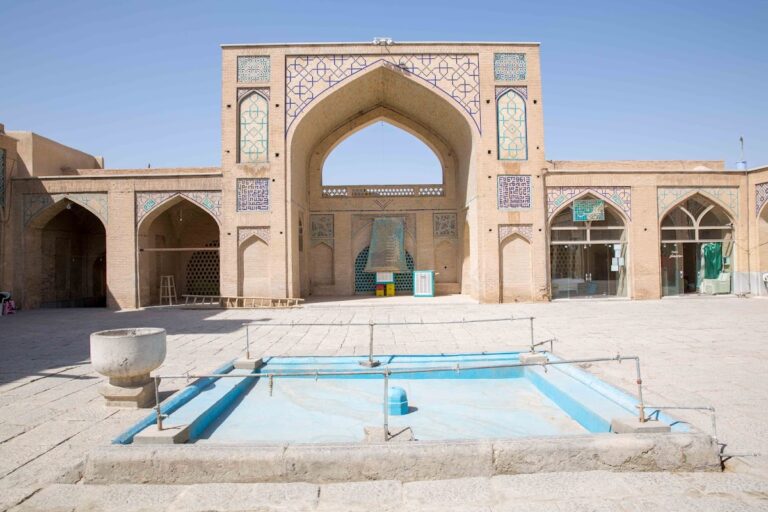
Agha Nur Mosque is an active Shia mosque in Isfahan’s historic Dardasht neighbourhood, built under Safavid rule and expanded during the Qajar era.…
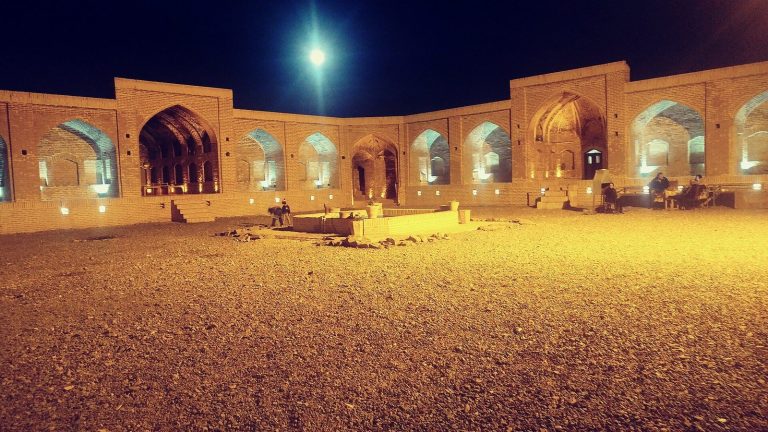
Pasangan Caravanserai is a Safavid-period roadside lodging complex in Qom Province, commissioned by Shah Abbas I and later adapted for modern…
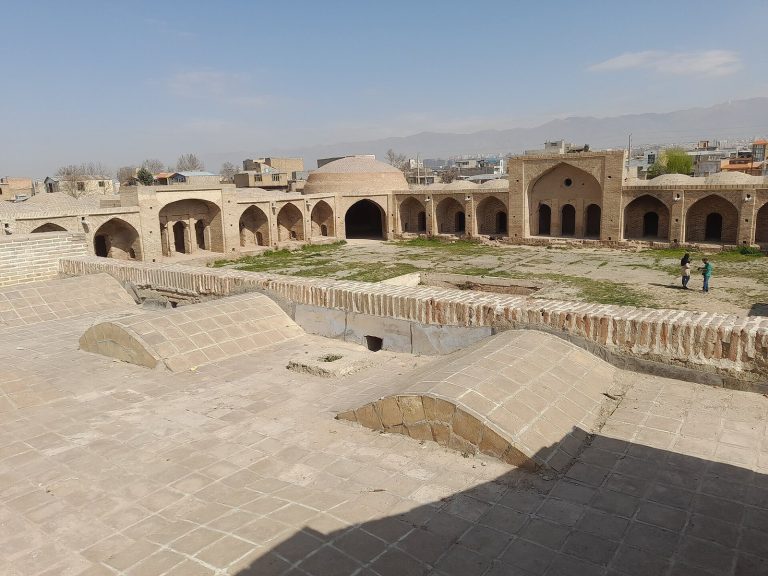
Yengi Emam Caravanserai is a seventeenth-century Safavid roadside complex in Hashtgerd, Iran, with origins in the Ilkhanid period. Its courtyard plan…
For details on how to use the maps, which sites are included, how popularity and ratings are determined, and how sites are classified, see the help page.
On this page6 sections
Courtyard mosques in Isfahan
Hakim Mosque stands beside the bazaar in Isfahan. Its large courtyard has an iwan, or vaulted hall open at one end, on each side. The northern and southern iwans are larger than the others, giving the court a clear principal axis. Brick supplies much of the construction, with tile and plaster used for decoration.
Several smaller entrances connect the irregularly shaped complex to surrounding streets. Their different treatments include tiled inscriptions, geometric brick-and-tile patterns and tiered plaster niches. This is a mosque fitted into a working urban district, with its courtyard providing a broad open space behind the adjoining lanes and market buildings.
A domed prayer hall at Ganja
The Juma Mosque of Ganja, in Azerbaijan, was built on the orders of Shah Abbas I. Its red-brick body centres on a square prayer hall with deep niches on all four sides. The main northern entrance faces the prayer niche in the southern wall, while additional entrances open from the sides.
The concentrated hall and dome differ from Hakim Mosque’s broad courtyard arrangement. They also place Safavid patronage within the building traditions of Ganja. The mosque formed part of the development of the city, alongside water-supply and drainage works, rather than standing as an isolated royal monument.
Roadside caravanserais and water supplies
Titi Caravanserai in northern Iran is a compact courtyard inn with two principal iwans. Rounded stones form its walls, while brick vaults cover the sheltered spaces. An entrance vestibule separates the outside approach from the rooms and open court within.
Qasr-e Bahram Caravanserai has a different external treatment, with large pale limestone blocks facing the enclosure. Towers and guarded entrances protect rooms arranged around its interior spaces. The building belongs to the Safavid caravanserai network, despite traditions connecting its name with a much earlier ruler.
Water was an essential part of this desert station. Ceramic and stone pipes brought supplies from a spring in the nearby hills, with the system repaired during the Safavid period. The stone-faced enclosure and engineered supply contrast with Titi’s smaller courtyard and rounded-stone masonry.
Urban inns and teaching buildings in Kerman
The Ganjali Khan Caravanserai forms part of the governor’s larger complex in Kerman. Its two-storey buildings connect the history of an Islamic school with that of an urban inn. Brick, plaster and tile were used across the surviving structures.
Here the caravanserai belonged within a city rather than an isolated road station. Its relationship with the adjoining foundation places accommodation and commerce alongside education. The buildings preserve a different scale of provision from Titi’s compact inn, with substantial upper and lower accommodation within the urban complex.
Pilgrimage architecture at Qazvin
Imamzadeh Husayn in Qazvin centres on a tomb surrounded by a shrine and mosque complex. A large courtyard, tiled iwans and domed burial chamber organize the approach to the religious core. An inscription records seventeenth-century work ordered by Zainab Begum, daughter of Shah Tahmasp I.
Later patrons also changed the site. A Qajar entrance hall and subsequent decorative work added to the earlier foundation. The coloured dome, courtyard façades and interior ornament therefore need to be read by phase, with the Safavid rebuilding forming one substantial part of the shrine’s longer history.
Explore the collection
Explore sites on the map or in the grid. Map icons reflect each site’s primary function, helping you identify different kinds of places at a glance. Refine the results by country, primary function, site type and era. Popularity and rating filters provide further refinements. Select a map marker to view the site’s details and open its article, or open the article from its grid entry.