Parthian Sites: Explore Royal Compounds, Temple Halls and Fortified Cities
Parthian sites include royal compounds in Turkmenistan, vaulted sanctuaries in Iraq and fortified settlements in Iran and Syria. The collection covers places associated with the Arsacid Empire and neighbouring kingdoms within its political and cultural sphere. Their architecture includes mud-brick courts, open-fronted halls, hilltop defences and temples arranged around courtyards.
The examples below focus on substantial building complexes and surviving structures. Several cities continued under Roman or Sassanid rule, so individual features need to be read within their own construction phases.
Primary Function: All
Type: All
Country: All
Popularity: All
Rating: All
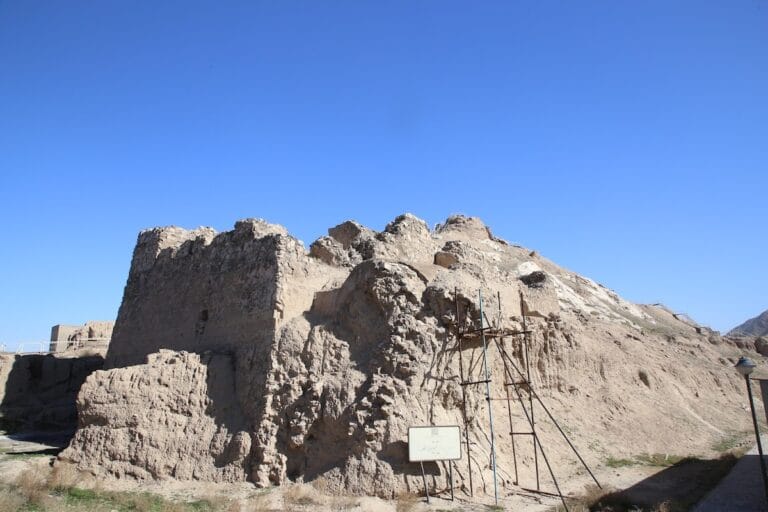
Rashkan Castle is a Parthian-period fortress near the historic city of Ray in Iran, with evidence of later Abbasid, Buyid, and Timurid activity.
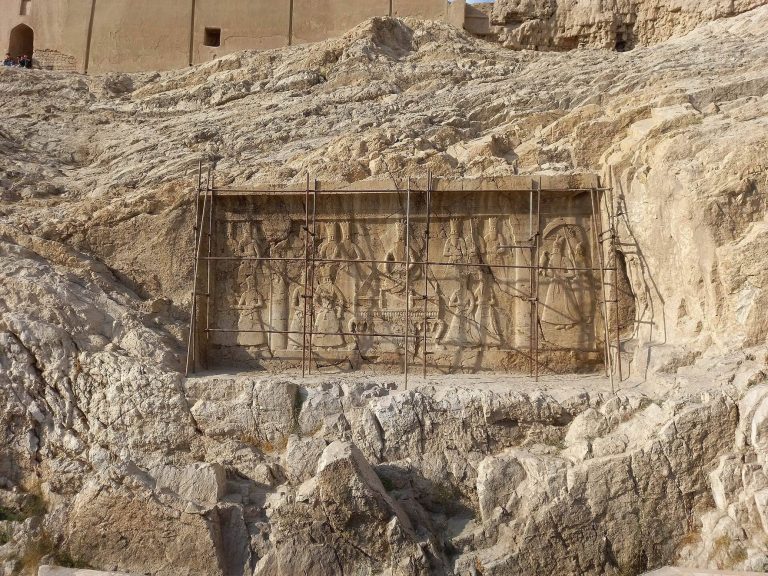
Cheshmeh-Ali preserves evidence of prehistoric settlement, Parthian and early Islamic occupation, and a Qajar rock relief beside a spring at the…
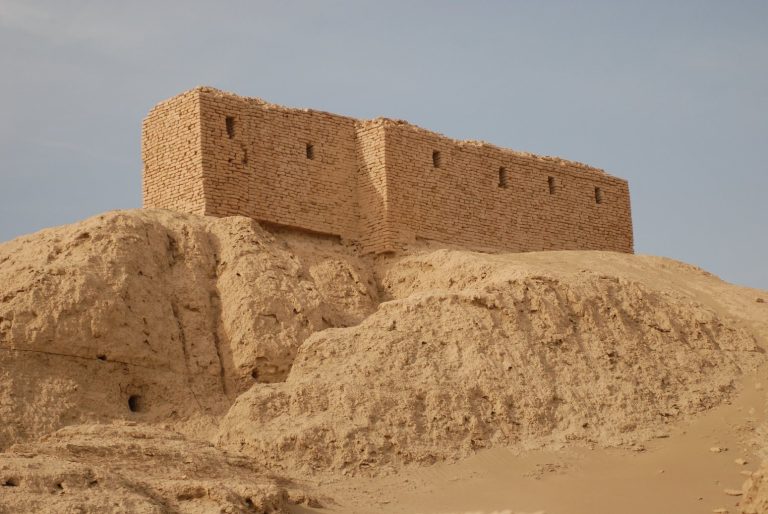
Nippur was the principal cult centre of Enlil and a major religious, administrative, and scribal centre of Mesopotamia. Its excavated temples,…
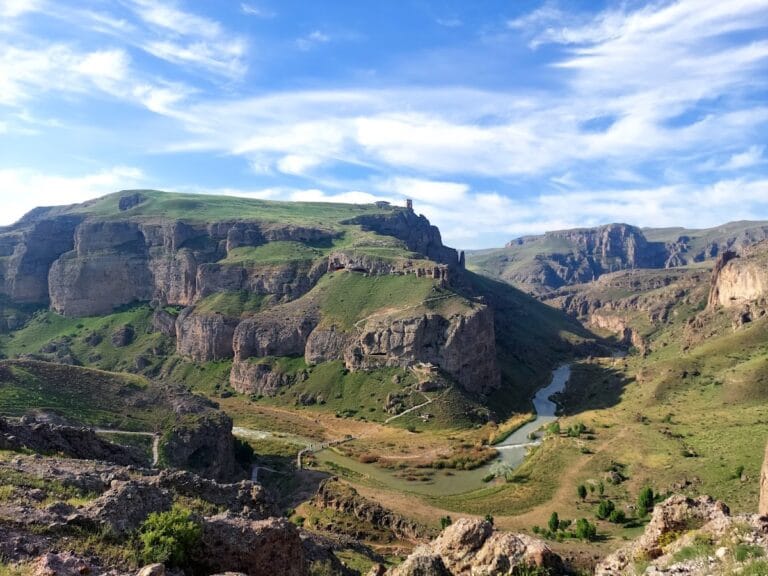
Zahhak Castle near Hashtrud in East Azerbaijan preserves remains from several Iranian historical periods, including Parthian and Sasanian…
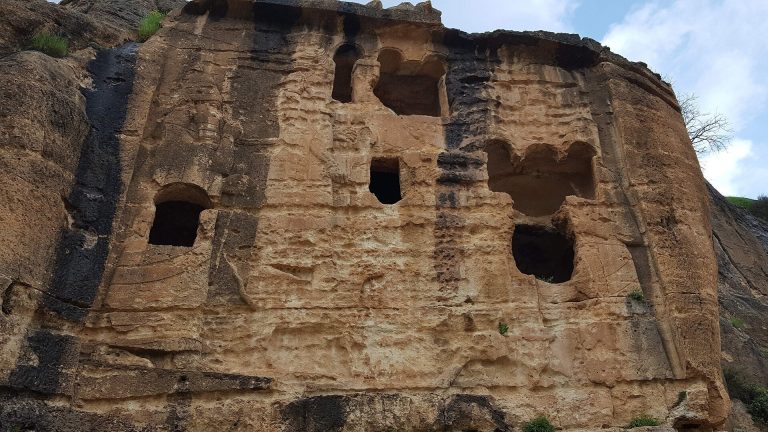
The Khinnis Reliefs are an Assyrian hydraulic complex beside the Gomel River, created under King Sennacherib around 690 BCE as part of the water…
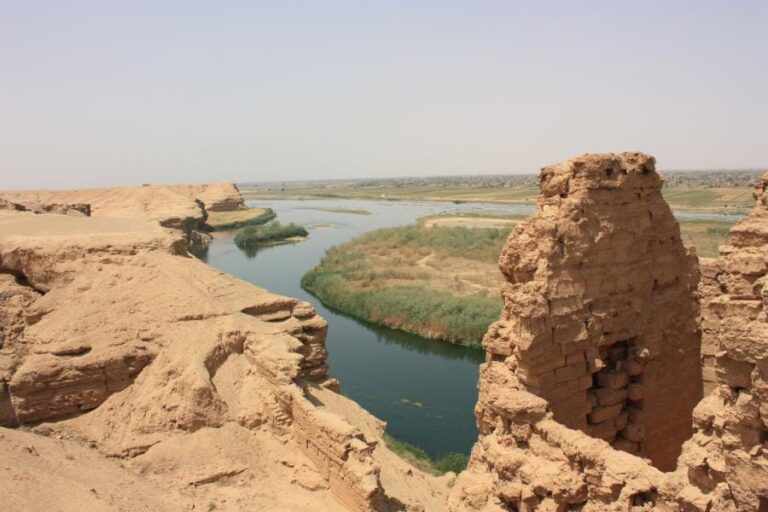
Dura Europos in Syria was founded around 300 BC as a Seleucid fortress and later became a multicultural Parthian administrative center and Roman…
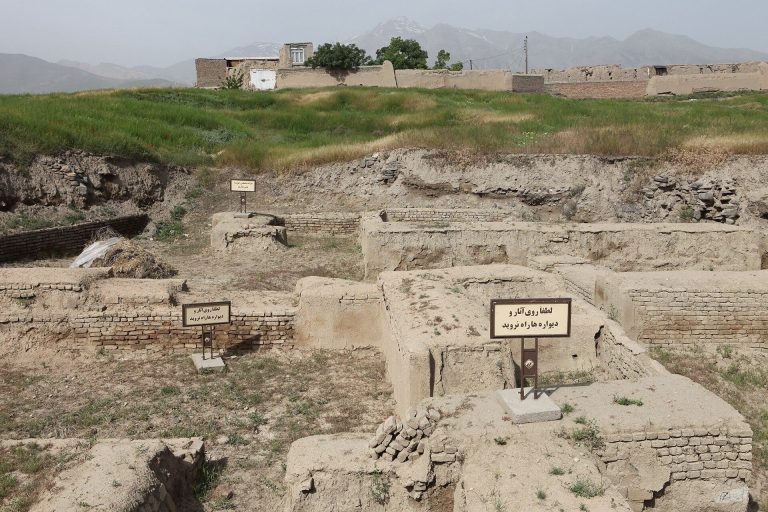
Ecbatana, identified with modern Hamadan in western Iran, was the capital of the Median kingdom and later a summer capital, treasury, mint, and…
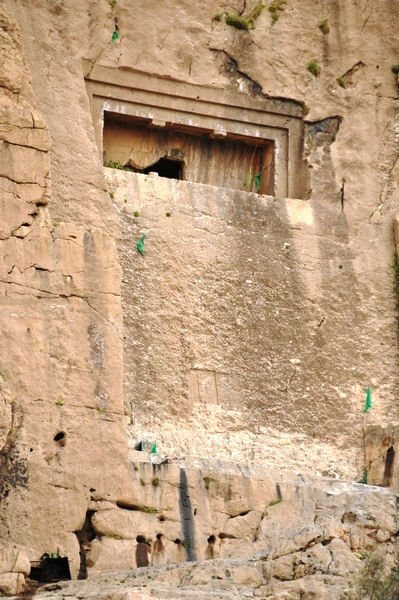
Dukkan-e Daud near Sarpol-e Zahab is a rock-cut tomb and relief complex whose Achaemenid, post-Achaemenid, and religious associations remain subjects…
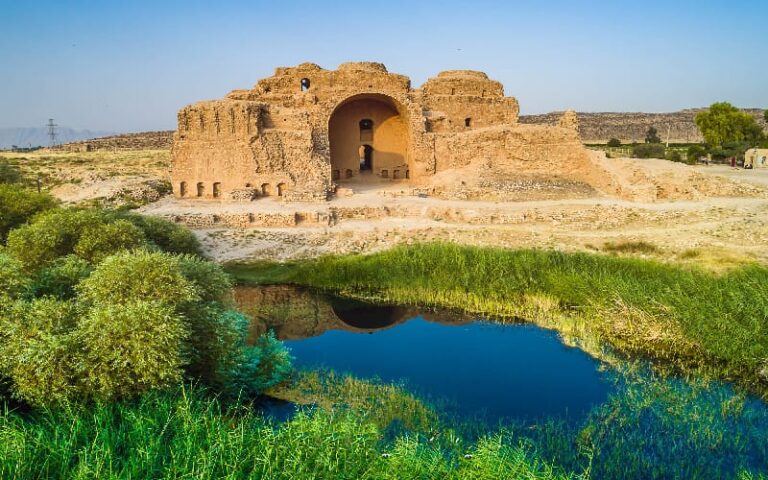
Firuzabad preserves the history of Gor, a circular Sasanian city founded by Ardashir I in Fars. Its archaeological landscape includes the ancient…
For details on how to use the maps, which sites are included, how popularity and ratings are determined, and how sites are classified, see the help page.
On this page5 sections
Fortified royal compounds and reception halls
At Nisa, near Ashgabat in Turkmenistan, the walls of Old Nisa enclose a royal compound of the early Arsacid dynasty. Mud-brick fortifications, reinforced by numerous towers, surround buildings used for storage, administration and ceremonial purposes. The exposed plans show large enclosed spaces divided into courts and halls.
The Square House contains a central courtyard with windowless rooms arranged around it. Their benches and the objects recovered during excavation have informed interpretations of the building as a storehouse or treasury. The Square Hall had four central columns supporting its roof, with painted clay sculpture decorating its upper walls. Its column positions and surrounding rooms preserve the layout of a reception space whose roof and much of its decoration have been lost.
Sanctuaries and vaulted temple halls
Hatra, in northern Iraq, was an Arab-ruled kingdom within the Parthian sphere. At the centre of the walled city, a large sacred enclosure contains a row of deep, open-fronted halls known as iwans. Their high barrel vaults face the court, creating sheltered spaces with broad arched openings.
Stone columns, capitals and carved decoration combine classical forms with local religious imagery. The scale of the central sanctuary contrasts with the smaller shrines distributed through the city. This is a collection of religious buildings within an urban enclosure, rather than the remains of a single royal palace. Restoration has contributed to the appearance of the standing structures, and some architectural sculpture suffered deliberate damage during the conflicts of 2015–2017.
Brick pavilions and arched chambers
Zahhak Castle, in northwestern Iran, extends across hills occupied in several periods. Its most distinctive surviving building is a brick pavilion with large arches opening towards the valley. A rough-stone base supports the brickwork, and traces of plaster remain on the walls and within the arches.
Architectural details and pottery have supported an attribution of the pavilion to the Parthian period, although its function remains debated. Interpretations include a lookout and a religious building. The vaulted roof is partly lost and a damaged support has been repaired. Elsewhere on the site, Sassanid fortifications belong to a later phase, making the pavilion a more specific example of the earlier architecture than the whole castle complex.
Courtyard temples within ancient cities
At Dura-Europos, above the Euphrates in Syria, Parthian-period religious buildings developed within a city originally laid out under the Seleucids. The Temple of Adonis occupied roughly half a street block, with rooms and a sanctuary arranged around a courtyard. The Temple of Artemis Nanaia also developed through successive courtyard plans, including an anteroom and an inner shrine divided into three aisles.
These excavated temple plans document the city’s religious buildings before the Roman takeover. Later military occupation altered parts of the urban area and incorporated other sanctuaries into the Roman camp. The Temple of Artemis Azzanathkona continued in religious use within that later military enclosure, with one room serving as an archive for the Roman garrison.
Explore the collection
Explore sites on the map or in the grid. Map icons reflect each site’s primary function, helping you identify different kinds of places at a glance. Narrow the results by country, primary function, site type or era, with additional filters for popularity and rating. Select a map marker to view the site’s details and open its article, or open the article from its grid entry.