Crusader Sites: Explore Castles, Military-Order Houses and Fortified Churches
Explore more than 300 Crusader sites, including castles, fortified religious complexes and military-order headquarters. The collection includes the Crusader states, Frankish residences in Greece, Templar establishments in Iberia and Teutonic buildings in the Baltic region. Vaulted halls, castle chapels, stores and residential galleries preserve the spaces used for defence, worship, administration and communal living.
Primary Function: All
Type: All
Civilization: All
Country: All
Popularity: All
Rating: All
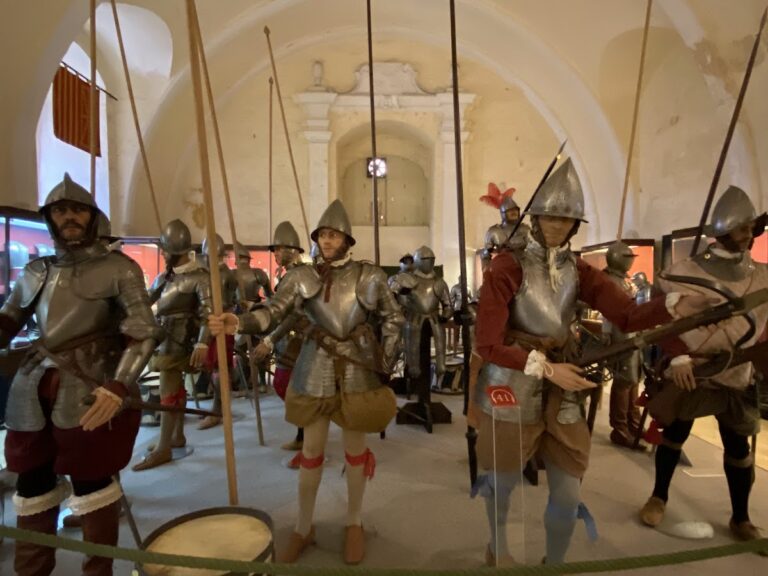
Admiralty House is a late-Baroque palace in Valletta, Malta, rebuilt in the eighteenth century and later used as the official residence of the…
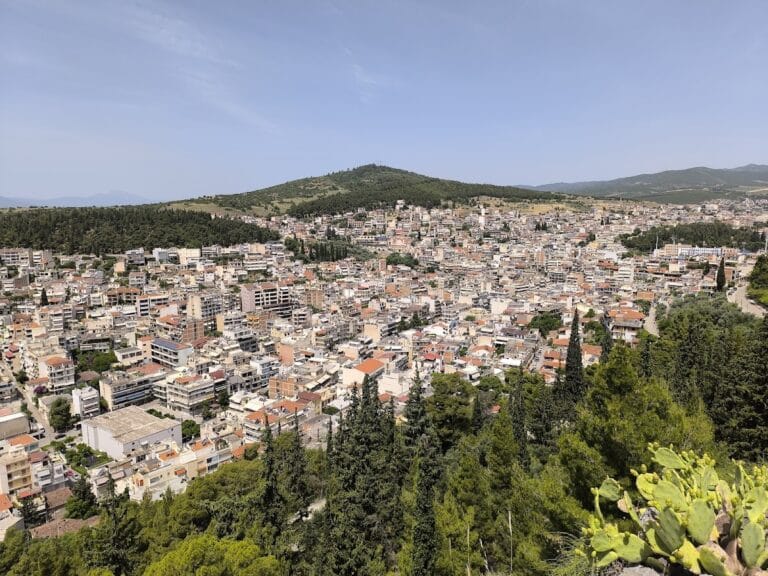
The Castle of Lamia occupies the ancient acropolis above Lamia and preserves a fortified site whose history spans from the fifth century BC through…
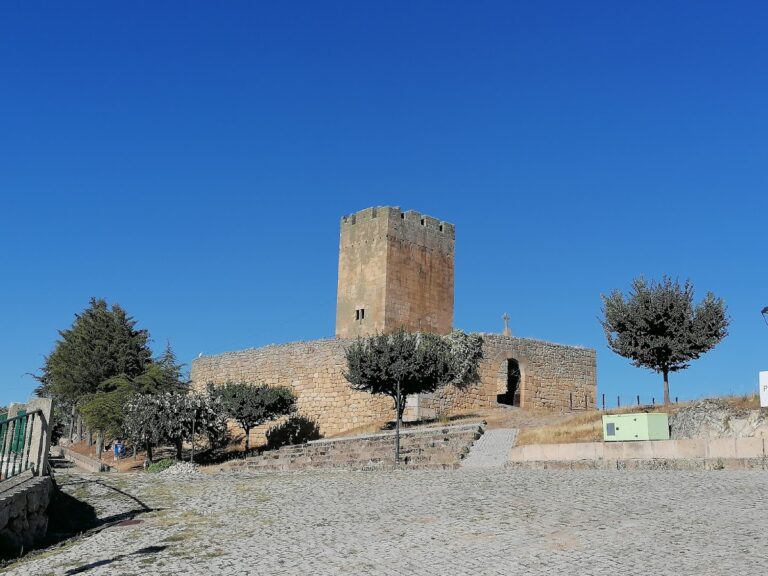
Longroiva Castle in Portugal developed from an ancient fortified settlement into a medieval stronghold associated with the Knights Templar and later…
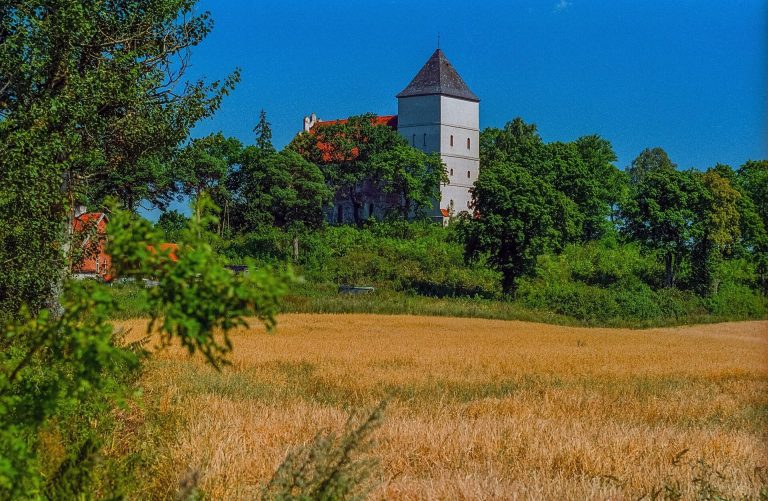
Bezławki Castle was a Teutonic Order fortress and administrative seat built near the Dajna in the late fourteenth century. Later converted into a…
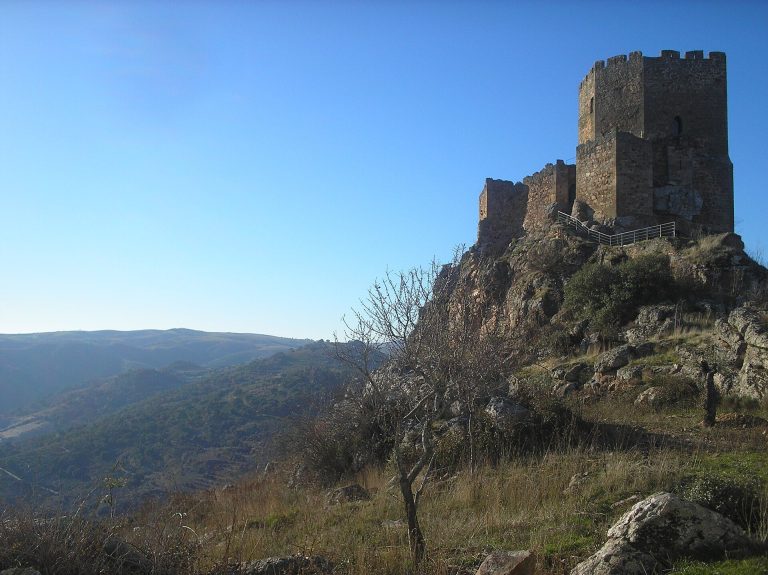
Castle of Algoso is a medieval fortress shaped by the Christian Reconquista, Hospitaller rule, and centuries of frontier conflict. Its surviving…

Buffavento Castle is a medieval fortress in the Kyrenia Mountains of Cyprus. Built on a difficult rocky summit, it guarded mountain routes,…
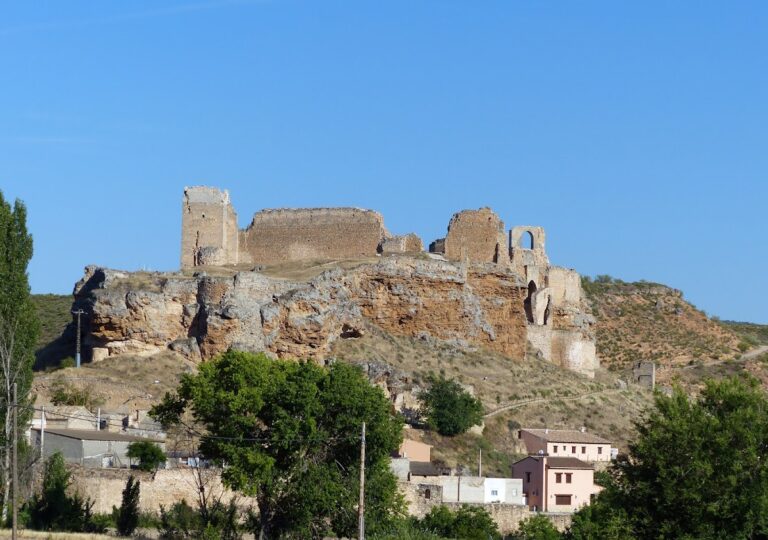
Founded in 852 to protect a crossing of the Tagus, the Castle of Zorita de los Canes later became a Templar and Calatravan stronghold before…
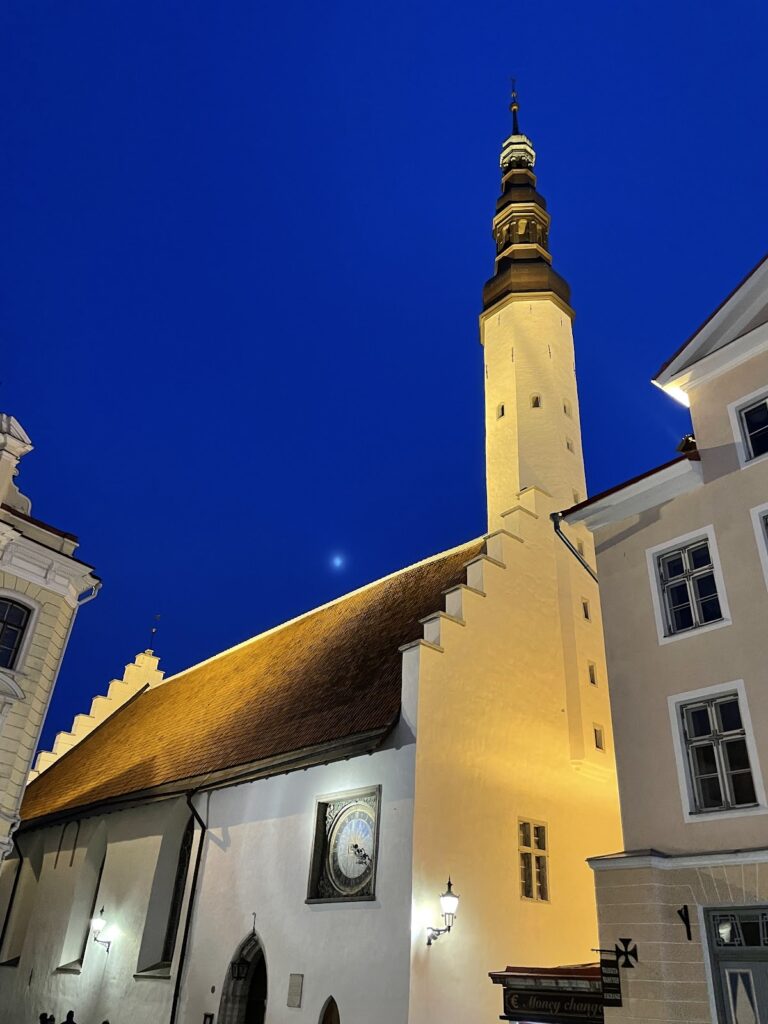
The Church of the Holy Spirit in Tallinn is a medieval church known for its early Estonian-language worship, Gothic structure, historic artworks, and…
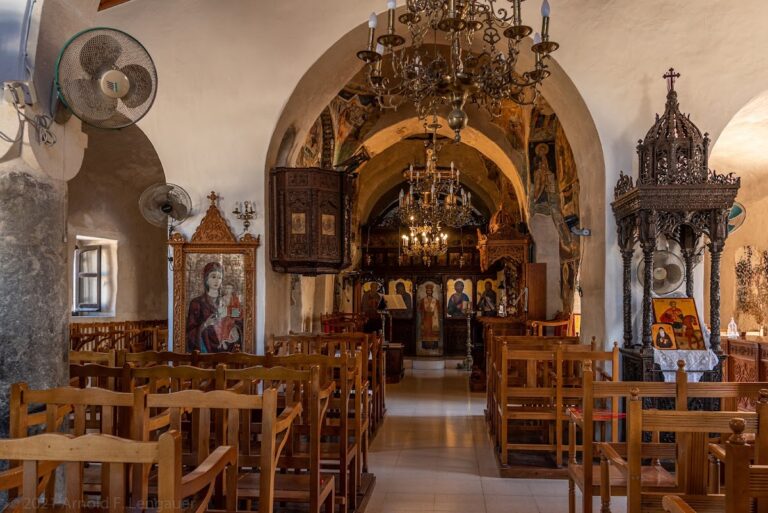
Agia Paraskevi in Geroskipou is an active Byzantine Orthodox church with a five-domed basilica, layered frescoes, and a history extending from the…
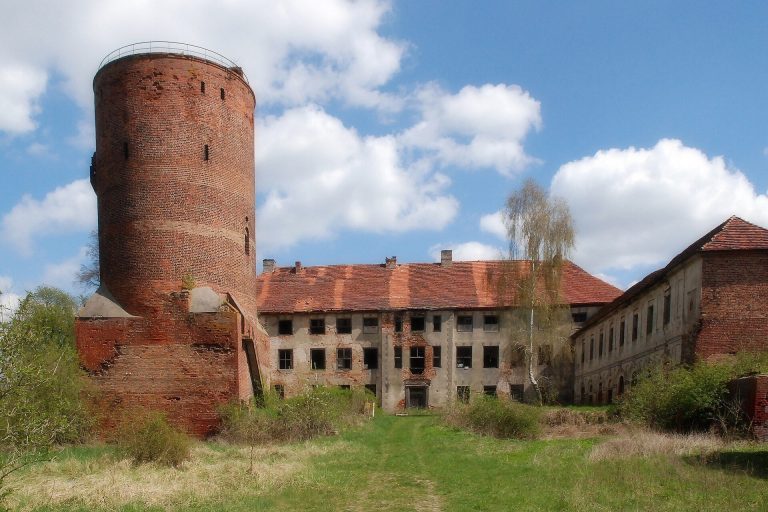
Swobnica Castle in northwestern Poland began as a fourteenth-century fortress of the Knights Hospitaller. Altered into a Baroque hunting residence,…
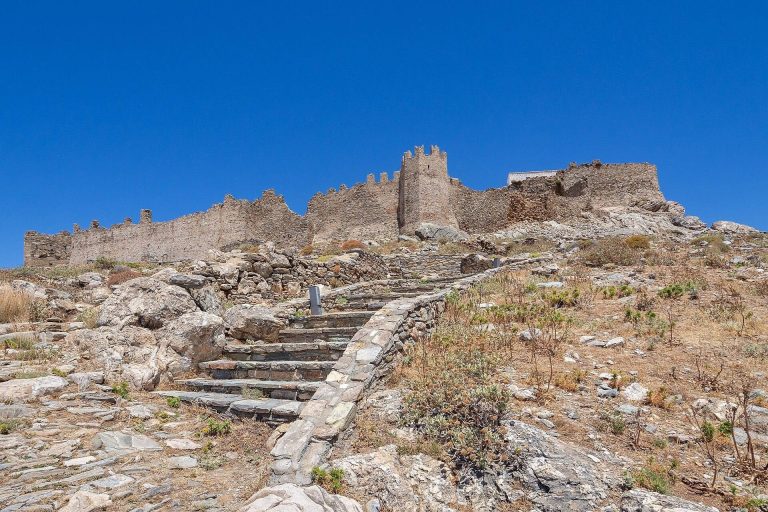
Castelo Rosso is a medieval hilltop fortress in southern Euboea, shaped by Byzantine, Lombard, Catalan, Venetian, Ottoman, and Greek historical…
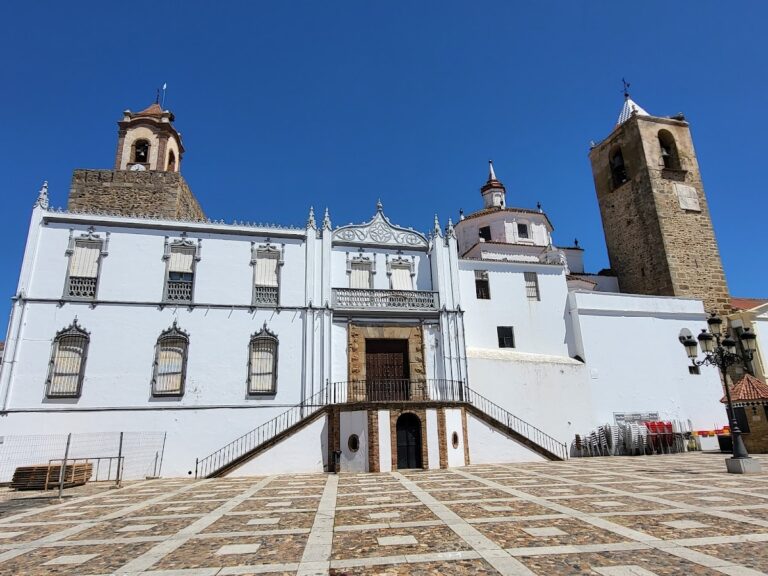
Castillo de Fregenal de la Sierra is a medieval fortress in Badajoz that passed from Templar control to the Council of Seville and was later adapted…
For details on how to use the maps, which sites are included, how popularity and ratings are determined, and how sites are classified, see the help page.
On this page5 sections
Military-order headquarters and communal halls
The Hospitaller Commandery of Saint-Jean-d’Acre, in Israel, preserves large medieval halls beneath later Ottoman buildings. Its southern refectory, used for communal meals, has high rib vaults carried on three massive circular pillars. Fireplaces occupy the end wall, with an adjoining room interpreted as the kitchen.
The service infrastructure survives in considerable detail. A latrine block discharged through pipes into a lower chamber, where water was directed towards the main sewer. Channels carried rainwater down from the roof to help flush the system. These installations show how a large community was housed and supplied within the order’s urban headquarters.
Castles, chapels and residential galleries
At Krak des Chevaliers in Syria, the inner courtyard contains more than defensive walls. A long hall with ribbed vaults opens towards the court through a Gothic loggia, providing a setting for meetings and formal meals. Storage chambers and service rooms occupy other parts of the enclosed complex.
The Hospitaller chapel has a barrel-vaulted interior and an eastern apse. After the Mamluk capture in 1271, it became a mosque, with prayer niches and a pulpit added for its new use. The surviving building therefore records both the religious life of the Hospitaller fortress and its adaptation under later rulers. Parts of the castle, including the chapel, also suffered damage during the Syrian war.
Chlemoutsi, in the Greek Peloponnese, was built in the early thirteenth century for the rulers of the Principality of Achaea. Within its hexagonal inner stronghold, large upper halls retain fireplaces and window recesses with stone seats. Vaulted galleries ran around the central courtyard, creating an enclosed residential arrangement within thick outer walls.
Sockets for the lost timber floors show how the rooms were divided into storeys. The combination of fireplaces, windows and seating makes the accommodation particularly legible, alongside the castle’s gates and defensive enclosure. Ottoman repairs and additions belong to later phases of its use.
Fortified religious complexes
The Castle of Tomar in Portugal retains two irregular wall circuits around its former settlement and upper stronghold. Round and square towers reinforce the walls, whose sloping bases made the foot of the defences harder to attack. The keep and cistern occupy the upper enclosure. These Templar fortifications survive beside the religious buildings later expanded as the Convent of Christ.
At Calatrava la Nueva in Spain, a fortified hilltop complex housed the Order of Calatrava. Its church preserves three broad aisles under brick vaults, with pointed arches leading towards the eastern sanctuaries. The large rose window belongs to a later embellishment of the façade. Around the church, castle walls, stores, cisterns and the remains of convent buildings show how worship and the practical needs of a fortified community were accommodated on the same steep hill.
Brick castles and administrative residences
Nidzica Castle, in Poland, has a rectangular brick enclosure raised on stone foundations. The western range contained the order’s principal rooms, with large pointed windows and Gothic wall paintings surviving in the former refectory. Storage and defensive galleries occupied upper levels, while the gate range contained a chapel.
The building was badly damaged in 1945 and underwent extensive reconstruction in the 1960s. Its present rooms combine restored architecture with conserved medieval painting, preserving the arrangement of a military order’s administrative residence far from the eastern Mediterranean.
Explore the collection
Explore sites on the map or in the grid. Map icons reflect each site’s primary function, helping you identify different kinds of places at a glance. Narrow the results by country, primary function, site type, era or one of the civilizations included in this collection, with additional filters for popularity and rating. Select a map marker to view the site’s details and open its article, or open the article from its grid entry.