Castles in Norway: Explore Artillery Fortresses, Medieval Halls and Timber Residences
Castles in Norway include hilltop artillery forts, medieval residences and later houses with painted rooms and carved wooden façades. This collection covers that broader group, including palaces and manor houses alongside military strongholds. The examples below focus on the buildings within the defences as well as the walls: garrison towers, an archbishop’s hall, royal reception rooms and a Rococo timber residence.
Primary Function: All
Type: All
Civilization: All
Popularity: All
Rating: All
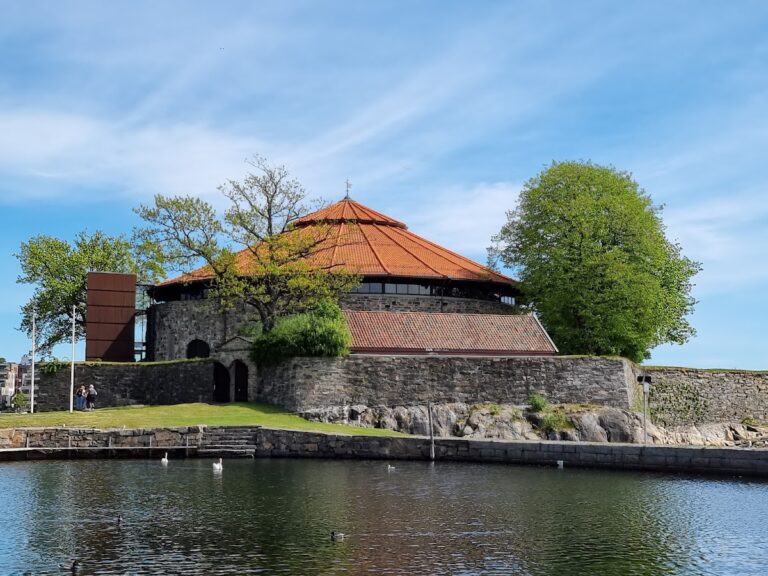
Christiansholm Fortress defended Kristiansand’s harbor from its completion in 1672 until its decommissioning in 1872. Its only military engagement…

Austrått Fort is a preserved German coastal-artillery installation built in Norway in 1942. Its massive naval-gun turret, underground tunnels,…

Steinvikholm Castle was built between 1524 and 1532 by Olav Engelbrektsson, the last Roman Catholic archbishop of Nidaros. It served as a defensive…
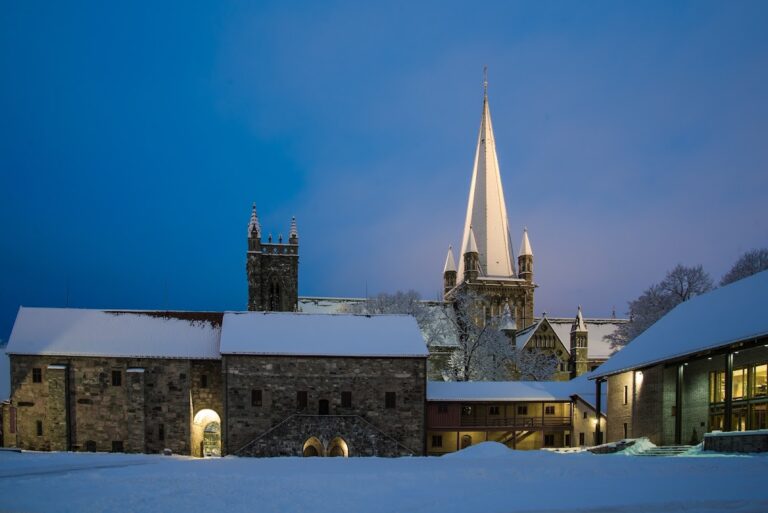
Archbishop's Palace in Trondheim developed from a twelfth-century fortified residence into an administrative, military, and museum complex beside…
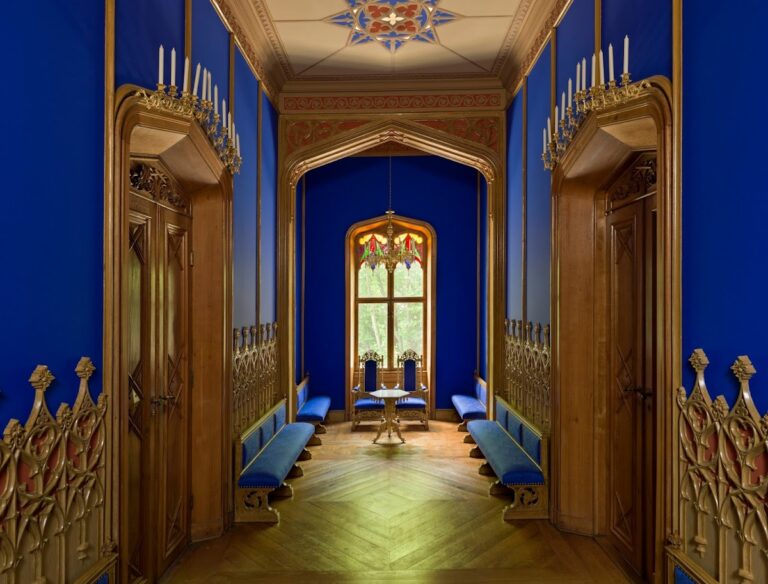
Oscarshall is a nineteenth-century royal pleasure residence on Oslo’s Bygdøy peninsula, built for King Oscar I and Queen Joséphine and later opened…

Bolærne Fort on Østre Bolærne defended the Norwegian Navy’s base at Karljohansvern and formed part of the Oslofjord Fortress. Its history spans the…
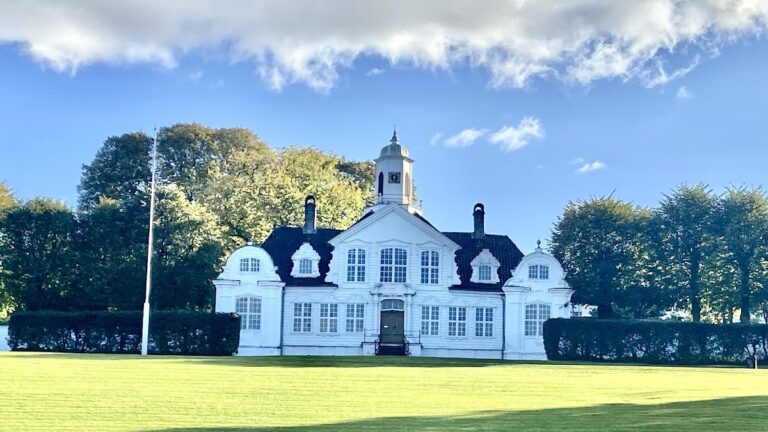
Damsgård Manor in Laksevåg, Bergen, developed from medieval church property into an eighteenth-century Rococo estate and is noted for its preserved…
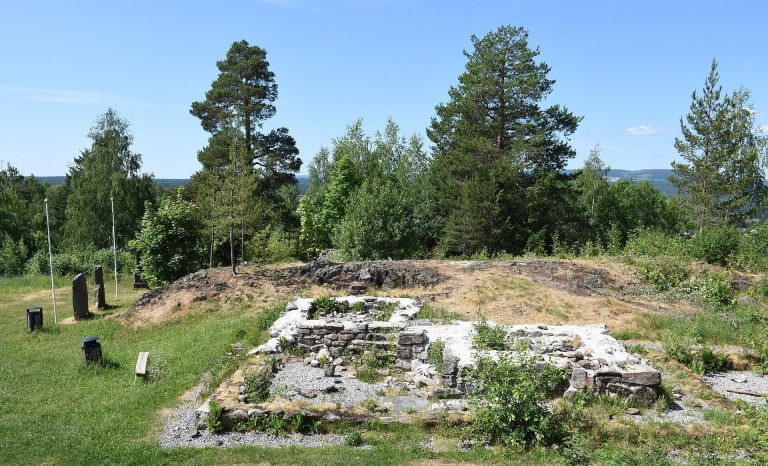
Christiansfjell Fortress was established in 1683 near Elverum and the Swedish border. Although it never saw combat, it formed part of the area’s…
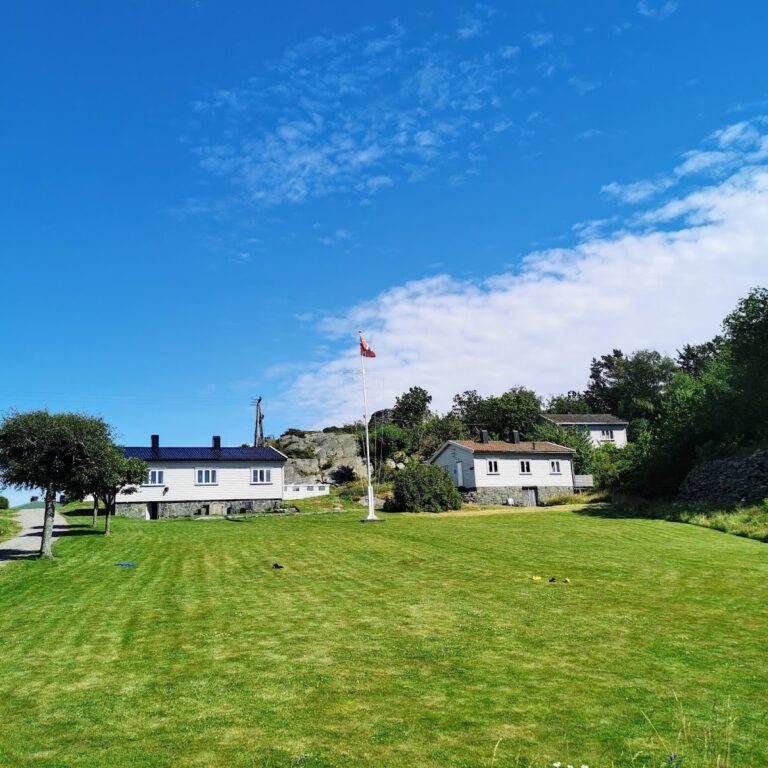
Randøya Fort on Østre Randøya near Kristiansand was built during the Second World War and remained a Norwegian coastal artillery installation until…
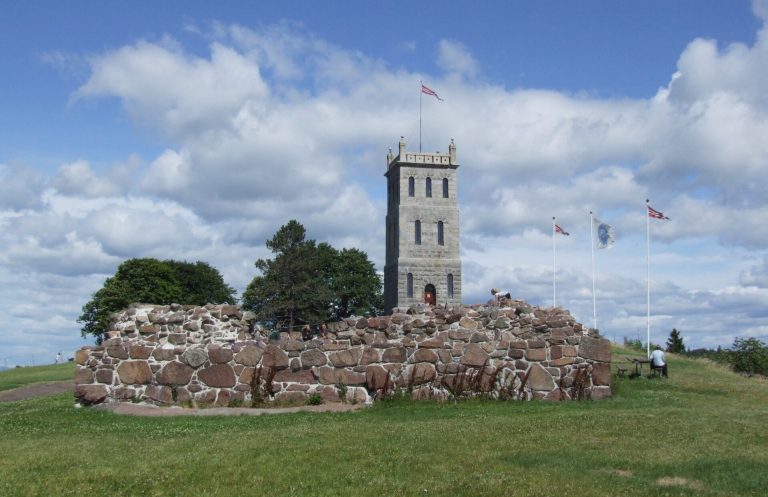
Tønsberg Fortress developed from an early stronghold into a major medieval center of royal power, administration, and defense. Its surviving…
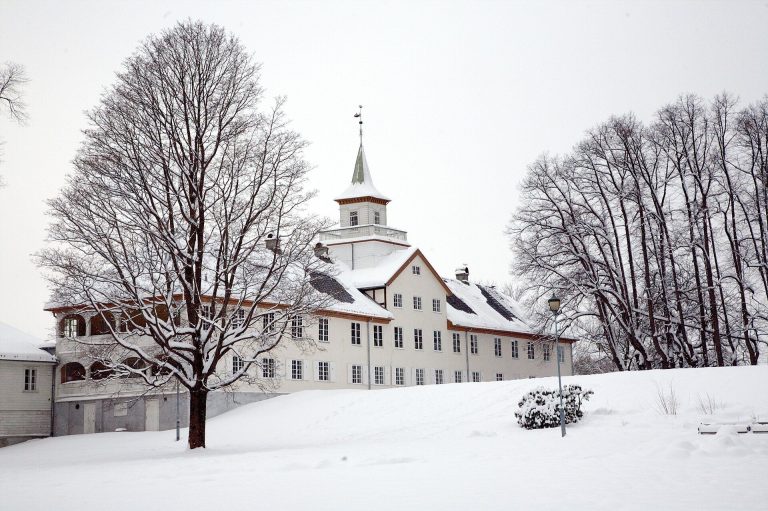
Frogner Manor developed from a medieval agricultural estate into an eighteenth-century country residence and later became part of Frogner Park and…
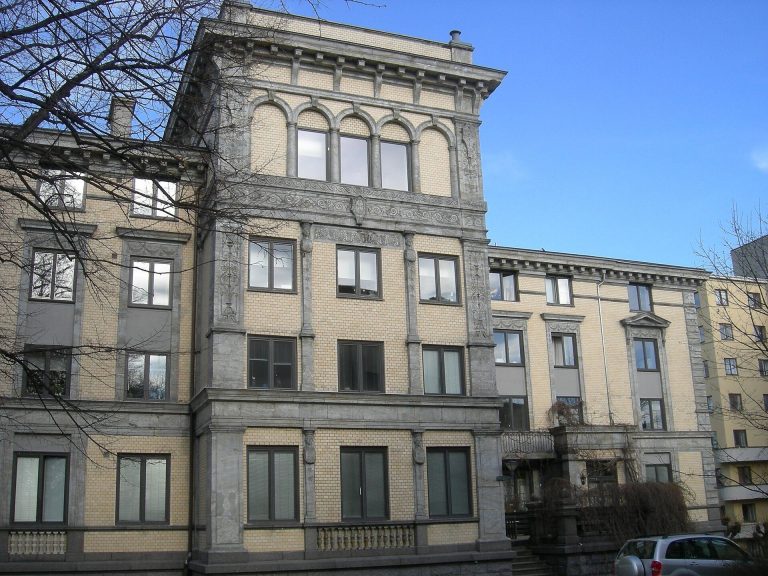
Egeberg Castle was built in Oslo between 1899 and 1901 as the residence of the Egeberg family, and later became an apartment building with 24 homes.
For details on how to use the maps, which sites are included, how popularity and ratings are determined, and how sites are classified, see the help page.
On this page5 sections
Artillery fortresses at Halden and Trondheim
Fredriksten Fortress rises above Halden and its harbour. Built after Denmark–Norway lost Bohus Fortress to Sweden in 1658, it developed into a star-shaped defensive complex with a central citadel. Separate works at Gyldenløve, Overberget and Stortårnet extended the position across the surrounding heights.
The distinction between the central fortress and those outlying works is important to its layout. The garrison defended more than one enclosed courtyard: it held a group of positions above the town. During the 1716 campaign, Swedish forces occupied Halden but failed to capture Fredriksten.
At Kristiansten Fortress in Trondheim, a four-storey square artillery tower forms the centre of the defences. It accommodated guns, quarters and stores within the same building. The fort was placed on the eastern hill after the city fire of 1681, protecting a direction inadequately covered by the older river defences. Later bastions and vaulted protective chambers strengthened the perimeter against artillery attack.
The Archbishop’s Palace: a hall above vaulted rooms
The Archbishop’s Palace in Trondheim occupies a courtyard complex beside Nidaros Cathedral. Its north wing contains a medieval hall and former private apartments. A reconstructed external double staircase follows evidence for the earlier approach to the hall, while vaulted rooms occupy the level beneath it.
Military use changed these spaces considerably. Large windows were blocked and extra flooring inserted when the hall became a store for grain and gunpowder. Fire and rebuilding further altered its height. The restored ceremonial room therefore contains several phases of construction, and modern museum buildings elsewhere in the courtyard replace structures lost in a later fire. The medieval wing remains the principal surviving part of the earlier residence.
Painted reception rooms at Oscarshall
Oscarshall stands beside Frognerkilen on Oslo’s Bygdøy peninsula. The white Gothic Revival residence has a tall tower and a park extending towards the fjord. Its main building, secondary structures and pavilion were arranged as a royal retreat.
Norwegian artists and craftspeople supplied its interiors. The dining room contains paintings by Joachim Frich, Adolph Tidemand and Hans Gude, while the drawing room’s decoration and furniture evoke an older Norwegian guildhall. Modern restoration returned colours and furnishings to their nineteenth-century scheme. The towered exterior thus encloses rooms designed for reception and leisure, rather than the gun positions found in the military forts.
Damsgård Manor: a wooden Rococo façade
Damsgård Manor near Bergen is a timber residence with a U-shaped plan. Its elaborate façade faces the maritime approach to the city and makes the house appear larger than its actual volume. Painted false windows maintain symmetry on parts of the garden-facing exterior.
At the entrance, columns rest on curved bases beneath broken pediments. Inside, the reception hall has a marble floor and painted scenes above the doors, including ships and coastal places. The Blue Room retains a tiled stove and decorative wall coverings associated with the house’s residential history. Conservation preserved older fabric while presenting rooms from different periods, rather than imposing one uniform date on the whole interior.
Explore the collection
Explore sites on the map or in the grid. Map icons reflect each site’s primary function, helping you identify different kinds of places at a glance. Narrow this collection by primary function, by a site type within the castle and residence group, or by civilization and era. Additional filters cover popularity and rating. Select a map marker to view the site’s details and open its article, or open the article from its grid entry.