Castles in Israel: Explore Crusader Fortresses, Coastal Towers and Cliff Strongholds
Castles in Israel include concentric Crusader enclosures, long strongholds fitted to narrow ridges, coastal forts and defensive buildings inserted into cliff caves. Substantial walls, vaulted halls and gateways remain at several sites, even where roofs and upper floors have disappeared. Later rebuilding also turned parts of older castles into fortified residences.
This map uses the wider castle and fortification group. The examples below focus on the surviving structures and the layouts they preserve, from a regular fortress above the Jordan Valley to a much less conventional system of walled caves at Arbel.
Primary Function: All
Type: All
Civilization: All
Popularity: All
Rating: All
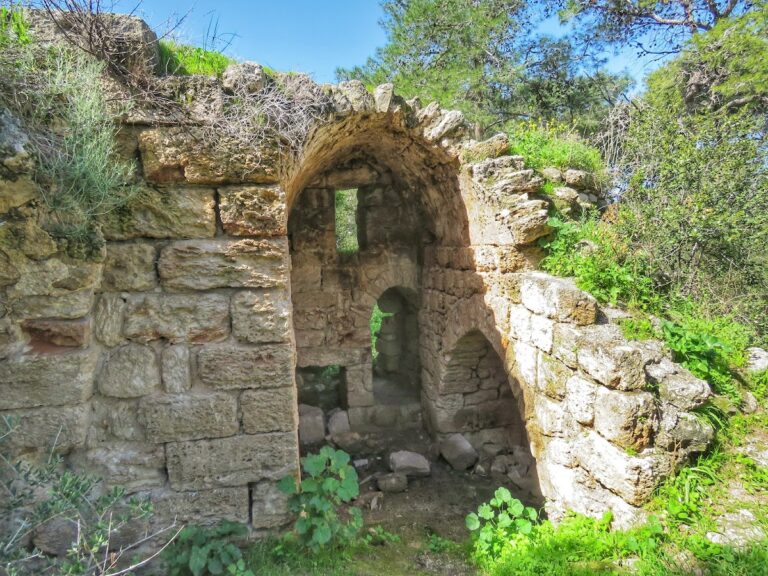
Khirbet Rushmiya is a hilltop archaeological site in Haifa with evidence of Bronze Age use, Roman and Hasmonean remains, and a Crusader road fortress…

En Hazevah preserves Judahite fortresses, a Nabataean caravanserai, and a Roman frontier fort beside an important spring in Israel’s central Aravah.
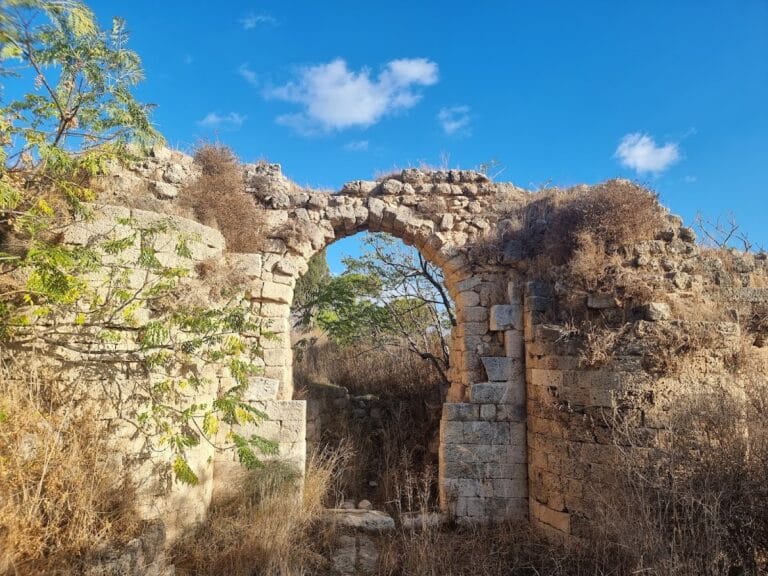
Cafarlet is a ruined coastal fortress at HaBonim, associated with Muslim, Crusader, Mamluk, and later village phases. Its uncertain origins,…
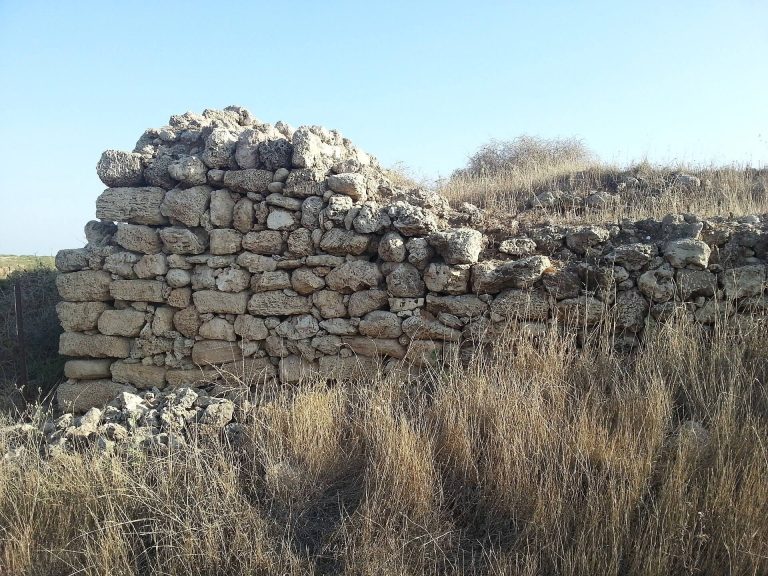
Tel Michal near Herzliya preserves evidence of settlements, forts, temples, industrial activity, burials, and coastal trade from the Middle Bronze…
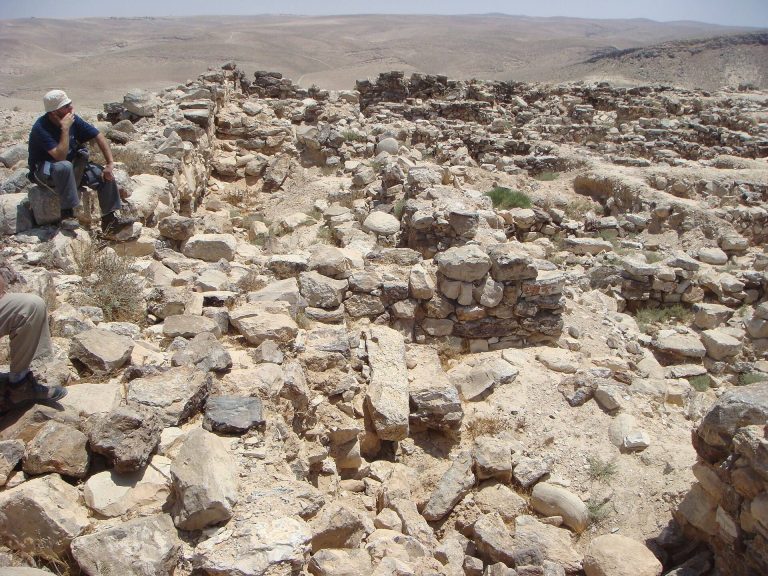
Horvat Uza is a fortified archaeological site above Nahal Qinah, where Judahite, Edomite, Hellenistic, Nabataean, and Roman phases controlled an…
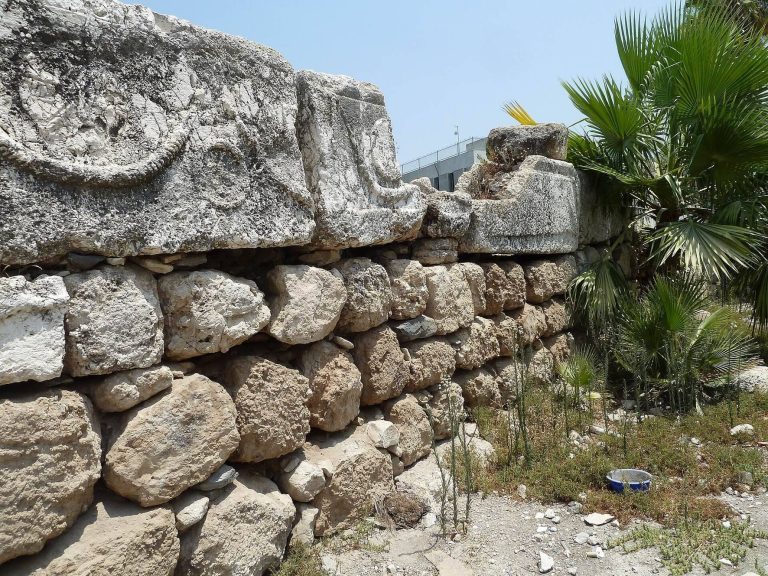
Tel Afula is a settlement mound in central Afula with occupation layers spanning several thousand years, from the late Chalcolithic period to the…
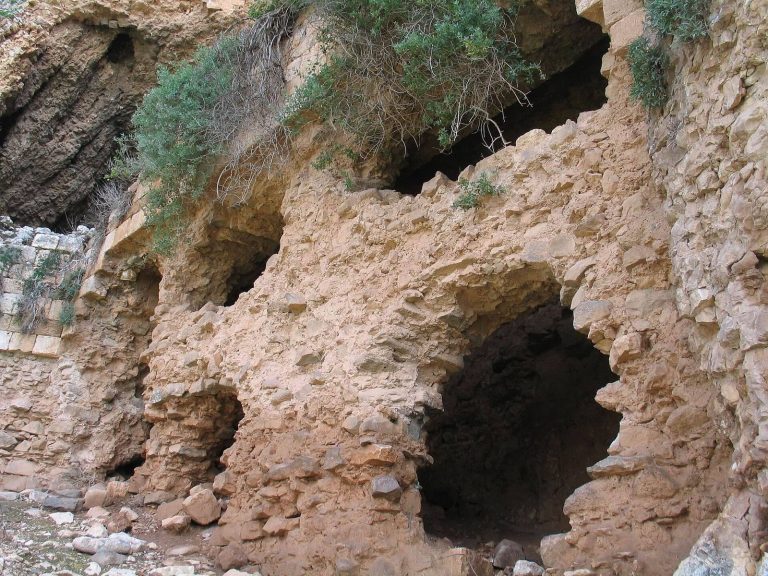
Arbel Fortress and Caves preserves a long history of habitation, refuge, and defense in the cliffs of Mount Arbel, from prehistoric use to the…
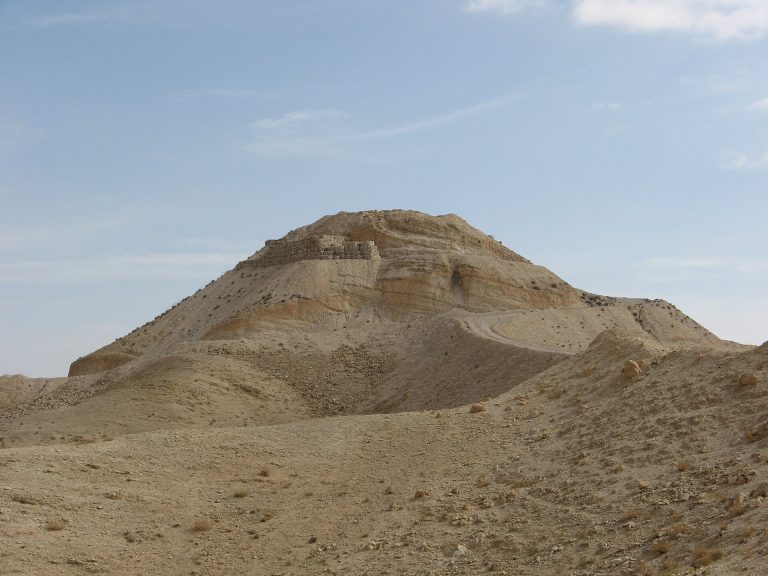
Cypros was a desert fortress-palace above Wadi Qelt near Jericho, rebuilt and enlarged by Herod the Great before its destruction during the Jewish…
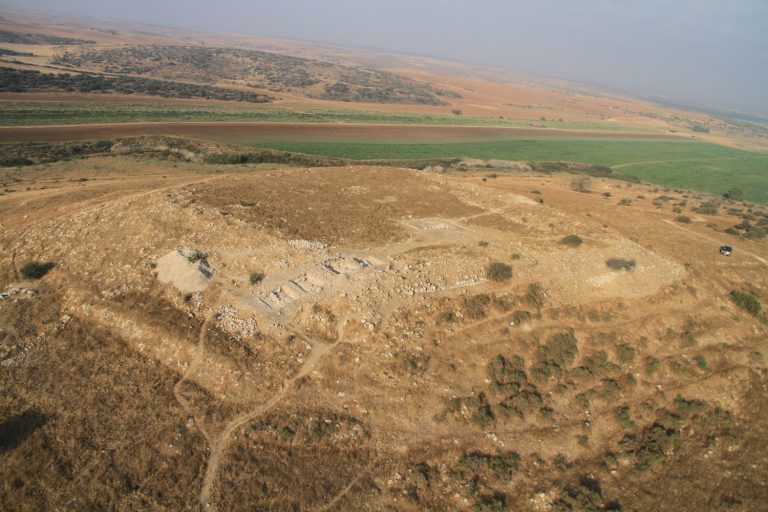
Tel Burna is a long-occupied archaeological site near Nahal Guvrin, associated with Judah’s frontier with Philistia and noted for its Iron Age…
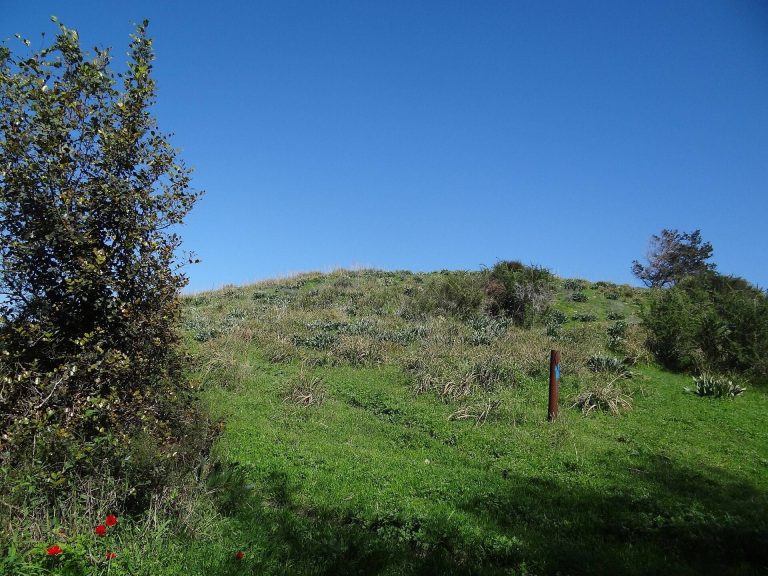
Tel Mevorakh is a small settlement mound near Nahal Taninim in Israel, occupied from the Middle Bronze Age through later periods. Its remains include…
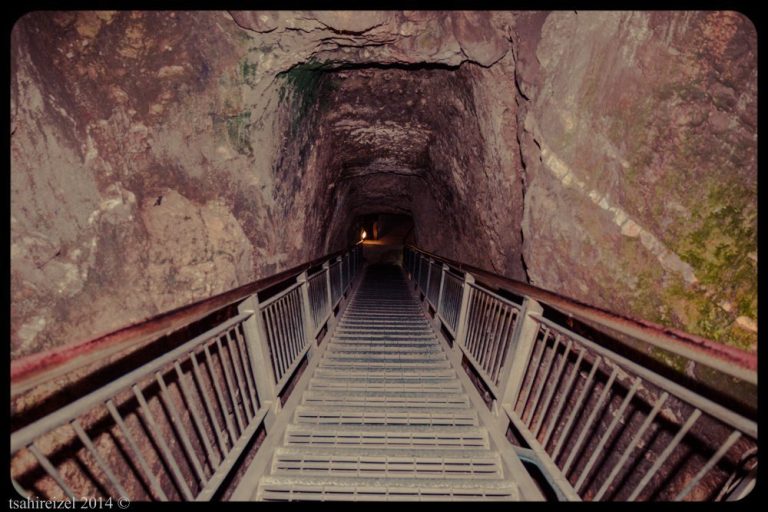
Tel Jezreel preserves evidence of an ancient settlement, a ninth-century BCE fortress of the Northern Kingdom of Israel, and later Byzantine,…
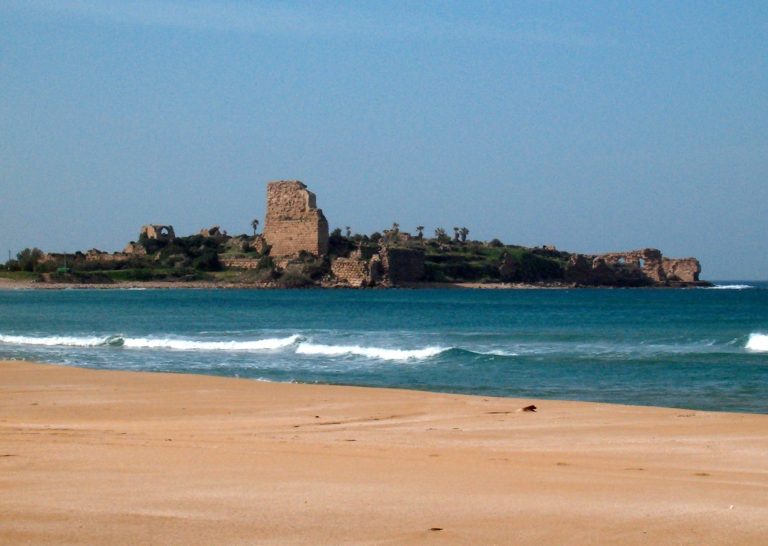
Château Pèlerin was a major Templar fortress built on a Mediterranean promontory during the Fifth Crusade. Its remains preserve extensive medieval…
For details on how to use the maps, which sites are included, how popularity and ratings are determined, and how sites are classified, see the help page.
On this page5 sections
Concentric fortresses and ridge castles
Belvoir Fortress has a nearly square outer enclosure surrounding a smaller inner stronghold. A deep dry moat protects three sides; the steep eastern slope supplies a natural obstacle on the fourth. Dark basalt and pale limestone distinguish parts of its substantial masonry.
The outer walls incorporated vaulted rooms used for storage and other practical needs, with a fighting walk above and lower firing openings through the wall. Towers projected beyond the perimeter so defenders could cover its faces. The entrance route changed direction before reaching the inner gate, adding a further obstacle to the sequence of defences.
Montfort Castle uses a very different arrangement. Its buildings step along a narrow ridge above Nahal Kziv, with a large D-shaped tower at the vulnerable eastern end. Dry ditches cut the approach where the ridge joins higher ground.
Residential and administrative buildings extend westward along the spur. Two tall vaulted halls survive at the lower end, while other floors and rooms remain less complete. The ridge dictated this long, restricted plan; Belvoir had room for a much more regular system of nested enclosures. Both preserve substantial evidence of how accommodation and defence were fitted together.
Ashdod-Sea: coastal towers and defended gates
Ashdod-Sea Fortress forms a rectangular enclosure built from kurkar, the local coastal sandstone. Round towers flank its land and sea gates, with additional towers strengthening the perimeter. A moat protected the landward approach.
Rooms around the central courtyard served the garrison, with wells and a bathhouse supplying water and washing facilities. The surviving walls and towers define the fort more clearly than its partly exposed internal rooms. Weathering, damage and conservation are visible in the masonry, so the enclosure should be understood as a substantial archaeological ruin rather than a complete roofed building.
Migdal Afek: Crusader castle and Ottoman manor
Migdal Afek stands above the narrow Aphek Pass. Its surviving complex combines a Crusader castle with Ottoman-period additions and a nineteenth-century fortified manor house. The western tower preserves particularly clear medieval construction, while later work partly overbuilt the earlier enclosure.
A Greek-inscribed lintel was reused above a doorway, giving one small part of the building a date earlier than the castle itself. The adjoining room later served as a stable and fodder store. The principal architectural interest remains the substantial castle and manor masonry, with reused stone and changing room functions recording alterations within it.
Arbel: cliff caves and built fortifications
Arbel Fortress and Caves incorporates natural cavities in the northern face of Mount Arbel. Defensive walls with vaulted sections close parts of the cliff, and stairs connect rooms, entrances and passages across several levels. Cisterns and channels supplied water to the enclosed spaces.
The caves have a long history of refuge and occupation, but the substantial fortress associated with the visible later works is attributed to the Ottoman period. The entire masonry complex should therefore not be assigned to the ancient episodes recorded at the caves. Its combination of hewn spaces, built walls and vertical circulation offers a distinct form of fortified accommodation within this collection.
Explore the collection
Explore sites on the map or in the grid. Map icons reflect each site’s primary function, helping you identify different kinds of places at a glance. Narrow this collection by primary function, by a site type within the castle and residence group, or by civilization and era. Additional filters cover popularity and rating. Select a map marker to view the site’s details and open its article, or open the article from its grid entry.