En Hazevah: A Multi-Period Archaeological Site in Israel


Site at a Glance
- Rating
- 4.3
- Popularity
- Low
- Country
- Israel
- Primary era
- Classical
- Eras represented
- Iron Age, Classical
- Civilizations
- Israelite, Nabataean, Roman
- Site type
- Military
- Remains
- Fort
On this page9 sections
History
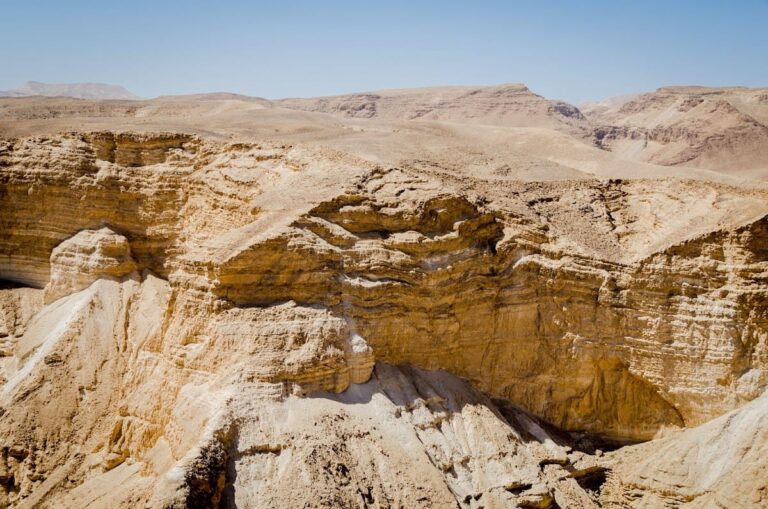
En Hazevah is an archaeological site in Israel whose earliest fortresses were built by the Judahites, the people of the ancient kingdom of Judah. Beside the Hazeva Spring in the central Aravah, south of the Dead Sea, it is identified with Tamar, a biblical site mentioned in 1 Kings 9:17–18. The spring made this location an important stopping place in an otherwise arid region.
Judahite and Edomite Phases
The site preserves evidence of two Judahite fortresses. Although the fortifications belonged to Judahite settlement, religious activity associated with the Edomites, an ancient people connected with the region southeast of Judah, is also represented by idols discovered at En Hazevah. Reconstructed examples of these idols are displayed at the Israel Museum.
Nabataean and Roman Use
During the Nabataean period, En Hazevah functioned as a caravanserai, a fortified stopping place where travelers, merchants, and caravan animals could rest and obtain water and supplies. The Nabataeans were an ancient Arabian people whose kingdom controlled major desert trade routes, including the incense routes east and south of the Mediterranean.
After Rome annexed the Nabataean Kingdom, the site became a Roman fort within the Limes Arabicus, the frontier system that protected the empire’s southeastern desert boundary through forts, roads, and related installations. A Roman road running along the Scorpion Ascent, the ancient route from the Aravah toward the Negev plateau, connected En Hazevah with Mamshit and is believed to have belonged to the same period. The site was later abandoned by the eighth century.
Excavation and Names
An Israeli archaeological expedition excavated En Hazevah in the 1980s, revealing six stratified archaeological layers and numerous finds. Partial restoration followed the excavations. The site’s name is linked to the nearby spring, which appears in Greek texts as Eisebon and is also associated with the Arabic name Ein Husub.
Remains
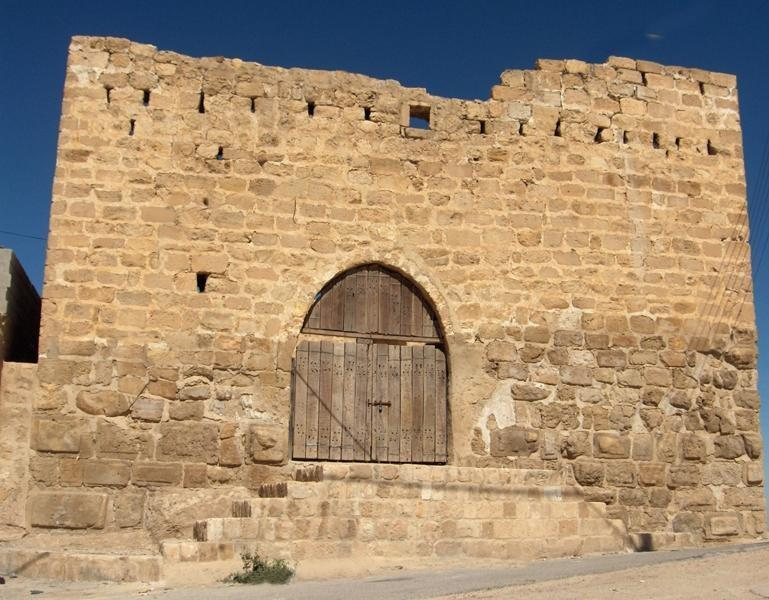
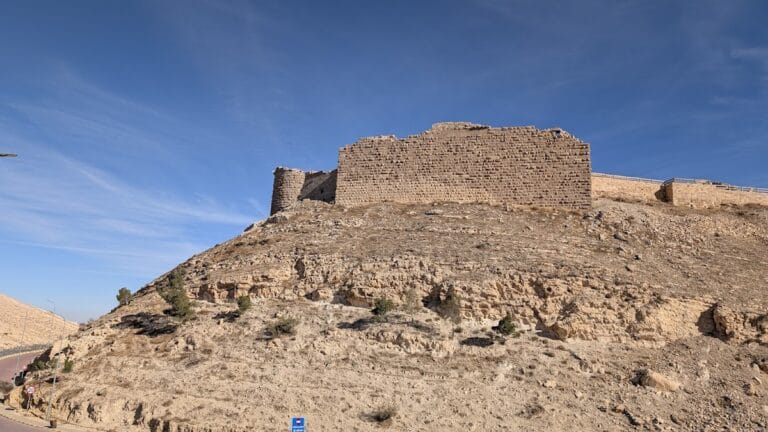
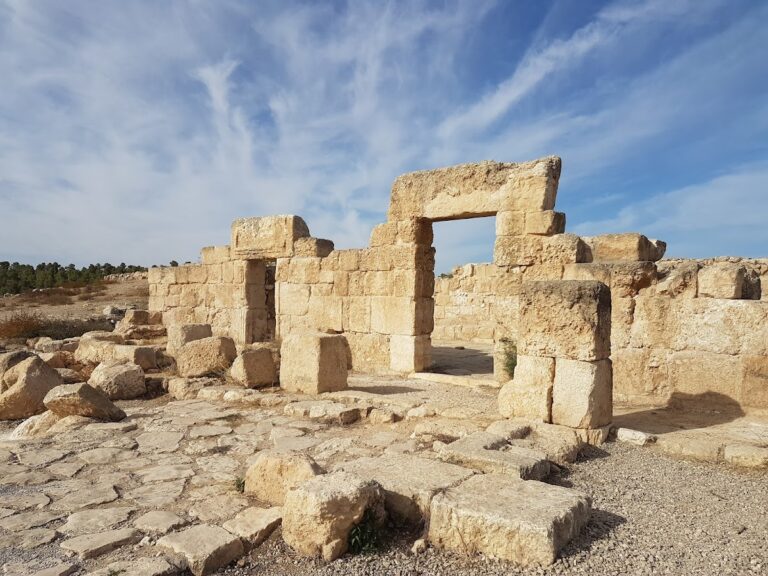
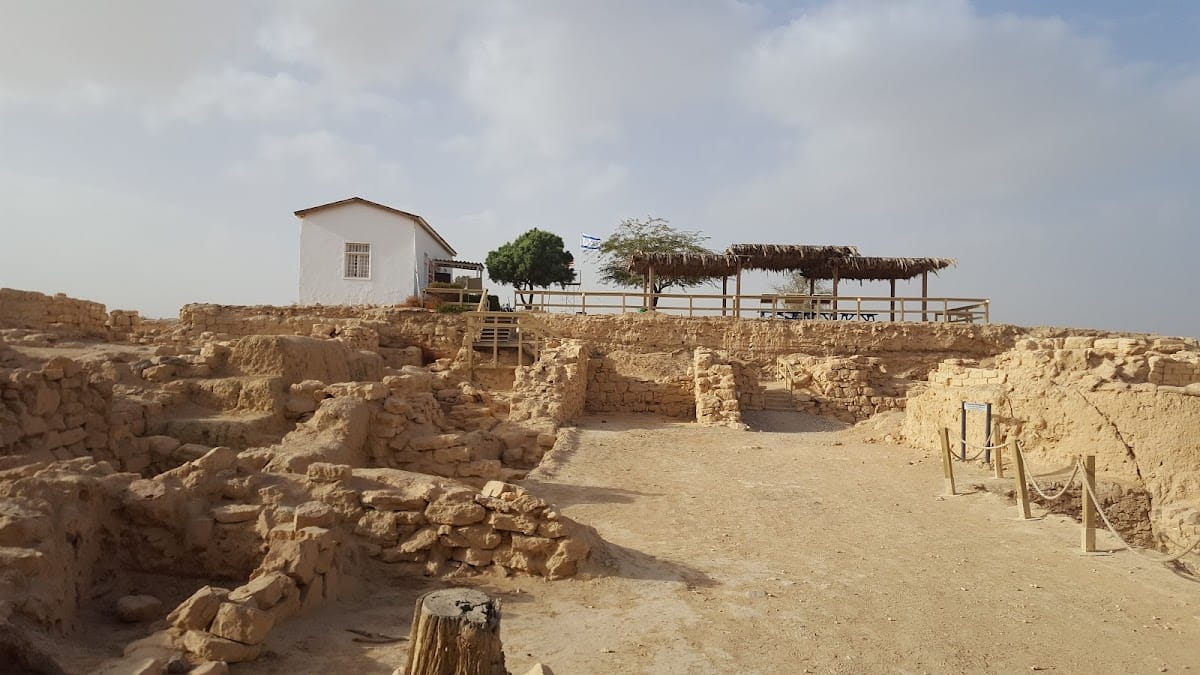
En Hazevah lies beside the Hazeva Spring, a rare and unusually important water source in the Aravah. Its remains preserve a sequence of fortified and commercial installations, extending from two Judahite fortresses through a Nabataean caravanserai to a later Roman fort. Six archaeological strata reflect the successive occupation of the site, and parts of the ruins were restored after excavation.
Judahite Fortresses
Two Judahite fortresses form the earliest major architectural remains at En Hazevah. Their position beside the spring reflects the physical importance of controlling and using this dependable water source in the arid landscape. Finds from the excavated layers, including reconstructed Edomite idols now displayed at the Israel Museum, also preserve evidence of religious activity connected with the site.
Nabataean Caravanserai
The Nabataean remains include a caravanserai, a fortified resting place for people, animals, and trade caravans. Its location beside the spring suited the needs of travelers using the northern path of the incense route, linking water supply with movement through the desert.
Roman Frontier Complex
The later Roman complex included a fort and a bathhouse. It was connected to the Roman road along the Scorpion Ascent, which led from En Hazevah toward Mamshit and continued the site’s relationship with the Negev plateau. The fort formed part of the Limes Arabicus frontier system, while the surviving remains and partial restoration reflect the site’s later archaeological presentation.
Spring and Tamarisk
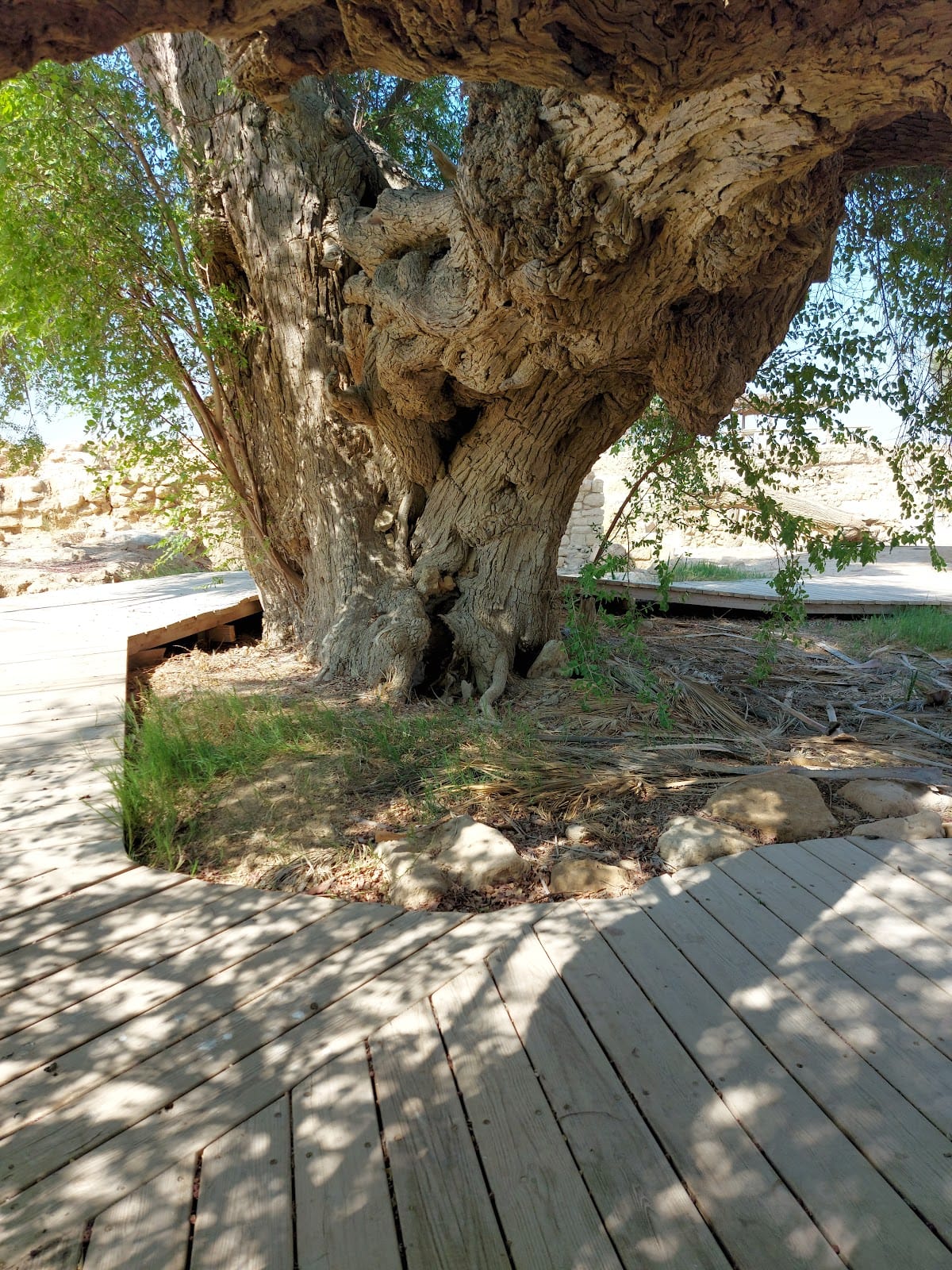
The ancient spring remains a defining feature of the site’s setting. A tamarisk tree stands beside it and is traditionally said to be about 300 years old. It has also been described as possibly the oldest tree in the Aravah.