Nabataean Sites: Explore Rock-Cut Tombs and Desert Cities
Nabataean remains combine carved sandstone monuments with the buildings and waterworks of desert settlements. The collection includes Petra, Hegra and towns of the Negev. Several places continued to develop after the Nabataean kingdom ended, and their articles separate those later phases from the surviving Nabataean work.
Primary Function: All
Type: All
Country: All
Popularity: All
Rating: All
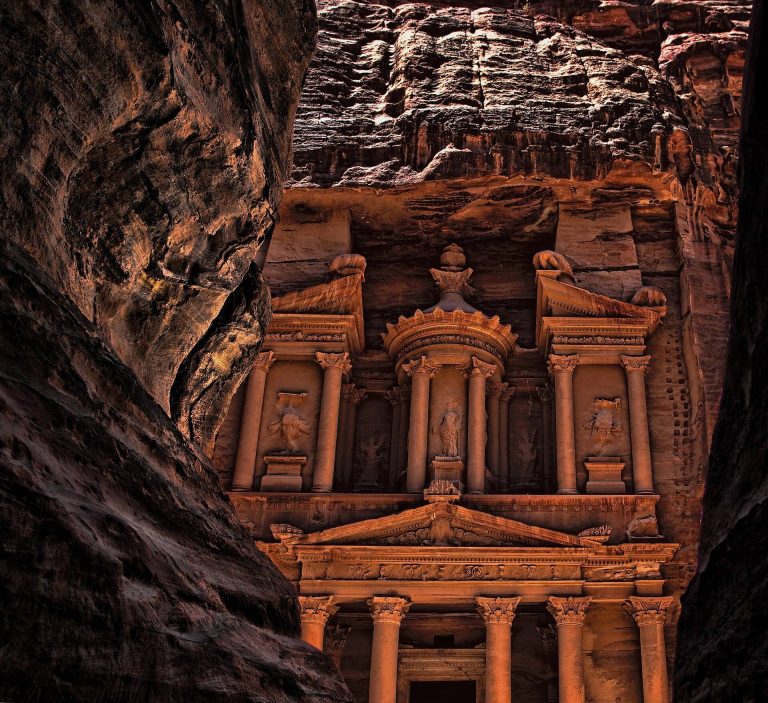
Petra was the capital of the Nabataean Kingdom and a major centre of caravan commerce, religion, and water management. Its rock-cut monuments, Roman…
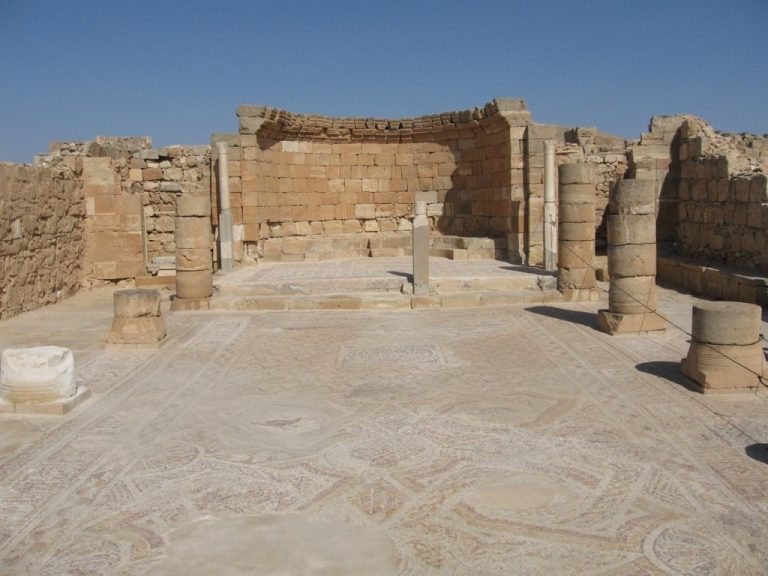
Mamshit was a Nabataean caravan station, agricultural center, and later Roman frontier settlement in the Negev. Its remains preserve fortified…

Marid Castle in Dumat al-Jandal is a historic fortress and former seat of government with Nabataean archaeological layers, later Islamic use, and a…
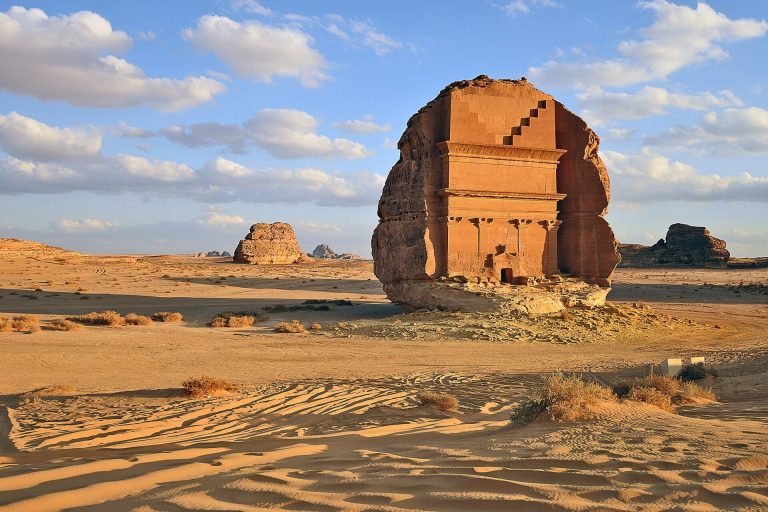
Qasr al-Farid is a first-century Nabataean tomb at Hegra in Saudi Arabia, known for its isolated sandstone monolith, exceptionally tall façade,…
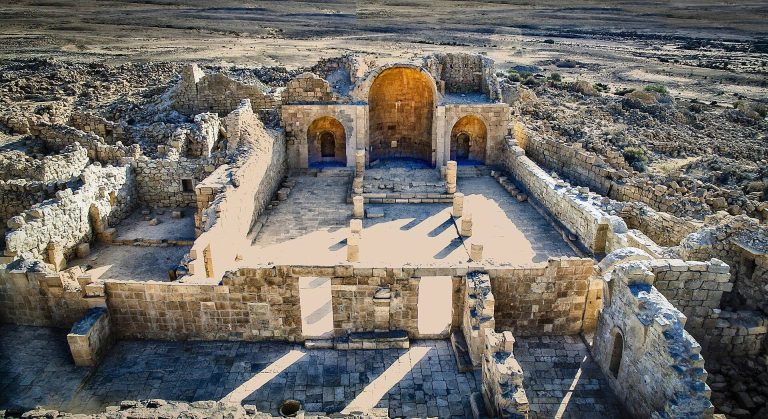
Shivta is an ancient desert settlement in the Negev that developed from a Nabataean foundation into an agricultural and monastic center during the…
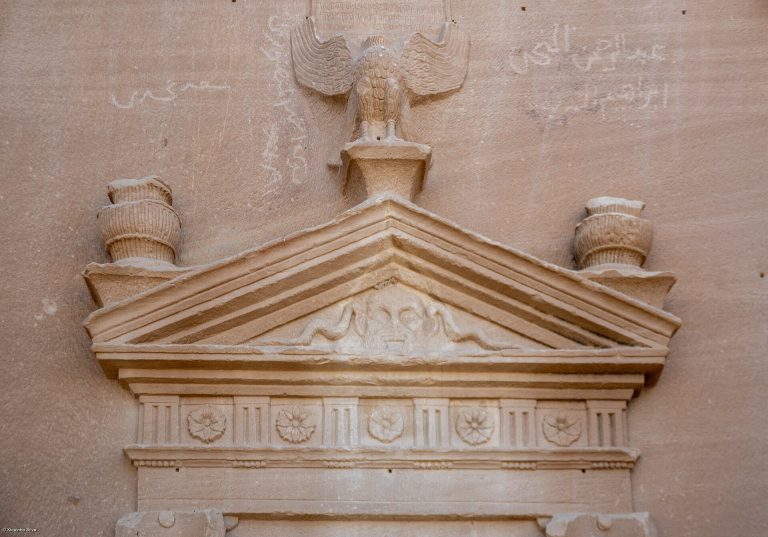
Hegra, also known as Al-Hijr and Mada'in Salih, was a major Nabataean caravan centre and later a Roman civic and military settlement. Its rock-cut…

En Hazevah preserves Judahite fortresses, a Nabataean caravanserai, and a Roman frontier fort beside an important spring in Israel’s central Aravah.
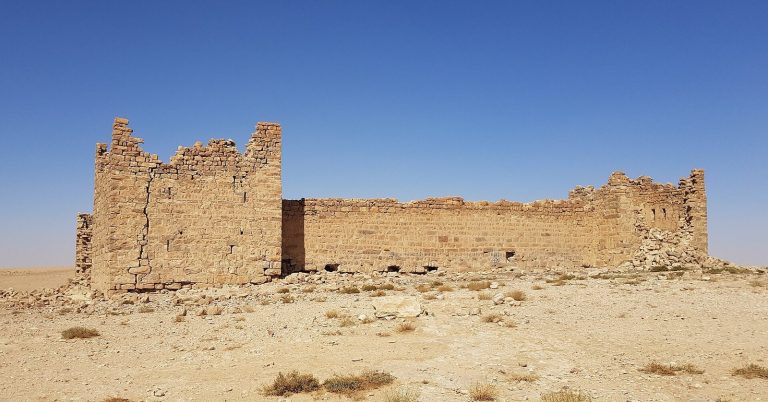
Qasr Bshir is a late Roman military fort on the eastern frontier of the province of Arabia. Built during the Tetrarchy, it controlled movement,…

As Suwayda National Museum traces the history of Syria’s basalt-rich southern region through archaeological collections from prehistoric, Nabataean,…
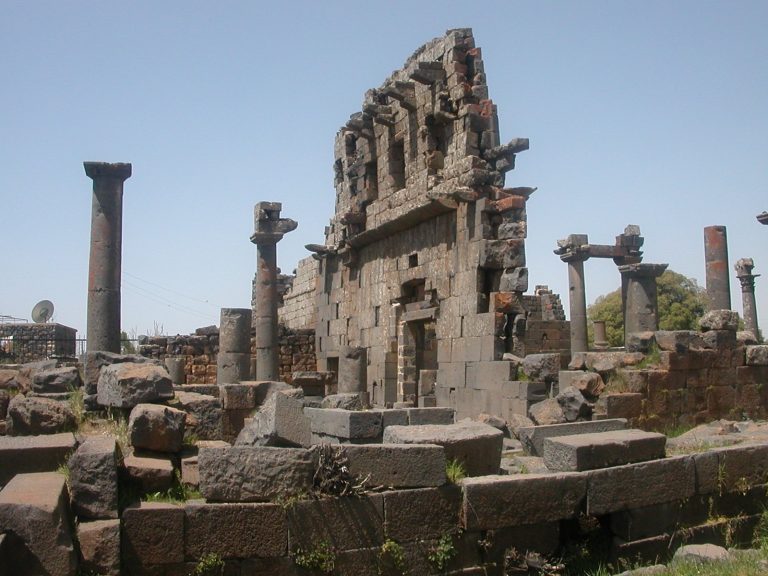
Qanawat in southern Syria developed from an early settlement into the Hellenistic-Roman city of Canatha, a Christian episcopal center and later an…
For details on how to use the maps, which sites are included, how popularity and ratings are determined, and how sites are classified, see the help page.
On this page5 sections
Petra’s rock-cut monuments and water channels
Petra occupies a sandstone basin in southern Jordan. Tomb façades were cut directly into the cliffs, while temples and other buildings occupied the valley floor. The narrow Siq formed a principal approach, with channels along its sides conveying water toward the city.
The carving and engineering belong to the same densely modified landscape. Cisterns, conduits and dams managed water among the ravines, while rock-cut steps and paths reached monuments above the central valley. Petra also contains substantial Roman and Byzantine construction; the later churches and alterations to the urban center retain their separate dates.
Tomb façades and burial chambers at Hegra
At Hegra in Saudi Arabia, monumental tombs were carved into isolated sandstone outcrops around an oasis settlement. Their façades combine stepped upper forms, pilasters, cornices and framed entrances. Inscriptions on many tombs identify owners and establish rules concerning burial and possession.
The external architecture gives each tomb a public face, while chambers behind the entrances accommodated the dead. Wells and the remains of the settlement place these monuments within an inhabited oasis rather than an isolated funerary landscape. Hegra’s surviving inscriptions also make it possible to connect particular tombs with named people and dates.
Courtyard houses at Mamshit
Mamshit in the Negev developed as a Nabataean settlement on routes linking Petra with the Mediterranean. Its stone buildings preserve courtyards, arches, stairs and rooms belonging to large household compounds. Some late Nabataean houses used a single entrance and largely closed outer walls, with their activities organized around interior courts.
The settlement continued under Roman and Byzantine rule. Churches and other later structures form a substantial part of the standing remains, so they should be distinguished from the earlier residential phases. The excavated houses provide a useful counterpart to the tomb architecture at Petra and Hegra.
Shivta’s later desert town
Shivta has Nabataean roots, but its extensive visible town belongs mainly to the Byzantine period. Streets pass between courtyard buildings and lead toward reservoirs and church complexes. Houses around the perimeter formed a continuous boundary in place of a separate defensive circuit.
Its inclusion follows the longer history of settlement in the Nabataean desert region. The standing churches are Byzantine, and the town plan should not be presented as an intact Nabataean city. The article explains this development and the water storage on which the later community depended.
Explore Nabataean places
Use the country and building-type filters to compare rock-cut monuments, cities and other entries. Map markers and grid entries open the articles, including the distinction between Nabataean foundations and later construction.