Sacile Cathedral: A Renaissance Cathedral in Italy


Site at a Glance
- Rating
- 4.4
- Popularity
- Low
- Country
- Italy
- Primary era
- Medieval
- External website
- Open
- Eras represented
- Medieval, Early Modern, Modern
- Civilizations
- Venetian
- Site type
- Religious
- Remains
- Cathedral
On this page6 sections
History
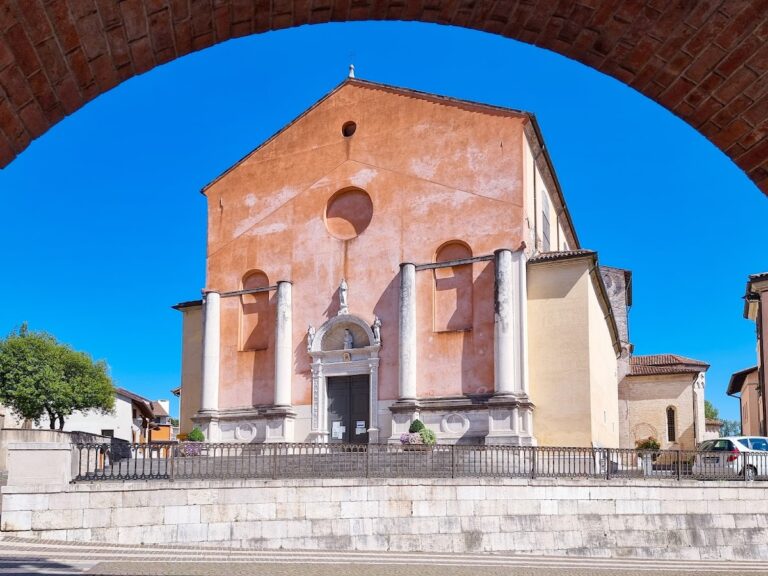
Sacile Cathedral is a Renaissance cathedral in Sacile, Italy, dedicated to Saint Nicholas, the Christian saint associated with charity, sailors, merchants, and the origins of the Santa Claus tradition. It belongs to the Diocese of Vittorio Veneto and the Sacilese deanery. Built between 1474 and 1496, it follows Venetian architectural models linked particularly with the work of Mauro Codussi, whose buildings helped shape the classical language of the Venetian Renaissance.
The Earlier Church and Fifteenth-Century Rebuilding
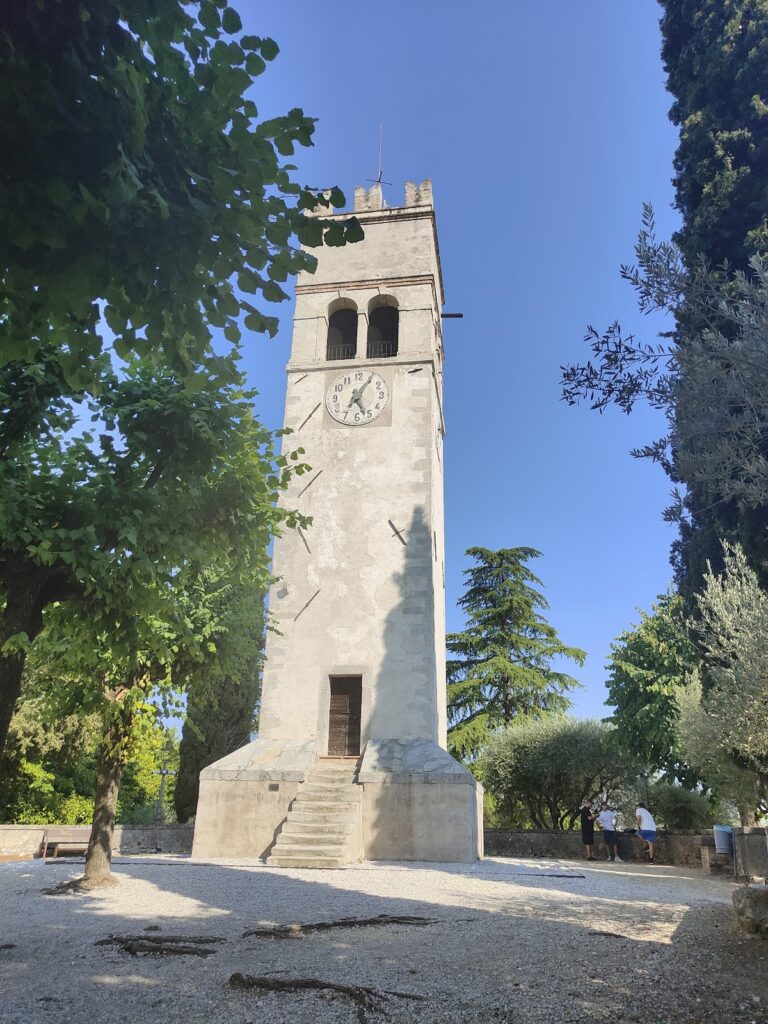
A church already occupied the site in the ninth century. Enrico, count of the March of Friuli, commissioned the earlier building, which was enlarged in 1298. The present cathedral replaced that structure in the late fifteenth century. Beltrame da Como and Vittorio da Como carried out the construction, while Giovanni da Pordenone designed the bell tower. The new building reflects the architectural culture of Renaissance Venice, especially in the treatment of its facade.
Alterations and Restoration
The interior was adapted during nineteenth-century works, and a vaulted ceiling was completed in 1836. Renovation after the earthquake of 1936 led to the removal of that ceiling. Further earthquake damage occurred in 1976, after which the cathedral was completely restored in its original fifteenth-century forms. A memorial plaque also preserves the memory of David, the son of the Ottoman sultan Murad II, who was buried in the cathedral in 1454 after converting to Christianity and leaving his father and homeland.
Remains
Building and Interior
The cathedral is a Renaissance structure with a facade shaped by Venetian models associated with Mauro Codussi. Inside, three aisles divide the church into longitudinal spaces alongside the central part of the building. Pointed arches organize the interior, while the roof is supported by trusses. The bell tower, designed by Giovanni da Pordenone, forms part of the cathedral complex. The plaque commemorating David’s burial is set into the entrance wall.
Paintings and Frescoes
Late-fifteenth- and early-sixteenth-century frescoes show busts of prophets and sibyls. Giovanni Battista da Udine and A. Zago made them under the influence of Tuscan prototypes. They originally stood beneath the central roof trusses, but after being detached they were transferred to the chapel beside the left aisle.
Among the cathedral’s paintings is a canvas by Francesco Bassano showing the Madonna with the infant Jesus between Saint John the Baptist and Saint Anthony the Abbot, together with Saint Nicholas enthroned between the archangel Michael and Saint George. Jacopo Palma the Younger painted an altarpiece dedicated to the Madonna of the Rosary. The apse, the curved or polygonal end of the sanctuary, is covered by a wall-fresco cycle by Pino Casarini, completed in 1946.
Nearby sites