Château de la Flambelle: an Eighteenth-Century Aristocratic Residence


Site at a Glance
- Rating
- 3.2
- Popularity
- Very Low
- Country
- France
- Primary era
- Early Modern
- Eras represented
- Early Modern
- Civilizations
- French
- Site type
- Domestic
- Remains
- Elite Residence
On this page7 sections
History
Eighteenth-century origins
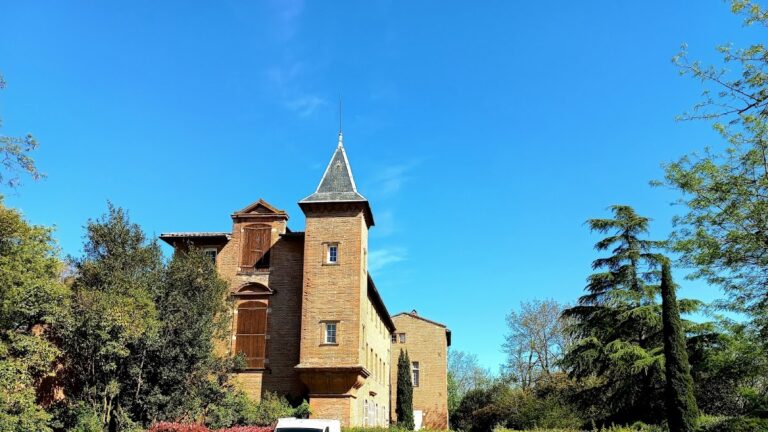
Château de la Flambelle is an eighteenth-century aristocratic residence in Toulouse, France, built during the 1740s by Jean Roux-Guy de la Flambelle. It stands in the Purpan district, where a manor had occupied the site before the present château was constructed.
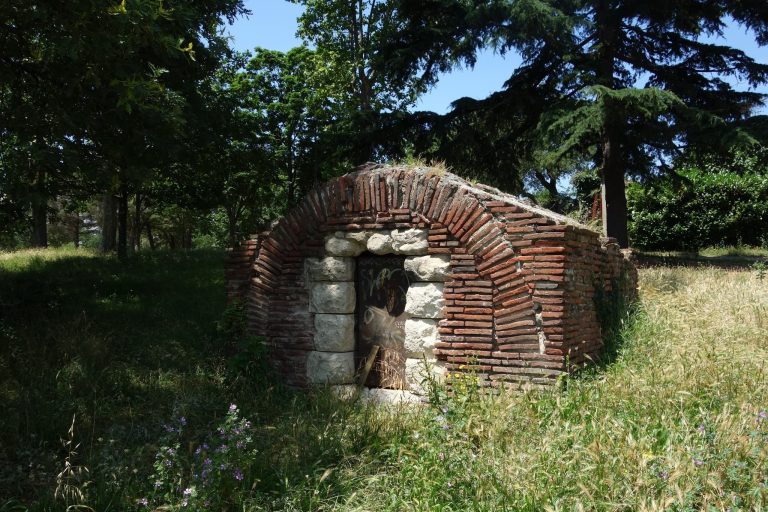
The residence formed part of a property that also included an older dovecote. This building began as a mill and was later converted to house domestic pigeons, giving the estate a feature that predates the château itself.
Ownership, abandonment, and redevelopment
The Pourailly family owned the château from 1928. After the property was abandoned in the early 2010s, squatters set it on fire in 2015, and the blaze partially destroyed the roof.
In April 2017, the developer Tagerim submitted a building permit for a plan to convert the château into the Tagerim Foundation, an exhibition venue, with a hotel residence for professionals and students around it. Legal appeals by local residents delayed the project for many years, and renovation finally began in 2024.
Remains
The surviving estate consists of the château and its associated dovecote, an earlier building later adapted to a different function. The residence dates from the eighteenth century, while the dovecote dates to 1670. Architectural ornamentation on the château is attributed to Virebent.
Principal buildings
Château
The château is an eighteenth-century aristocratic residence whose roof was partly destroyed by the 2015 fire. Its architectural ornamentation is attributed to Virebent, and renovation of the building began in 2024 after the redevelopment project had been delayed by legal appeals.
Dovecote
The dovecote is a former mill converted into a building for domestic pigeons. Dating to 1670, it predates the château and has an octagonal dome. Dormers, which are windowed projections in a roof, rise on four sides and are topped by triangular pediments.