Château Cantenac-Brown: A Historic Third Growth Wine Estate in Margaux


Site at a Glance
- Rating
- 4.9
- Popularity
- Very Low
- Country
- France
- Primary era
- Modern
- External website
- Open
- Eras represented
- Modern
- Civilizations
- French
- Site type
- Domestic
- Remains
- Manor House
On this page6 sections
History
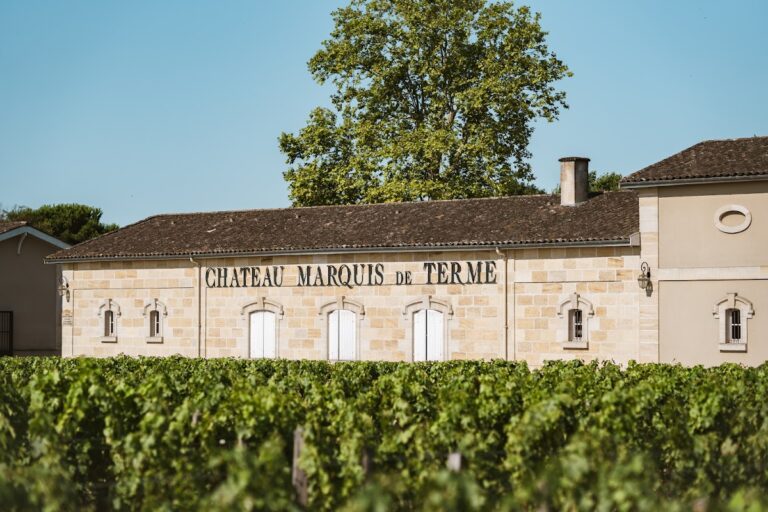
Château Cantenac-Brown is a historic wine estate in Cantenac, France, within the Margaux appellation of the Médoc. Its origins date to 1754, when Jacques Boyd, a squire to the king, acquired several parcels in the parish. The vineyard estate that developed from these holdings later gave rise to Boyd-Cantenac and Cantenac-Brown. The property is one of the fourteen estates classified as Third Growths in the Bordeaux Wine Classification of 1855, a ranking of historic Médoc and Graves estates based on the perceived quality and market standing of their wines.
From Boyd to Brown
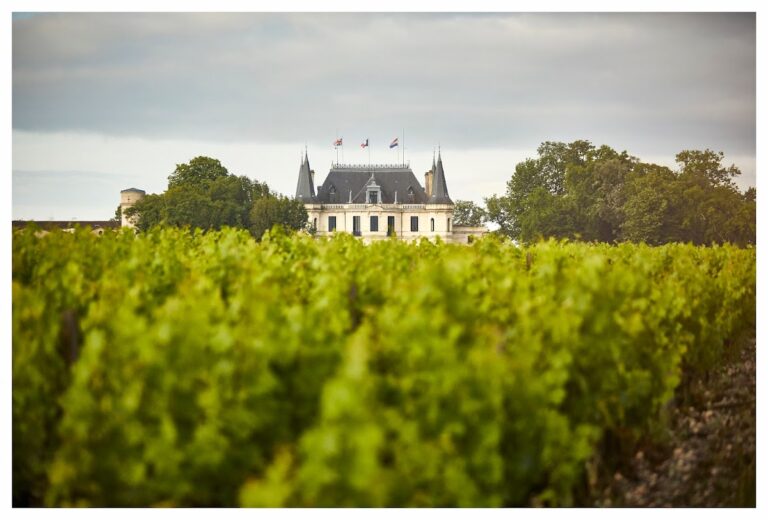
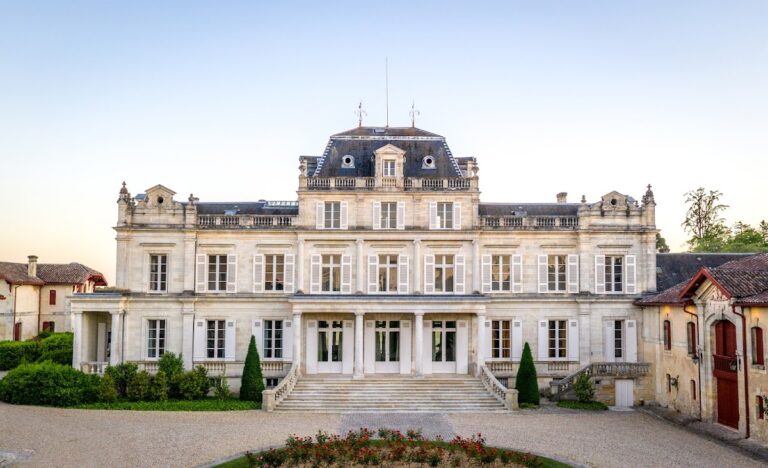
In 1806, John-Lewis Brown, a Frenchman of Scottish origin, bought vines at the estate and gave it his name. He commissioned a Tudor-style country house whose architecture reflected his Scottish ancestry. The residence later became the childhood home of his grandson, the animal painter John-Lewis Brown, who drew inspiration from the property and shared its artistic environment with Edgar Degas, Édouard Manet, Camille Pissarro, and Henri de Toulouse-Lautrec.
The estate was sold to the banker Gromard in 1843. Its classification in 1855 used the name Boyd, while the name Cantenac-Brown came into use after the estate was divided. Louis Armand Lalande acquired the vineyard in 1860 and considerably enlarged the château, retaining its Tudor character.
Changes of ownership
Madame Edouard Lawton, née Lalande, transferred the property to her son Jean in 1935. He sold it to the Du Vivier family in 1968. The property changed hands again in 1987, when it was acquired by the Compagnie du Midi, which renovated the wine cellars. AXA Millésimes purchased the estate in 1989.
The family of Simon Halabi took control in 2006 and sought to renew the estate’s direction with José Sanfins and his team. Sanfins had joined Château Cantenac-Brown as a trainee in 1989 and became its manager in 1998. Since 1996, the estate has followed a reasoned, or sustainable, approach to viticulture, including a substantial reduction in chemical fertilizers and the use of hand labour for vineyard work.
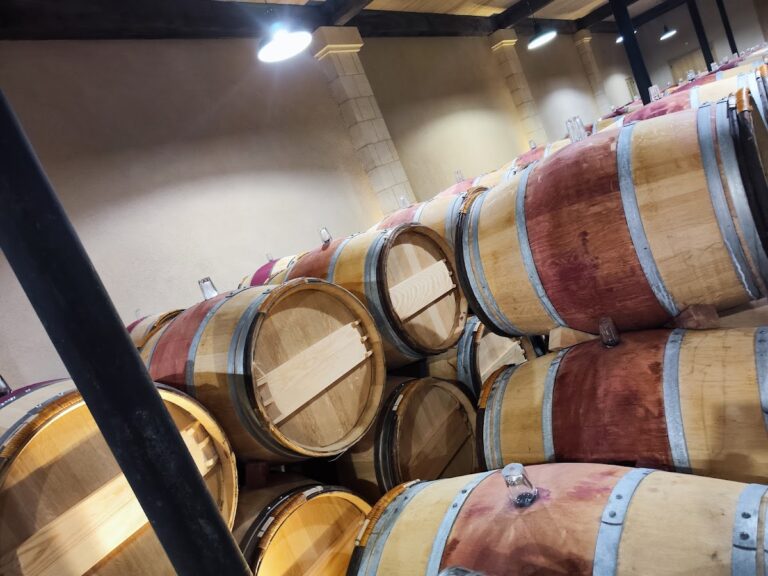
Ownership passed to the French Le Lous family in 2019. The family’s representative, Tristan Le Lous, is an agronomist with a strong interest in oenology and remains involved in managing the estate. Château Cantenac-Brown cultivates approximately 60.5 hectares and produces about 180,000 bottles each year. Its principal wine, Château Cantenac-Brown, is a Margaux Grand Vin aged in French oak barrels. The second wine, BriO de Cantenac Brown, also belongs to the Margaux appellation and is aged in French oak. Alto de Cantenac Brown, produced since 2011, is a white Bordeaux made from a separate 1.8-hectare vineyard.
Remains
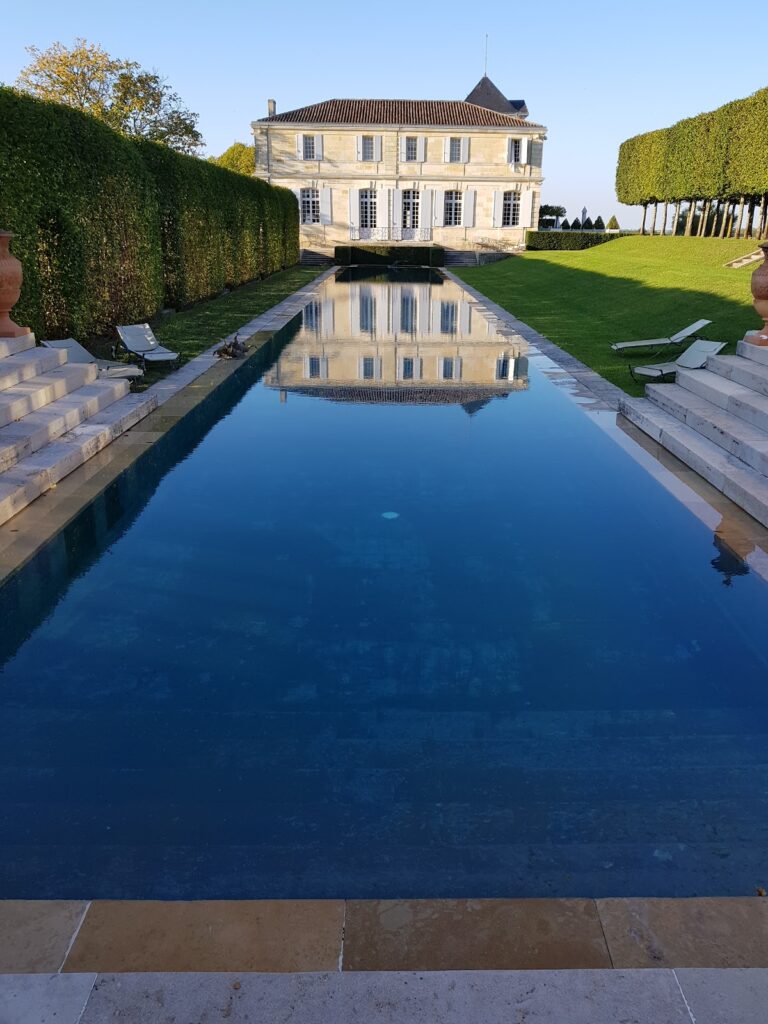
The property combines a Tudor-style country house with vineyards planted on stony ground south of the village. The vines grow in gravelly Médoc soil, and the cultivated area covers approximately 60.5 hectares. The estate’s historic residence, later enlarged while preserving its Tudor character, remains the architectural focus of the property. Wine production is organized around red and white varieties, with the estate employing approximately 30 to 35 people.
The château and vineyards
Built after John-Lewis Brown acquired vines in 1806, the château is a Tudor-style bourgeois residence. Louis Armand Lalande enlarged it in 1860 without abandoning the original architectural character. The surrounding vineyard is planted at a density of approximately 8,500 to 10,000 vines per hectare. The vines have an average age of about 35 years and are pruned using double Guyot, a system that retains fruiting canes on both sides of each vine.
The red-wine plantings consist of 65 percent Cabernet Sauvignon, 30 percent Merlot, and 5 percent Cabernet Franc. The white-wine vineyard covers 1.8 hectares and is planted with 90 percent Sauvignon Blanc and 10 percent Sémillon. Château Cantenac-Brown and BriO de Cantenac Brown mature in French oak barrels, while Alto de Cantenac Brown is produced from the white-wine parcel.
The planned eco-responsible cellar
In 2020, the estate announced plans for an eco-responsible cellar designed by Philippe Madec, an architect known for advocating environmentally responsible construction. The project was intended to be integrated into the existing buildings so that the character of the property would remain unchanged, with construction scheduled for completion for the 2023 harvest.
The planned cellar was designed to use untreated raw earth and solid bio-based wood sourced from the Aquitaine region. Its walls were to employ rammed-earth construction, which forms walls by compressing successive layers of damp earth within temporary formwork. The technique was intended to provide thermal mass and suitable humidity for wine aging without air conditioning. A planned vat room was to contain several smaller vats, allowing greater precision during blending.