Palazzo Sorbello: A Baroque Aristocratic Residence and Museum in Perugia
Site at a Glance
- Rating
- 4.4
- Popularity
- Very Low
- Country
- Italy
- Primary era
- Early Modern
- External website
- Open
- Eras represented
- Classical, Medieval, Early Modern
- Civilizations
- Etruscan, Papal States
- Site type
- Domestic
- Remains
- Palace
On this page8 sections
History
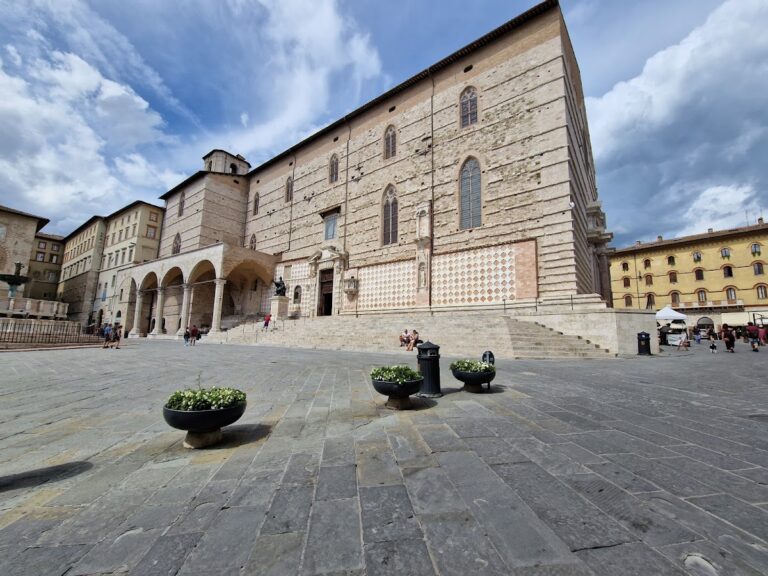
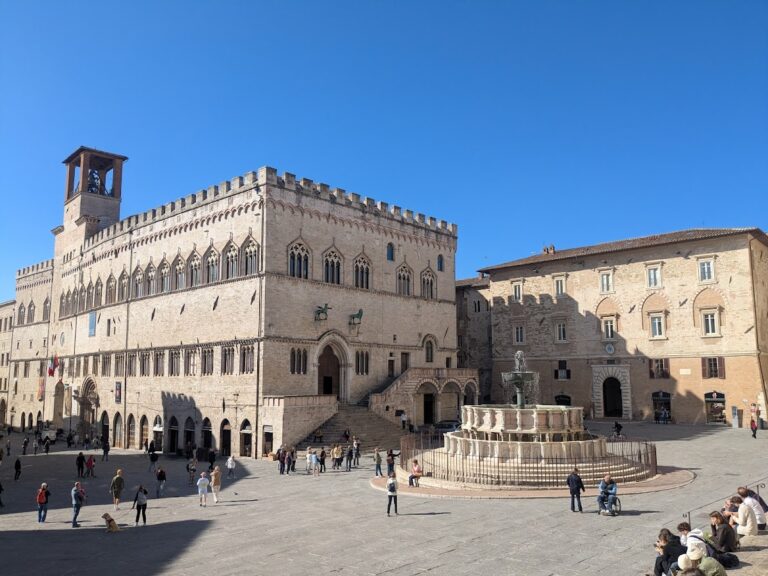
Palazzo Sorbello is a Baroque palace in Perugia, Italy, built in the late sixteenth century in architectural forms characteristic of the sixteenth and seventeenth centuries. The Montemelini, one of Perugia’s oldest and most influential families, commissioned the building. Its position beside Piazza Grande, now Piazza IV Novembre, the Palazzo dei Priori, and the Cathedral of San Lorenzo made it an attractive principal residence.
From the Montemelini to the Eugeni
The Montemelini later sold the palace to the Degli Oddi, who transferred it to the Eugeni. While it belonged to Count Antonio Eugeni, the future Charles III of Spain stayed there in 1734. He was then leading the Spanish army through Perugia to take possession of the Austrian fiefs of Naples and Sicily. Charles III was a Bourbon prince who later became king of Spain.
The Bourbon di Sorbello residence
In 1780, Uguccione III, the penultimate Marquis of Sorbello, exchanged the family residence Palazzo Arrigucci-Sorbello on Via Larga, now Via Bonazzi, for the Eugeni palace in Piazza dei Gigli, now Piazza Piccinino. He moved into the building with his wife, Cecilia Bonacorsi, because the former residence no longer suited the family’s social status. The family nevertheless continued to spend long periods at its ancestral castle and other villas.
Uguccione III immediately restored the palace and enriched its reception rooms with luxurious furniture, works of art, and a large library. From the late eighteenth century, the property belonged to the Bourbon di Sorbello marquises, a noble family whose members held the marquis title. The estate and its collections later passed to the Ranieri family when Altavilla, the last member of the Bourbon di Sorbello family, married Giovanni Antonio Ranieri. The present Ranieri Bourbon di Sorbello family descends from them, while the Ranieri family resided at the castle of Civitella near Umbertide.
The museum foundation
Palazzo Sorbello now houses the Fondazione Ranieri di Sorbello. Since 2010, the foundation has given several ground-floor rooms and rooms on the piano nobile a museum function, creating the Casa Museo di Palazzo Sorbello. The piano nobile is the principal reception floor of an aristocratic palace, normally placed above the ground floor.
Remains
Palace fabric and interior spaces
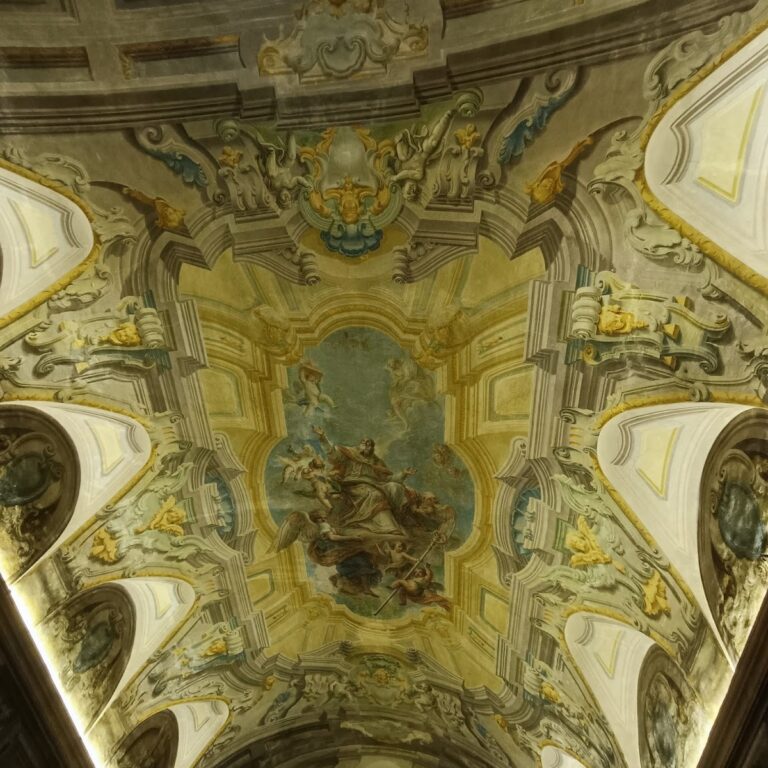
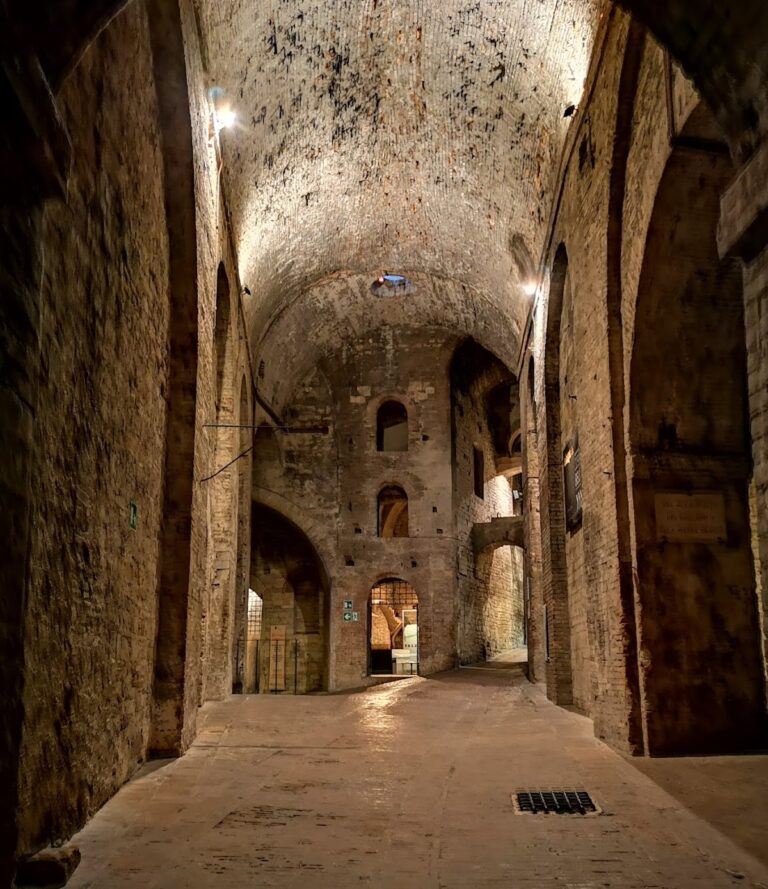
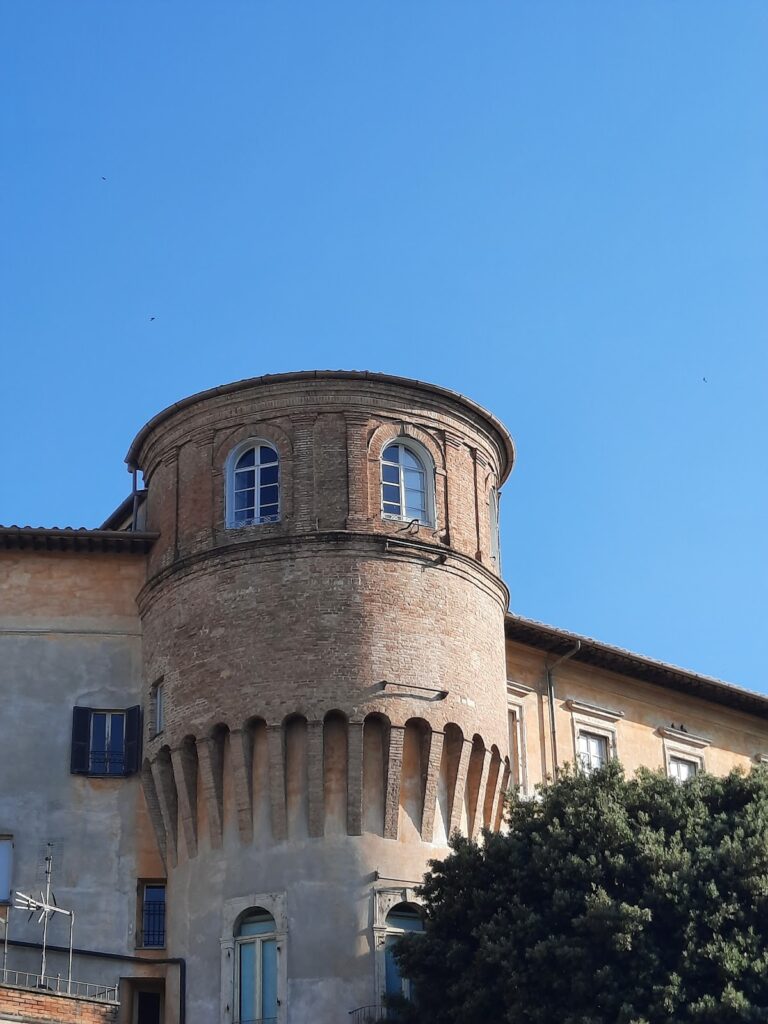
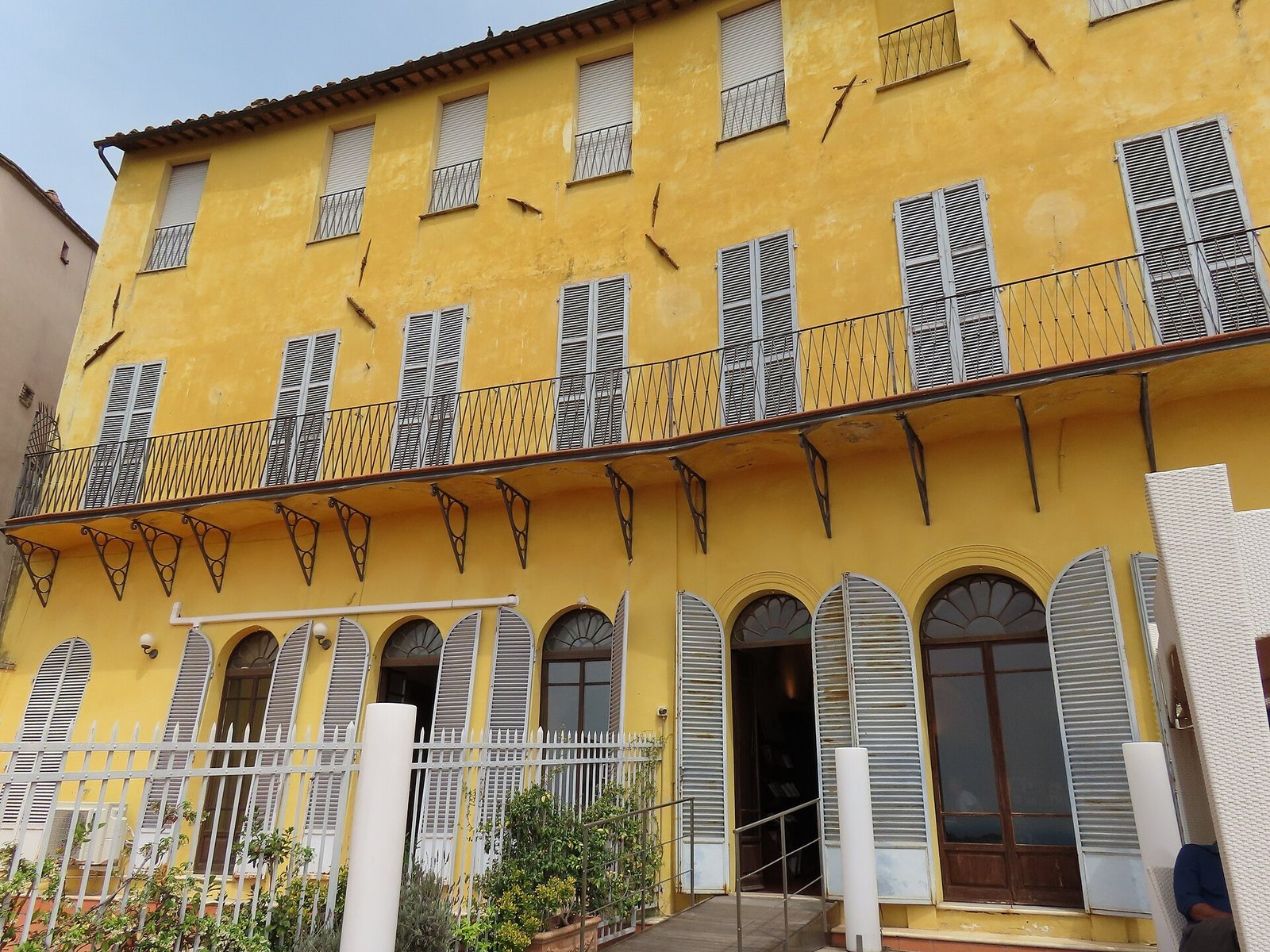
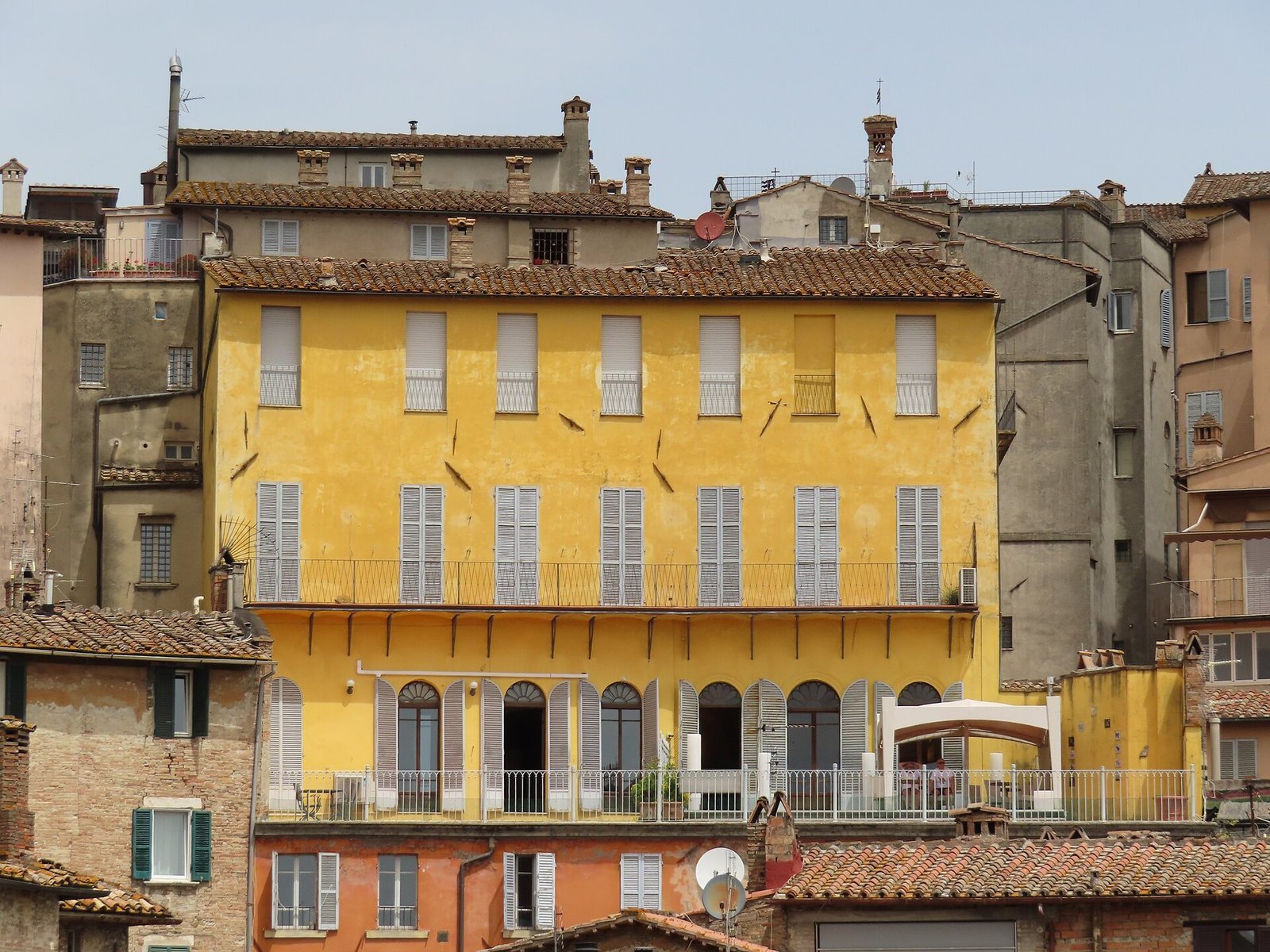
Palazzo Sorbello stands at 9 Piazza Piccinino in Perugia’s historic center, a short distance from the Cathedral of San Lorenzo. Its entrance faces the Etruscan well, also known as the Sorbello well, at the center of the square. The three-storey building was erected partly over Etruscan walls and replaced a medieval tower and three medieval houses. Remains of those earlier structures survive in the underground levels. The palace is well preserved and restored, with frescoed vaults on the ground floor and piano nobile.
The entrance hall retains an unusual external pavement made from wooden cobbles. The surface was intended to lessen the noise of carriage wheels as vehicles entered and left the building. The reception rooms preserve original furniture and the family silverware, while the picture gallery contains works by important artists and was enlarged by Uguccione III and his brothers.
Library and decorative collections
The palace library contains incunabula, books printed in Europe before 1501 during the earliest period of movable-type printing, as well as rare volumes published by Aldo Manuzio, the Venetian printer and humanist also known as Aldus Manutius. The museum rooms also contain paintings, porcelain, prints, manuscripts, embroidered textiles, elegant furniture, and eighteenth-century chandeliers.
Among the collections are more than 500 embroideries and pieces of lace made using Umbrian or Sorbello stitch, regional techniques associated with Umbria and Sorbello. The collection was assembled at the initiative of Romeyne Robert, an American who married Marquis Ruggero IV in 1902. Robert founded a workshop school at Villa del Pischiello near Passignano sul Trasimeno, where Umbrian cloth produced in Città di Castello was worked and embellished. The school operated within the Italian Women’s Industries and was directed by Carolina Amari, daughter of the former Minister of Public Education Michele Amari.
The Etruscan well
The entrance to the Etruscan well is reached through rooms in the palace’s underground levels. This subterranean water installation, built by the Etruscans before Roman dominance in central Italy, is a hypogeal monument dating to the third century BC. Its opening in Piazza Piccinino is closed by an iron grille bearing wrought-iron coats of arms belonging to the Eugeni counts and the Bourbon di Sorbello marquises, the last two families associated with ownership of the palace and well.