Château de Montfort: A Renaissance Hunting Lodge in France
Site at a Glance
- Rating
- 5
- Popularity
- Very Low
- Country
- France
- Primary era
- Early Modern
- Eras represented
- Medieval, Early Modern
- Civilizations
- Crown of Aragon, French
- Site type
- Domestic
- Remains
- Castle
On this page8 sections
History
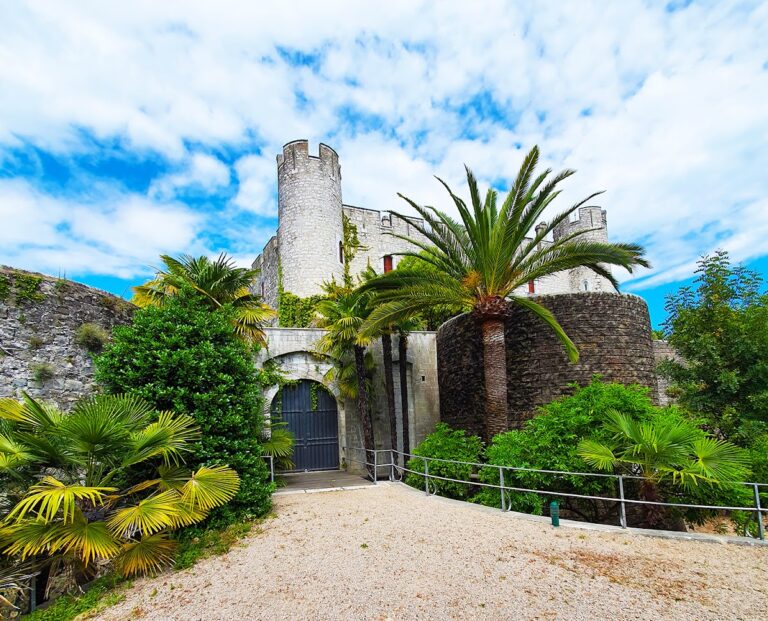
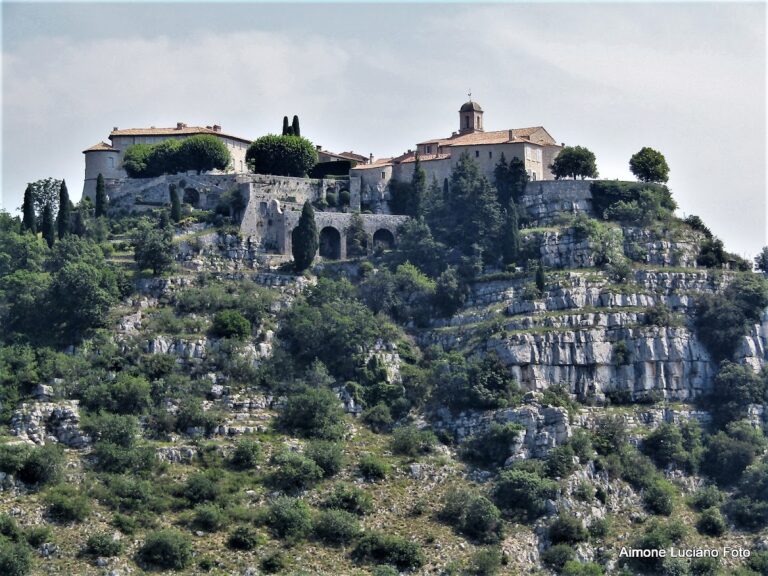
Château de Montfort is a historic castle in La Colle-sur-Loup, France, whose origins lie in a thirteenth-century feudal stronghold and whose present character comes largely from a sixteenth-century Renaissance rebuilding. In 1230, it belonged to Romée de Villeneuve, grand seneschal of Provence, a senior administrative and judicial official who also built the first castle at Villeneuve-Loubet.
From feudal castle to Savoyard residence
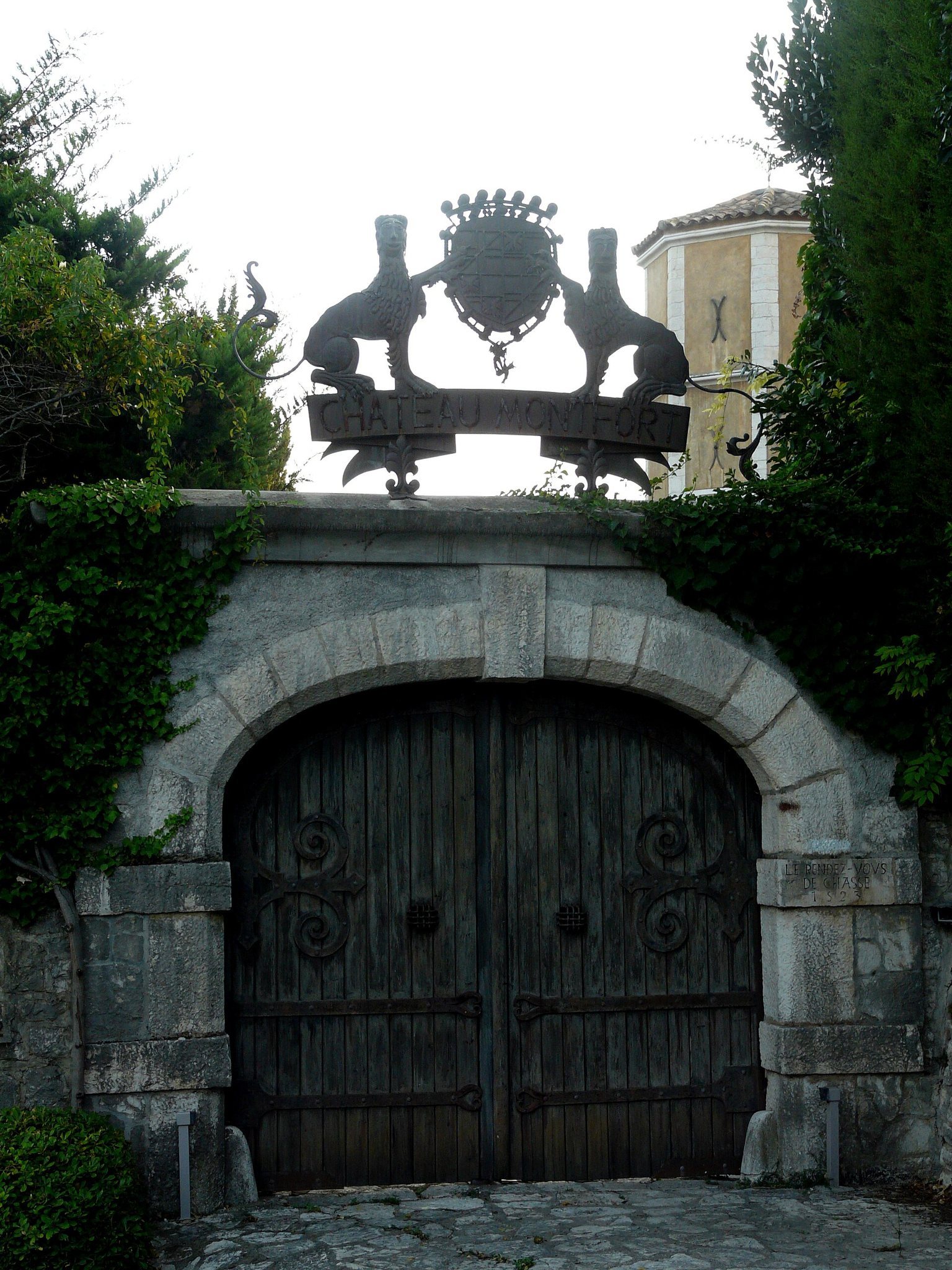
Jean-Antoine II de Lascaris, Count of Tende and Ventimiglia, purchased the castle in 1501. He then gave it to his daughter Anne Lascaris as her dowry when she married René de Savoie, known as the Grand Bastard of Savoy and Count of Villars. René rebuilt the older stronghold as a hunting lodge. The couple’s wedding may have taken place there, but this remains uncertain. René’s arms at the entrance connect the building with his ownership and rebuilding campaign.
René was governor of Nice when he married Anne. His half-brother, Philibert II the Fair, legitimized him in 1499, although the decision was later revoked at the request of Philibert’s second wife, Margaret of Austria. After a lawsuit, René lost his fiefs in Piedmont but retained the County of Tende through Anne and the County of Villars. Following his father-in-law’s death in 1509, he held Tende and paid homage for the fief to Louis XII, king of France.
Sixteenth-century prominence
Francis I appointed René governor and grand seneschal of Provence in 1515, and Grand Master of France in 1519, a senior officer of the royal household. René later died from wounds received at the Battle of Pavia.
His son Claude de Savoie, Count of Tende and, from 1561, Count of Sommerive del Bosco, inherited Château de Montfort. Claude served as governor of Provence from 1525 to 1566. In 1538, he received Francis I at the castle while the king was staying at Villeneuve-Loubet for discussions concerning the Peace of Nice, including a proposed ten-year truce between France and Charles V, the Habsburg ruler.
Preservation and artistic transformation
The castle was preserved and enlarged over time. Before 1994, it belonged to the French industrialist Gustave Ecrepont. In 1995, it became the property of Séverin Wunderman, a watchmaker and collector associated with Jean Cocteau’s work. Wunderman renovated and transformed the building, displaying his Cocteau collection in its twelve rooms and commissioning a swimming pool designed by the artist. Part of the collection later entered the Jean Cocteau Museum, Séverin Wunderman Collection, in Menton. Château de Montfort has been protected as a French historic monument since the order of 26 December 1969.
Remains
Renaissance exterior
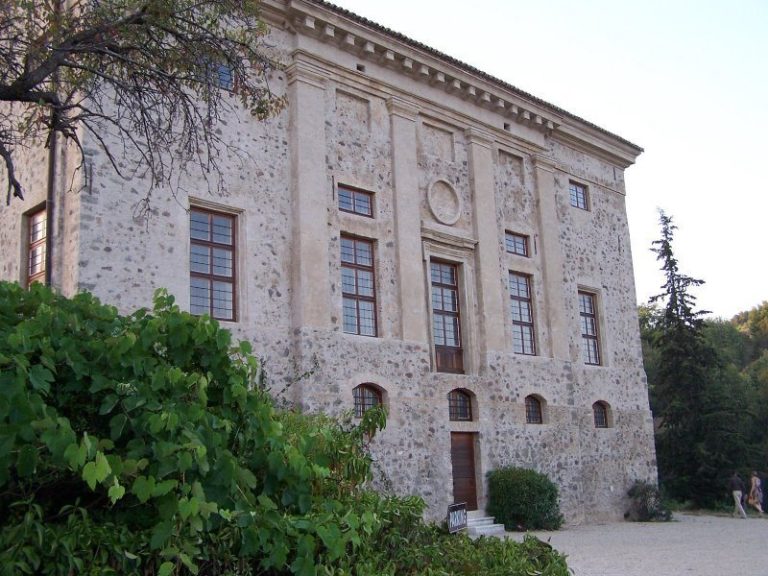
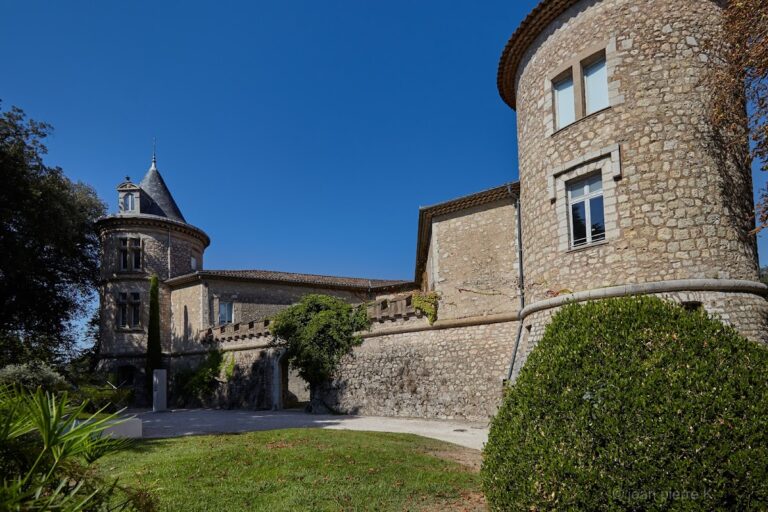
The surviving castle is a sixteenth-century Renaissance structure built on the site of the earlier feudal castle. Renaissance architecture drew on classical forms and often favoured balanced façades and classical decoration. Château de Montfort’s Renaissance façade belongs to René de Savoie’s conversion of the stronghold into a hunting lodge. The entrance carries René’s arms and a plaque bearing the words “Hunting rendezvous, 1523,” linking the façade to the building’s use during his ownership.
Interior features
The hall of honour retains a beamed ceiling, formed by exposed structural beams, and a fireplace decorated with the arms of René de Savoie, the Grand Bastard of Savoy. A spiral staircase, arranged around a central vertical axis, occupies a turret projecting from the building. A chapel formerly stood on the staircase landing, where its altar survives beneath frescoes, paintings made on freshly applied plaster.
Cocteau collection and pool
The castle’s twelve rooms were used by Séverin Wunderman to present his collection of works by Jean Cocteau, a twentieth-century French writer and artist whose work included poetry, film, drawing, and painting. Wunderman also had a swimming pool constructed to a design by Cocteau, adding a modern artistic element to the historic building.