Château de Mouans: A Historic Château and Contemporary Art Centre in France
Site at a Glance
- Rating
- 4.6
- Popularity
- Low
- Country
- France
- Primary era
- Early Modern
- External website
- Open
- Eras represented
- Early Modern
- Civilizations
- French
- Site type
- Domestic
- Remains
- Castle
On this page7 sections
History
Grasse and Villeneuve ownership
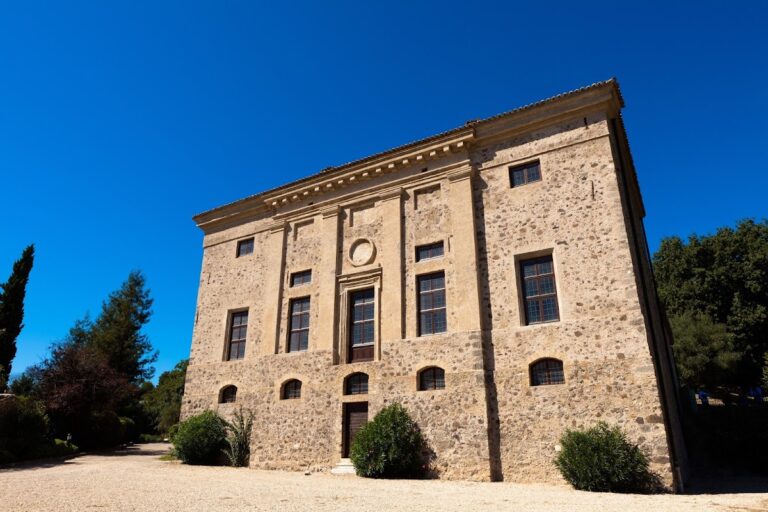
Château de Mouans is a historic château in Mouans-Sartoux, France, built by the Grasse family at the beginning of the sixteenth century, approximately between 1504 and 1510. The residence remained with the Grasse family until 1750, when ownership passed to the Villeneuve family.
Revolutionary damage and reconstruction
During the French Revolution, a period of political upheaval that transformed France, the town of Grasse destroyed a large part of the château, including its towers. The Durand de Sartoux family acquired the property in the early nineteenth century and reconstructed it according to its original plans.
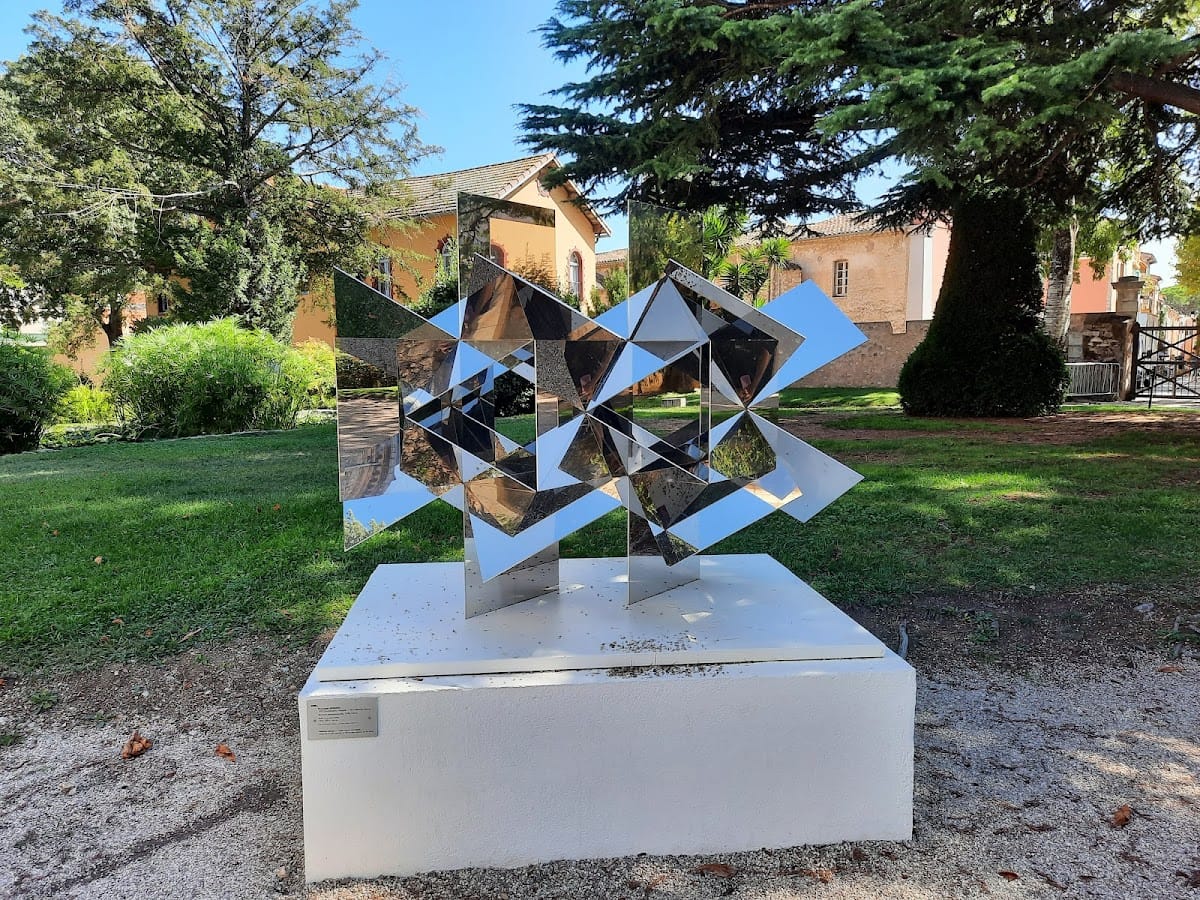
In the late 1980s, the municipality of Mouans-Sartoux acquired the château from the Péguilhan de Sartoux family, heirs of the Durand de Sartoux family. The property is now municipally owned. Since the late twentieth century, it has housed the Espace de l’Art Concret, a permanent contemporary-art centre with an international reputation, together with municipal rooms and a rural museum devoted to traditional life. The château and its park have been protected as registered historic monuments since the order of 4 January 1989. In France, this designation recognizes a building or site as significant and provides legal safeguards.
Remains
Plan and surviving buildings
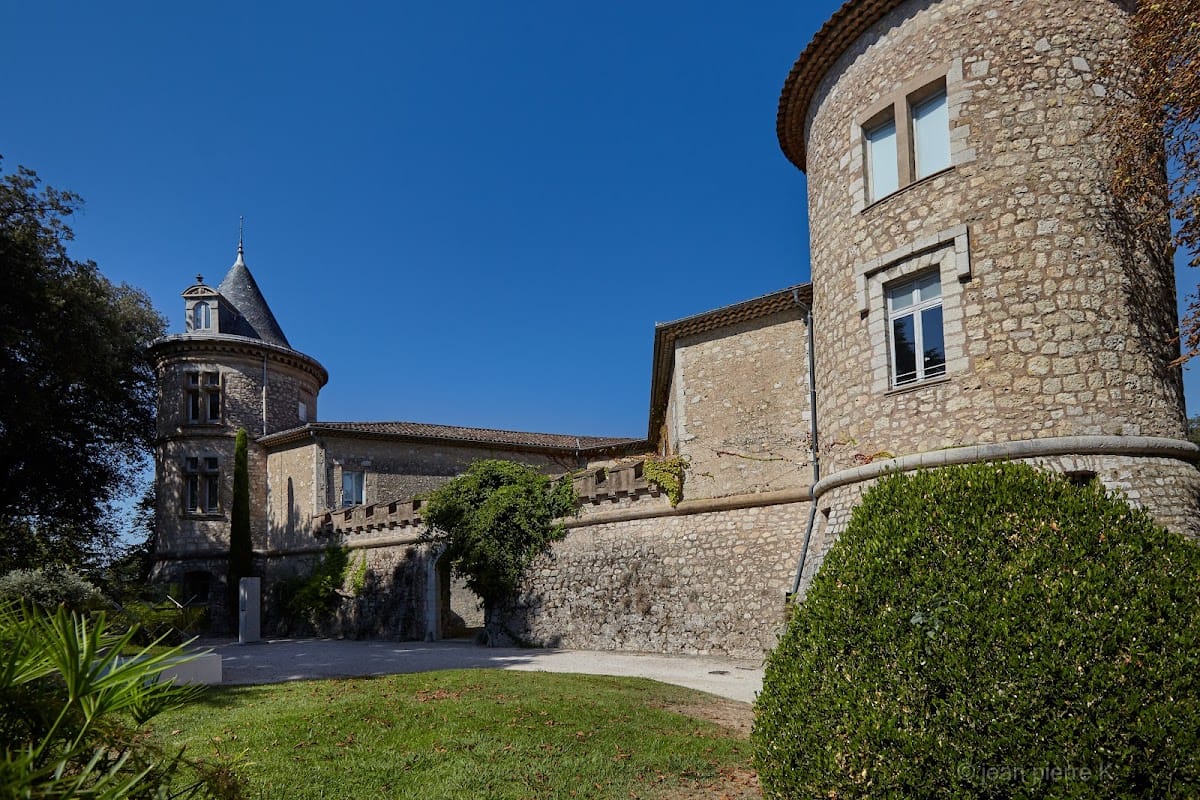
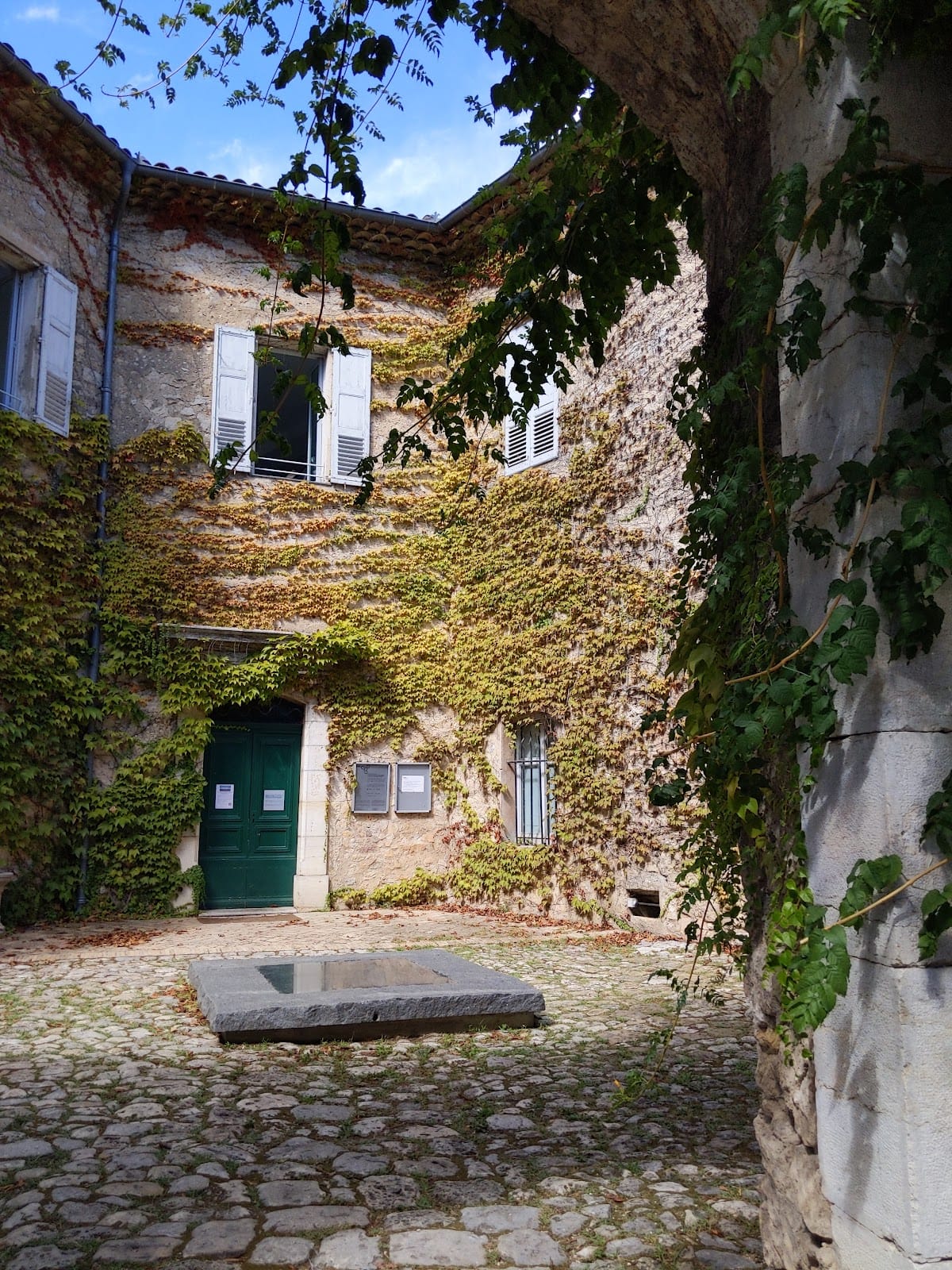
Château de Mouans retains a triangular plan. Three towers are linked by a main residential block, enclosing an interior courtyard. This arrangement preserves the basic form of the château despite the destruction and later reconstruction of much of the building.
Former stables
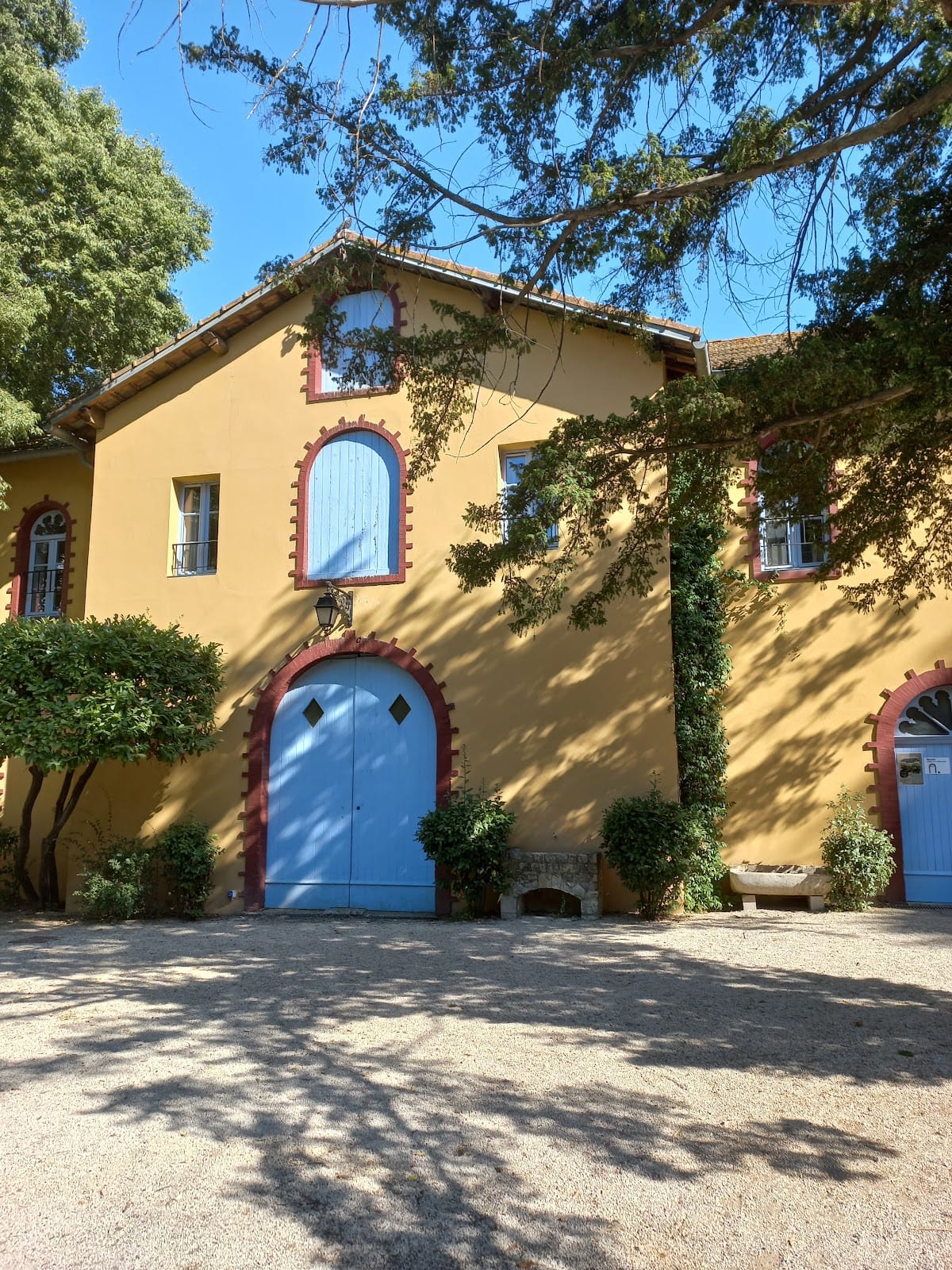
The former stables contain a rural museum devoted to life in earlier times. The museum occupies one of the château’s surviving functional spaces and presents the traditional rural way of life associated with the building’s later interpretation.
Espace de l’Art Concret
The château also contains the Espace de l’Art Concret, a permanent centre for contemporary art. Its presence gives the reconstructed historic residence a continuing cultural function alongside the municipal rooms.