Sola Castle Ruins: A Medieval Hilltop Fortification in Switzerland


Site at a Glance
- Rating
- 4.6
- Popularity
- Very Low
- Country
- Switzerland
- Primary era
- Medieval
- External website
- Open
- Eras represented
- Medieval
- Civilizations
- Unclassified
- Site type
- Military
- Remains
- Castle
On this page7 sections
History
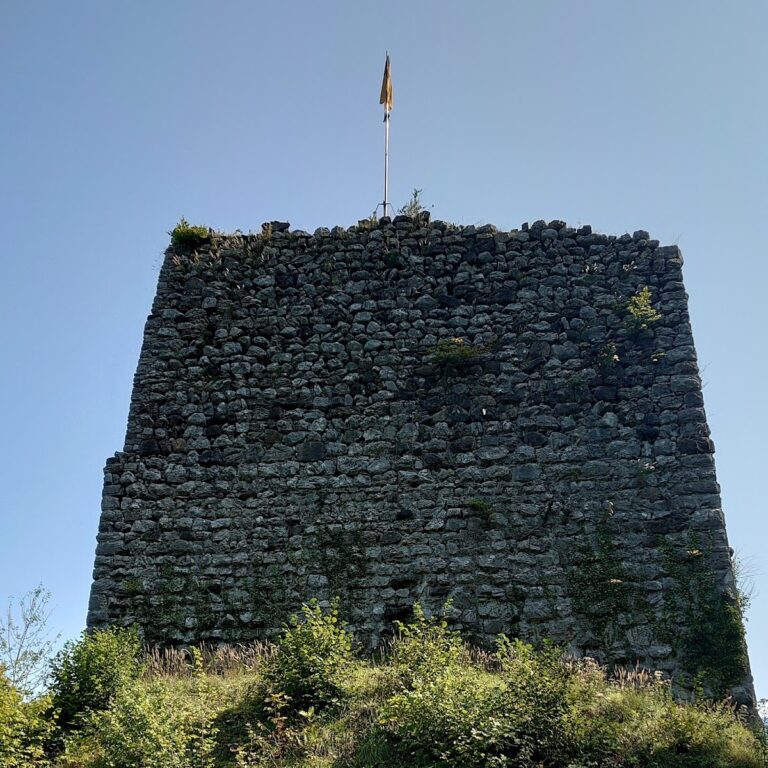
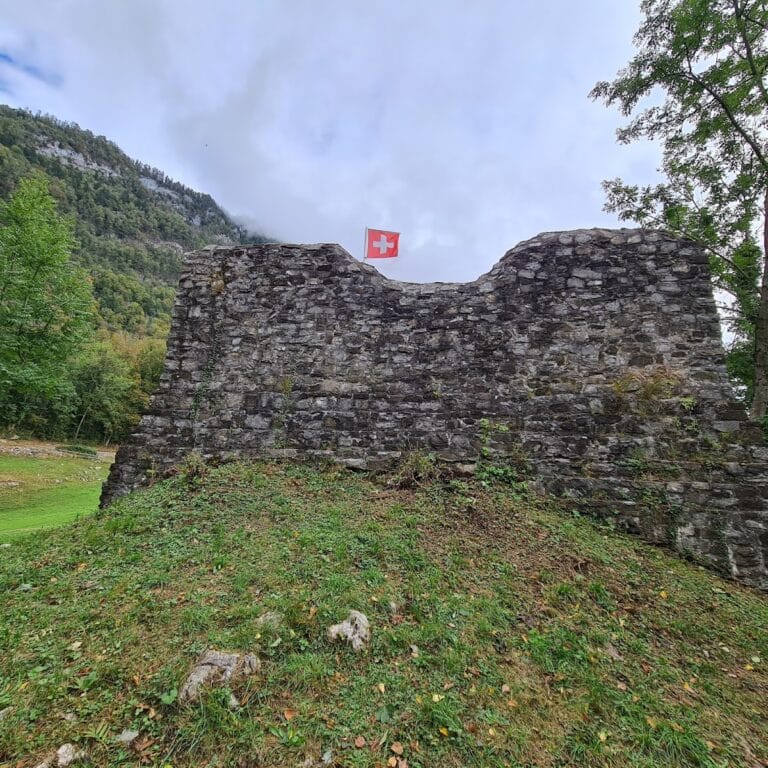
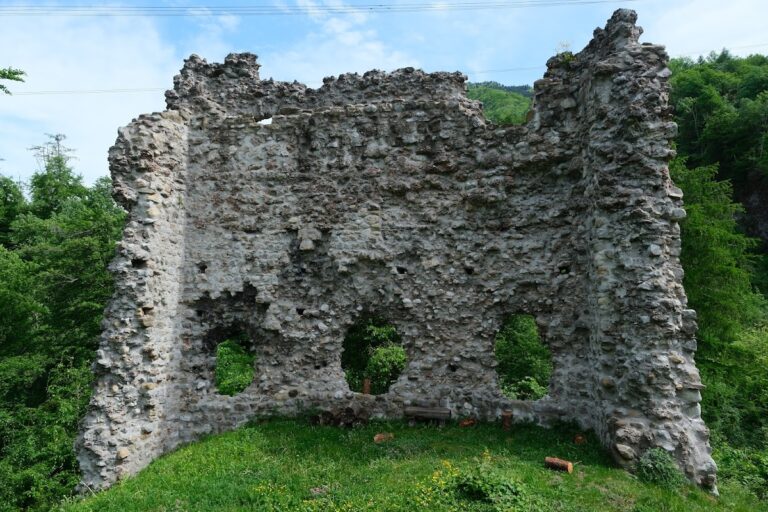
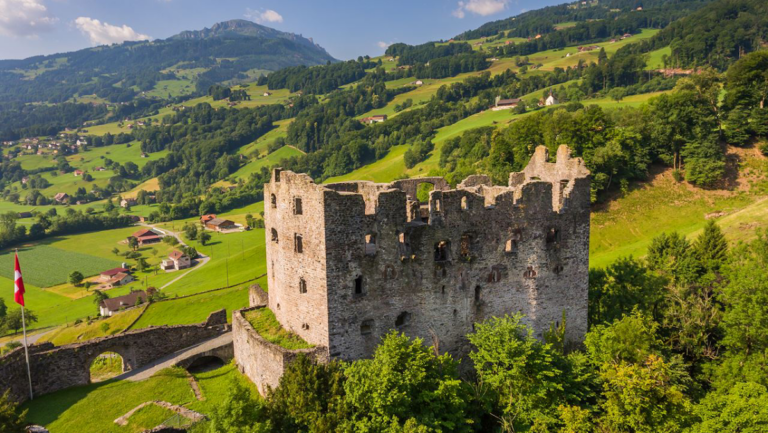
Sola castle ruins, also known as Schlossbüchel and Gut uff Burghalden, are the remains of a medieval hilltop fortification near Mitlödi, Switzerland. The castle originated in the second half of the twelfth century and was probably associated with the lower nobility, the lesser noble class linked to smaller estates and fortified residences. It is regarded as among the most important medieval castle ruins in the region and, after the Vorburg ruins, is the second-largest castle ruin in the canton of Glarus.
Foundation and abandonment
The castle was probably abandoned around 1250. No contemporary written source mentions it, so the identities of its builders and inhabitants remain uncertain. Its abandonment coincided with the expansion of Habsburg territorial rule into eastern Switzerland. The Habsburgs were a major European ruling dynasty whose expansion altered political control in the region, and the resulting pressure is considered a possible reason for the castle’s decline. The unidentified owners may have returned to peasant status or moved to towns.
Sola may also have served as a refuge, offering the local population protection from enemies or natural disasters. This possible defensive and community role forms part of the castle’s place in the medieval landscape, even though its precise ownership and administration are unknown.
Reuse and archaeological investigation
After the great fire of 1713 in the then-separate settlement of Obersool, stone from the abandoned castle was reused in the rebuilding of houses. The material can still be identified in house walls. The Historical Association of the Canton of Glarus excavated the castle from 1927 to 1929, exposing and conserving the inner castle. Further excavation in 2005 sought additional information about its history. Small finds from the investigations are held at the Freuler Palace Museum in Näfels.
Remains
Hilltop setting and inner enclosure
The ruins stand at about 690 metres above sea level on a steeply rising hill east of present-day Mitlödi, at the southwestern foot of the Gufelstock massif in the Glarus Alps. Sola was a stone-built hilltop fortification. Its principal fortified area, the inner enclosure, measures about 15 by 24 metres and is bounded by walls between 2 and 3 metres thick.
Rooms and construction
Five rooms occupied the inner enclosure. Their entrances had thresholds made from tuff, a light porous stone formed from compacted volcanic ash, together with stone slabs. The upper storeys were probably built of wood, combining substantial masonry at the base with lighter construction above. The inner castle has been exposed and conserved, while the castle as a whole survives in ruinous condition.
Outer enclosure and excavated finds
The outer enclosure has not been conserved and is now only faintly discernible. Excavation recovered horseshoes and parts of a tiled stove, a masonry heating stove faced with ceramic tiles. These objects indicate a certain degree of prosperity among the inhabitants and provide evidence of both horse use and domestic equipment. The finds are preserved at the Freuler Palace Museum in Näfels, while other castle stones remain incorporated into houses at Obersool.
Nearby sites