Castillo de Libros: A Twelfth-Century Templar Castle in Spain


Site at a Glance
- Rating
- 4.4
- Popularity
- Very Low
- Country
- Spain
- Primary era
- Medieval
- Eras represented
- Medieval
- Civilizations
- Crown of Aragon, Crusader, Knights Templar
- Site type
- Military
- Remains
- Castle
On this page7 sections
History
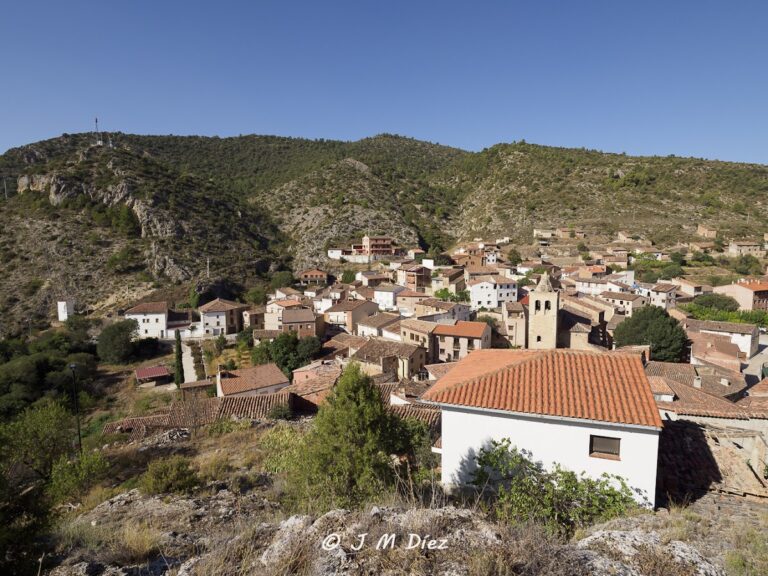
Castillo de Libros is a medieval castle in Spain, dated to the twelfth century and associated with the Templars, a military-religious order that protected Christian pilgrims and territories in the eastern Mediterranean and Iberia. The castle stood within the frontier landscape of the Crown of Aragón and later passed to the Hospitallers after the Templars were suppressed.
Templar administration
Castillo de Libros is listed among the Templar sites of Teruel. In 1196, a document recorded the incorporation of the Order of Monte Gaudio into the Templars and transferred its properties in the Kingdom of Aragón to the new owners, including the castle at Libros. The settlement subsequently formed part of the Templar commandery of Villel, a territorial administrative unit managed by a commander.
In November 1212, the Templar community of Villel issued a settlement charter for Libros. This legal agreement set the conditions for cultivators to settle and work land under seigneurial terms. The policy formed part of an agrarian colonization effort in an area near the frontier of territory recently conquered around Ademuz and Castielfabib.
Siege and later ownership
During the Crown of Aragón’s campaign to arrest the Templars, Frey Pedro Rovira commanded the castle. “Frey” was a title for a professed brother of a military-religious order. Royal forces besieged Castillo de Libros for six months, and the garrison surrendered in June 1308.
After the dissolution of the Templars in 1312, Libros became part of the Hospitaller Castellany of Amposta. The Hospitallers were another military-religious order that inherited many former Templar possessions, while the Castellany of Amposta served as a major Hospitaller territorial administration in the Crown of Aragón. The town also lies on the Camino de la Vera Cruz, a pilgrimage route from the Pyrenees to Caravaca de la Cruz that follows former Templar castles and possessions.
The castle has generic legal protection under Spain’s decree of 22 April 1949 concerning castles and under the Historical Heritage Law 16/1985.
Remains
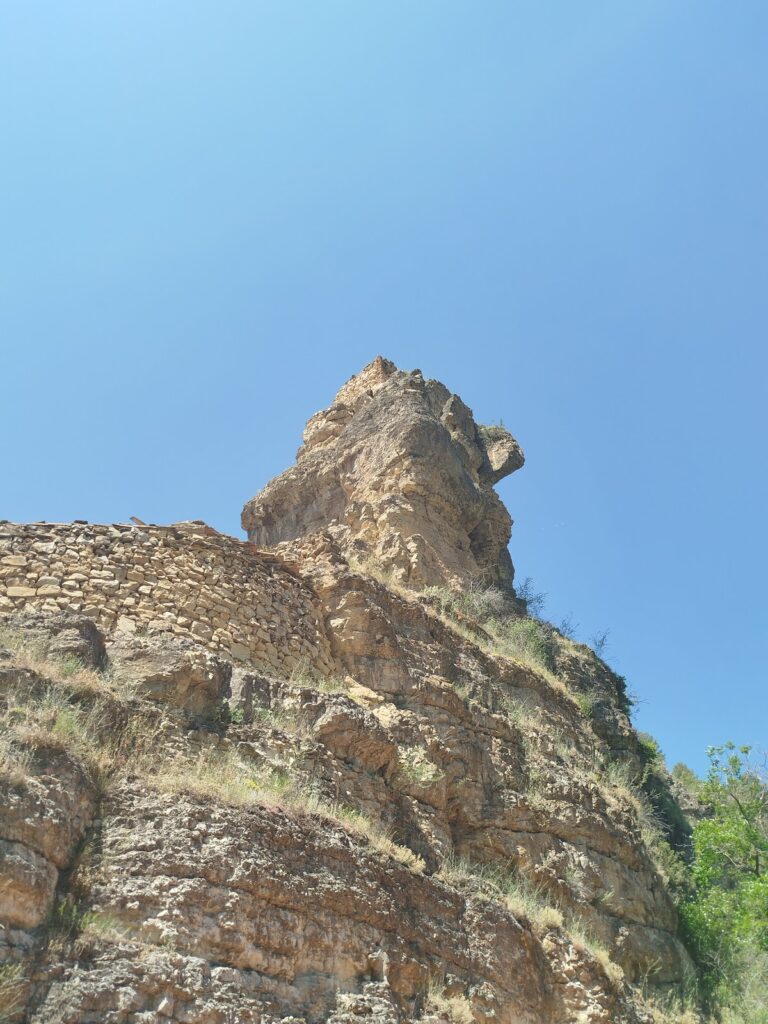
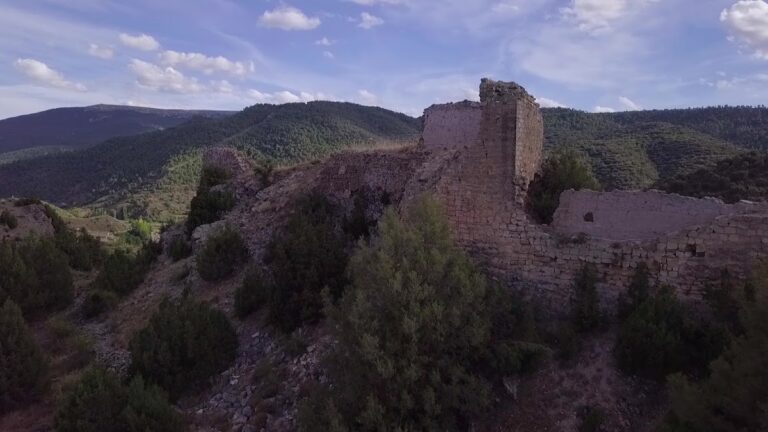
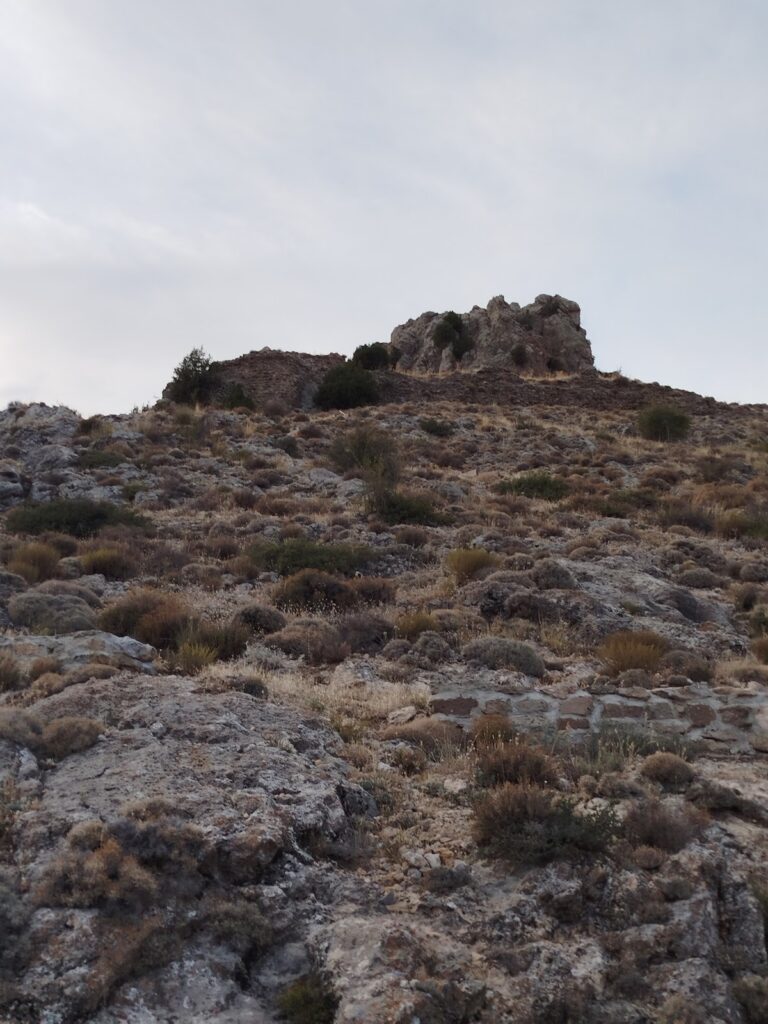
The surviving remains occupy the summit of El Mortero, a rocky outcrop above the settlement of Libros. The castle platform is reached from the northern slope and includes protective railings. Its surviving fabric comprises defensive walls arranged against the cliffs, a retaining wall, an internal dividing wall, and a circular depression.
Fortified summit
Walls and retaining structures
A retaining wall forms part of the surviving defensive layout, while two enclosing walls were built against the rocky sides of the outcrop. One enclosing wall remains intact, and part of the other survives. An apparently internal dividing wall also remains within the castle platform, helping distinguish spaces inside the fortified summit.
Circular depression
A circular depression lies within the castle remains. Popular tradition identifies it as a well that penetrated the mountain toward the nearby Guadalaviar River. This interpretation belongs to local tradition rather than a confirmed description of the feature’s construction.
Nearby sites