Castillo de Valacloche: A Thirteenth-Century Rock Castle in Spain


Site at a Glance
- Rating
- 4.2
- Popularity
- Very Low
- Country
- Spain
- Primary era
- Medieval
- Eras represented
- Medieval
- Civilizations
- Crown of Aragon
- Site type
- Military
- Remains
- Castle
On this page7 sections
History
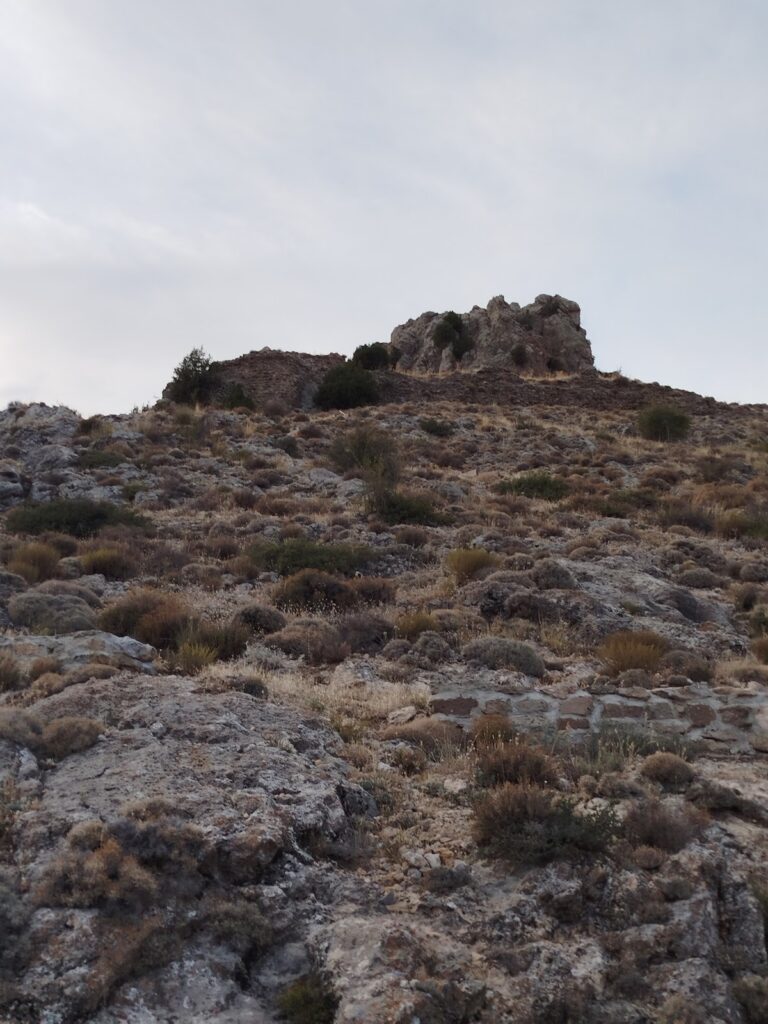
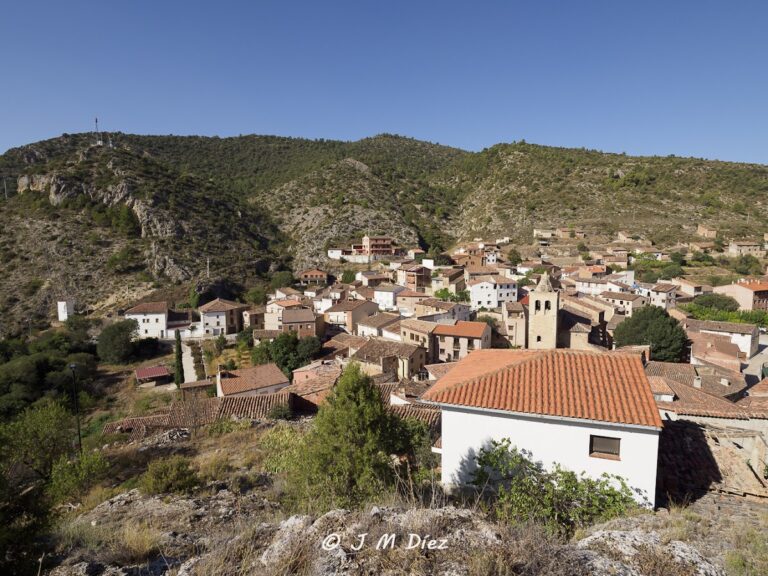
Castillo de Valacloche is a thirteenth-century rock castle in Spain, established for strategic military and defensive purposes above the settlement of Valacloche. Its position on a steep hill overlooking the Camarena River allowed it to control movement along the river passage and survey the surrounding landscape.
Medieval Lordship
In the later medieval period, Valacloche was an outlying settlement of Villel, together with Cascante del Río, Cuevas de Eva, possibly Riodeva, Libros, Tramacastiel, and Villastar. By the end of the thirteenth century, the surrounding land belonged to the lay nobility of the Kingdom of Aragon. Valacloche was first held by the Ruiz de Castellblanque family and later passed to the Heredia family of Mora de Rubielos.
After its conquest by Martín Garcés de Marcilla, the judge of Teruel, in 1319, Valacloche passed to the Community of Villages of Teruel. This medieval territorial institution administered a group of settlements and their shared lands. Pedro IV of Aragon, a fourteenth-century king of the Crown of Aragon, confirmed the community’s possession in 1361.
Seigneurial Settlement and Later Status
The 1495 census placed Valacloche in the Teruel-Albarracín administrative district, known as the Sobrecollida. It remained a seigneurial town, meaning that it was held under the authority of a secular lord rather than administered directly by the crown. The census recorded 15 households, equivalent to 67 inhabitants.
The castle is now entirely abandoned and in a state of complete ruin. It was entered in the Aragonese Register of Assets of Cultural Interest as an immovable Asset of Cultural Interest in the legal category for castles. The designation was formalized by a resolution of 17 April 2006 and published on 22 May 2006 under the Aragonese Cultural Heritage Law of 1999.
Remains
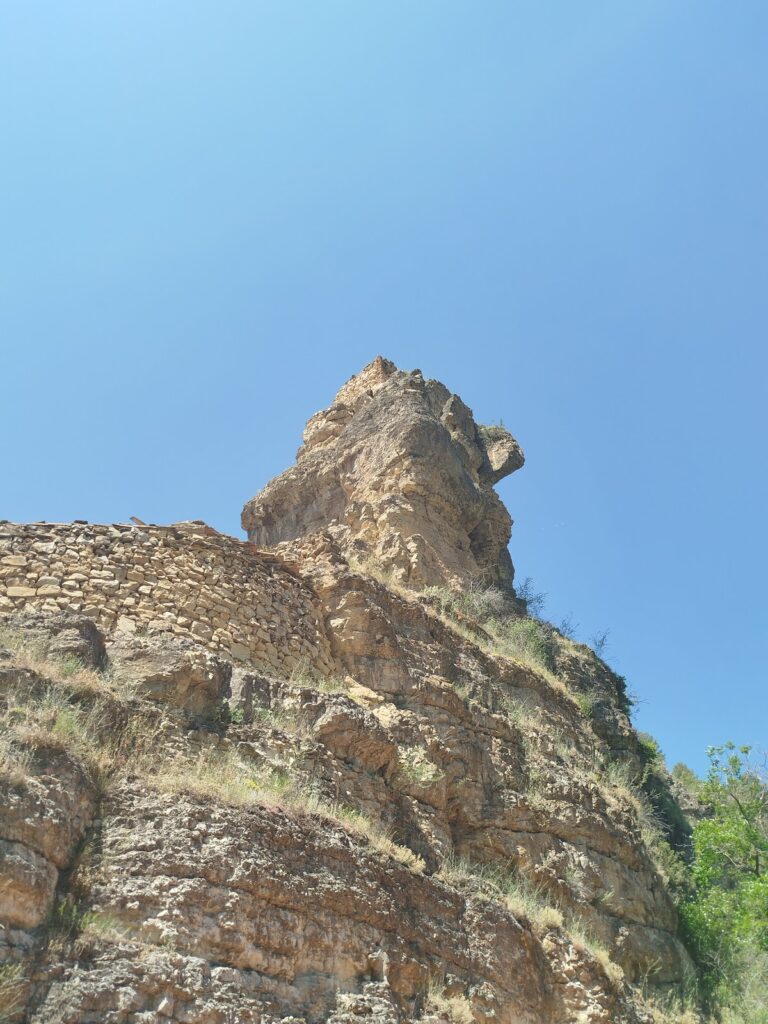
The castle occupies the northwestern end of a steep hill above the lower slope on which Valacloche stands, with the Camarena River below. Its elongated plan follows an east-west axis and is arranged across several levels to fit the rugged hillside. The surviving structures are connected by defensive walls and preserve the outline of a fortress adapted closely to the terrain.
Towers and Connecting Walls
Eastern and Central Towers
A square tower stands at the eastern end of the castle and is linked by a rubble-masonry curtain wall, a defensive wall joining towers or other strongpoints, to a centrally placed rectangular tower. The central tower may have served as the keep, the principal fortified tower of a castle. It rises approximately 7 metres, retains the springing of the vault of an upper storey, and has lost its upper termination and parts of its walls.
Northwestern Tower and Northern Wall
Two wall sections connect the central tower with a circular tower at the northwestern end. One section uses ordinary rubble masonry bonded with lime mortar, while the other has a facing of roughly worked masonry. The circular tower remains in relatively good condition, although part of its height has been lost.
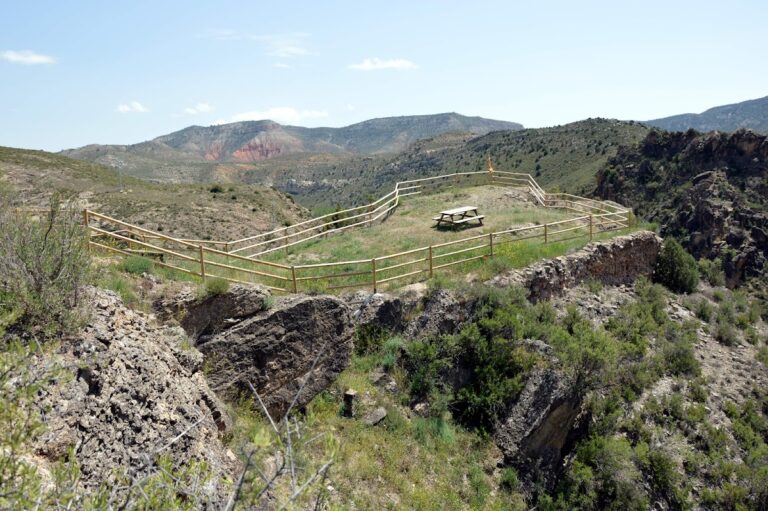
The surviving northern wall extends for approximately 50 metres and contains arrow slits, narrow openings designed for shooting projectiles from behind a wall. From the castle summit, views extend over Valacloche and the surrounding area as far as Cubla, north of the castle.
Nearby sites