Bardız Castle: Medieval Fortress of the Bardız Valley


Site at a Glance
- Rating
- 4.9
- Popularity
- Very Low
- Country
- Turkey
- Primary era
- Medieval
- Eras represented
- Medieval
- Civilizations
- Aq Qoyunlu, Georgian
- Site type
- Military
- Remains
- Castle
On this page10 sections
History
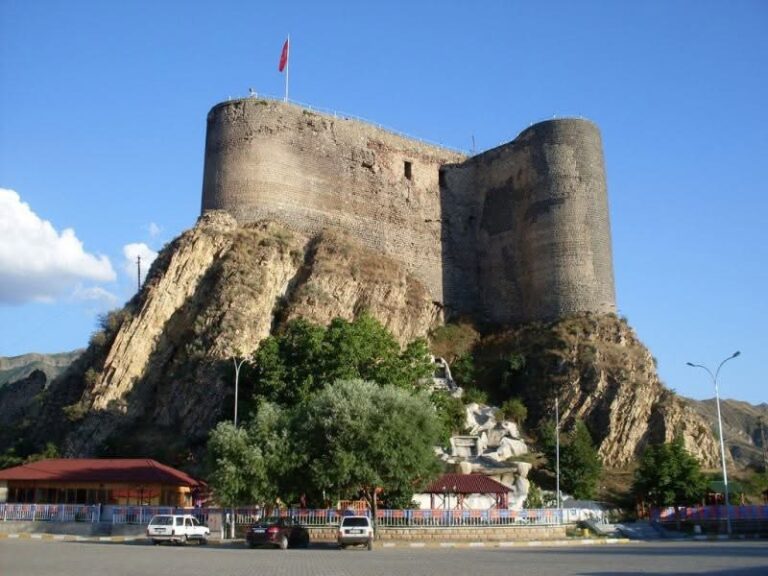
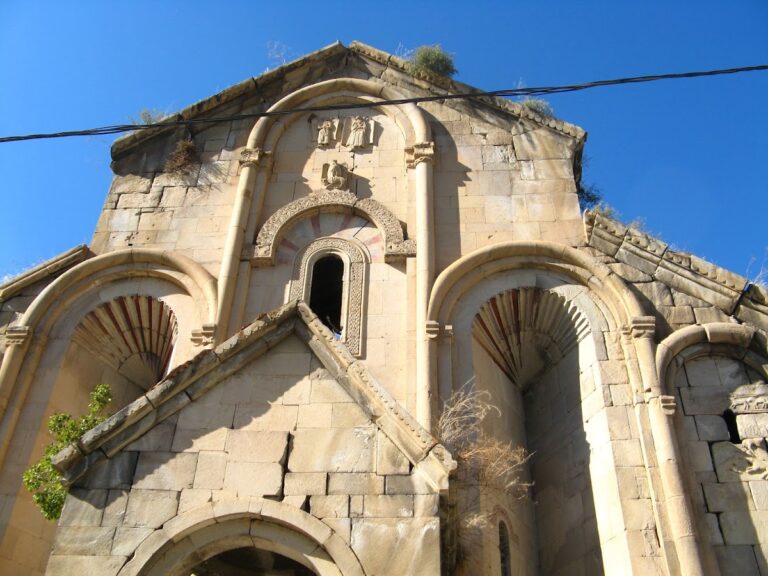
Bardız Castle is a medieval fortress in Türkiye, standing near the present-day village of Gaziler in the Bardız Valley of Erzurum Province. It served as the principal stronghold of the valley, controlling its entrance from a strategically chosen position. The fortress was under Georgian rule during the early and late medieval periods, and its church and inscription are traditionally associated with the reign of David III Kuropalates, a Georgian king who held a high Byzantine court title.
Tao-Klarjeti and Georgian rule
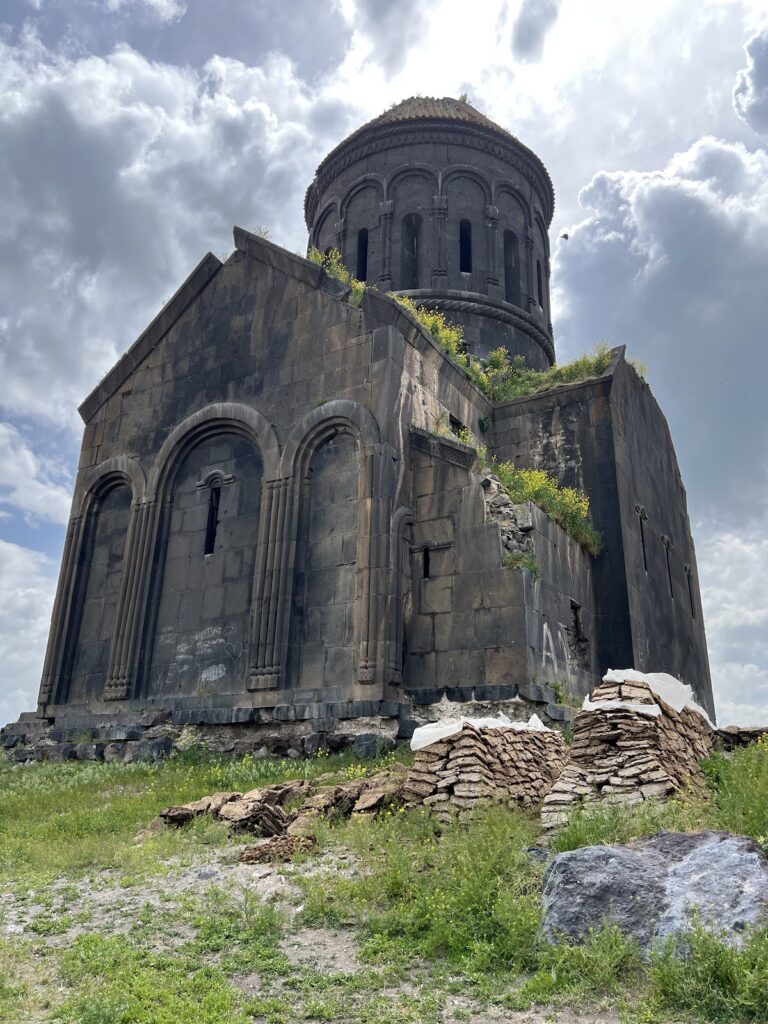
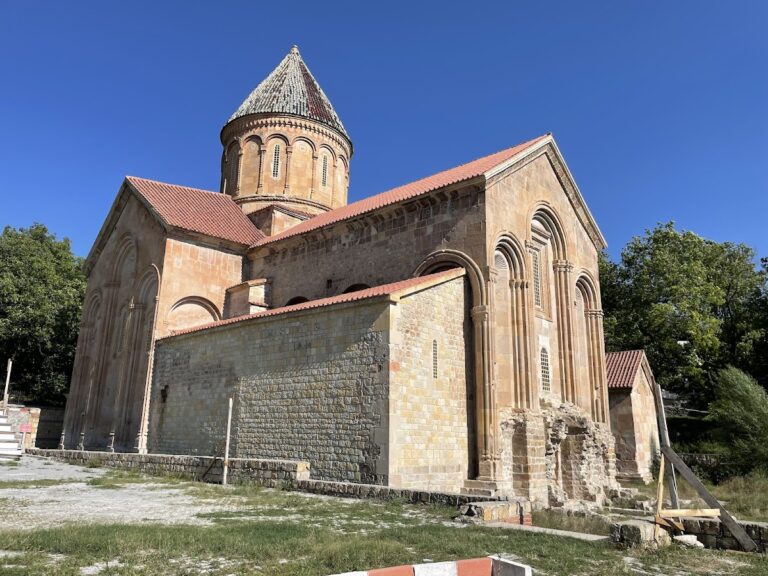
Bardız lay within Tao, part of Tao-Klarjeti, a medieval Georgian political and cultural region. Bana, an important political and religious center and the residence of David III, was located in the area of modern Şenkaya. Control of Bardız Castle therefore carried importance for the rulers of Tao-Klarjeti. The construction of a church inside the fortress, together with the inscription preserved in the castle wall, has traditionally been connected with David III’s reign.
The seventeenth-century Ottoman traveler Evliya Çelebi offered a different account, attributing the fortress to the Aq Qoyunlu, a Turkmen dynastic confederation that ruled parts of eastern Anatolia before Ottoman expansion. He also described buildings and trade routes around the castle. His account reflects the later historical landscape of Bardız, while the surviving inscription points to an earlier medieval phase.
Ottoman administration and later history
Bardız passed to the Ottoman Empire in the mid-sixteenth century. An Ottoman detailed register from 1574 names it Rabat-i Kala-i Bardız and identifies the fortress as the administrative center of the Bardız subdistrict within the Oltu sanjak. A sanjak was an Ottoman administrative district, while a subdistrict was a smaller unit within it.
The fortress also appears in the history of Catholic missionaries during the eighteenth century. Missionaries from Akhaltsikhe were imprisoned at Bardız, and in 1769 one priest hiding among the rocks sent a letter to a cardinal in Rome asking for help because the prisoners could no longer leave the valley. After a reply from Rome and permission from Noman Pasha, the Ottoman authority governing the valley, the priests were released in 1770 and returned to Rome.
Bardız Castle was registered in 1978 as a cultural property requiring protection. It is also known as Bardusi Castle, Bardisi Castle, and Gaziler Castle.
Remains
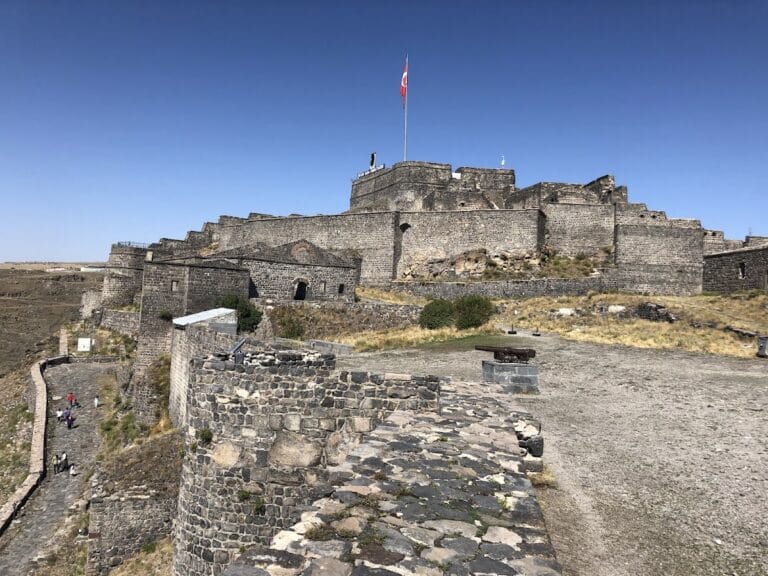
The fortress stands at approximately 2,490 metres above sea level at the entrance to the Bardız Valley. Most of its enclosure walls survive, especially on the entrance side, and several towers remain comparatively well preserved. The walls use a fill-wall technique, with a core strengthened by two rows of wooden posts. These wooden elements remain visible in parts of the walls and corners and were probably added later to reinforce the structure.
Walls and entrance
Southwestern tower
A substantially preserved rectangular tower occupies the southwestern corner of the castle and rises approximately 8 metres. Its corners are faced with cut stones in contrasting white and reddish tones. Georgian motifs appear on stones in the southern wall. These facing stones are understood to have been taken from a demolished church, linking the surviving tower to the earlier religious building associated with the castle’s medieval history.
Western gateway
The principal entrance faces west. The wall adjoining the gateway has collapsed, but the southern side of the entrance and the remains of its arch still survive. The surviving masonry forms part of the castle’s preserved defensive enclosure and shows the position of the principal access point into the fortress.
Interior structures and inscription
Raised area and internal remains
An artificial rise occupies the northern part of the enclosure. It probably formed when a church or another substantial building collapsed and may represent the remains of a former palace or church. Further structural remains have been identified in the middle of the fortress. The interior was later covered by at least approximately 5 metres of soil, a depth indicated by the level of water in relation to the present ground surface.
Georgian inscription
A two-line inscription is carved on a reddish stone set into the surviving southern wall of the entrance, approximately 3.5 metres above ground. It uses Asomtavruli, an early monumental form of the Georgian alphabet used especially for inscriptions. Paleographic features place it in the tenth century. The stone appears undamaged and may have been inserted into the castle wall after the destruction of the church wall.
Nearby sites