Château de la Dauphine: An Eighteenth-Century Bordeaux Wine Estate


Site at a Glance
- Rating
- 4.9
- Popularity
- Low
- Country
- France
- Primary era
- Early Modern
- External website
- Open
- Eras represented
- Early Modern
- Civilizations
- French
- Site type
- Domestic
- Remains
- Manor House
On this page11 sections
History
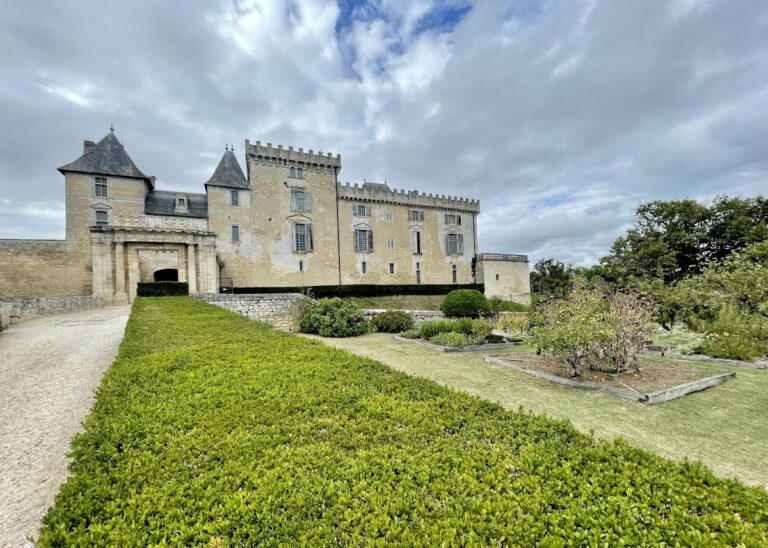
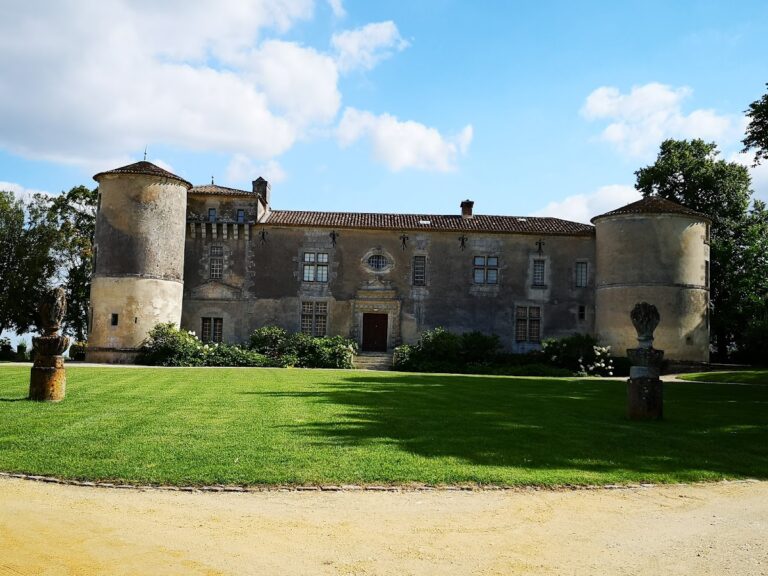
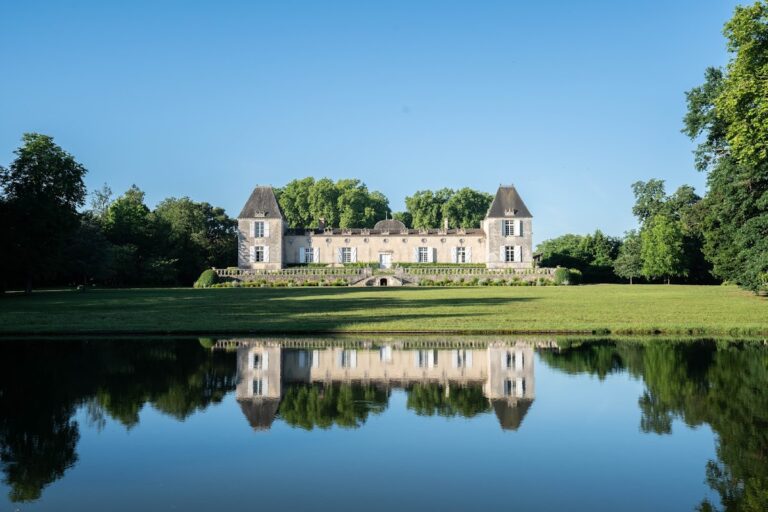
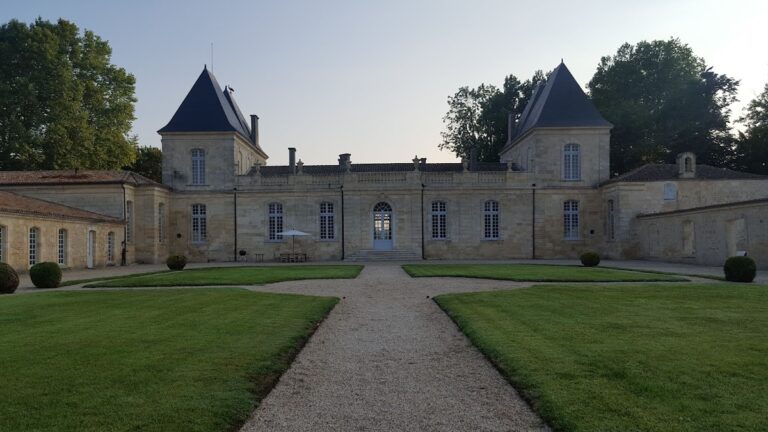
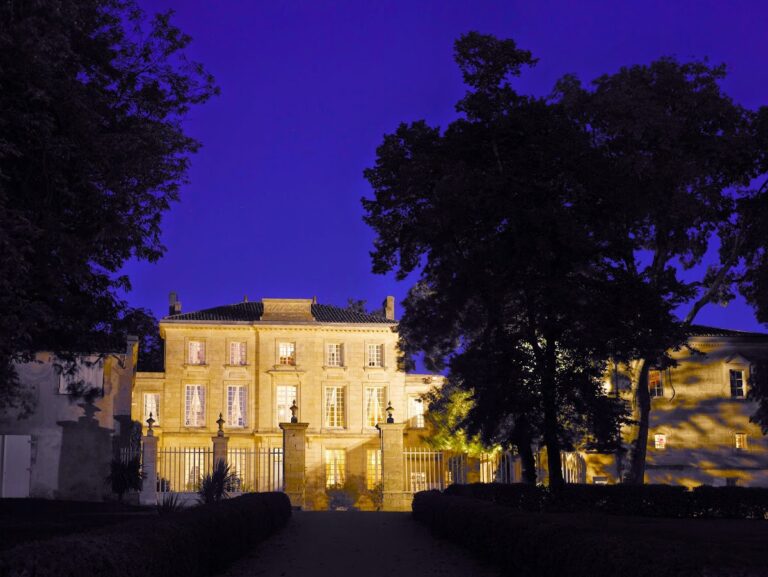
Château de la Dauphine is an eighteenth-century Bordeaux wine estate in Fronsac, France. Built between 1744 and 1750 for Jean-Baptiste de Richon, an advocate at the Parlement of Paris and a civil and criminal judge of the Duchy of Fronsac, the château became known as La Dauphine after a royal visit shortly after its completion.
Foundation and royal name
Marie-Josèphe of Saxony, the dauphine of France, stayed at the property for several days soon after it was built. A dauphine was the wife of the heir apparent to the French throne. Marie-Josèphe was married to Louis de France, the son of Louis XV, and her visit gave the estate its present name.
Ownership and wine production
After the de Richon period, the property passed through several families. The Olliver family included an eighteenth-century royal councillor and chief clerk of the finances of Guyenne. The Marcettau de Brem family, descended from the Olivier family, held the estate from the eighteenth century until 1985. The Moueix family owned it from 1985 to 2000, followed by the Halley family from 2000 to 2015.
Jean-Claude Labrune acquired Château de la Dauphine in 2015 through the family holding company SCB, and the property remains in Labrune family ownership. Since 2012, the estate has pursued conversion to biodynamic organic agriculture. Biodynamic agriculture is an approach to organic farming associated with Rudolf Steiner, who formulated its principles in lectures to farmers in 1924. The château applies this approach to its vineyard, technical buildings, and wine-production installations.
Fronsac and its royal reputation
Fronsac wines gained a growing reputation in the seventeenth century with substantial support from Cardinal Richelieu, the Duke of Fronsac. Richelieu was a French churchman and statesman who served as chief minister to Louis XIII. The wines became still more renowned through his great-nephew, Armand-Jean de Vignerot du Plessis, a courtier of Louis XV and governor of Guyenne. By presenting them to the king, he helped make Fronsac wines royal favourites and among the most sought-after and expensive wines in France, before the wines of Saint-Émilion reached a comparable reputation.
The estate now produces two principal red wines. Château de la Dauphine contains 85 percent Merlot and 15 percent Cabernet Franc, while Delphis de La Dauphine is made entirely from Merlot. Merlot and Cabernet Franc are red-wine grape varieties widely used in Bordeaux production.
Remains
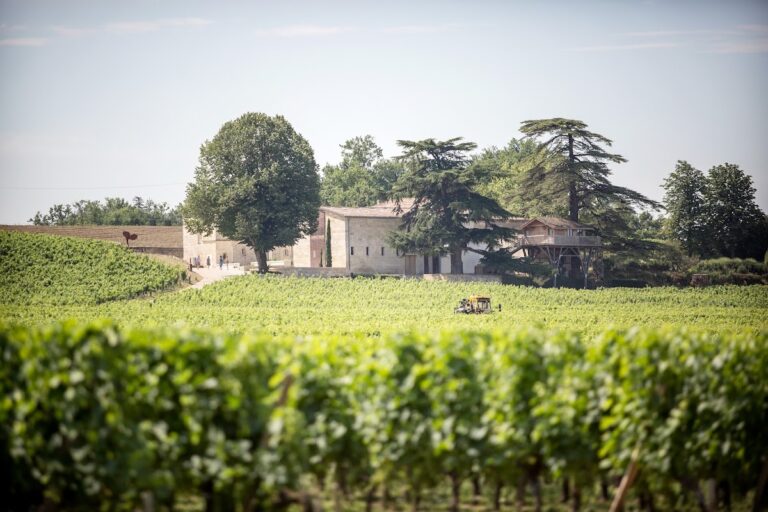
The physical estate combines the eighteenth-century château with a 53-hectare vineyard and specialized wine-production buildings. The vineyard forms part of the wider Libournais wine region and occupies three principal soil settings, including an argillaceous-limestone plateau over Asteries limestone, an argillaceous-limestone slope over shallow Fronsadais molasse, and a lower slope of clay, silt, and sand over a clay subsoil.
Château and vineyard
The château
The château is an eighteenth-century building whose pediment carries the coat of arms of the de Richon family. Its surviving architectural identity is therefore linked both to the building’s foundation for Jean-Baptiste de Richon and to the family that commissioned it.
The vineyard
The 53 hectares are divided among 14 soil types grouped into the three principal geological families of the estate. These soils support the vineyard’s biodynamic cultivation and form the physical basis for the estate’s wine production.
Wine-production facilities
Circular vat room
The technical facilities include a circular vat room operated by gravity. Grapes fall naturally into individual vats, while one movable arm handles the harvest by plot. The installation is described as unique in Bordeaux.
Barrel cellar
A semi-underground barrel cellar forms another part of the production complex. The biodynamic approach extends across this cellar and the other wine-production installations as part of the estate’s wider cultivation and production system.