Burg Leofels: A Staufer-Period Castle Ruin in Germany


Site at a Glance
- Rating
- 4.7
- Popularity
- Low
- Country
- Germany
- Primary era
- Medieval
- External website
- Open
- Eras represented
- Medieval
- Civilizations
- Holy Roman Empire
- Site type
- Military
- Remains
- Castle
On this page5 sections
History
Burg Leofels is a Staufer-period castle ruin near Ilshofen in Germany, built around 1240–1250 during the reign of Emperor Frederick II. The site was first documented in 1208 and was probably an imperial castle, a fortified place connected with the authority and interests of the medieval German king or emperor. It was also known as Lewenfels, a name derived from the Latin word leo, meaning “lion.”
From Württemberg fief to Vellberg possession
In 1333, the Bishop of Würzburg sold Burg Leofels to Ulrich III of Württemberg. Haug von Vellberg occupied the castle from 1399 and acquired it in 1409 as a Württemberg fief. A fief was property held from a lord in return for recognized service and allegiance. In 1468, the castle passed entirely to the Lords of Vellberg, a regional noble family.
Abandonment and later preservation
When Konz von Vellberg died without heirs, Burg Leofels returned to Württemberg in 1592. The castle was probably no longer inhabited from that time onward. Lightning struck the complex in 1707, and the keep had already been dismantled during the eighteenth century.
During the nineteenth century, usable materials, including roof tiles, were sold. Once the roofs had been removed, the remaining buildings deteriorated rapidly. Ilshofen has owned the castle complex since 1976. Comprehensive restoration took place from 2013 to 2016, while performances were temporarily moved to the former noodle factory in Gerabronn. The ruins later continued to serve as a summer setting for theater performances and concerts. From 1979 to 2000, they also hosted a multi-day folk festival held almost annually, first called Folk-Festival Burgruine Leofels and later Festival Burgruine Leofels.
Remains
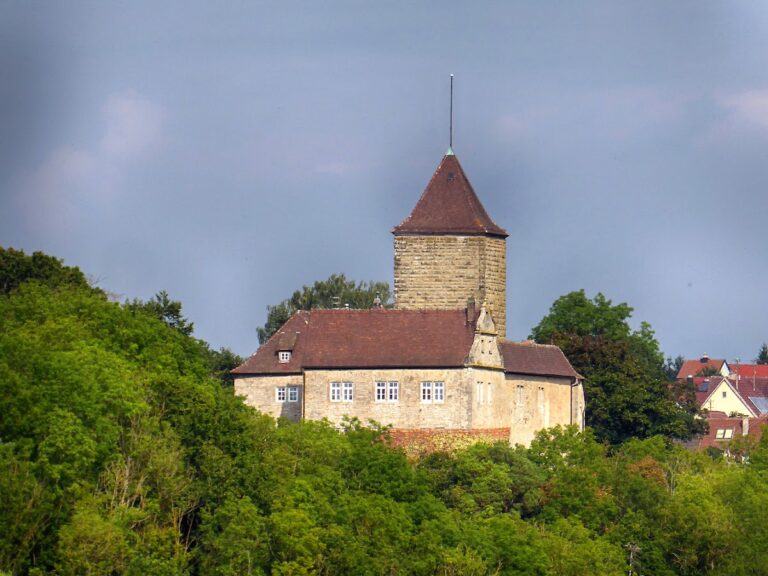
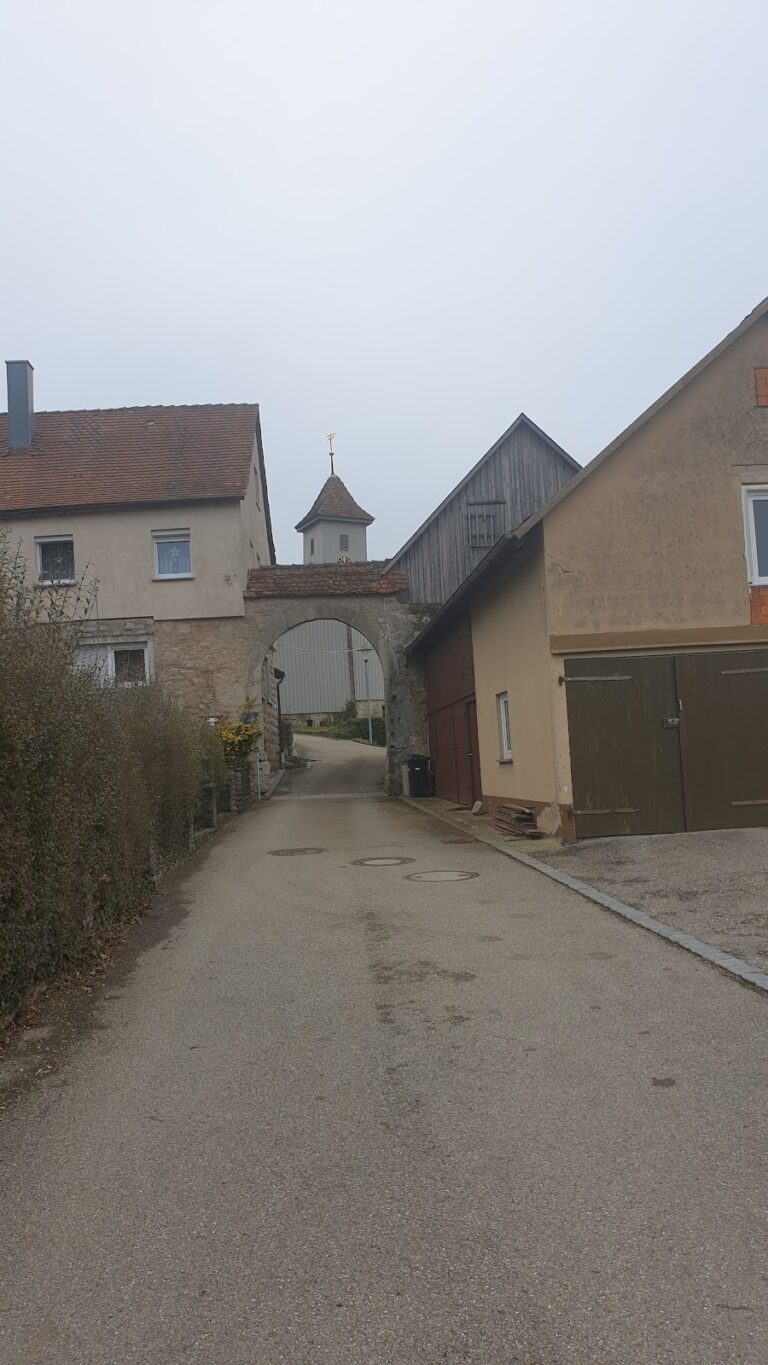
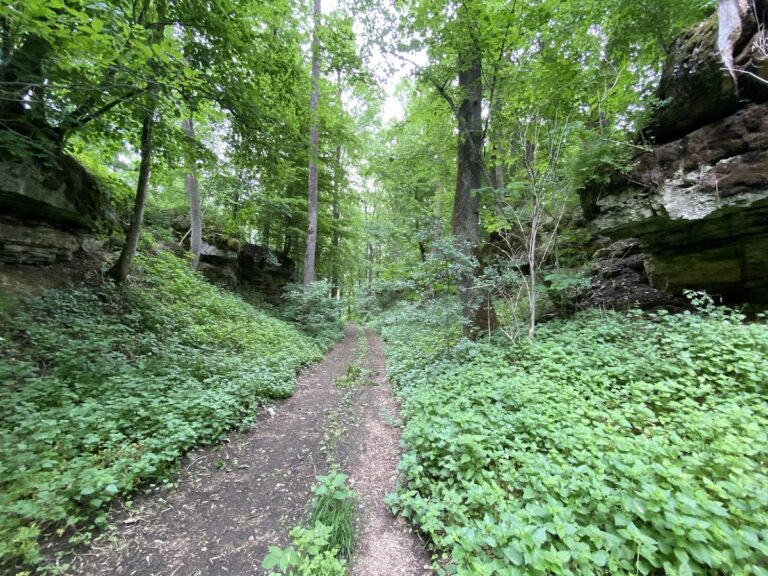
Burg Leofels survives as a ruined hill castle in a projecting position at approximately 405 meters above sea level, overlooking the Jagst Valley. It occupies the northwestern tip of a valley spur. The Leofelser Bach ravine bounds the spur to the southwest, while a small former southern valley hollow lies to the east. South of the castle, the spur rises toward the agriculturally used, hilly Ilshofen Plain and contains the houses of the hamlet of Leofels.
Defensive masonry and surviving structures
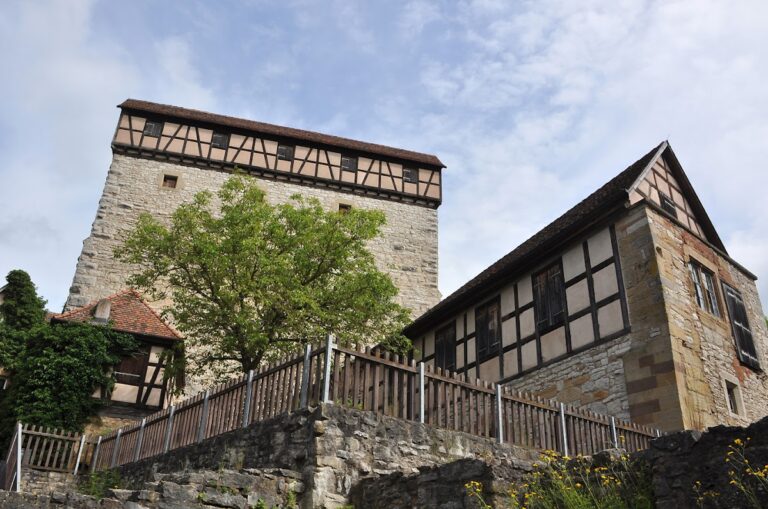
The complex retains a well-preserved shield wall, a major defensive wall protecting the vulnerable side of a castle. It was built around 1230 from bossed ashlar blocks, which are dressed stones with projecting or roughly raised outer faces. The castle’s other buildings remain in ruinous condition, following the removal of their roofs and the dismantling of the keep in the eighteenth century.
The castle’s physical setting is shaped by the surrounding valley landscape. The hamlet of Hessenau lies approximately 400 meters north across the Jagst, at about 310–320 meters above sea level. A steep road connects Hessenau with Leofels and continues down into the Jagst Valley, where the valley above the route is difficult to traverse.
Nearby sites