Castello di Cerreto: A Medieval Fortified Residence in Italy


Site at a Glance
- Rating
- 3.6
- Popularity
- Very Low
- Country
- Italy
- Primary era
- Medieval
- Eras represented
- Medieval, Early Modern
- Civilizations
- Holy Roman Empire
- Site type
- Military
- Remains
- Castle
On this page6 sections
History
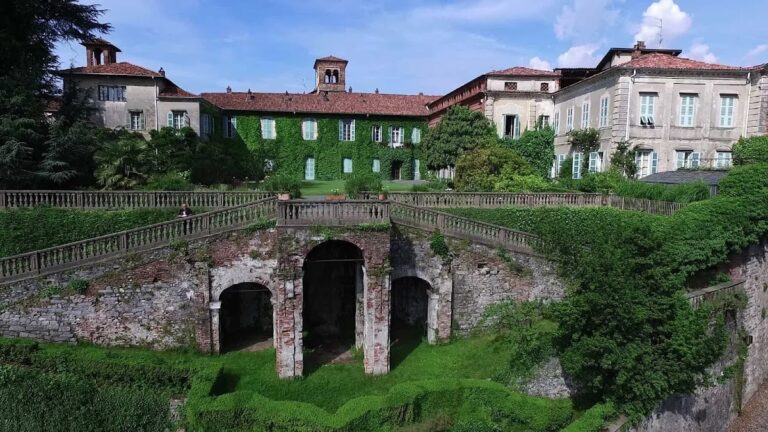
Castello di Cerreto is a medieval fortified residence in Italy, built by the Avogadro family during the thirteenth century. It gave its name to the settlement of Cerreto Castello and stands at 321 metres on the final rise of the ridge between the basins of the Quargnasca and Chiebbia streams. The residence combines domestic accommodation with defensive features and is designated as Italian national heritage.
Origins of Cerreto
The settlement of Cerreto first appears in 999, when Holy Roman Emperor Otto III confirmed its possession to the Archdiocese of Vercelli, a senior ecclesiastical jurisdiction governed by an archbishop, represented at the time by Bishop Leone. The place-name derives from cerro, a type of oak that was once widespread in the Biella area but is no longer part of its flora.
The Avogadro fief
In 1165, Bishop Uguccione granted the fief of Cerreto to Corrado Avogadro di Quaregna. The Avogadro family, a noble lineage of Vercelli origin with numerous branches, supported the Guelph cause, a medieval Italian faction generally aligned with the papacy and opposed to imperial authority. The family established a fortified residence at Cerreto in the thirteenth century, and the building was enlarged during the second half of the fifteenth century.
Remains
Castle structure
The castle has a rectangular plan and was constructed with river cobbles arranged in a herringbone pattern. Its original defensive arrangement included three towers, while the surviving tower is cylindrical. Together, the masonry and remaining tower express the building’s development as a fortified residence on the hill ridge.
Interior decoration
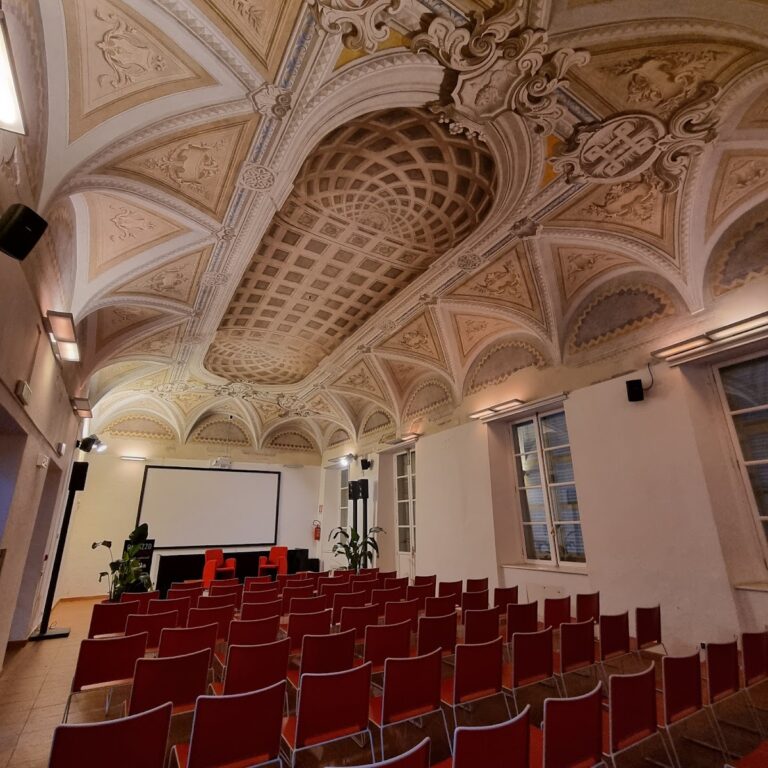
Fragments of frescoes dating from the late sixteenth century remain inside the building. These painted surfaces belong to a later phase of the castle’s history, after the medieval residence had been enlarged in the fifteenth century.