Zumaglia Castle: A Medieval Fortress in Italy


Site at a Glance
- Rating
- 4.3
- Popularity
- Low
- Country
- Italy
- Primary era
- Medieval
- Eras represented
- Medieval
- Civilizations
- Holy Roman Empire
- Site type
- Military
- Remains
- Castle
On this page7 sections
History
Medieval Foundation and Reinforcement
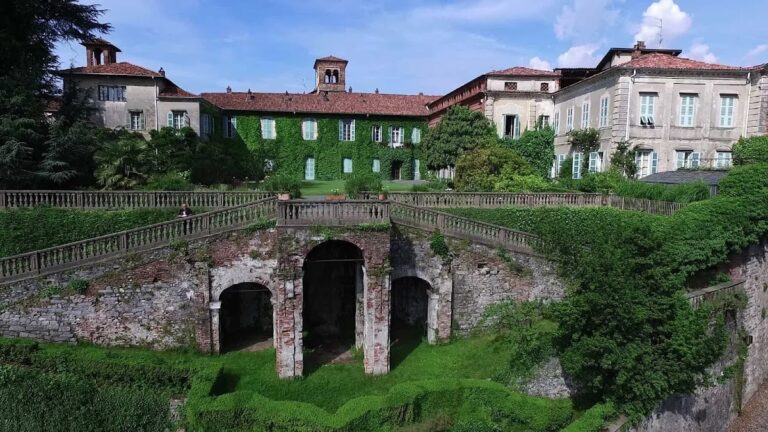
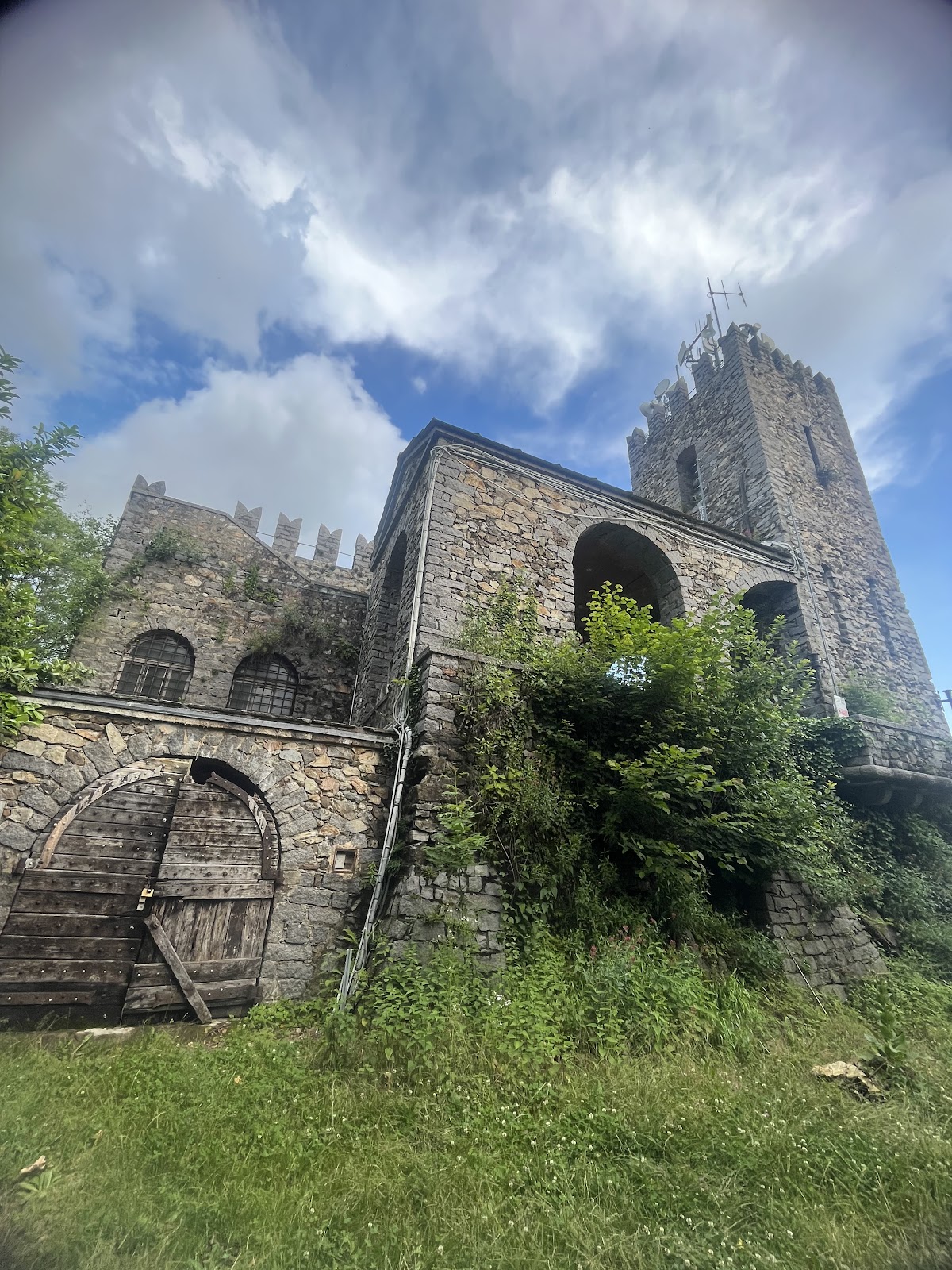
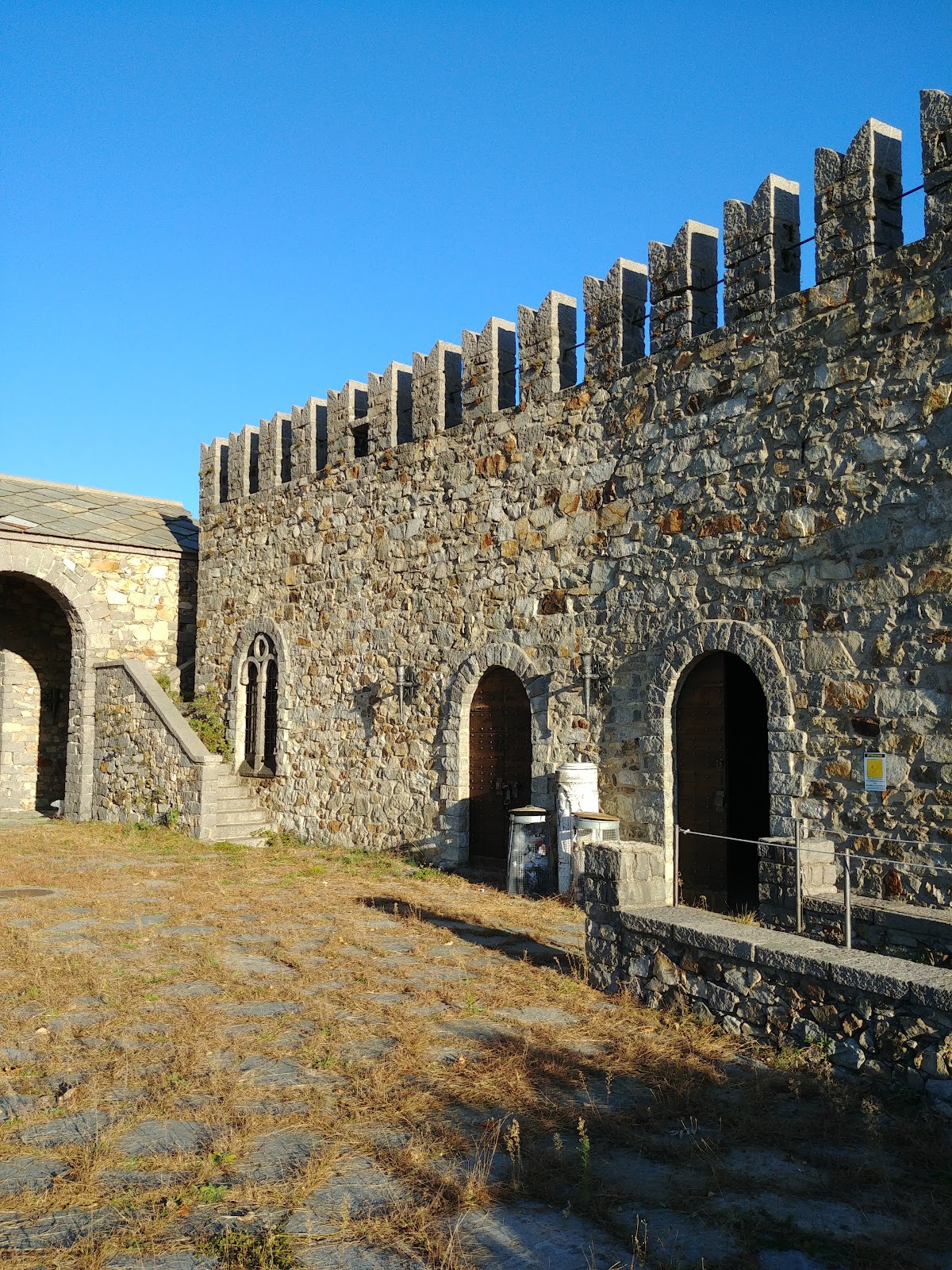
Zumaglia Castle is a medieval fortress in Italy, built in 1291 on the site of an earlier construction or fortification. It stands within the historical landscape of Piedmont’s Province of Biella and reflects the defensive importance of the summit on which it was established.
Around 1329, Lombardo della Torre, bishop of Vercelli and lord of the area, ordered the fortress to be reinforced. In the medieval period, a bishop was a senior Christian officeholder who governed a diocese and could also hold territorial and political authority, as Lombardo della Torre did here.
Destruction and Reconstruction
The castle was destroyed in 1556 during a bombardment by troops of Henry II, king of France from 1547 to 1559. Count Vittorio Buratti rebuilt it in 1937, approximately four centuries after its destruction. The building was subsequently restored during the twentieth century.
Modern Cultural Use
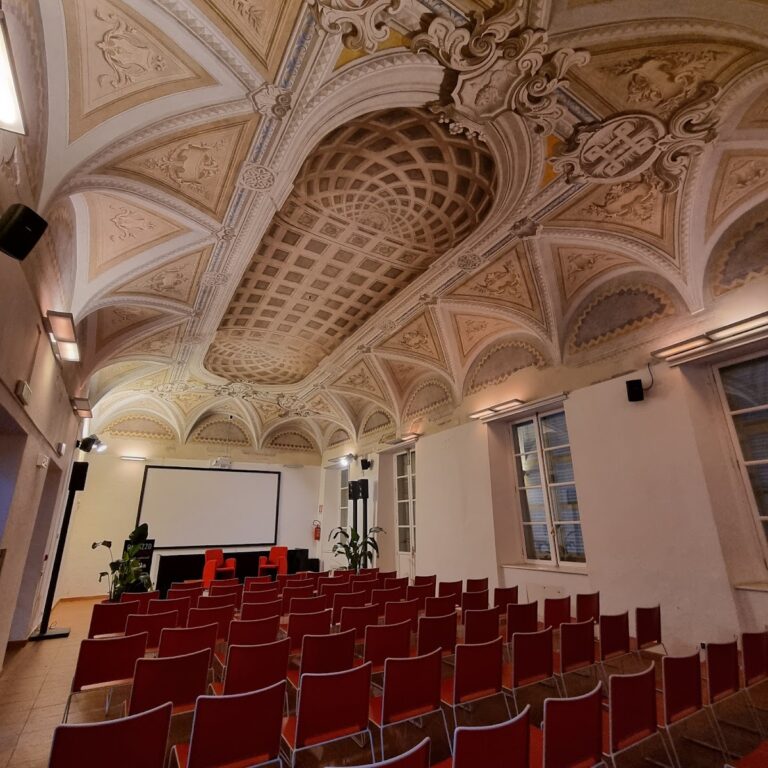
The surrounding Brich di Zumaglia and Mont Prève area became an equipped area in 1995. Since June 2013, A.R.S. Teatrando, a theater company, has managed the castle. Its uses include events, exhibitions, receptions, music, and other cultural activities. The company’s summer touring theater festival places stations along the castle walls and throughout the park. Zumaglia Castle is recognized as Italian national heritage.
Remains
Summit Setting
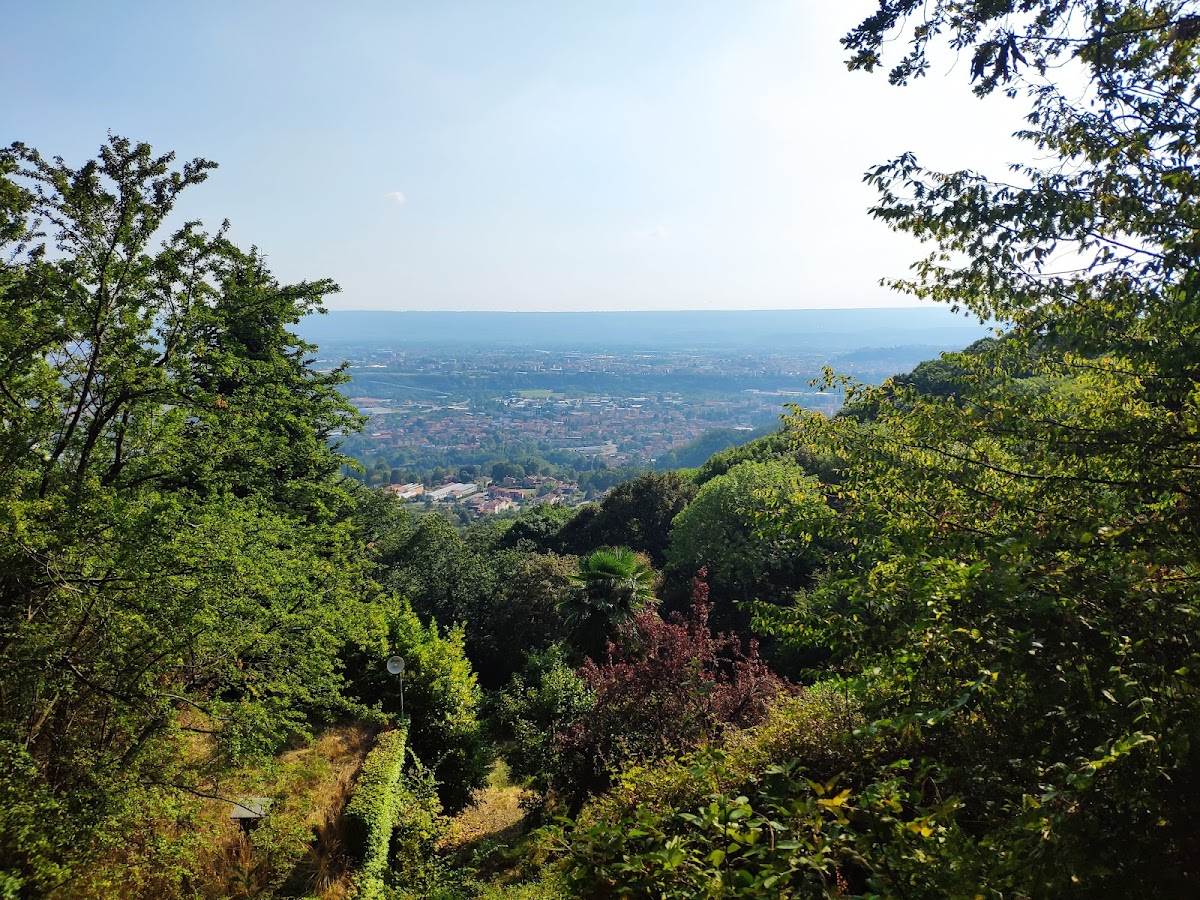
Zumaglia Castle stands at 669 meters above sea level on the summit of Brich di Zumaglia, at the boundary between the communes of Zumaglia and Ronco Biellese. The building is enclosed by a large, densely vegetated park containing rare and exotic tree species, including trees of considerable size. The nearby twin hill of Mont Prève forms part of the same landscape.
Hills and Surrounding Landscape
Brich di Zumaglia and Mont Prève are associated with the place-name Zumaglia, which derives from the Biellese term zumaja, meaning “udder.” The two hills are said to resemble an udder when viewed from a distance. The surrounding area is crossed by the Grande Traversata del Biellese, a long-distance hiking route.