Palace in Zbrosławice: An Eighteenth-Century Residence in Poland
Site at a Glance
- Rating
- 3.9
- Popularity
- Very Low
- Country
- Poland
- Primary era
- Early Modern
- External website
- Open
- Eras represented
- Early Modern
- Civilizations
- Holy Roman Empire, Kingdom of Prussia
- Site type
- Domestic
- Remains
- Elite Residence
On this page4 sections
History
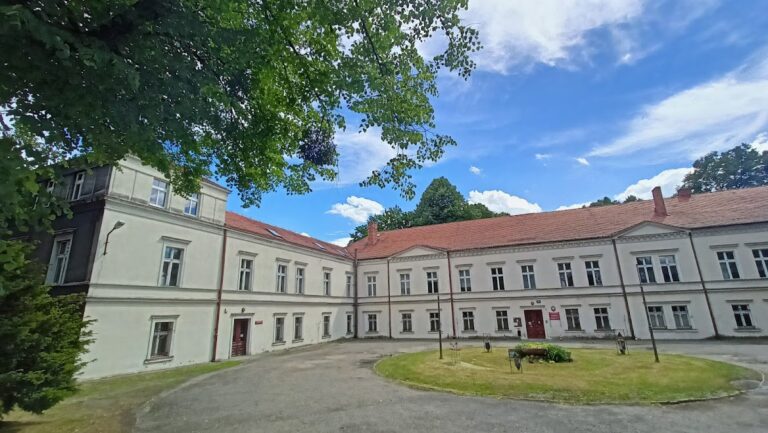
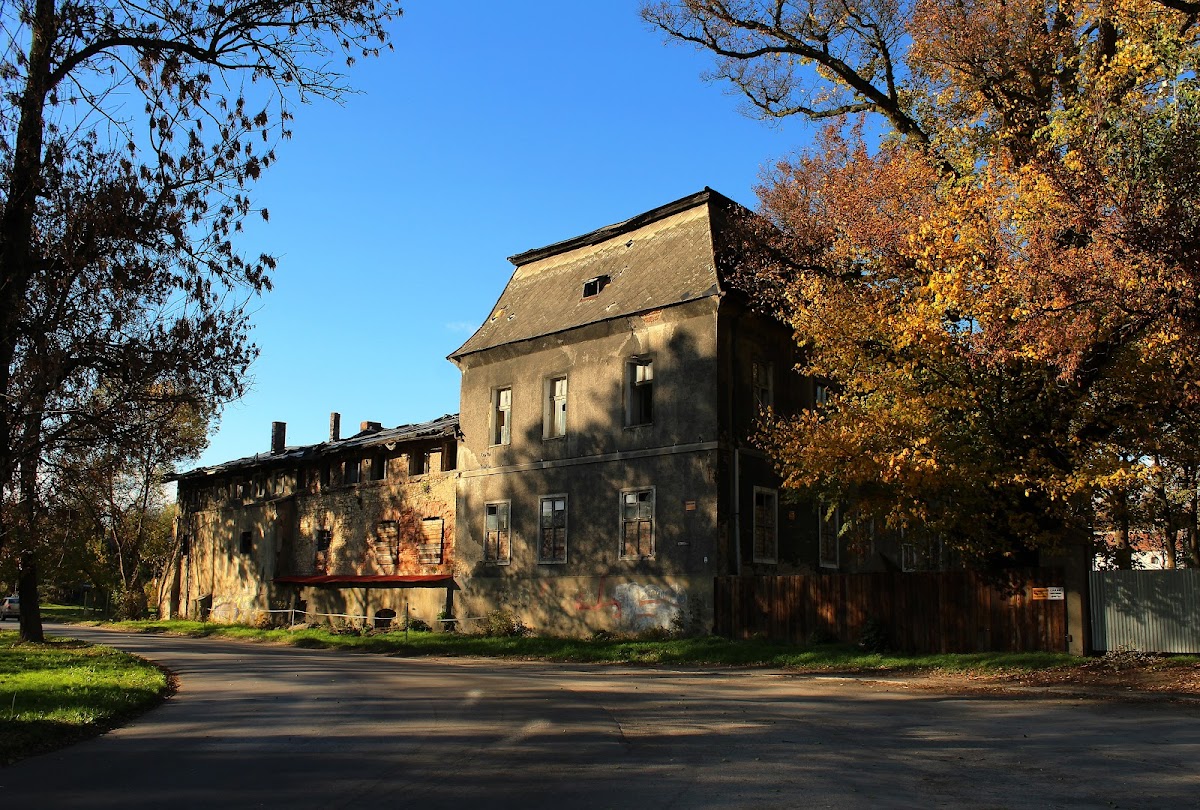
Palace in Zbrosławice is an eighteenth-century residence in Poland, built around 1756 by the von Stockmann family in the late-Baroque style. It probably replaced an older structure dating from the sixteenth or seventeenth century. The building was later remodeled, giving it the Classicist character seen today. Classicism favored symmetry and restrained forms inspired by ancient Greek and Roman architecture.
Construction and Later Changes
The palace formed part of an estate whose ownership later passed to the State Treasury, the legal designation for the Polish state when it owns property. Zbrosławice municipality subsequently used the building for a production cooperative and later adapted it for residential use as municipal apartments.
Ownership and Condition
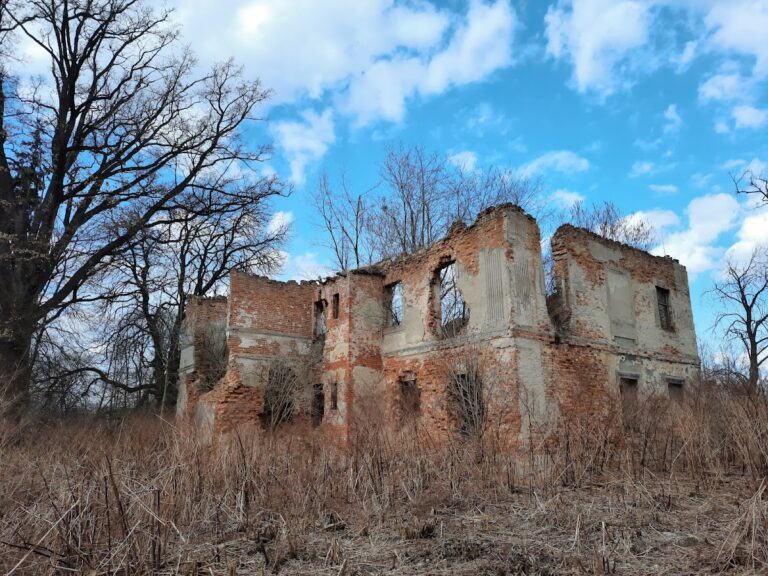
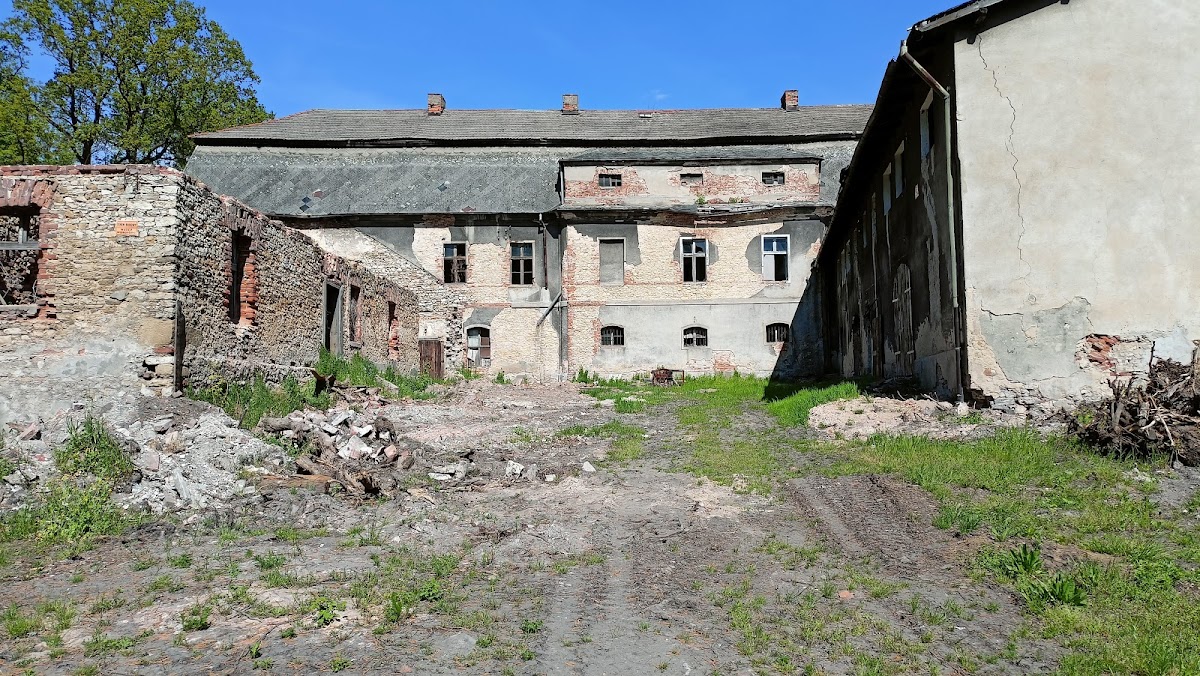
In 1998, Tadeusz Iwańczuk received the palace as compensation for property east of the Bug River. The property changed hands again around 2016. Years without repairs left the palace in poor technical condition. Around 2009, one person was living in the palace’s carriage house. The building is a registered immovable monument in Poland under entry A/373/12, dated 2 May 1966.
Remains
The palace is a plastered, two-storey building on a rectangular plan. It has a basement, a mansard roof, and an annex, while a carriage house adjoins the main building. Its original stone-and-brick construction belongs to the late Baroque, an elaborate European architectural style, although later alterations shaped its present Classicist appearance.
The basement retains barrel vaults with lunettes. A barrel vault is a ceiling formed by extending an arch continuously, while lunettes are curved recesses that intersect the vault. These surviving elements preserve part of the building’s earlier construction and interior arrangement.
Remnants of a park remain around the palace, including a black poplar. The surrounding farm buildings include a granary from the first half of the nineteenth century, adding a later agricultural element to the historic estate.