Castell de Travadell: A Muslim-Origin Hill Fortification in Spain

Site at a Glance
- Rating
- 4.5
- Popularity
- Very Low
- Country
- Spain
- Primary era
- Medieval
- Eras represented
- Medieval
- Civilizations
- Almohad, Crown of Aragon
- Site type
- Military
- Remains
- Castle
On this page8 sections
History
Muslim origins
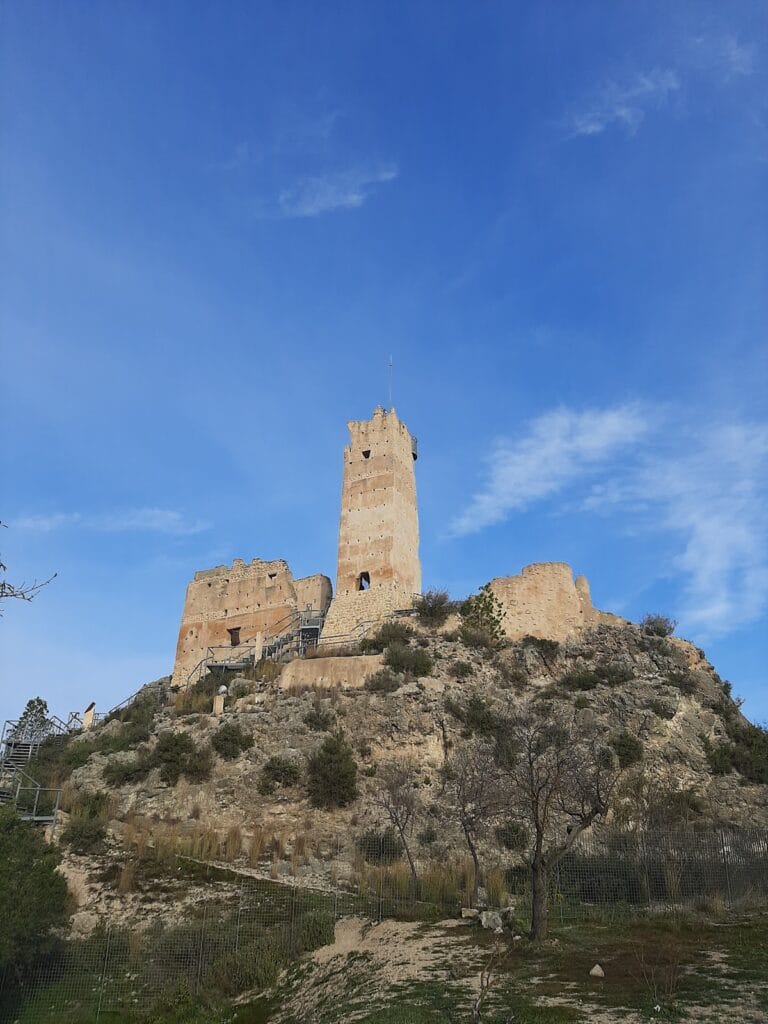
Castell de Travadell is a ruined hill fortification near Millena in Alicante, Spain, whose ceramic remains indicate a Muslim origin between the twelfth and thirteenth centuries. Bronze Age material found on the hill points to earlier activity in the area, while the castle itself belongs to the medieval period.
Christian occupation and abandonment
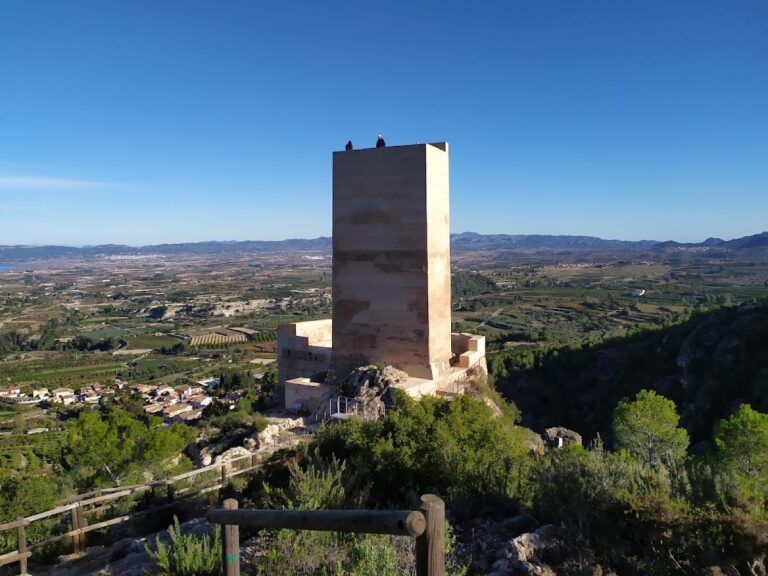
Christian modifications later transformed the fortification and produced the tower that survives in part today. Finds from the Christian period indicate intensive occupation during the thirteenth and fourteenth centuries. Pottery evidence places the castle’s abandonment around the fifteenth century.
Protection and literary memory
Spain’s Historical Heritage Law 16/1985 places the castle within the category of Bien de Interés Cultural, the country’s formal classification for cultural heritage recognized for historical or artistic value. Castell de Travadell was entered in the Valencian and Spanish heritage registers under reference RI-51-0010579 on 8 March 2001, despite its ruined condition.
The castle also has a place in Valencian literary tradition. In Enric Valor’s tale El Castell del Sol, Valor, a Valencian writer and folklorist known for adapting traditional tales, presents it as the “fortress of Benillup” and makes it a fundamental setting in the story.
Remains
Hilltop fortification
Tower
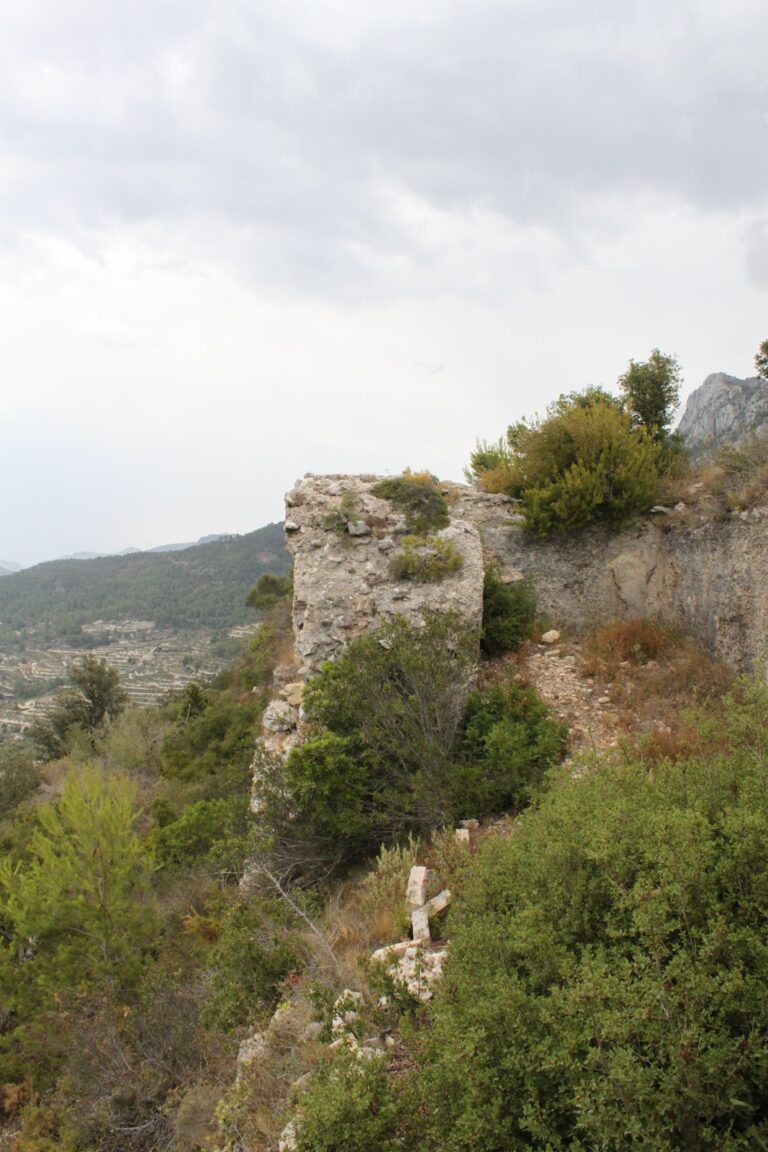
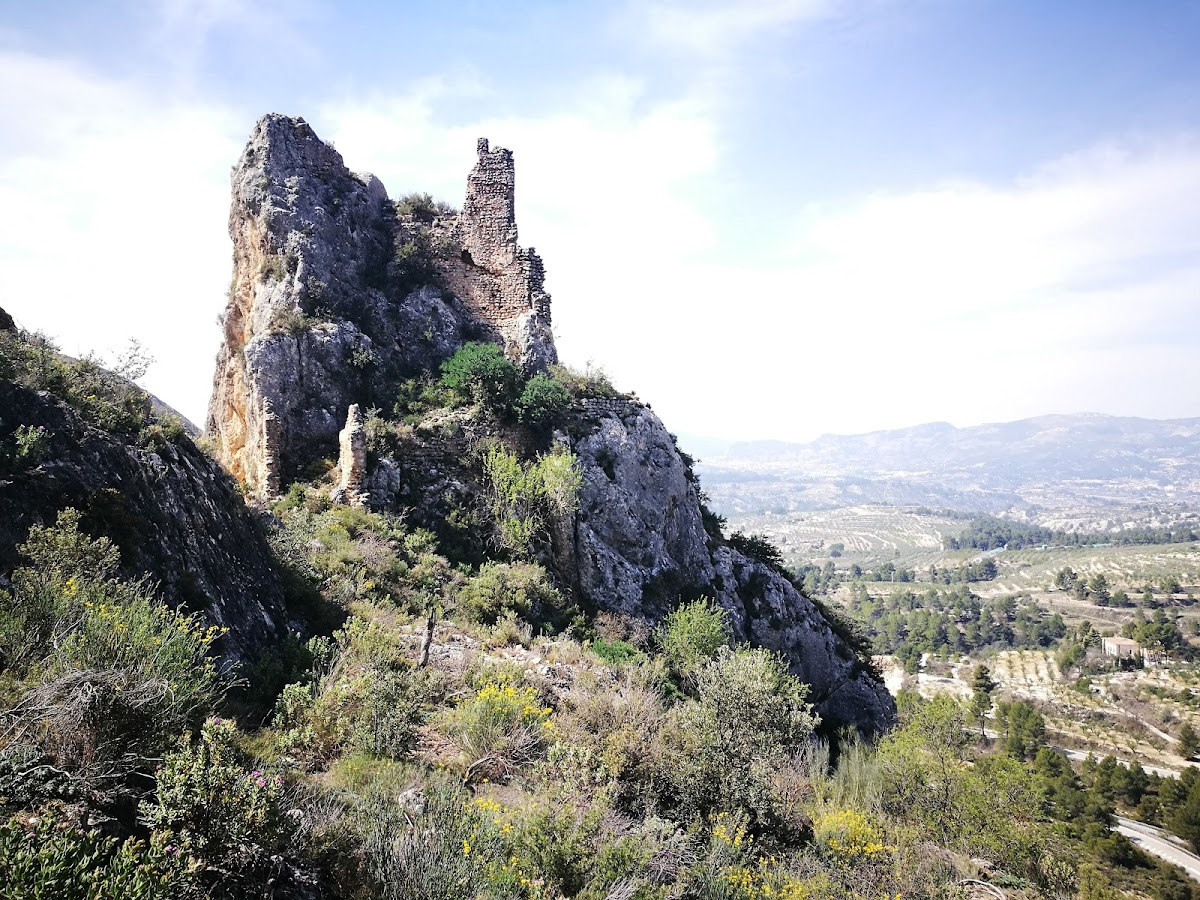
The castle stands on a steep hill about two kilometres from Millena’s urban centre, a few metres from the Almudaina range. Its principal building was a polygonal tower with a stated surface area of 55 m. The tower is thought to have contained two levels. Only its northwestern wall and part of its northeastern wall survive.
The tower walls were built with masonry and measure approximately 0.6 metres in thickness. Differences in wall thickness preserve physical evidence of alterations made during the Christian period.
Cisterns and rammed-earth structures
The surviving complex includes cisterns, sections of wall, and partly collapsed structures made of rammed earth, a technique in which earth-based material is compacted inside formwork to create solid walls. The last standing rammed-earth section was destroyed during Storm Gloria in 2020.