Cocentaina Castle: A Valencian Gothic Military Fortress in Spain


Site at a Glance
- Rating
- 4.6
- Popularity
- Low
- Country
- Spain
- Primary era
- Medieval
- Eras represented
- Medieval
- Civilizations
- Crown of Aragon
- Site type
- Military
- Remains
- Castle
On this page6 sections
History
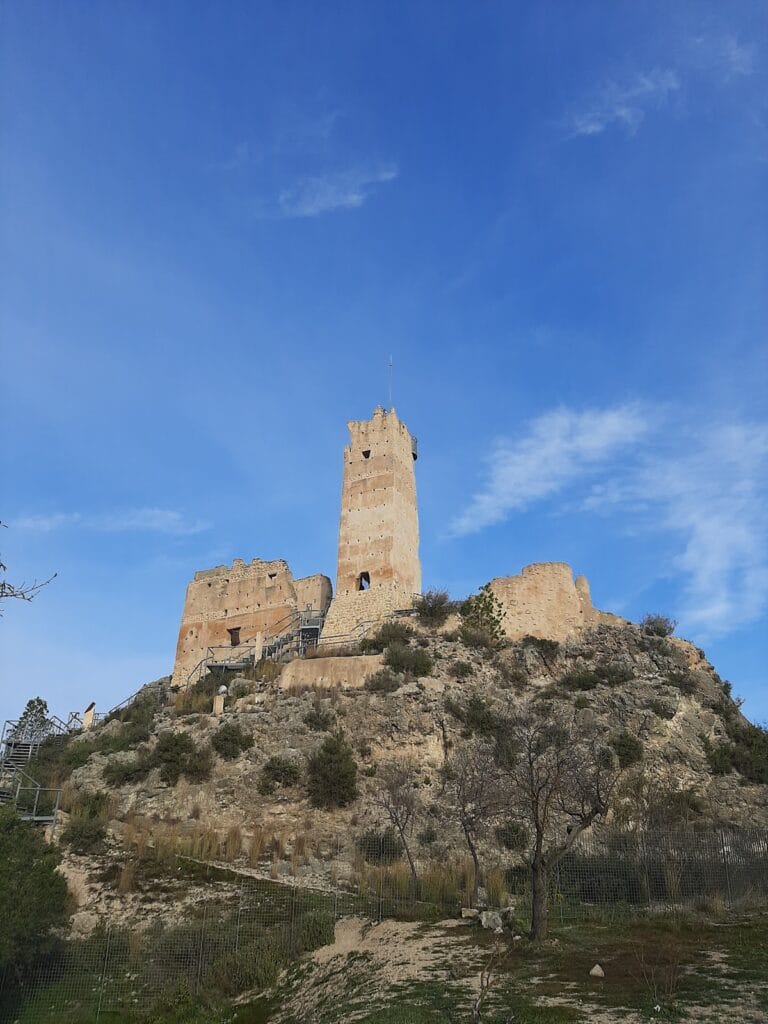
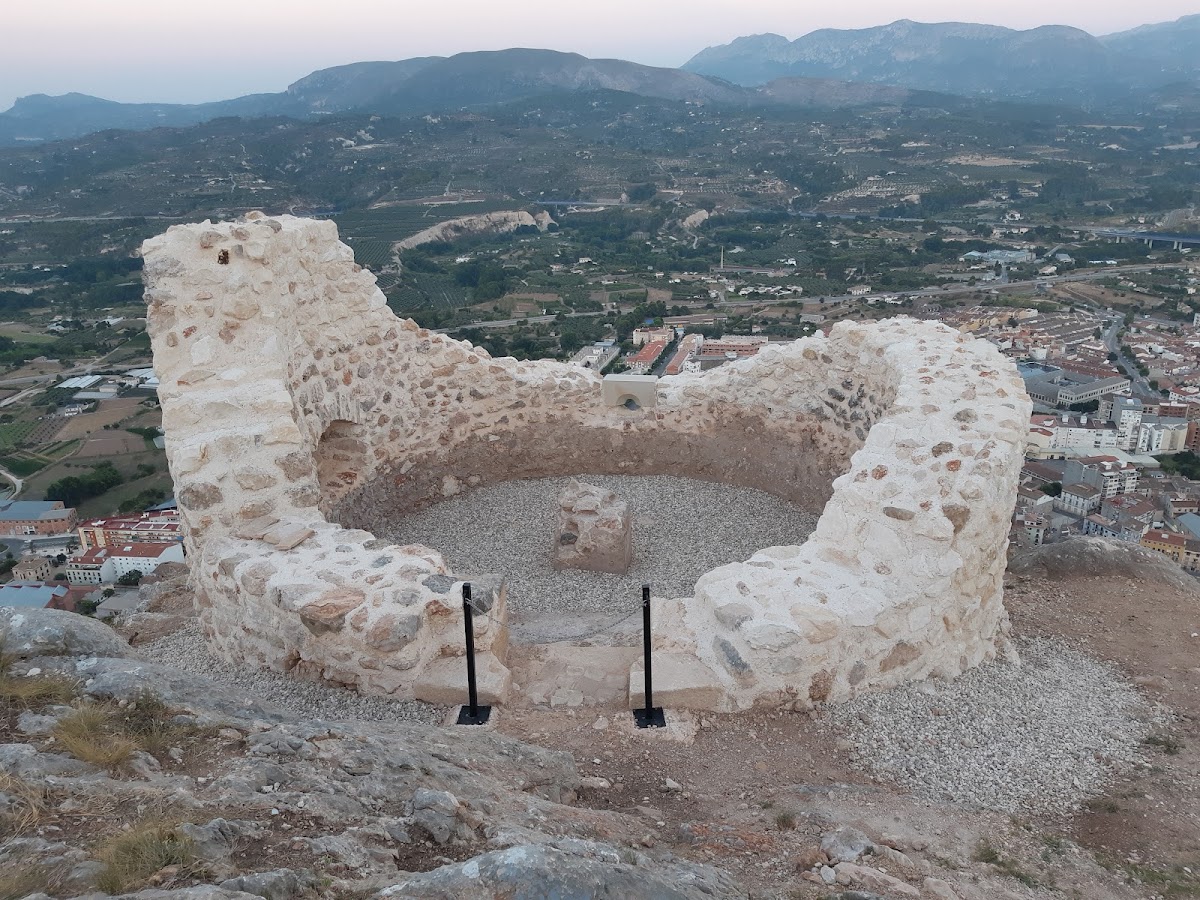
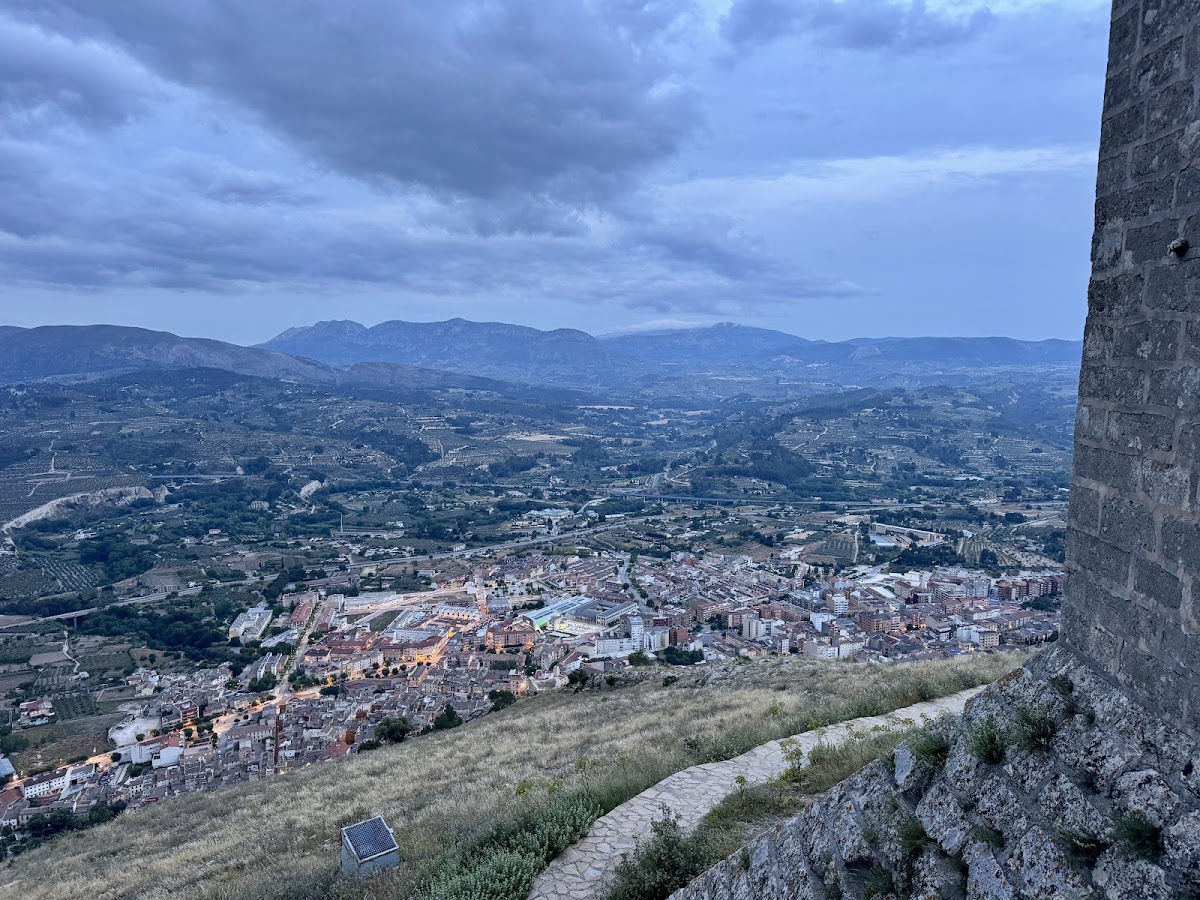
Cocentaina Castle is a military fortress in Cocentaina, Alicante, Spain, built in the late thirteenth and early fourteenth centuries in the Valencian Gothic style. It stands on San Cristóbal Hill at an elevation of 738 metres, over the remains of earlier Muslim defensive constructions.
Construction and Medieval Conflict
The castle formed part of the medieval defensive landscape of the region. Its Valencian Gothic design belongs to the regional Gothic tradition of Valencia, which used substantial masonry and defensive forms in military buildings. In 1303, during the Mudejar revolt, an uprising by Muslims living under Christian rule in medieval Iberia, the castle was looted and set on fire.
Restoration and Interpretation
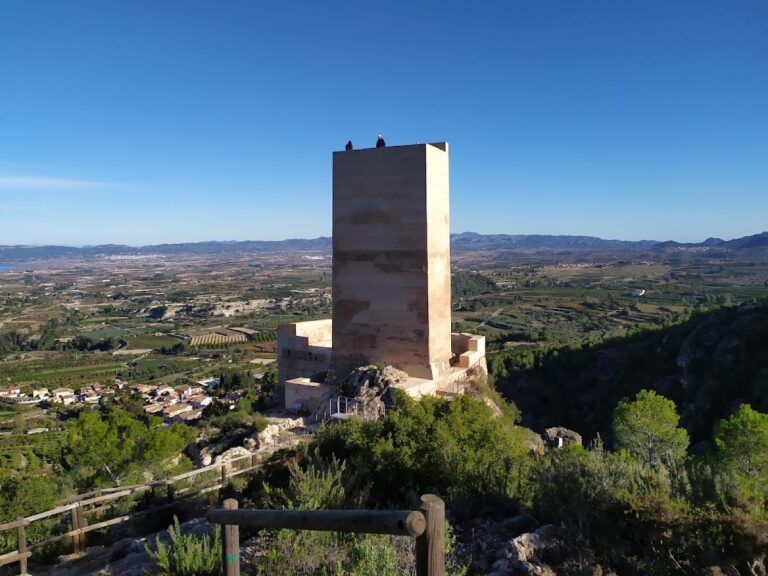
The castle has recently undergone complete restoration. Its interior now houses an exhibition of archaeological remains recovered from the area around the castle, linking the restored building with the material history of its surroundings. Cocentaina Castle was declared a monument on 25 June 1985.
Remains
Square Tower
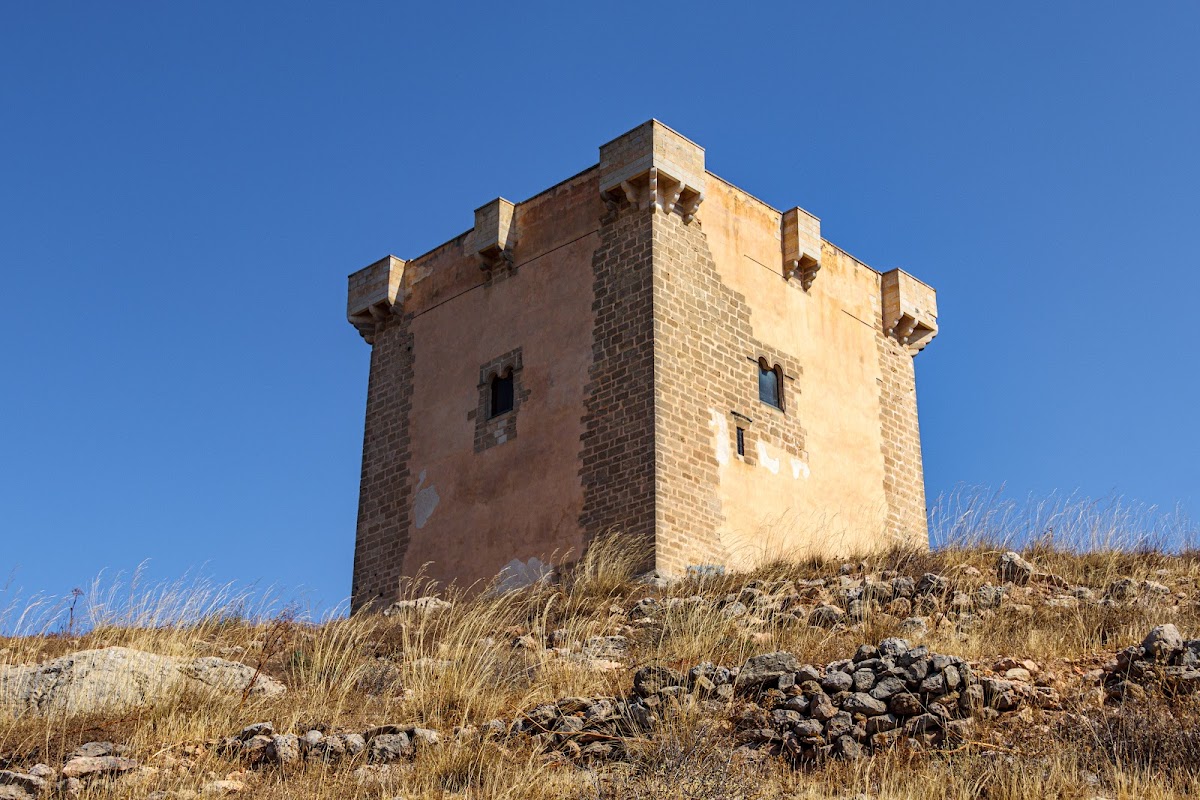
The surviving castle is organized around a large square tower, measuring 13.5 metres on each side and 12 metres high. It rises from a sloping base of ashlar masonry, formed from regularly cut stone blocks, between 2 and 4 metres high. The tower has two storeys. On the lower level, a light well with a cistern, a built reservoir for storing water, accompanies two arrow slits, narrow defensive openings for firing projectiles, a square room, and a rectangular room. The upper storey repeats this arrangement and has paired windows opening onto the exterior. A terrace occupies the entire top of the tower.
Masonry and Interior Exhibition
Ashlar masonry was used for important structural sections and rooms, while the remaining parts were built with rubble masonry, made from irregular stones set in mortar. The restored interior contains an exhibition of archaeological remains found in the surrounding area, adding an archaeological dimension to the tower’s surviving spaces.