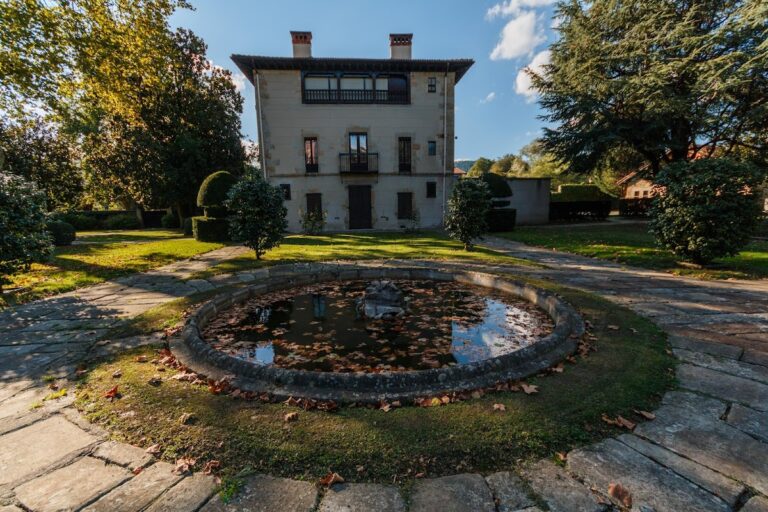
Legazpi dorrea (Legazpi House): A Historic Tower House in Spain
Site at a Glance
- Rating
- 4.1
- Popularity
- Very Low
- Country
- Spain
- Primary era
- Early Modern
- External website
- Open
- Eras represented
- Early Modern
- Civilizations
- Crown of Castile, Spanish
- Site type
- Military
- Remains
- Castle
On this page4 sections
History
Family Tower and Regional Conflict
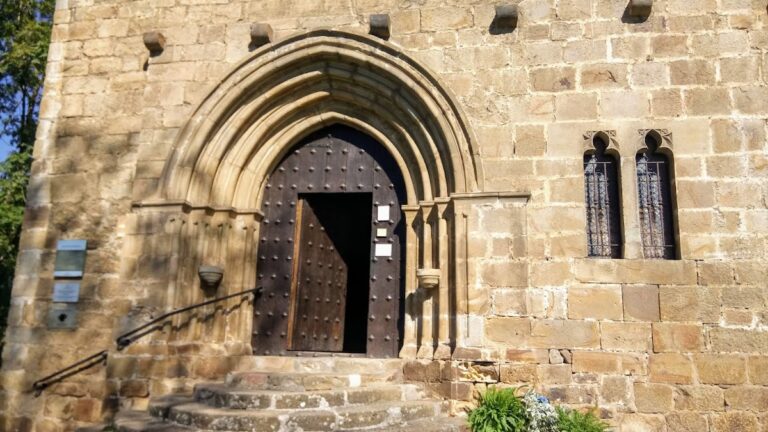
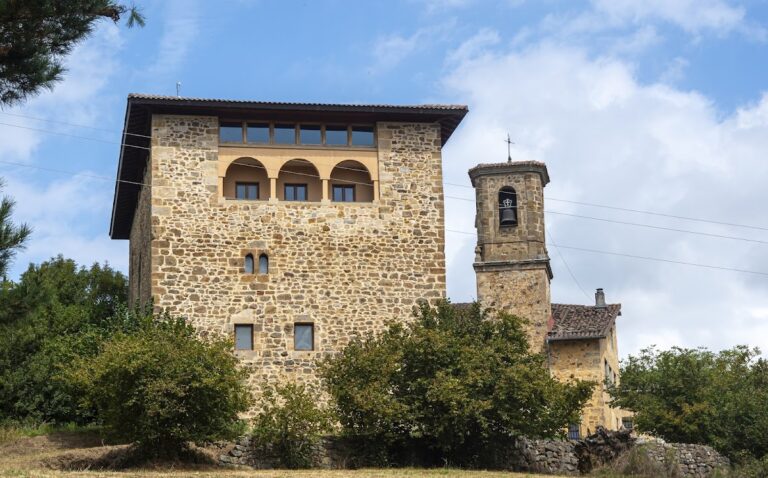
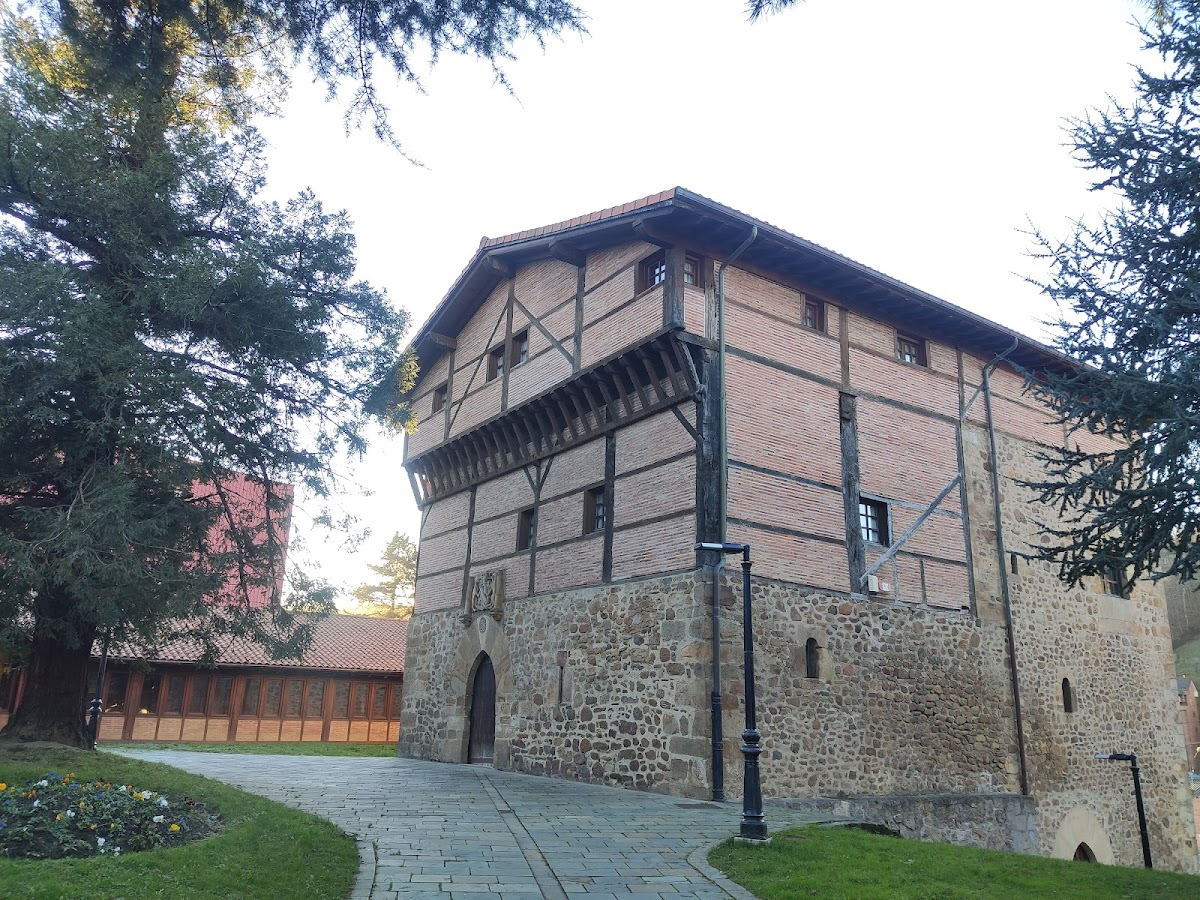
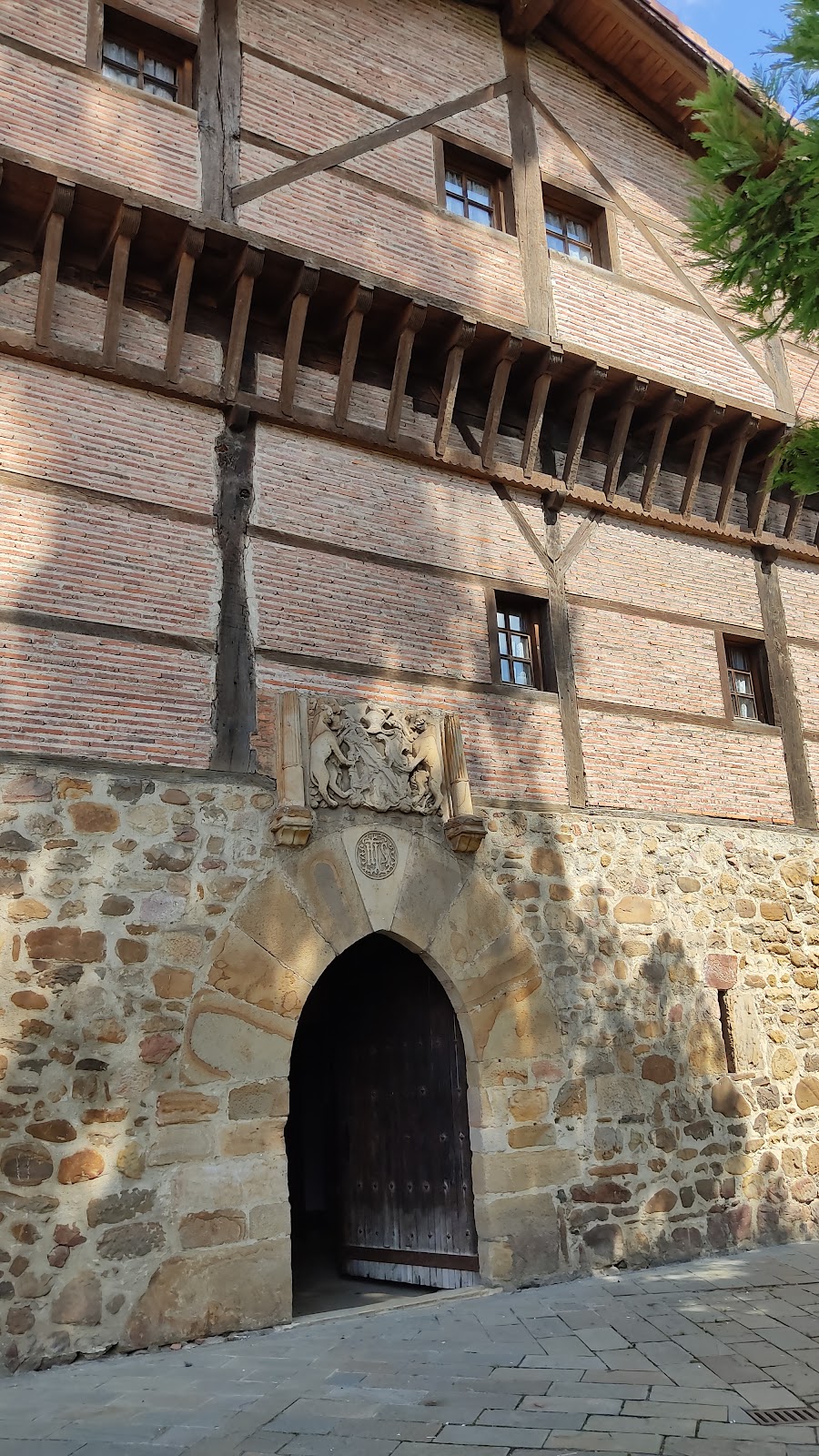
Legazpi House, also known as Legazpi dorrea, is a sixteenth-century tower house in Zumarraga, Spain, built by the Legazpi family in a combination of Gothic and Renaissance traditions. Its history is connected with the War of the Banderizos, a conflict between noble factions in the Basque region that lasted from the thirteenth to the fifteenth centuries. A tower house combined domestic accommodation with defensive construction, making it both a residence and a fortified building.
In the fifteenth century, Henry IV of Castile supported the hermandades, organized brotherhoods that acted for royal authority against the warring nobles. He brought the conflict to an end and ordered tower houses, including Legazpi dorrea, to lose their defensive elements. The building was then known as the Great Palace. Miguel López de Legazpi, the sixteenth-century Spanish explorer and colonial leader associated with the conquest and colonization of the Philippine Islands, was born there in 1502.
Changes of Ownership and Preservation
After Pedro de Legazpi acquired his grandfather’s lordship of Araia, he moved there and sold the tower to the Yarza family. During the eighteenth century, the Yarzas adapted the building for use as a farmhouse. Its survival was later threatened in the nineteenth century, when a railway was planned to pass beside it. The Zumarraga politician Nicolas Soraluze secured its preservation.
In the 1940s, the Esteban Orbegozo company acquired the building in very poor condition and obtained its recognition as a Historic-Artistic Monument, a heritage designation for places valued for their historical and artistic importance. The Gipuzkoa Provincial Council assumed responsibility for the building in the 1970s, and several restoration campaigns followed, including the latest works in the 1990s. Legazpi dorrea also holds Basque Government heritage-site and Asset of Cultural Interest designations, the latter being a formal category for protected cultural property.
A Hispano-Philippine Museum, devoted to historical and cultural ties between Spain and the Philippines, was established in the building in 1964. Legazpi dorrea is now used for exhibitions, lectures, meetings, and presentations, and it also houses the Secundino Esnaola Music School.
Remains
Legazpi dorrea survives as a tower house, tower, and monument opposite Zumarraga railway station in Artiz Auzoa, within the Urola Garaia region of Gipuzkoa. Its architecture combines Gothic and Renaissance features, reflecting the transition between later medieval forms and the Renaissance revival of classical design. The building’s physical identity remains tied to its original role as a fortified family residence, while its later adaptation as a farmhouse and subsequent restoration form part of its present character.
Nearby sites