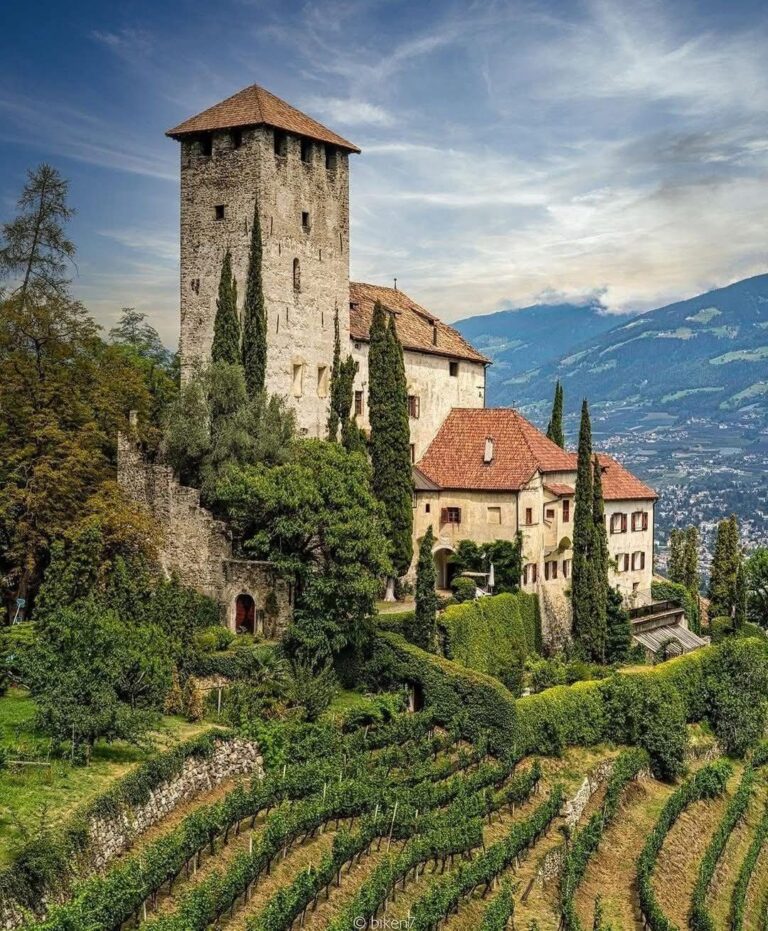
Dornsberg Castle: A Medieval Noble Residence in Italy


Site at a Glance
- Rating
- 4.2
- Popularity
- Very Low
- Country
- Italy
- Primary era
- Medieval
- External website
- Open
- Eras represented
- Medieval, Early Modern
- Civilizations
- Holy Roman Empire
- Site type
- Military
- Remains
- Castle
On this page6 sections
History
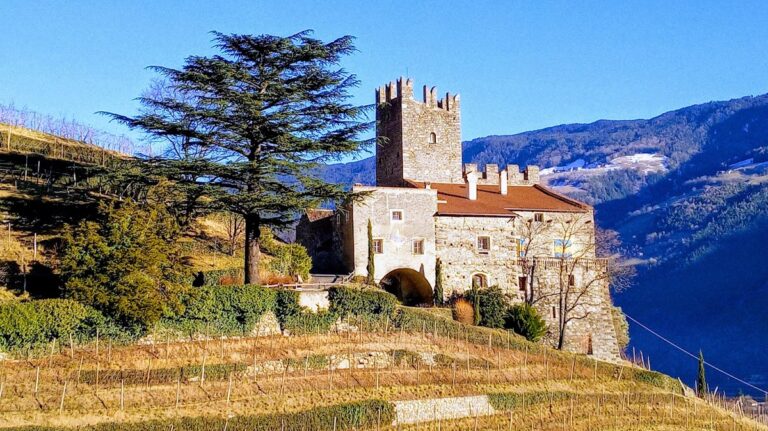
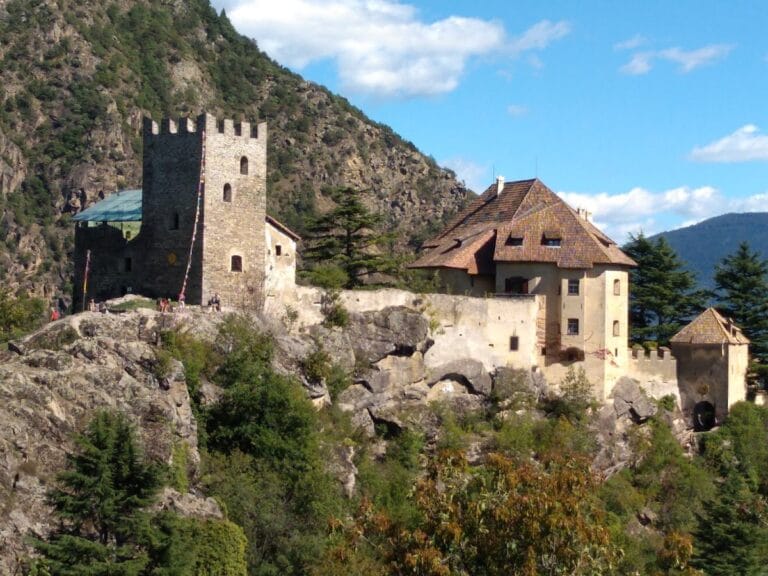
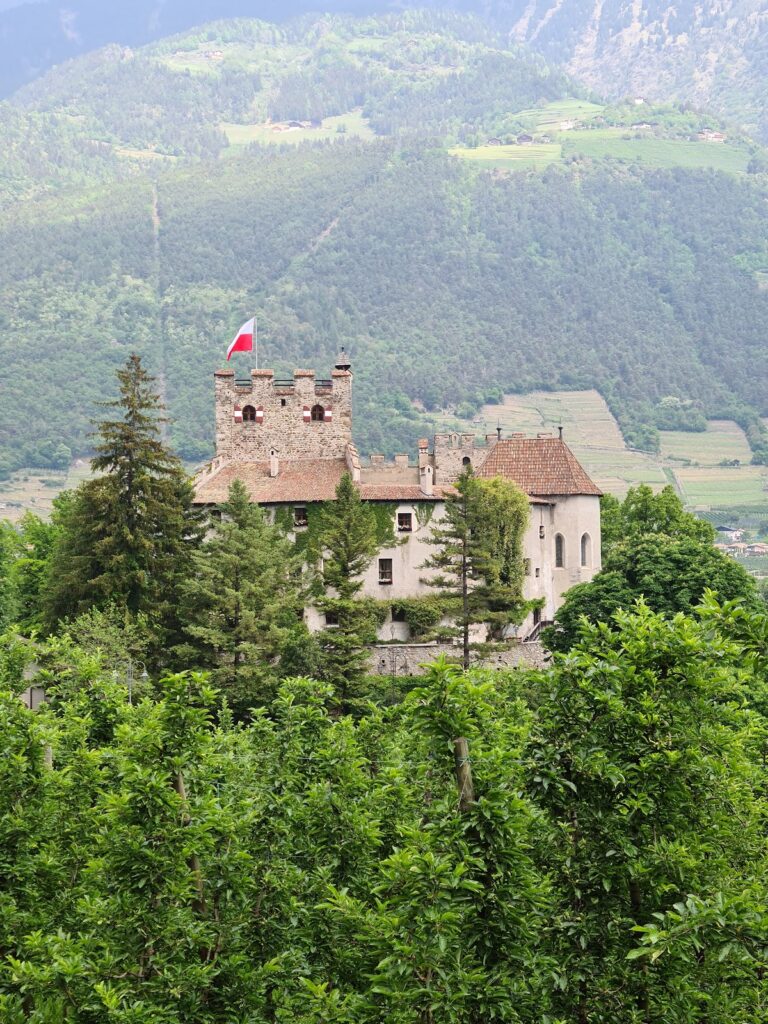
Dornsberg Castle is a medieval castle near Naturno in Italy, whose construction began in 1217 as the intended family seat of the noble Tarant family. Also called Tarantsberg and Castel Taranto, it stands within the historical landscape of South Tyrol and the Vinschgau valley.
The Tarant family and the Tyrolean rulers
The Tarants, also known as the Lords of Torand, initially served the Counts of Tyrol. These medieval rulers governed the County of Tyrol. The name Dorenberch appears in 1232, and the castle later became known as Dornsberg.
After Engelmar, Ulrich, and Hanns Tarant lost the favor of the Tyrolean rulers, the family was forced to sell the property. Arnold von Tarant transferred the castle to Meinhard II in 1291 for 226 Bernese marks. A Bernese mark was a medieval unit used for weight and monetary valuation associated with Bern. Meinhard II was a thirteenth-century count and ruler linked with Tyrol.
Changing ownership and restoration
Heinrich von Annenberg acquired the castle in 1347 from Ulrich von Reichenberg and Katharina von Waldeck. From 1699, it belonged to the Counts von Mohr, and it later passed to the Giovanelli and Fuchs von Fuchsberg families.
During the Renaissance, the castle was substantially enlarged and embellished with a loggia, an open-sided covered gallery, reaching its greatest period of splendor. After the Second World War, several families lived there, and this multiple occupancy damaged surviving structures and works of art. The Gottschall family of Munich acquired Dornsberg Castle in 1964 and completely restored it. The family remains its owner. The castle has been protected as a monument since 31 May 1950.
Remains
Fortified complex
Dornsberg Castle occupies a small elevation on the right side of the valley, at the foot of the Nördersberg, on a high rocky tongue. An outer courtyard enclosed by walls comes before the principal complex. Within it, the inner courtyard is surrounded by the keep and the other castle buildings. The keep is well preserved, while the Renaissance enlargement added a loggia to the architectural ensemble.
Chapel of Saint Ursula
The castle chapel, known as the Chapel of Saint Ursula, was built between 1270 and 1280 and dedicated to Saint Ursula, a Christian martyr and saint whose cult spread widely in medieval Europe. Its interior contains an altarpiece, other old paintings, sixteenth-century frescoes, and remnants of thirteenth-century frescoes.