Juval Castle: A Medieval Fortress and Mountain Museum in Italy



Site at a Glance
- Rating
- 4.5
- Popularity
- Medium
- Country
- Italy
- Primary era
- Medieval
- External website
- Open
- Eras represented
- Stone Age, Bronze Age, Medieval, Early Modern, Modern
- Civilizations
- Holy Roman Empire
- Site type
- Military
- Remains
- Castle
On this page13 sections
History
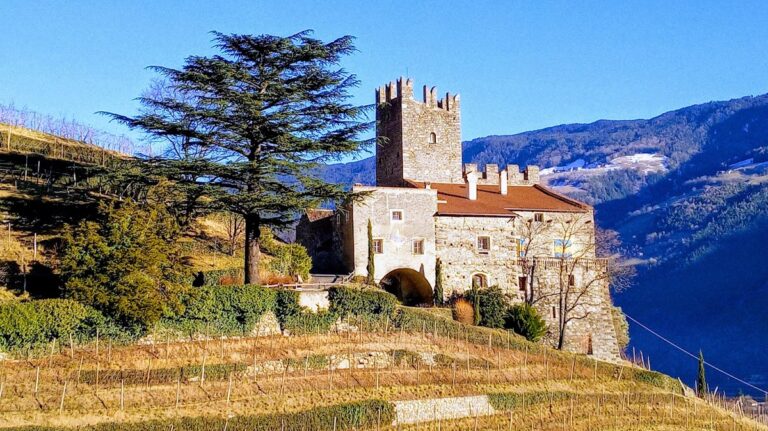
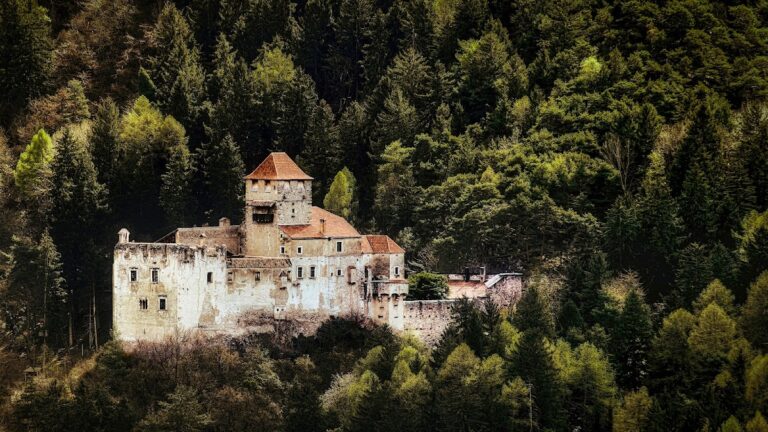
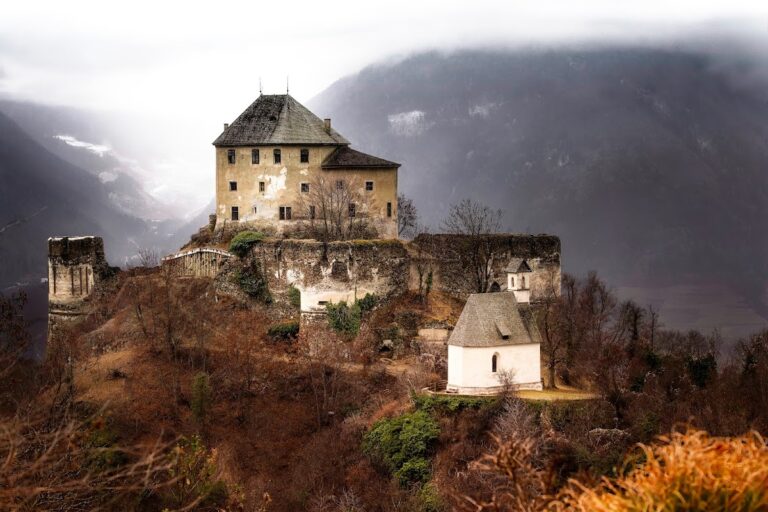
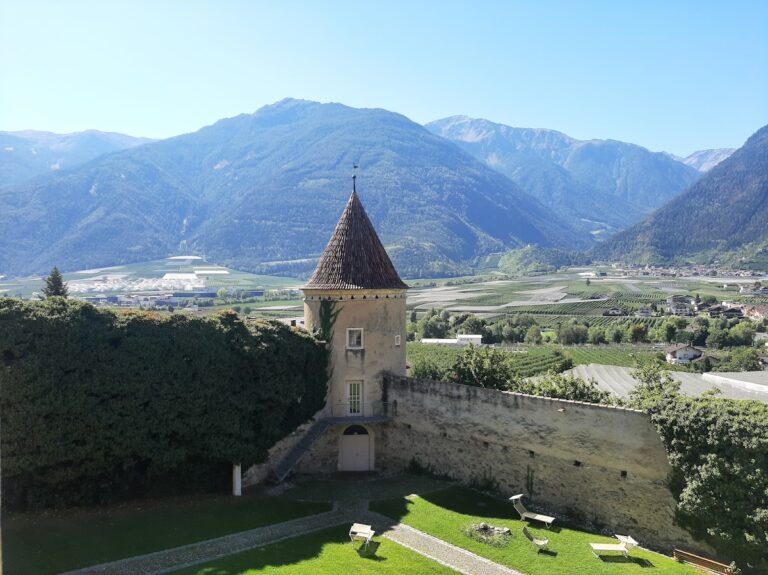
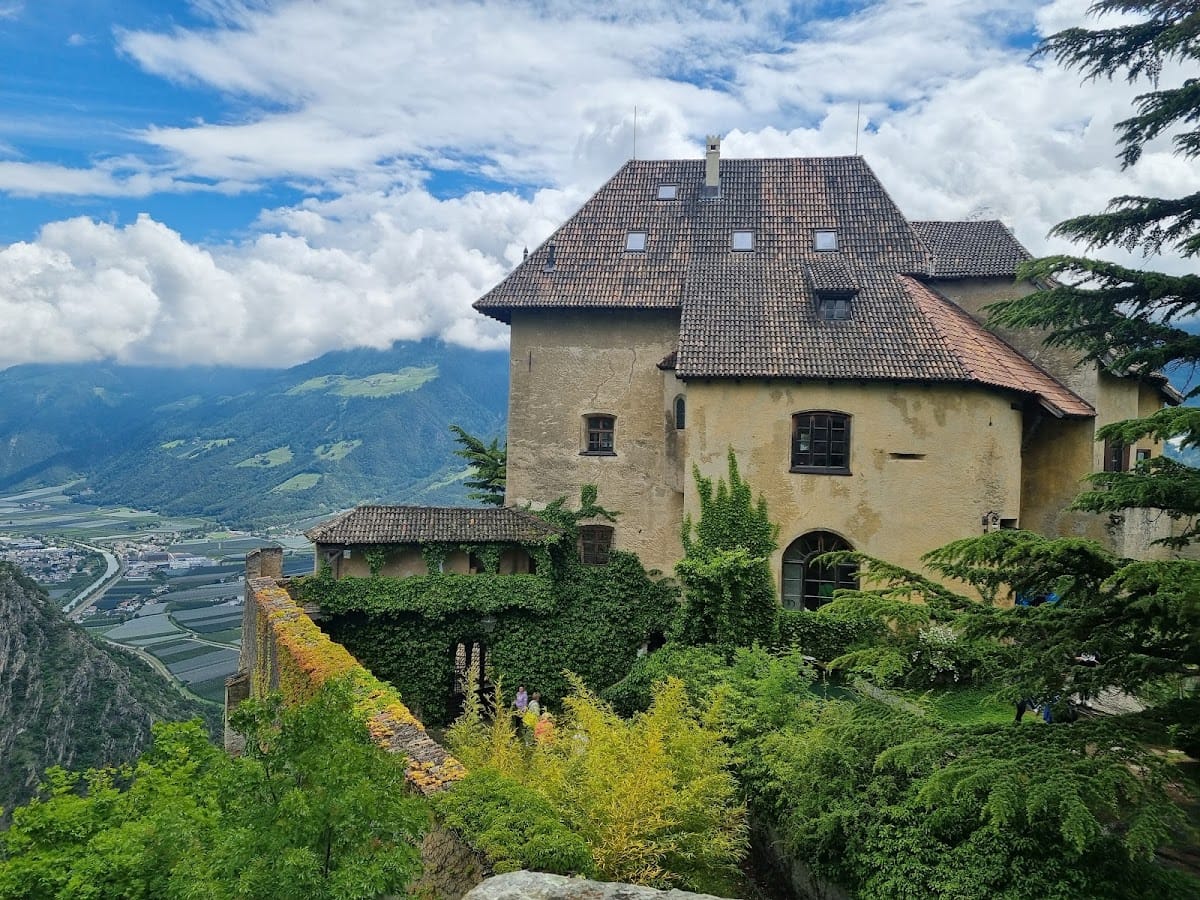
Juval Castle is a medieval hilltop fortress in Italy, above the entrance to the Schnalstal valley near Staben in South Tyrol. Built around 1250, it has a Romanesque core and later Renaissance elements, and occupies a rocky position at approximately 1,000 metres above sea level. The site overlooks the outlet of the Schnalstal into the Etschtal, where the rock platform controlled the accessible route into the valley.
Prehistoric and Medieval Origins
Archaeological work on the slopes of the castle rock has identified settlement remains from the Neolithic through the end of the Bronze Age. The elevated platform provided a defensible lookout, although later construction affected the prehistoric context and the exact purpose of the early settlement remains uncertain. A stone cross in the Carolingian tradition, an early medieval artistic tradition associated with the dynasty that ruled much of western and central Europe from the eighth to the tenth century, and two marble interlace stones attributed to the twelfth century suggest that an earlier fortified installation may have preceded the documented castle.
Juval was probably constructed around 1250 and appears in written records in 1278, when Hugo von Montalban owned it. The Montalban family was a Welf-associated ministerial noble family that settled in Tyrol during the eleventh century. In the Middle Vinschgau, its members held several fiefs and castles and exercised high judicial authority.
Tyrolean Rule and Renaissance Rebuilding
During the late thirteenth and fourteenth centuries, Juval belonged to the territorial possessions of the counts and dukes of Tyrol. It was listed as a princely property in 1293 and passed in succession as an administered estate or fief to members of the Parschins family, Wilhalmus von Prunnenberg, Albert von Camian, Friedrich Zobl, Albrecht von Aichach, Erhard von Häl, Ulrich von Matsch, Rudolf von Ems, the lords of Starkenberg, and Peter von Liebenberg. Repairs took place under Albert von Camian, while Albrecht von Aichach carried out an extensive and costly remodelling.
After Juval returned to direct princely administration in 1440, appointed custodians undertook further building work during the reigns of Siegmund and Maximilian I. These efforts did not halt the castle’s deterioration. From 1492, the inhabitants of Tschars sought assistance with an eleven-kilometre irrigation canal to Schnals. Intervention by Emperor Maximilian I eventually allowed the project to begin.
In 1526, Ferdinand I granted Juval as a hereditary fief to his councillor and secretary Andre Teubler. When Teubler’s son Johann died without heirs in 1537, the fief passed to Gaudenz von Madrutz. The castle was excluded from a valuation made that year because of its dilapidated state. Hans Sinkmoser acquired it in 1540 and transformed the deteriorating fortress into a representative Renaissance residence. Sinkmoser had previously held the Kellenamt, the Tyrolean office responsible for economic administration, revenues, taxation, and related judicial matters.
After Sinkmoser’s death, his son Josef and cousin Anton inherited the property in 1566. Unable to maintain it, they returned Juval to the territorial ruler in 1581. The Hendl family later acquired the estate and retained it for about two centuries. Emperor Leopold granted the family a comital title in 1697, but the Hendls did not reside at Juval and made no substantial investment in the castle. Their financial decline after the Tyrolean Wars, a period of early nineteenth-century conflicts and uprisings connected with Tyrol and the Napoleonic political order, led to the estate being offered for sale.
Agricultural Reuse and Twentieth-Century Restoration
In 1815, neighbouring farmers Joseph and Mathias Nischler bought the entire estate. They sold it in 1823 to Martin Torggler and Karlina Siller, who lost it in bankruptcy four years later. Joseph Blaas of Latsch then acquired the property. For a time, the castle served the farming family as a stable, barn, and dwelling. Permission to divide the farm was granted in 1839, and two farmsteads were built behind the castle between 1880 and 1890. Their construction used substantial quantities of masonry taken from Juval.
William Robert Rowland purchased the ruin in 1914 after arranging the acquisition through Paul Ladurner. Rowland was an Anglo-Austrian planter, writer, and journalist with business interests that included plantations in Southeast Asia. He planned an extensive restoration, but the First World War interrupted the work. He was interned and his property confiscated during the conflict. After returning to Europe, he resumed the project.
From 1923, Rowland restored Juval over approximately five years under the design and construction supervision of the Merano architect Adalbert Wietek. Monument-preservation authorities in Trento repeatedly objected to the work and imposed building stoppages, but the restoration proceeded. Rowland also developed the surrounding farm holdings, keeping livestock, raising poultry, and cultivating apples and grapes. He acquired the lower castle courtyard in 1930 and employed about twenty permanent workers on his properties.
Rowland was forced to leave Italy at the beginning of 1939 and later settled in Munich. The reasons for his departure remain uncertain. In mid-1943, German authorities confiscated Juval and used it as a shoe and laundry factory. Approximately forty prisoners were forced to work there in catastrophic conditions.
Later Ownership and Museum Use
After Rowland’s death in 1948, ownership passed to his widow Gertrud in 1949. The castle was again too ruinous for habitation, so she lived in the servants’ house. She sold the estate in 1954 to the Merano engineer Hans Klotzner, whose plan to make the castle habitable was not realised.
Reinhold Messner acquired the deteriorating castle in 1983 and subsequently restored it. Messner, an Italian mountaineer and collector, lived at Juval until June 2025. A glass roof was added in 1996, and the complex now houses the Messner Mountain Museum Juval as one of the branches of the wider museum network. Its themes include mountain beliefs from around the world, Tibetan art, sacred mountain imagery, religious masks, the Tibetan epic hero Gesar, and tantra, a group of South Asian and Himalayan religious traditions involving ritual, meditation, symbolism, and specialised teachings.
The castle’s name appears in historical forms including Jufal, Jufahl, Juvale, Juwaal, and Jufaal. Its origin is uncertain. Proposed explanations connect it with Latin words for a yoke or mountain pass, or with a Rhaeto-Romance expression meaning outside or down in the valley. A derivation from Mons Jovis, meaning Jupiter’s mountain, is considered unlikely. The name was later extended to the ridge and its scattered settlement.
Remains
Juval Castle occupies a rocky hill above the Schnalstal outlet, with the surviving complex combining a medieval fortress plan, a sixteenth-century residential remodelling, later farm use, and twentieth-century restoration. The castle rock has settlement remains at several points on its slopes, while the central complex contains defensive walls, a courtyard, dungeon spaces, and restored residential areas. A glass roof installed in 1996 covers part of the buildings.
Defensive Fabric and Early Stonework
Castle Wall and Early Medieval Features
A Carolingian-form stone cross is carved into a niche in the defensive wall. Two marble stones with interlace ornament, attributed to the twelfth century, also survive as early elements associated with the castle rock. Their decoration belongs to an artistic tradition connected with the early medieval and Carolingian periods, providing physical evidence for activity before the castle’s first written record.
Courtyard and Dungeon Spaces
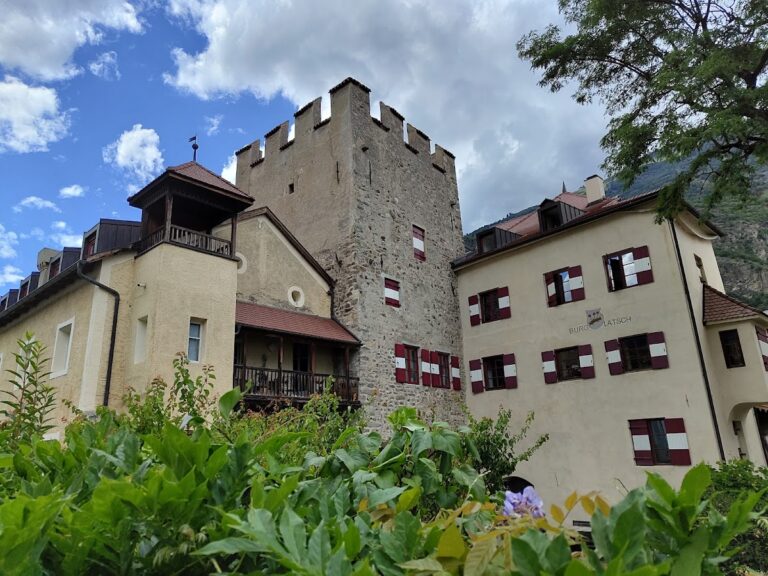
The medieval fortress was reshaped in the sixteenth century into a representative Renaissance residential castle, and the basic form created by that remodelling has largely survived. The complex includes a courtyard and dungeon spaces. The lower castle courtyard became part of the estate in 1930, while farm buildings erected behind the castle between 1880 and 1890 reused masonry taken mainly from the fortress.
Museum Collections and Associated Estate
Tibetan and Sacred-Mountain Displays
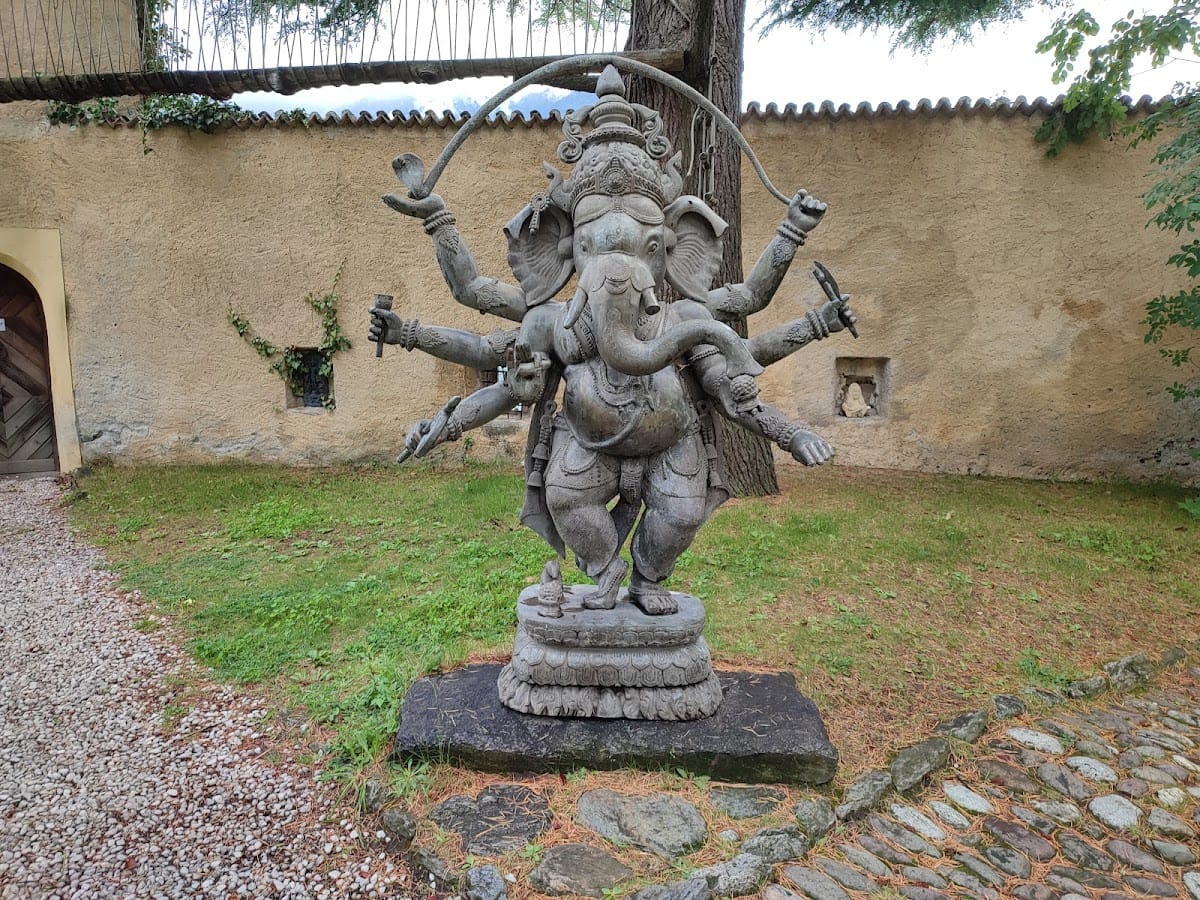
Parts of Reinhold Messner’s Tibetan collection are displayed in the courtyard and throughout the museum rooms. The collections include Tibetan artworks, paintings of mountains regarded as sacred, and religious masks from different parts of the world. Identified works include representations of Ganesha, a Hindu deity commonly associated with an elephant head, Shiva as Nataraja, the cosmic dancer, and a Bhairab mask representing a fierce manifestation associated with Shiva in Himalayan religious traditions.
Gesar and Tantra Exhibitions
One exhibition is devoted to Gesar, the hero of a Tibetan epic. Another addresses tantra, whose traditions use ritual, meditation, symbolism, and specialised teachings. These displays form part of the museum’s wider presentation of mountain beliefs and religious culture.
Restored Grounds and Agricultural Features
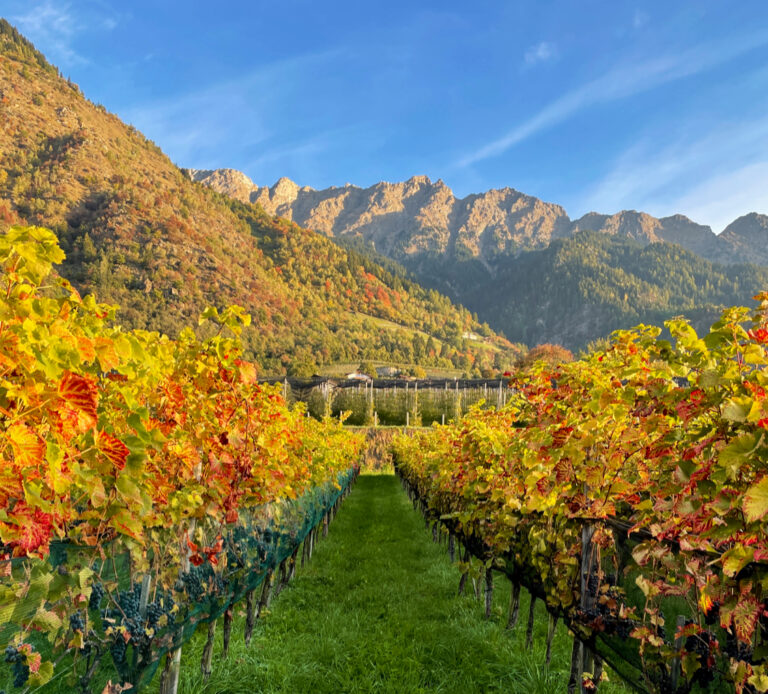
The castle is associated with a vineyard and tavern, and a nearby farm established through Messner’s initiative keeps domestic yaks. A botanical path surrounds the castle. The restored buildings, agricultural holdings, and surviving castle fabric together reflect the site’s passage from fortified residence to farm estate and museum complex.
Nearby sites