Schloss Hersbruck: A Renaissance Administrative Castle in Germany

Site at a Glance
- Rating
- 4.4
- Popularity
- Very Low
- Country
- Germany
- Primary era
- Early Modern
- External website
- Open
- Eras represented
- Early Modern, Modern
- Civilizations
- German, Holy Roman Empire
- Site type
- Civic
- Remains
- Palace
On this page8 sections
History
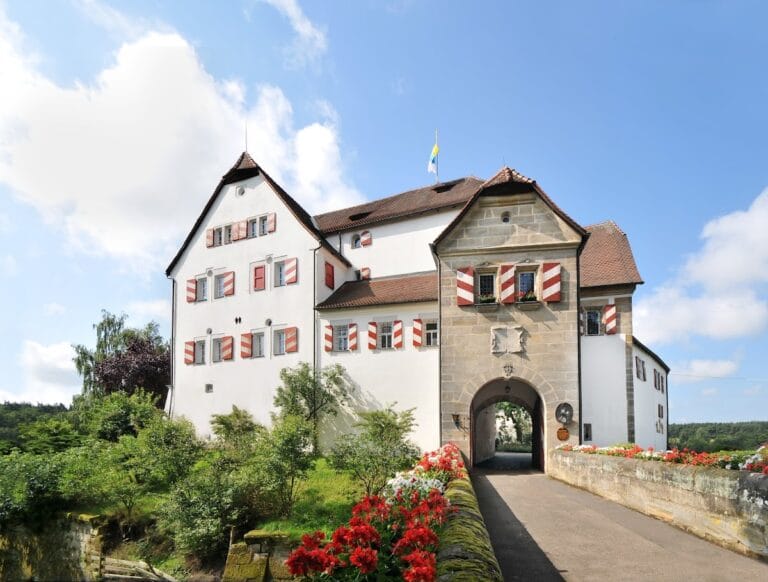
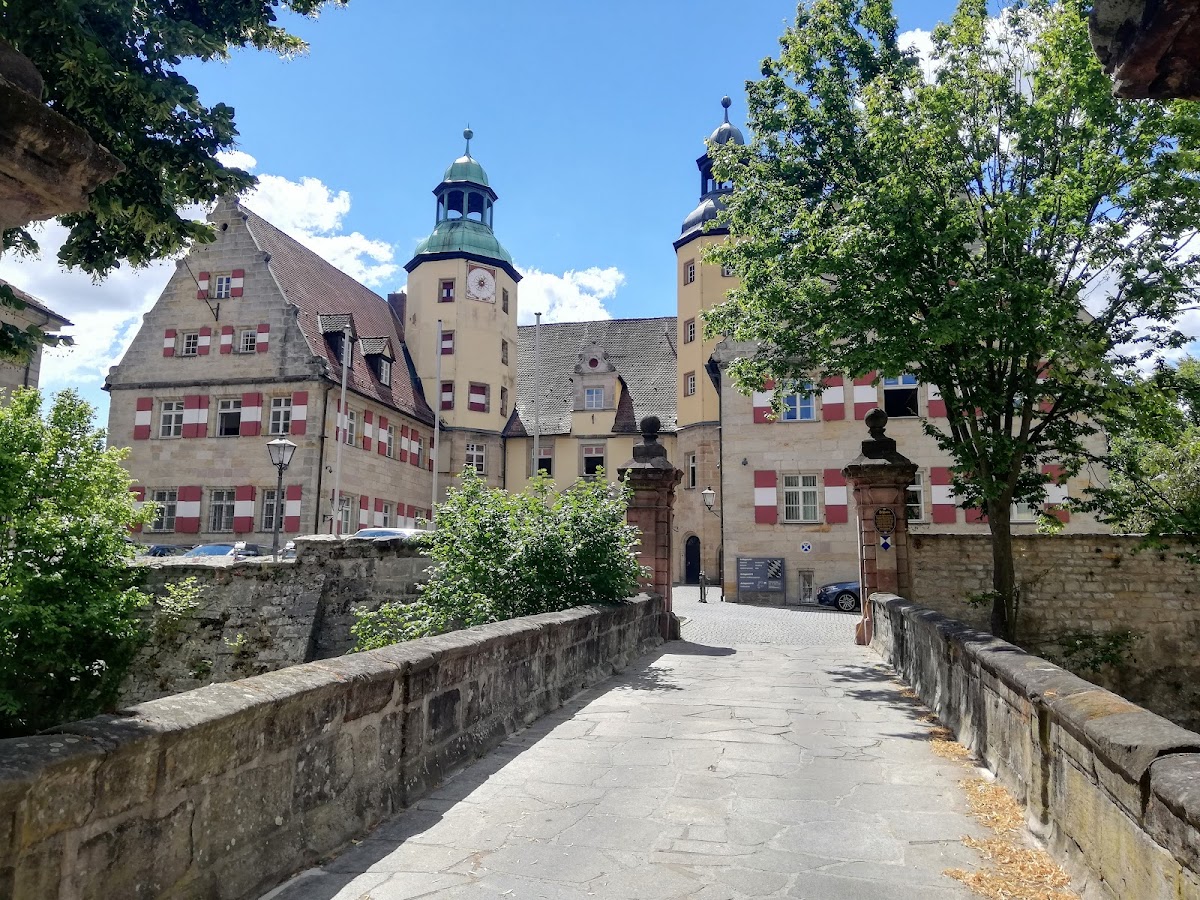
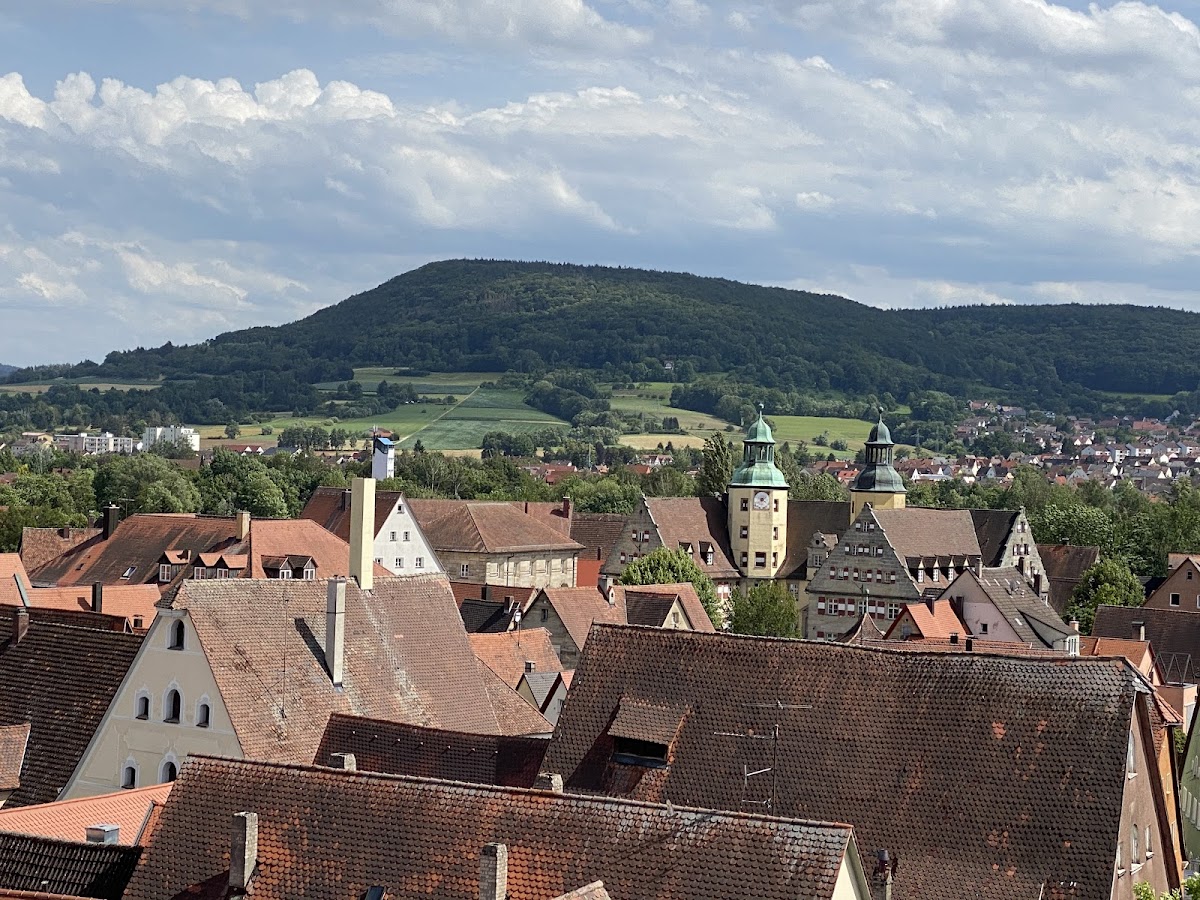
Schloss Hersbruck is a Renaissance castle in Hersbruck, Germany, whose principal surviving form dates from 1517. Built under the authority of the Free Imperial City of Nuremberg, it became the seat of a Pflegamt, an administrative district through which Nuremberg governed its surrounding territorial possessions.
Medieval origins
The site is believed to have begun as a monastery courtyard established on the grounds of an older castle. A fortified tower and residential seat are known from the medieval period, although their construction date is not established. Possible builders include the Counts of Sulzbach, who served as the monastery’s reeves in the eleventh or early twelfth century, and the Staufers, a major German ruling dynasty who may have developed the site in the late twelfth or early thirteenth century. The date and patronage therefore remain uncertain.
Nuremberg administration
Hersbruck territory became part of the Free Imperial City of Nuremberg in 1504. This self-governing imperial city then controlled the surrounding territory, and its authorities ordered the old tower to be demolished. The masonry was reused to line the moat.
In 1517, Nuremberg’s municipal master builder Hans Beheim the Younger constructed the Pflegschloss on the foundations of the former residential building. Its construction followed Hersbruck’s appointment as the seat of a Pflegamt, whose official, the Landpfleger, administered local territorial affairs. After the future Emperor Matthias, a Habsburg ruler of the Holy Roman Empire from 1612 to 1619, stayed in Hersbruck with a large entourage, the district administrator submitted a proposal and building plan to the Nuremberg Council in 1616 for enlarging the administrative castle at the lowest possible cost.
Later institutional use
The complex continued to serve changing administrative and judicial functions. It became the seat of a regional court in 1808, the district and revenue office in 1862, and the district administrative office from 1939 to 1972. It now houses Hersbruck Local Court, an ordinary court subordinate to Nuremberg-Fürth Regional Court and ultimately to the Nuremberg Higher Regional Court. Schloss Hersbruck is protected as a Bavarian architectural heritage monument and forms part of a designated cultural-heritage complex in Hersbruck.
Remains
Medieval fortifications
The earlier complex included a fortified tower and a residential seat, or Kemenate, a chamber building traditionally associated with heated living space in a medieval fortified complex. The former tower was demolished after 1504, and its stones were incorporated into the lining of the moat. These reused materials preserve a physical connection between the medieval fortification and the later castle.
Renaissance castle
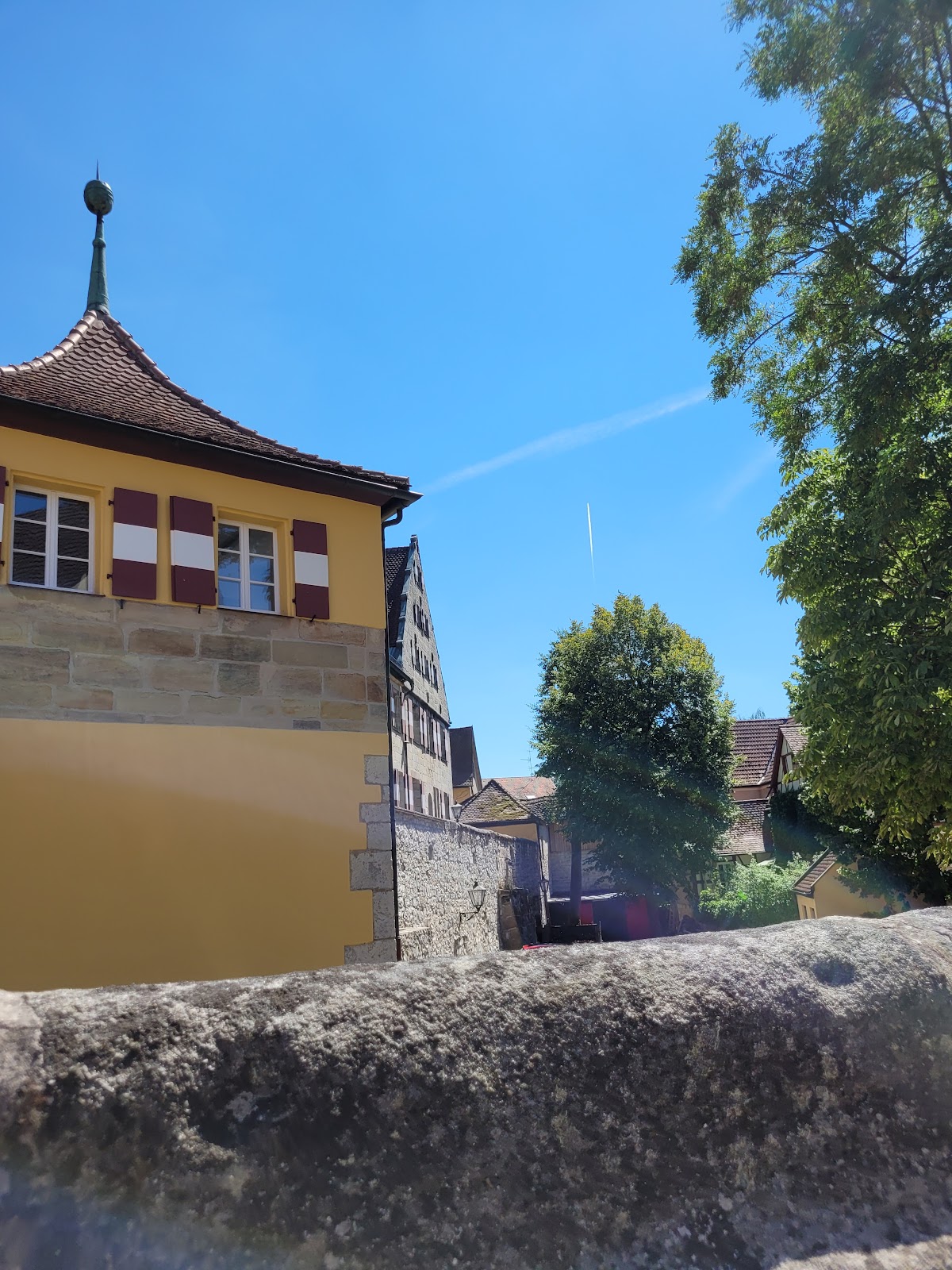
The 1517 Pflegschloss was a simple two-storey Renaissance building with a hipped roof. It largely retained the dimensions of its predecessor, measuring approximately 27 by 11 metres, and stood on the older foundations of the Kemenate. The castle is situated among the hills of Hersbruck Switzerland, the hilly region surrounding Hersbruck in Franconia.
Western tower and detention building
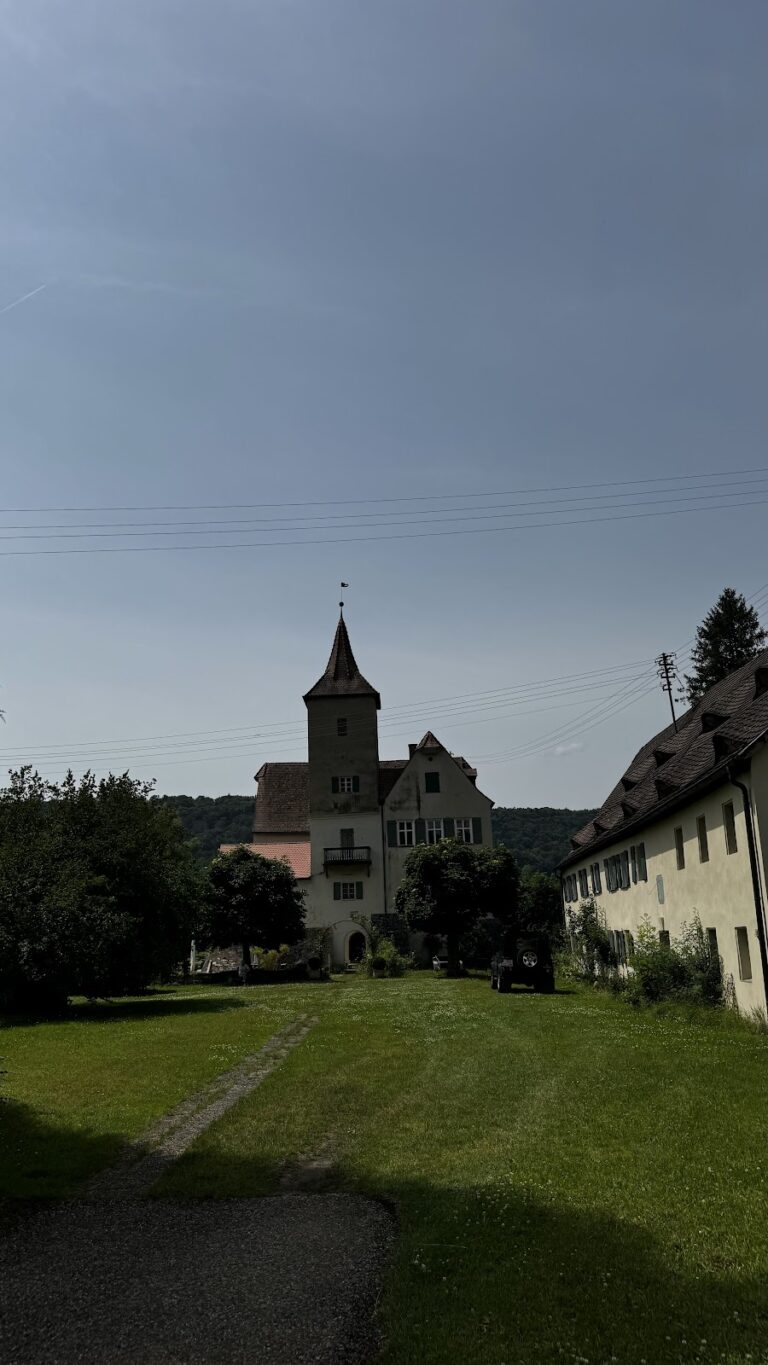
The western castle tower was reduced by half in 1909 and reconstructed in 1972. Elsewhere in the complex, a Fronveste, meaning a fortified detention or prison building, replaced the former tithe barn in 1840. Together, these alterations reflect the continued adaptation of the castle complex to later administrative and judicial uses.