Château de Sauveterre: A Renaissance Château in France



Site at a Glance
- Rating
- 4.3
- Popularity
- Very Low
- Country
- France
- Primary era
- Early Modern
- Eras represented
- Medieval, Early Modern, Modern
- Civilizations
- French
- Site type
- Domestic
- Remains
- Castle
On this page6 sections
History
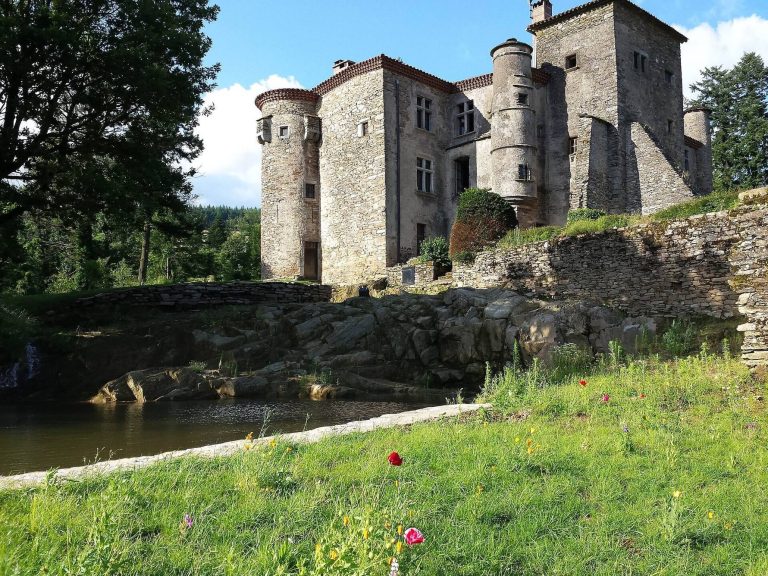
Château de Sauveterre is a Renaissance château in France, built in the sixteenth century by the Auxilhon family. It stands on a site associated with an earlier fortified castle burned during the Albigensian Crusade, a thirteenth-century campaign against Cathar communities and their supporters in southern France.
Medieval origins
After the earlier castle was destroyed, monks re-established a settlement there as a sauveté, a medieval community placed under ecclesiastical protection to encourage settlement. This foundation gave rise to the name Sauveterre. The later history of the site is not fully certain, since it is unclear whether the sixteenth-century château occupies the same position as the earlier castrum, or fortified settlement.
In 1452, a château that had fallen into ruin was sold to the Auxilhon family “as it stood.” Its deterioration was partly connected with the destruction caused by the Hundred Years’ War, the prolonged conflict between the English and French crowns during the fourteenth and fifteenth centuries. By 1407, only three households remained in the village. The Auxilhon family originated in Picardy, and its establishment in the region was linked to a knight who distinguished himself at the Battle of Bouvines in 1214, later joined the crusade led by Simon de Montfort, and received a fief.
Rebuilding and later damage
The present château was built by the Auxilhon family in the sixteenth century. It suffered further damage during the French Wars of Religion, a series of civil and religious conflicts in sixteenth-century France. During the French Revolution, the owners emigrated, and the château was confiscated and looted. It was returned to them during the Restoration, the period when the Bourbon monarchy returned after Napoleon’s fall.
Major works followed between 1818 and 1825 under the direction of the architect Bernard Charles. These interventions formed part of the château’s later remodeling. The property remains privately owned and has been listed as a protected historic monument since 31 July 2002.
Remains
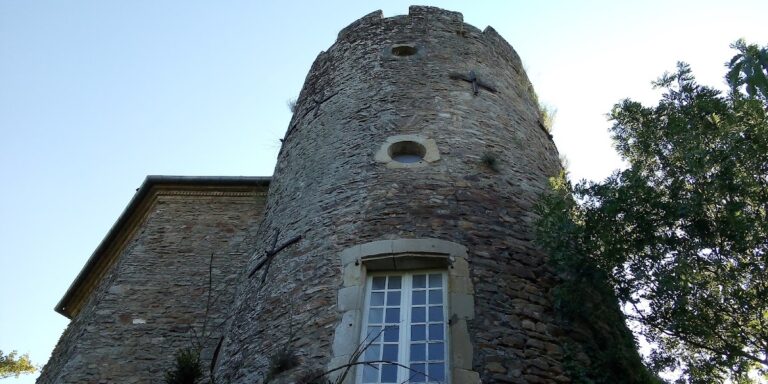
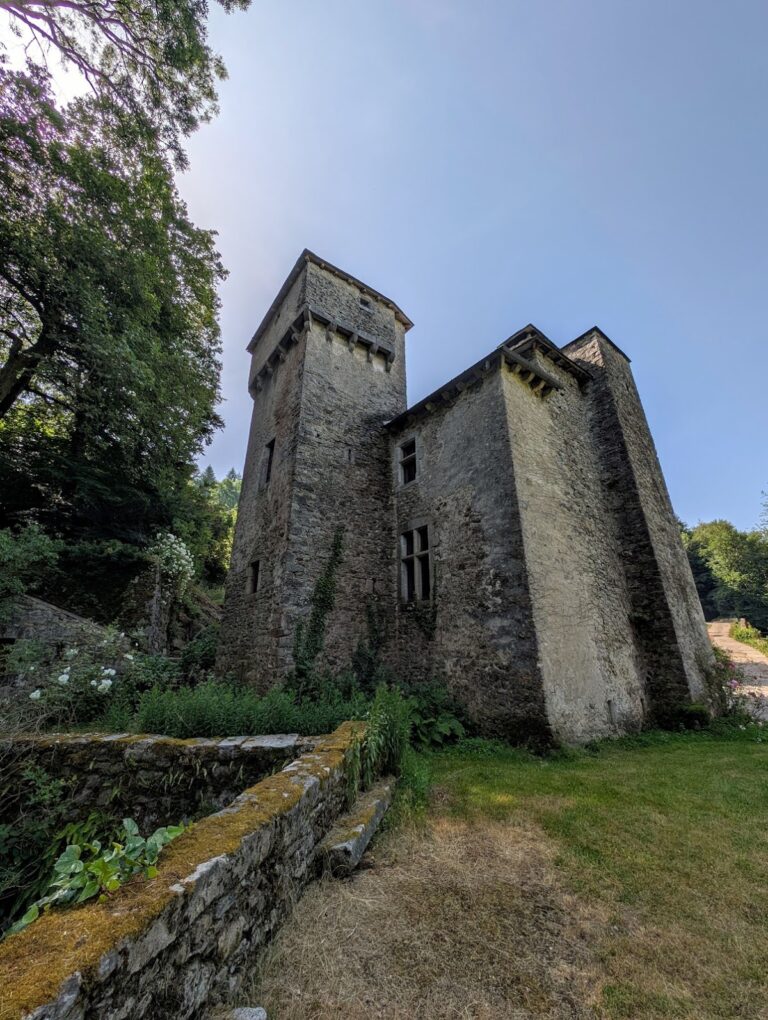
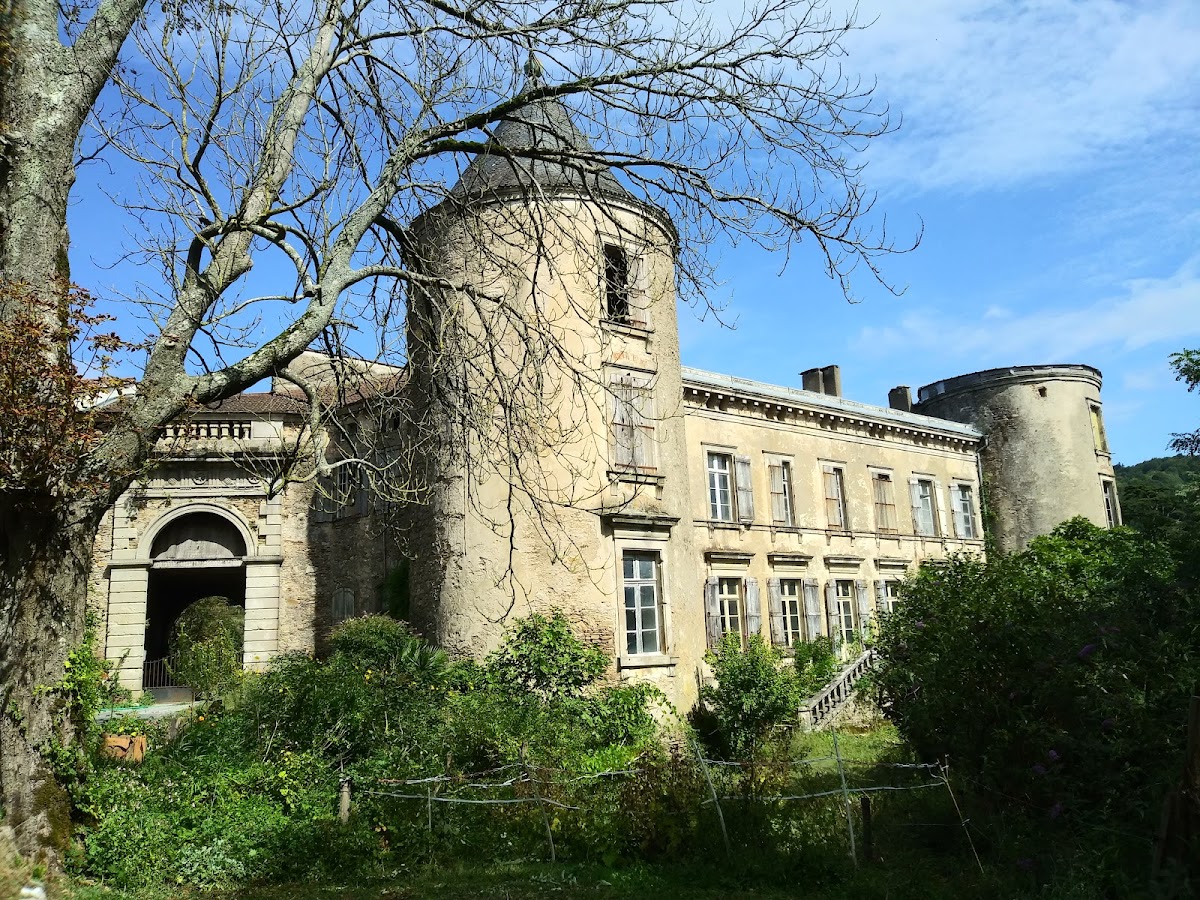
The surviving complex is centered on a Renaissance main building approximately 40 metres long. Its façades and interior arrangements were remodeled after its original construction, while two towers frame the façade facing outward from the château. A crenellated cornice supports the roof, combining a defensive-looking upper detail with the building’s later architectural changes.
Main building
The interior contains a Neoclassical staircase, using forms inspired by ancient Greek and Roman architecture, together with trompe-l’oeil paintings that create the illusion of three-dimensional objects or architectural elements. These features belong to the château’s remodeled interior rather than its original sixteenth-century arrangement.
Chapel and park tower
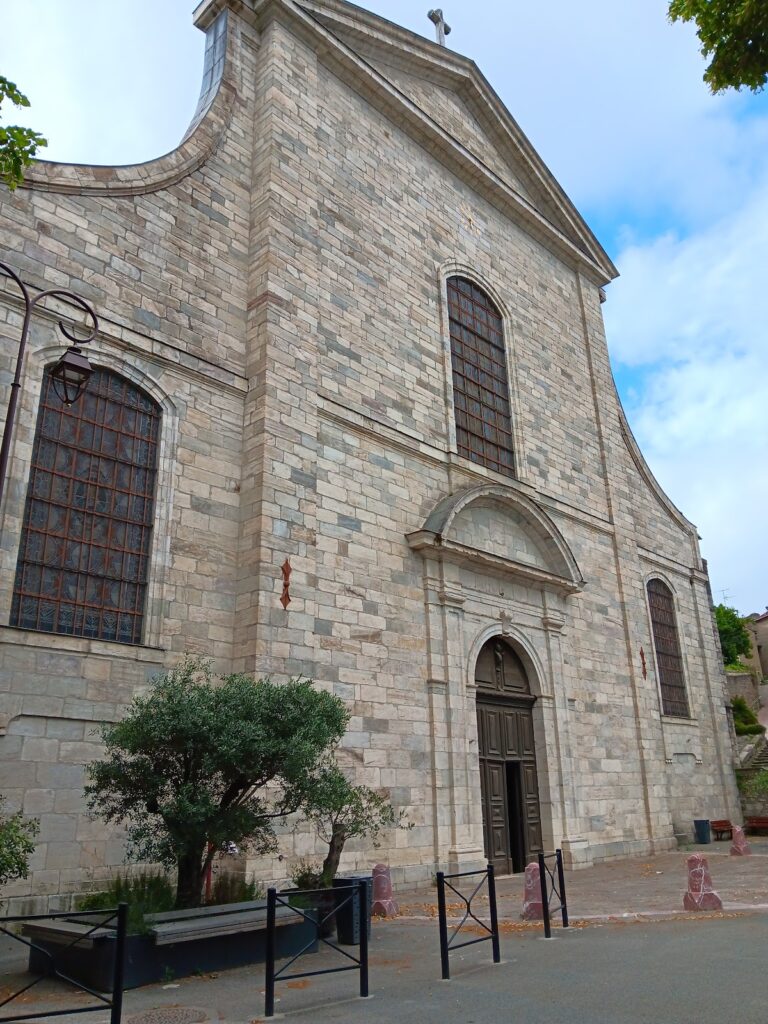
The former château chapel is attached to the main building and later became the parish church of Sainte-Croix de Sauveterre. It retains an access point connected with the château and contains the burials of numerous members of the Auxilhon family. In the park, a small tower from the older château was converted into a dovecote, preserving a physical element associated with the site’s earlier building phase.