Château de Saint-Trys: A Historic Country Residence in France

Site at a Glance
- Rating
- 4.7
- Popularity
- Very Low
- Country
- France
- Primary era
- Early Modern
- External website
- Open
- Eras represented
- Early Modern
- Civilizations
- French
- Site type
- Domestic
- Remains
- Elite Residence
On this page7 sections
History
Scarron and Giraud ownership
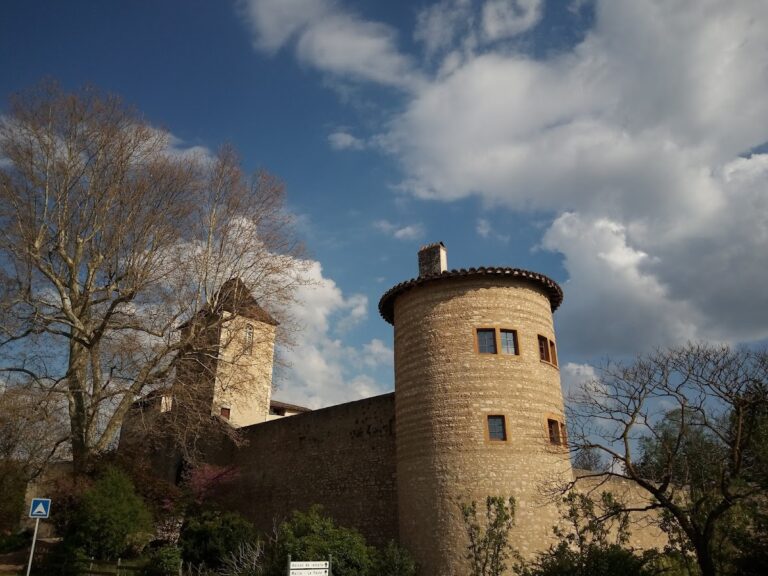
Château de Saint-Trys is a seventeenth-century country residence in Anse, France. Its first lord was Pierre Scarron (1536–1607), a knight, royal councillor, senior officer of the king’s household, treasurer of France, and provost of the merchants of Lyon. A provost of the merchants was the principal municipal representative of a major French city, while a treasurer of France was a royal financial official.
Pierre Scarron married Françoise David, and the property later passed to Urbain, his nephew and an uncle of the poet and playwright Paul Scarron. In 1672, Jean-Baptiste Giraud, a bourgeois of Lyon, purchased the estate. The Giraud family retained Saint-Trys until 1876.
Jean Giraud, born in 1729, was an écuyer, a French status title historically associated with the lower nobility and often translated as “squire.” He was married to Claudine Barthélemy Croppet de Varissan and was imprisoned at Les Recluses in 1794. His son Georges-Marie inherited the estate.
Later protection and use
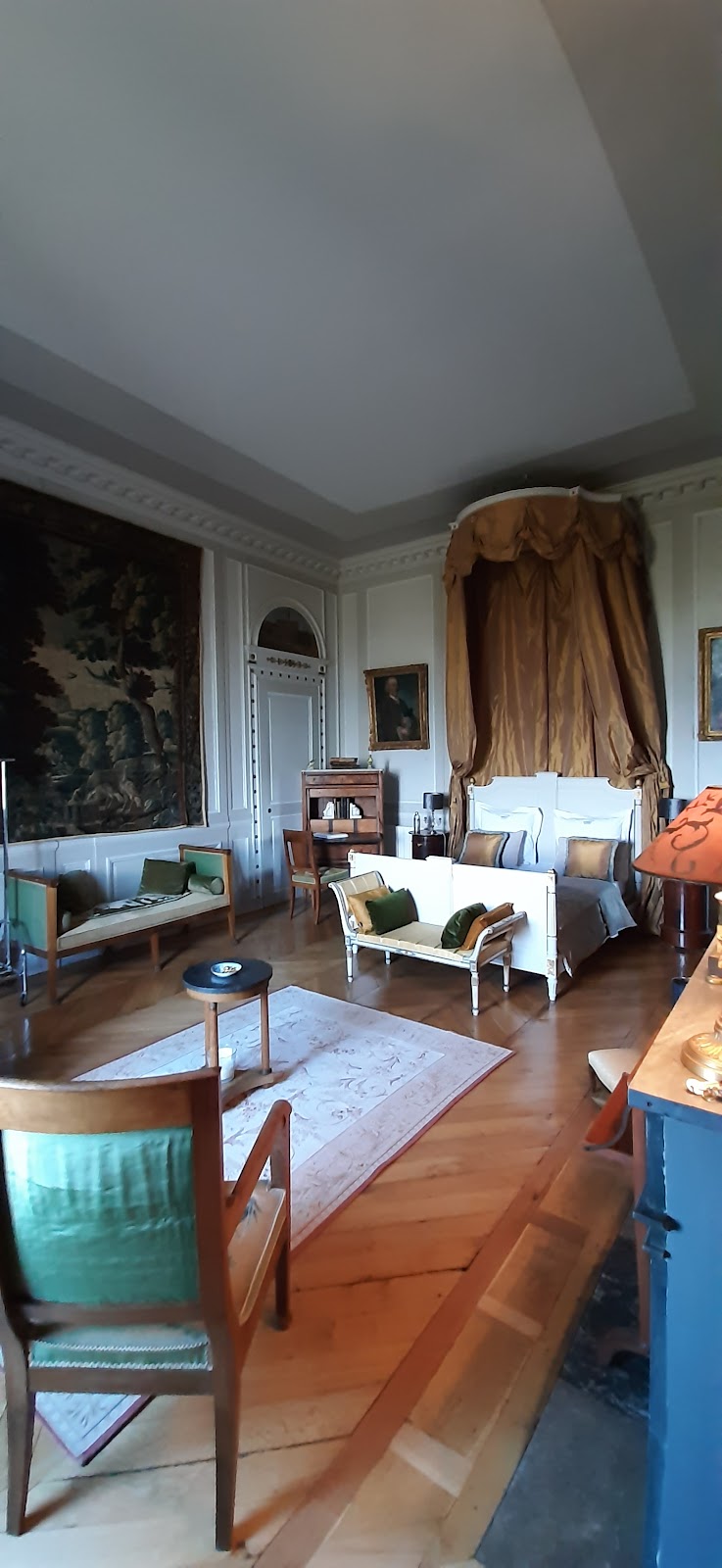
The château was restored in the eighteenth century. On 7 October 1975, it was listed as a French historic monument for its roofs and façades, while the decoration of rooms on the ground and first floors was classified. Listing and classification are distinct levels of protection within France’s heritage-conservation system.
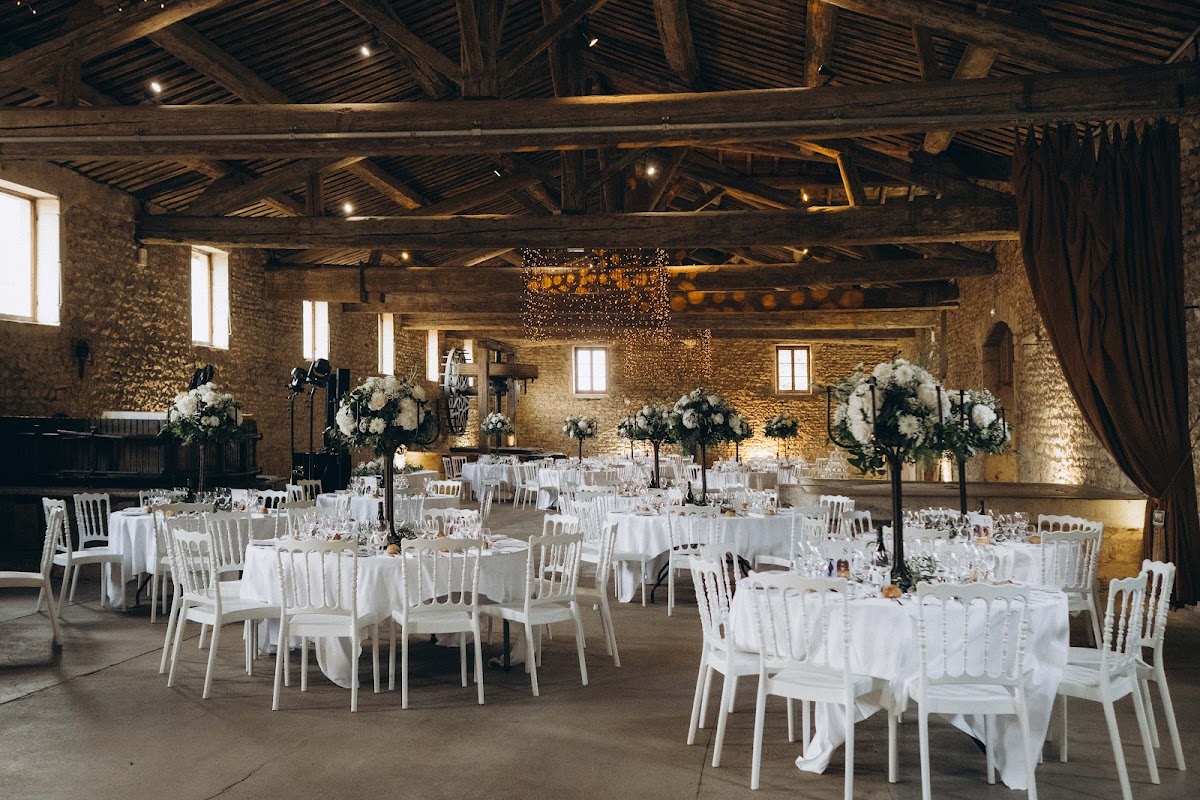
Château de Saint-Trys remains privately owned and is used for professional and private receptions. Count Dorick de Brosses and Countess Sybille, born Durand de Gevigney, host these events.
Remains
Main building
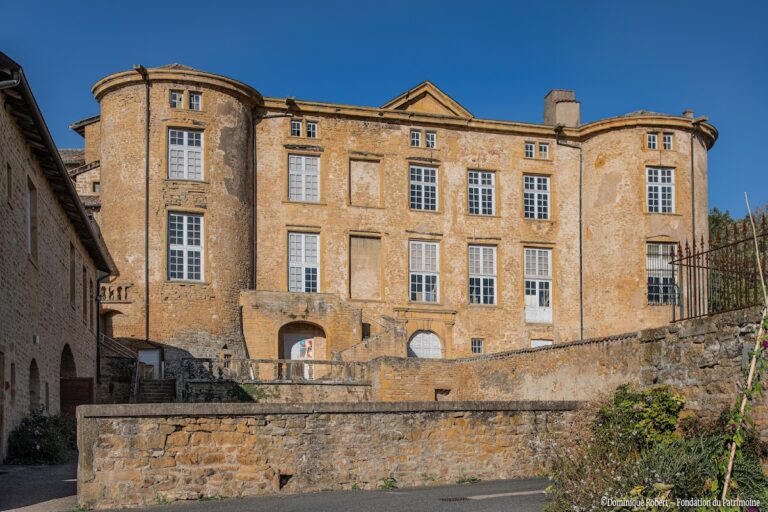
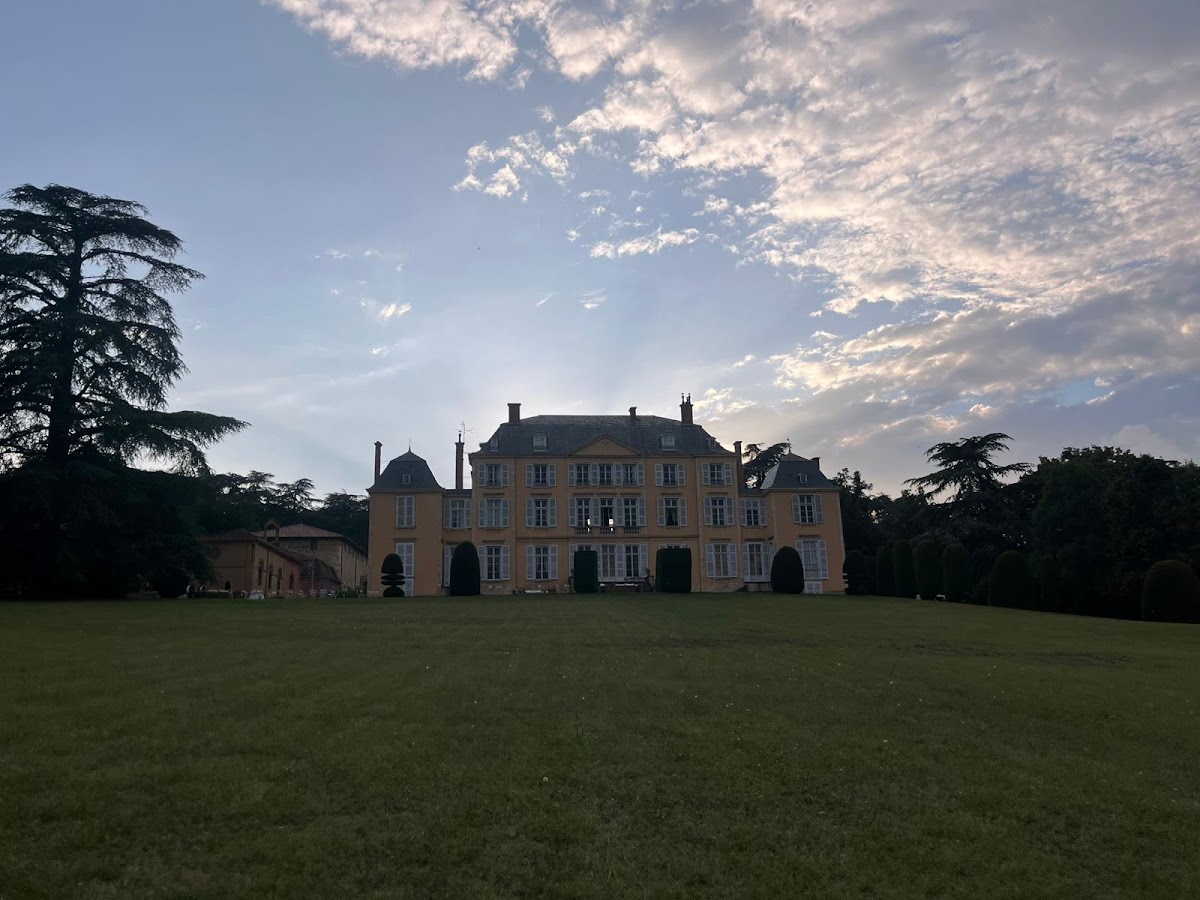
The principal building has a ground floor, two upper floors, and an attic level. Two projecting pavilions flank the central block, with each pavilion separated from it by a single bay. On the eastern façade, a central three-bay avant-corps, meaning a section projecting from the façade, is crowned by a triangular pediment. A monumental staircase leads up to this front.
Dependencies and park
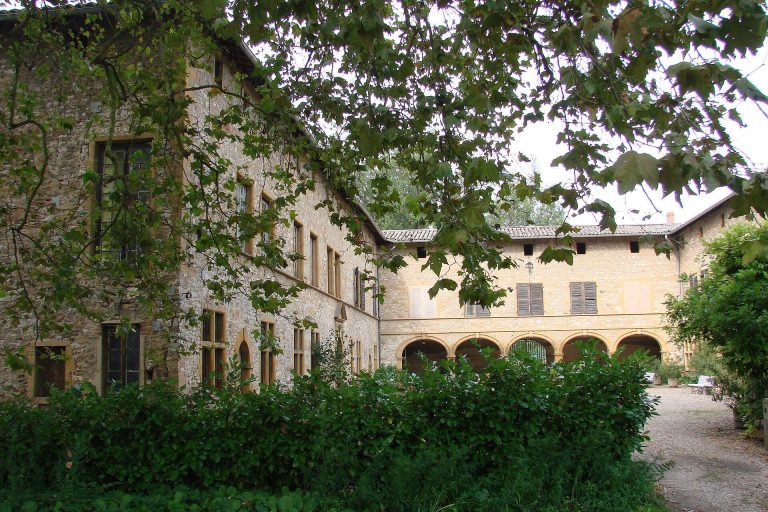
A cloister, a covered passage usually arranged around an open court, forms part of the dependencies south of the château. The surrounding park extends across 30 hectares and includes woodland. Its terrace gives a broad panorama over the Saône valley.
Jean-Marie Morel created the park. Two original plans survive, dated 1806 and 1807. Morel was an eighteenth-century French landscape architect, and these plans provide evidence for the designed arrangement of the grounds.
Heraldic associations
The château’s associated heraldry includes the arms of Scarron, azure with a gold bend bearing small crenellations along its edges; Giraud, red with a silver bit and an indented gold border; and de Brosses, three gold clovers on an azure field.