Castillo de Gálvez: A Medieval Military Fortification in Spain


Site at a Glance
- Rating
- 4.1
- Popularity
- Very Low
- Country
- Spain
- Primary era
- Medieval
- Eras represented
- Medieval
- Civilizations
- Crown of Castile
- Site type
- Military
- Remains
- Castle
On this page6 sections
History
Origins and Function
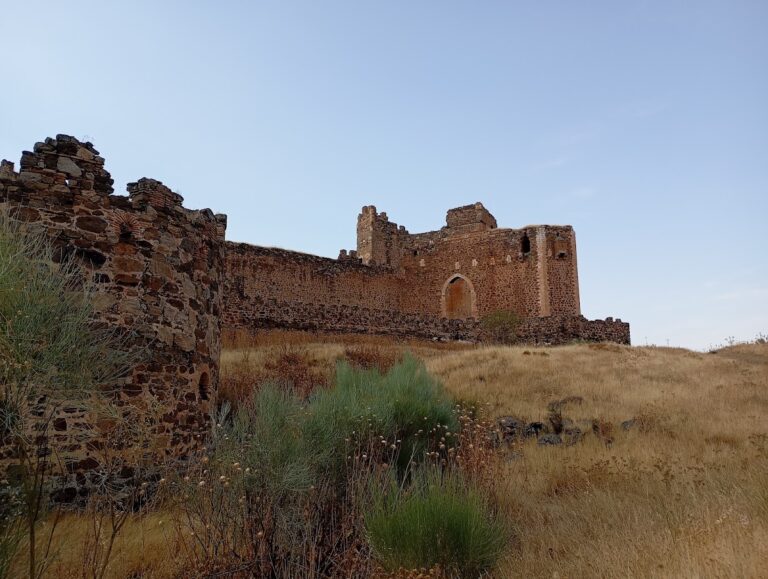
Castillo de Gálvez is a ruined military fortification in Spain, located in the municipality of Gálvez in Toledo Province, Castilla–La Mancha. Its construction is generally placed between the twelfth and fourteenth centuries, although it has also been considered an early medieval structure and a possible seigneurial castle. A seigneurial castle was a fortified residence or stronghold connected with a lordly estate and its territorial authority.
The castle’s purpose and early ownership remain uncertain. Documentary records for Gálvez become clear only from the seventeenth century, while information identifying the castle’s owners does not survive before the eighteenth century. The ruins are also known as Los Castillos and were associated with the settlement of Corralnuevo, which later vanished.
Abandonment
The fortification was abandoned as the surrounding settlement became depopulated. Without the community that had supported it, the castle deteriorated and eventually became a ruin.
Remains
Setting and Layout
The ruins stand about 3 kilometres northwest of Gálvez at approximately 712 metres above sea level. The fortification occupied the relatively level summit of Brígida or Vírgeda Hill, beside the Prado stream, and covered an area of about 55 square metres. Its original plan was square, with four semicircular towers added at a later stage.
Towers and Construction
Three of the four semicircular towers survive in a partially ruined condition and form the principal remains of the castle. Their surviving fabric includes loopholes, or narrow openings that allowed archers and other missile troops to fire from protected positions, together with some windows. The towers no longer retain their crowning structures.
Limestone and rubble masonry formed the main construction. Lime mortar bonded the exterior masonry, while mud and plaster were used inside. These relatively fragile materials contributed to the rapid deterioration of the fortification, whose surviving towers now stand in a ruined state.