Castell de Rubió: A Medieval Territorial Castle in Spain
Site at a Glance
- Rating
- 4.5
- Popularity
- Very Low
- Country
- Spain
- Primary era
- Medieval
- External website
- Open
- Eras represented
- Medieval, Early Modern
- Civilizations
- Crown of Aragon
- Site type
- Military
- Remains
- Castle
On this page7 sections
History
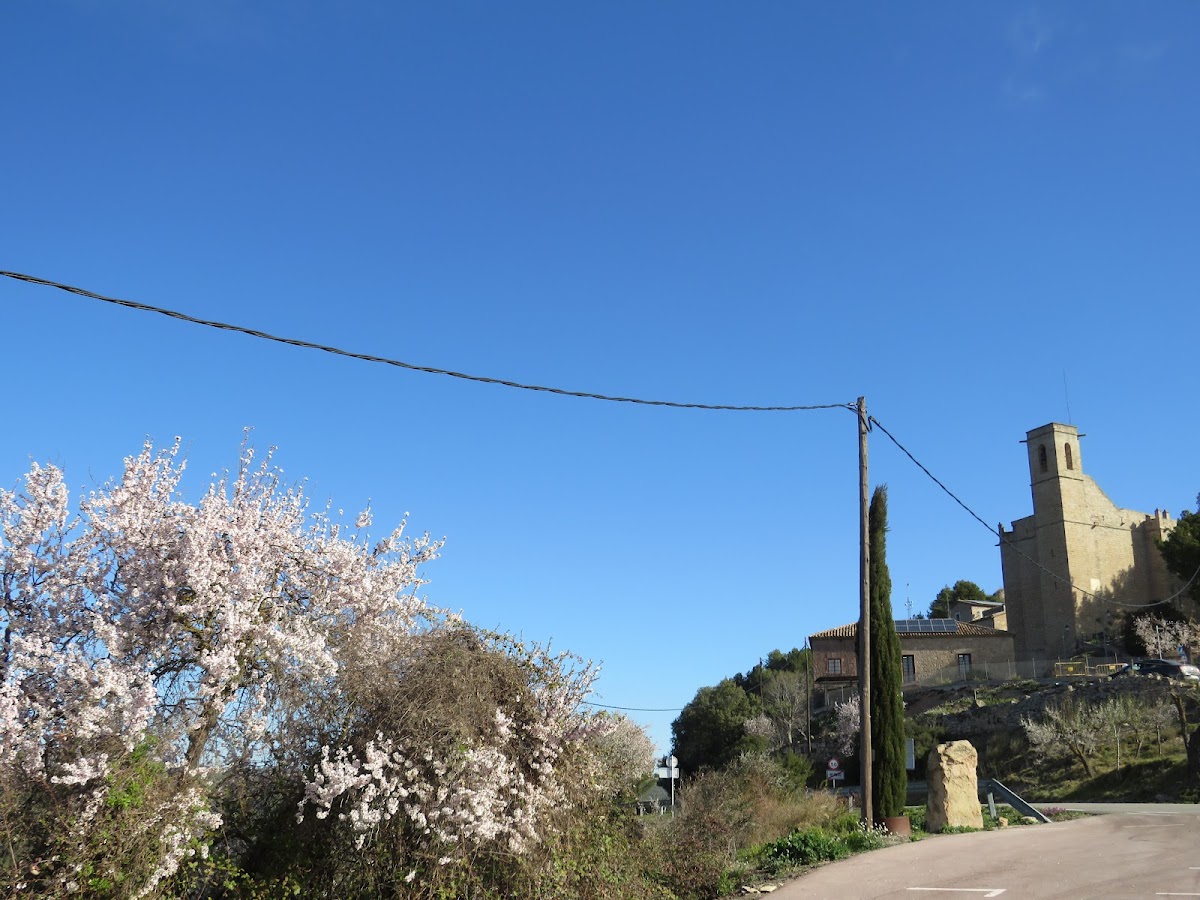
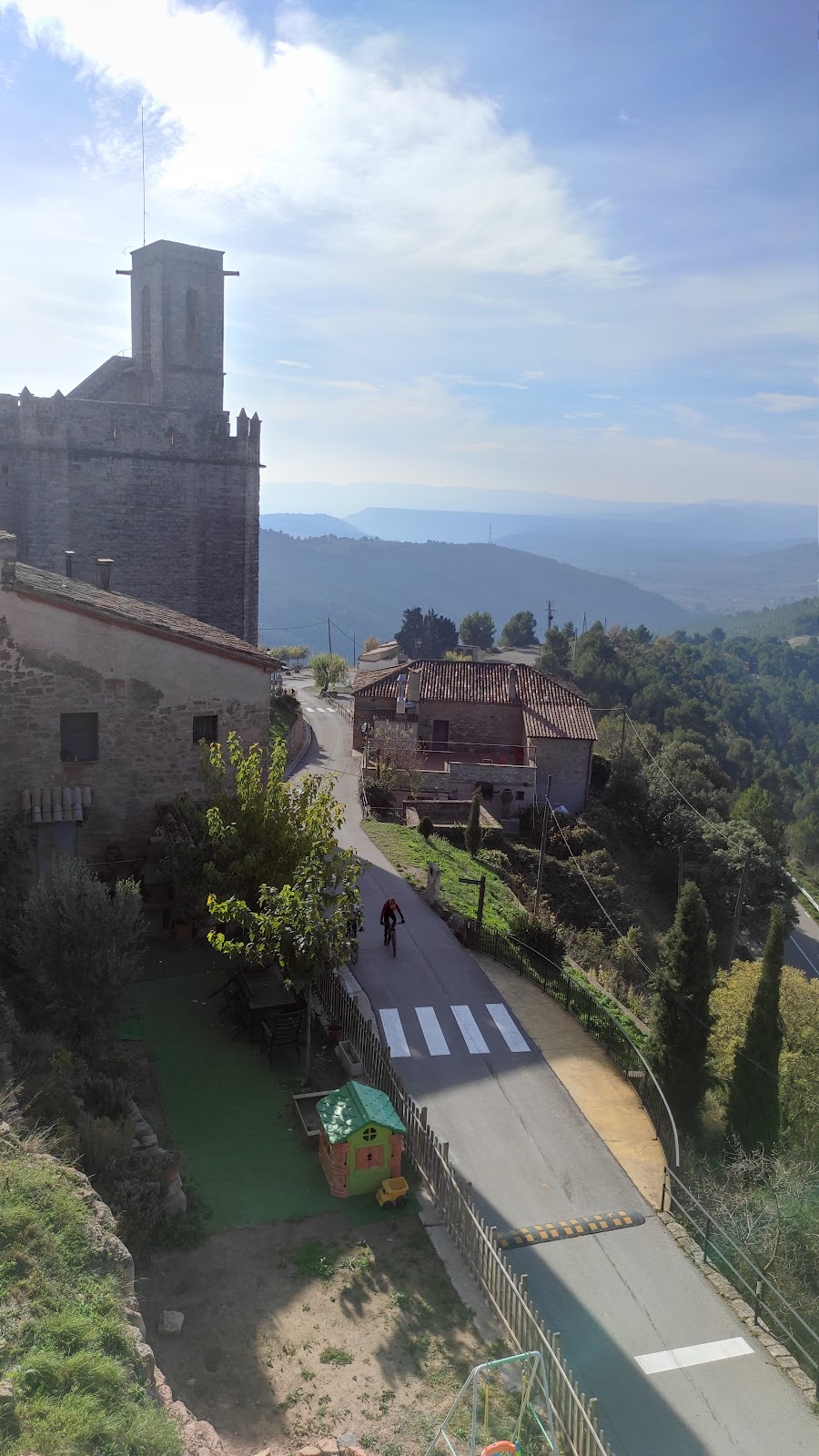
Castell de Rubió is a medieval territorial castle in Spain, built above the village of Rubió at the end of the tenth century. A territorial castle was a fortified seat that exercised authority over a defined district. The surrounding settlement developed around the castle, although it is now considerably reduced. The castle was first documented in either 1063 or 1069.
Early lordship
Pere de Bertran of Rubió governed the castle in 1198. At the beginning of the fourteenth century, the Castellolí lineage held it, after which lordship passed to the Timor family. Francesca Timor married Berenguer de Boixadors, linking the castle to the Boixadors lineage.
The Boixadors and Rubió
Francesca Timor and Berenguer de Boixadors had a son, Bernat de Boixadors, who bought jurisdiction over Rubió from Peter IV of Aragon in 1380. Peter IV, known as “the Ceremonious,” was the fourteenth-century king who transferred this authority.
Bernat de Boixadors’s grandson, Bernat Guerau de Boixadors and d’Urries, opposed the Generalitat alongside the Juanists during the Catalan Civil War of 1462. The Generalitat was Catalonia’s representative governing institution, while the Juanists supported King John II during the conflict.
Later lordship and protection
The Boixadors later received the counties of Savallà and Peralada. A land register compiled between 1752 and 1755 recognized Bernat Antoni de Boixadors as lord of Rubió. The family retained the lordship until the end of the Ancien Régime, the pre-modern system of monarchical and territorial lordship that ended during revolutionary and liberal political change.
Castell de Rubió is protected as a Cultural Asset of National Interest in Catalonia and as a Spanish Asset of Cultural Interest under the category of historic monument. The relevant records give 8 November 1988 as the designation date. The Catalan record also refers to a decree published in the Boletín Oficial del Estado on 5 May 1949.
Remains
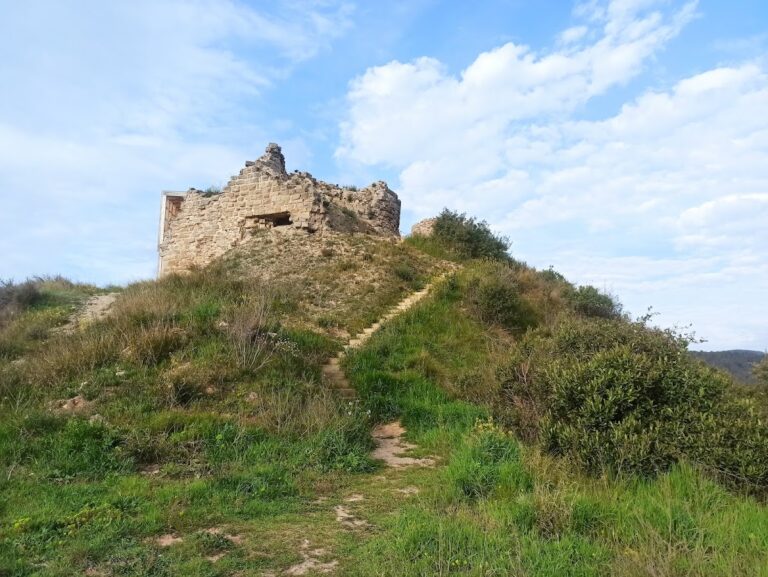
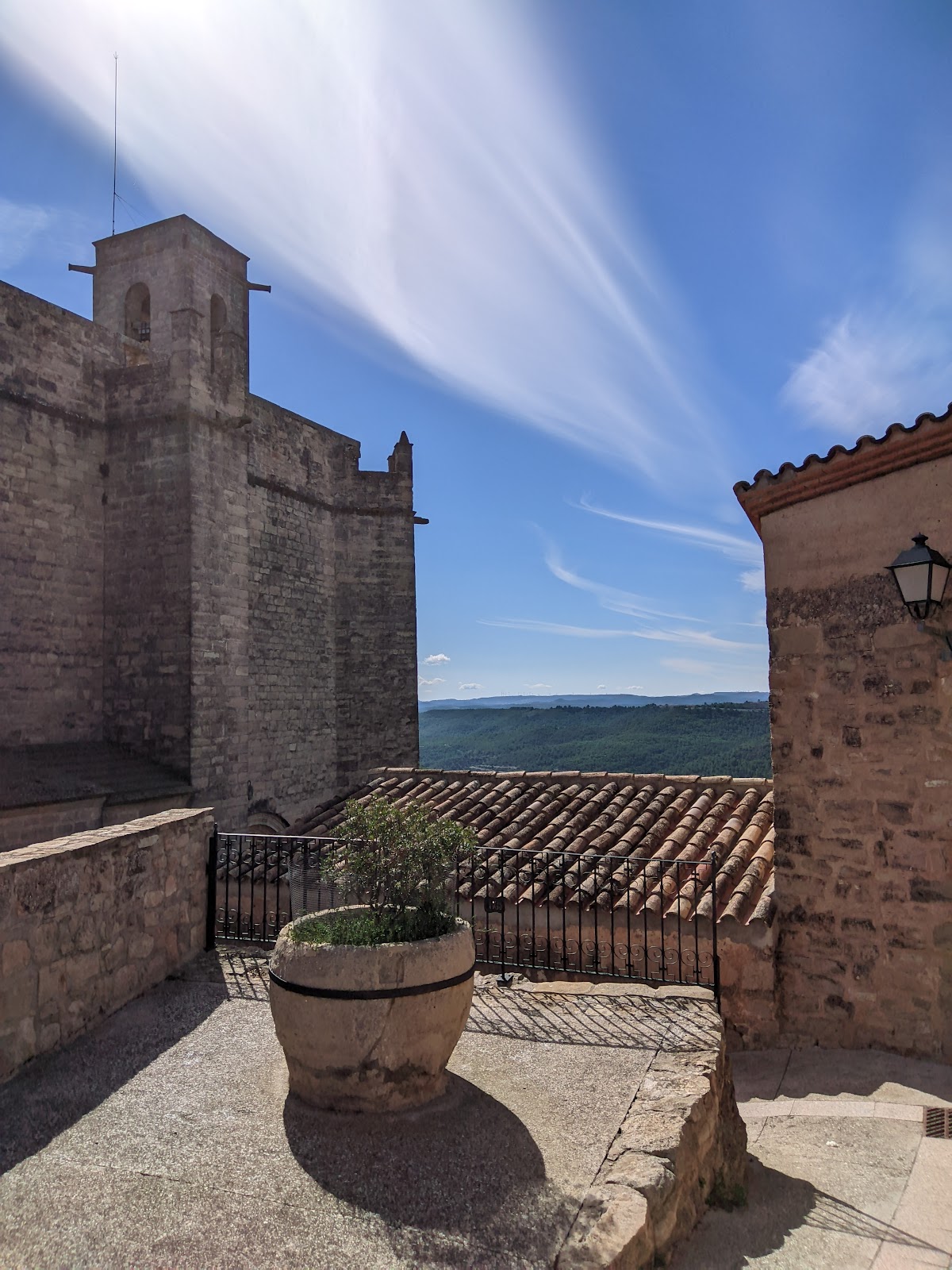
The medieval castle occupies a rocky outcrop above Rubió. Its structure is now largely destroyed, but the surviving masonry preserves part of the fortified site. The remains include the lower section of a circular tower and sections of the perimeter walls.
Surviving tower
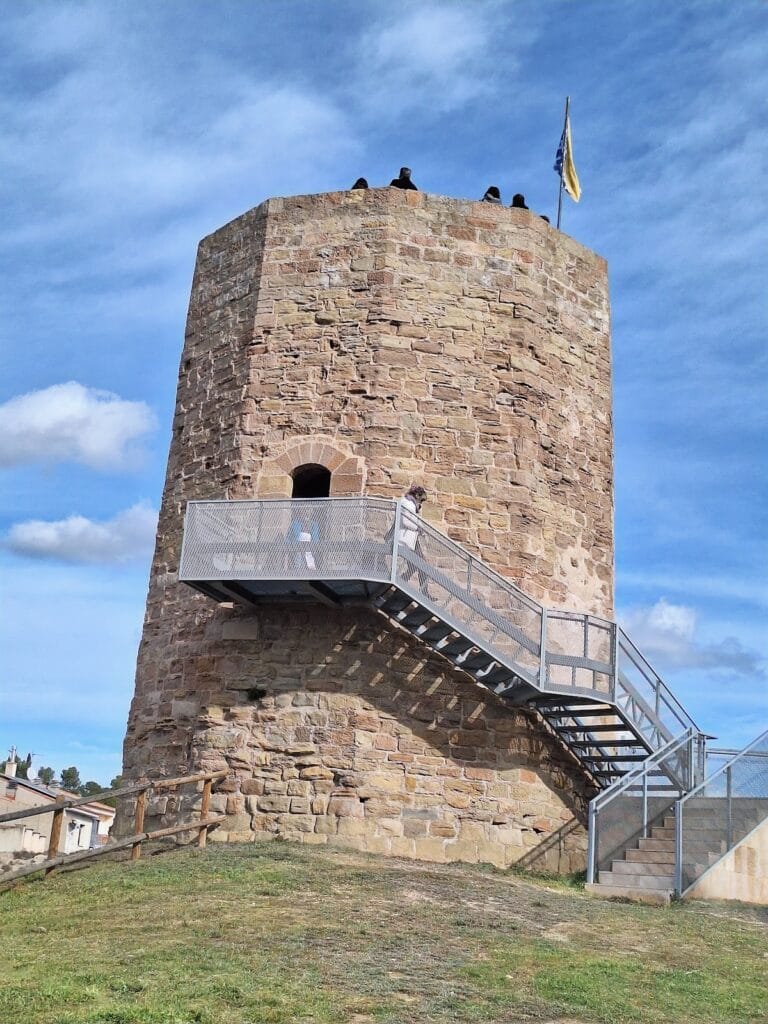
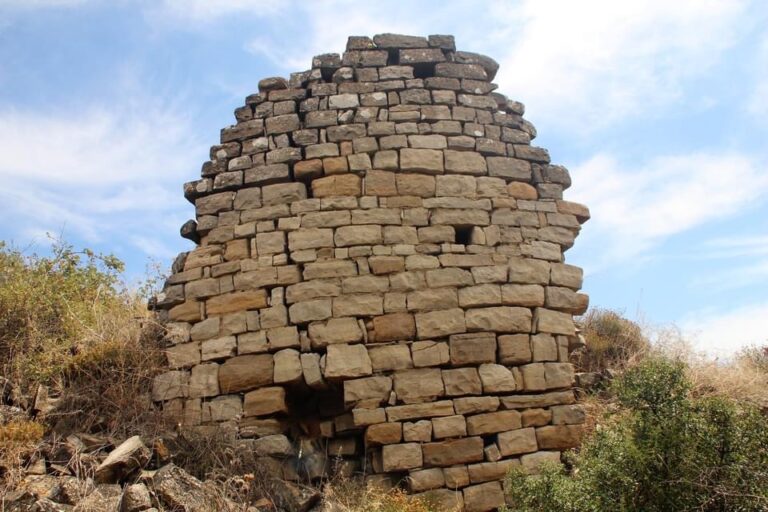
The lower part of the circular tower was built around the eleventh century from ashlar masonry, using regularly cut and carefully dressed stone blocks. It represents part of the castle’s early medieval construction.
Perimeter walls and access
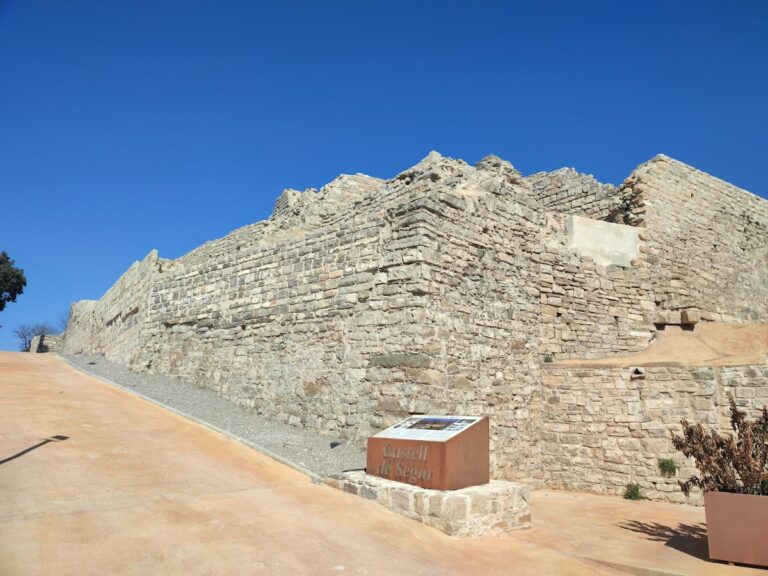
Well-built sections of the perimeter walls also survive. Their present form probably resulted from an expansion carried out between the twelfth and eighteenth centuries. Stone access stairs were constructed recently to provide entry to the interior of the surviving remains.