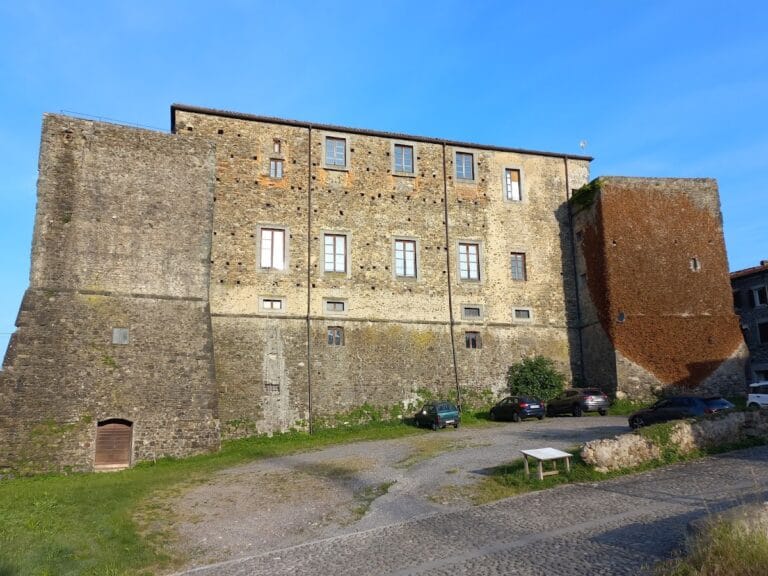
Castle of Comano: A Medieval Fortification in Italy
Site at a Glance
- Rating
- 4.1
- Popularity
- Very Low
- Country
- Italy
- Primary era
- Medieval
- Eras represented
- Medieval
- Civilizations
- Holy Roman Empire, Republic of Florence
- Site type
- Military
- Remains
- Castle
On this page7 sections
History
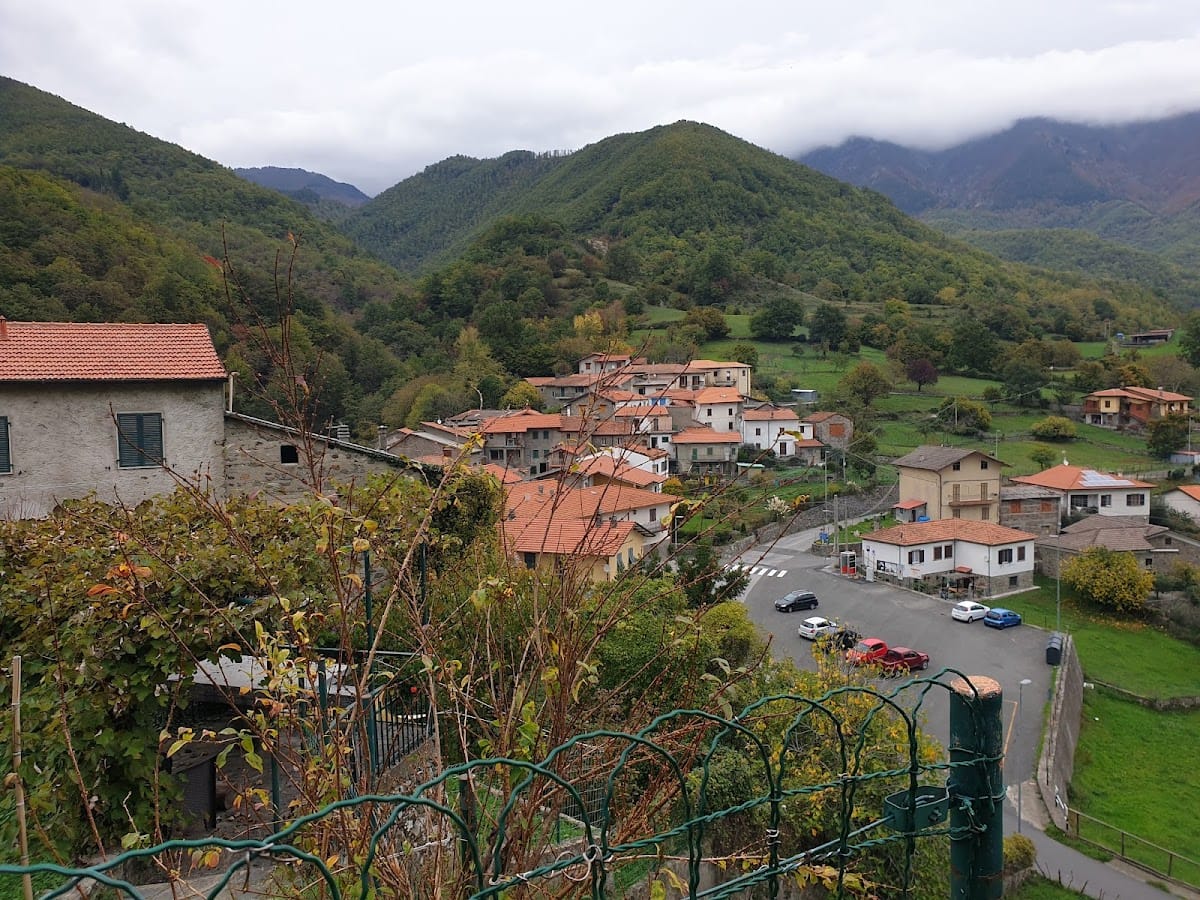
Castle of Comano is a medieval fortification in Italy, above the Taverone valley in the municipality of Comano, in the historic region of Lunigiana. Construction is dated to the ninth century, and the castle is associated with the protection of a rural agricultural estate, or curtis, an early medieval center of farming and administration. Its position near the historical boundary between Emilia-Romagna and Tuscany gave it strategic value, while the agricultural center around it also had economic importance.
Origins and early medieval estates
Eighteenth-century discoveries indicate that the Taverone valley was already frequented during the Roman period. The earliest written reference to the castle dates to 884, when Adalbert I, marquis and duke of Tuscany, donated it to the Benedictine monastery of Aulla. In 937, Comano became part of an important estate that King Hugh of Arles gave to his wife Berta as a dowry, together with 60 mansiones, or landed estates. The transfer followed the dispossession of the children of Adalbert II of Tuscany.
Malaspina control and feudal change
The castle later came under the House of Este and then the Malaspina family, a powerful noble house that controlled several fiefs and marquisates in Lunigiana. In 1164, Holy Roman Emperor Frederick Barbarossa granted one quarter of the Comano fief to his ally Obizzo Malaspina. The investiture was confirmed in 1220.
Comano and its castle subsequently passed to the Marquisate of Filattiera and later to the Marquisate of Olivola, together with the Castle of Groppo San Pietro. During this period, the Dallo family held Comano as a Malaspina vassal. In the first half of the fourteenth century, a fratricide within the Dallo family led Spinetta Malaspina to intervene. He killed those responsible and annexed the castle to the Marquisate of Verrucola.
Florentine inheritance and earthquake damage
In the mid-fifteenth century, the marquisate and all its castles passed by inheritance to the Republic of Florence. A document drawn up at Fivizzano in May 1481 describes severe earthquake damage to the castles of the region. Groppo San Pietro was almost completely ruined, while the fortress of Comano was in poor condition. The nearby fortress of Saxalbo had been damaged so severely that it could no longer be inhabited.
Today, Castle of Comano is designated as Italian national heritage. Its surviving structures preserve the remains of a fortress whose history was shaped by agricultural administration, changing noble ownership, strategic frontier conditions, and destructive earthquakes.
Remains
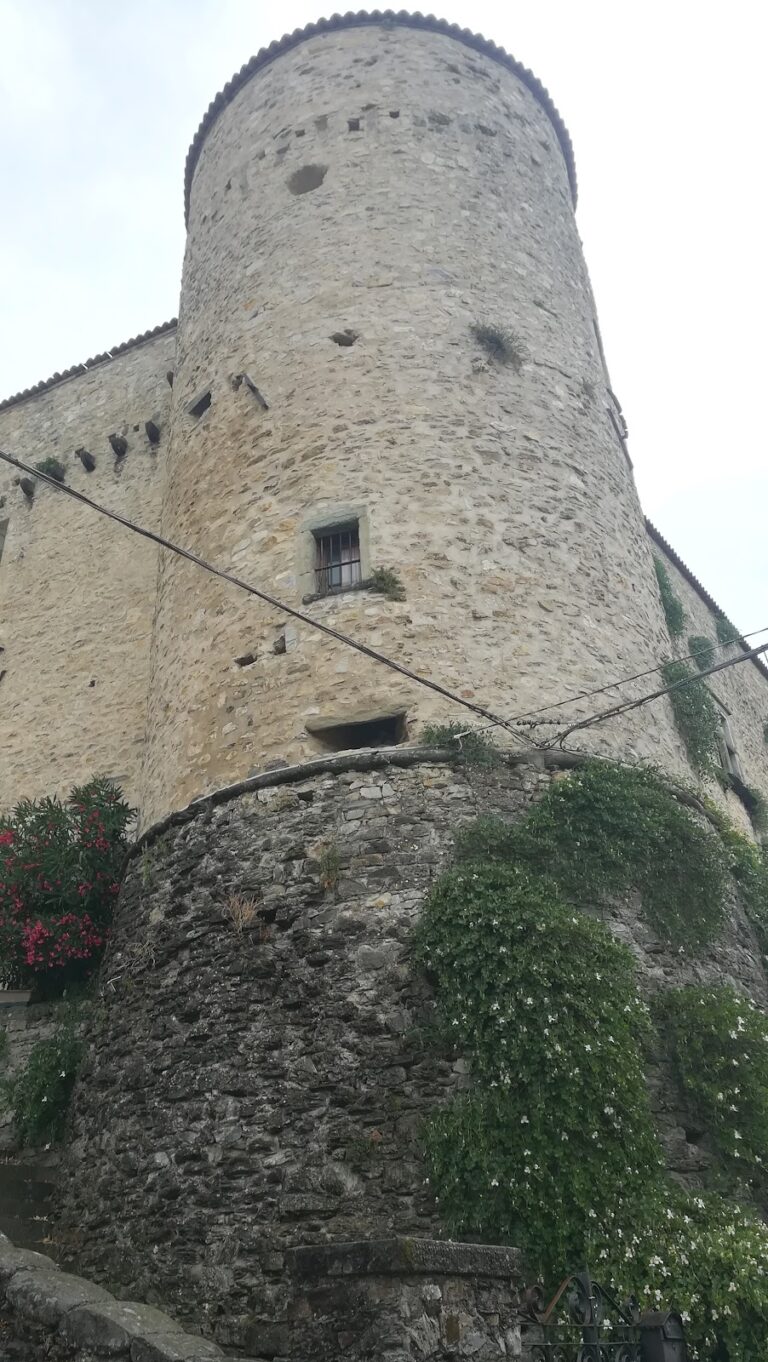
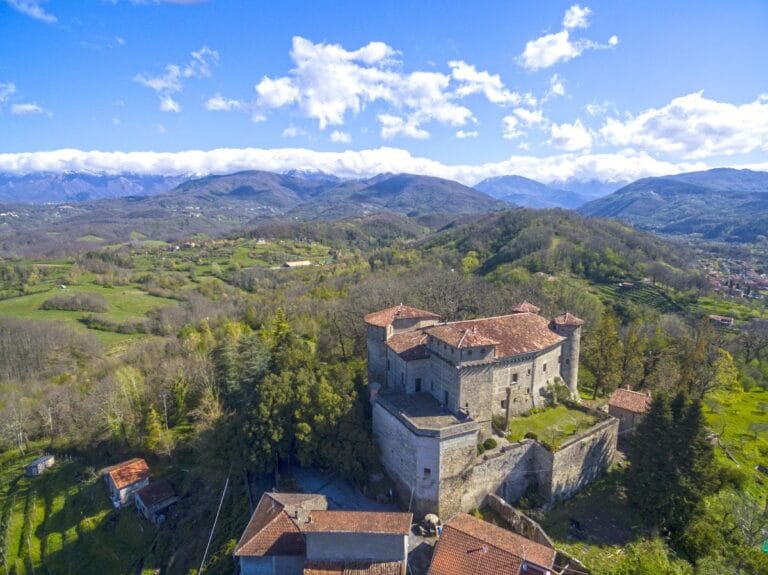
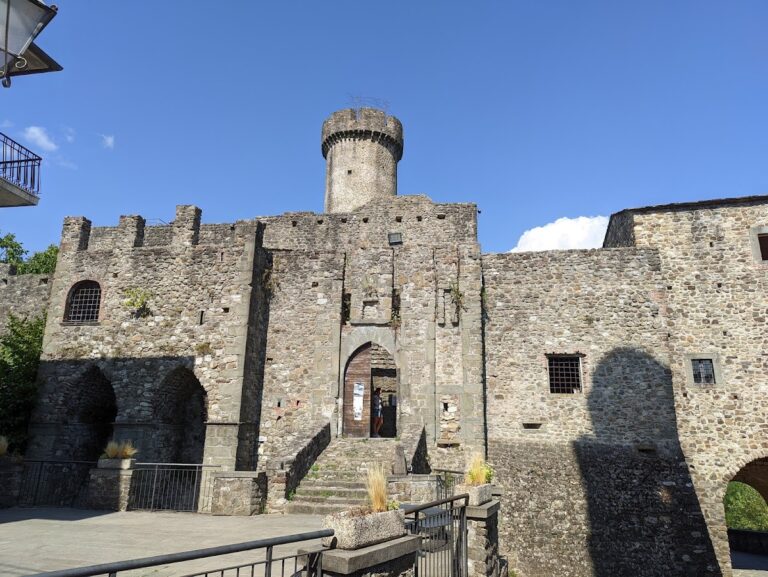
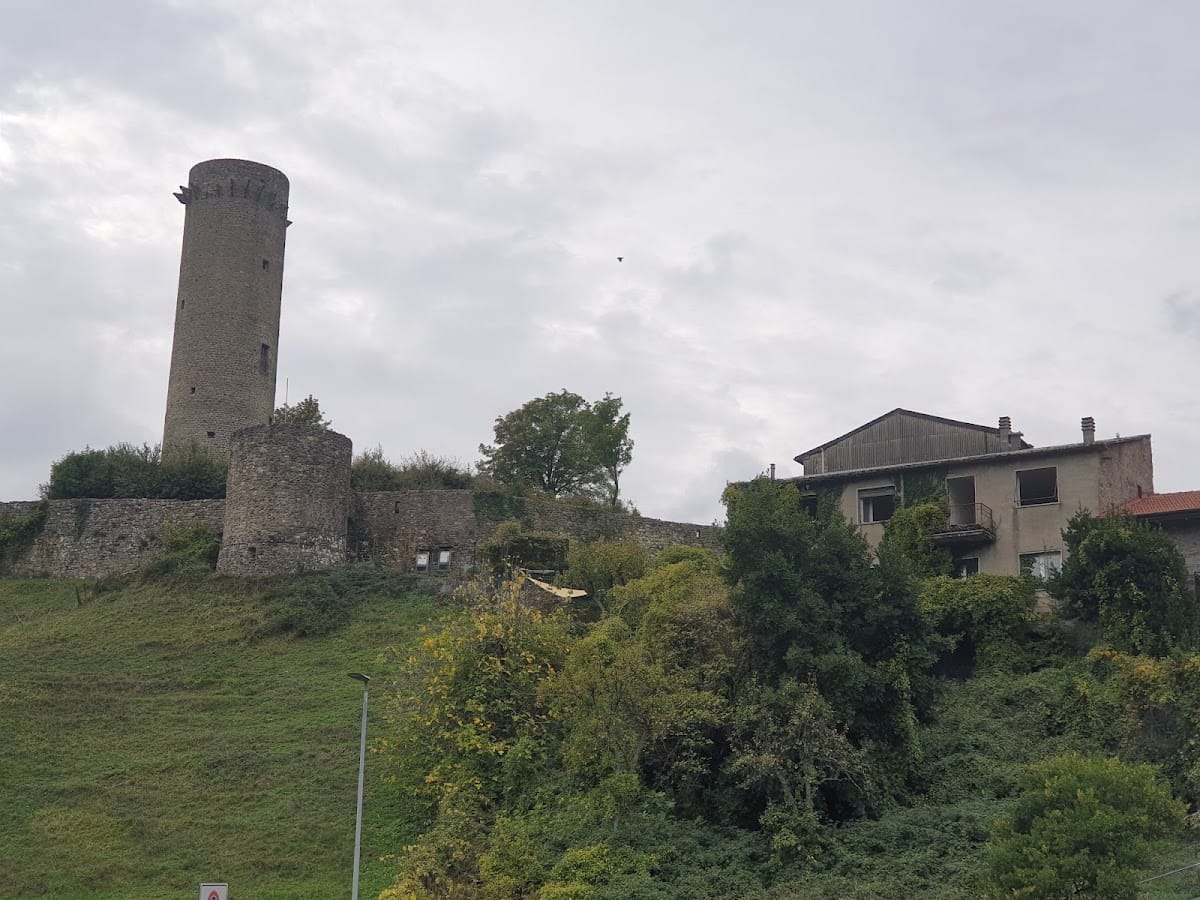
The surviving complex is centered on a thirteenth-century cylindrical keep enclosed by a fifteenth-century curtain wall, a defensive perimeter wall. The enclosure has flanking towers that project from the circuit and a single entrance gate. Inside the walls, the ruins of a residence, probably built during a later period, can still be identified.
Keep and curtain wall
The cylindrical keep is the principal fortified tower of the castle. It has Guelph crenellations, rectangular battlements traditionally associated with the Guelph political faction in medieval Italy, and stone corbels, or projecting supports for upper defensive structures. These features are characteristic of Malaspina towers, and the design is closely comparable to towers at the castles of Malgrate, Bagnone, and Treschietto. The keep remains enclosed within the later curtain wall, whose flanking towers strengthened the defensive circuit.
Entrance and interior residence
The medieval entrance was reached at an elevated level by retractable stairs, a defensive arrangement used in medieval fortification systems. The circuit retained a single gate, controlling access to the enclosure. Within it, the ruins of a later residence provide evidence of a domestic phase after the principal defensive structures had been established.