Castellnovo Castle: A Medieval and Renaissance Fortress in Spain


Site at a Glance
- Rating
- 4.4
- Popularity
- Very Low
- Country
- Spain
- Primary era
- Medieval
- External website
- Open
- Eras represented
- Medieval, Early Modern
- Civilizations
- Crown of Aragon, Spanish
- Site type
- Military
- Remains
- Castle
On this page9 sections
History
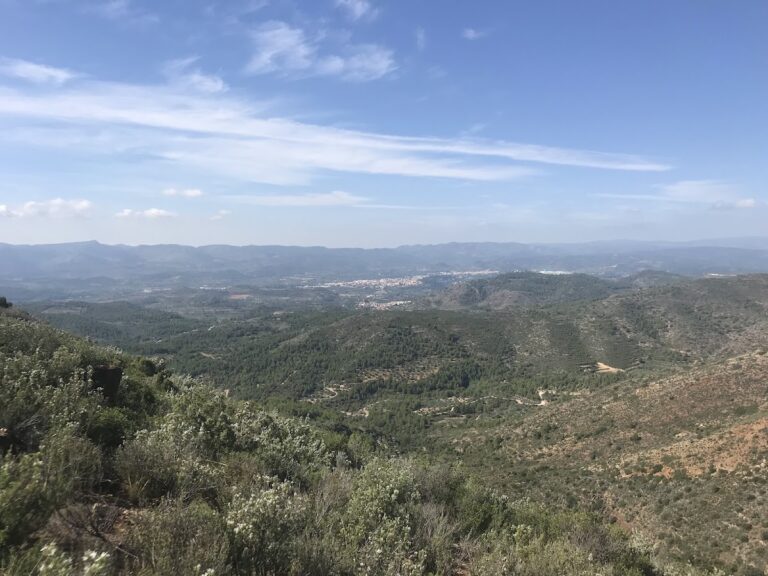
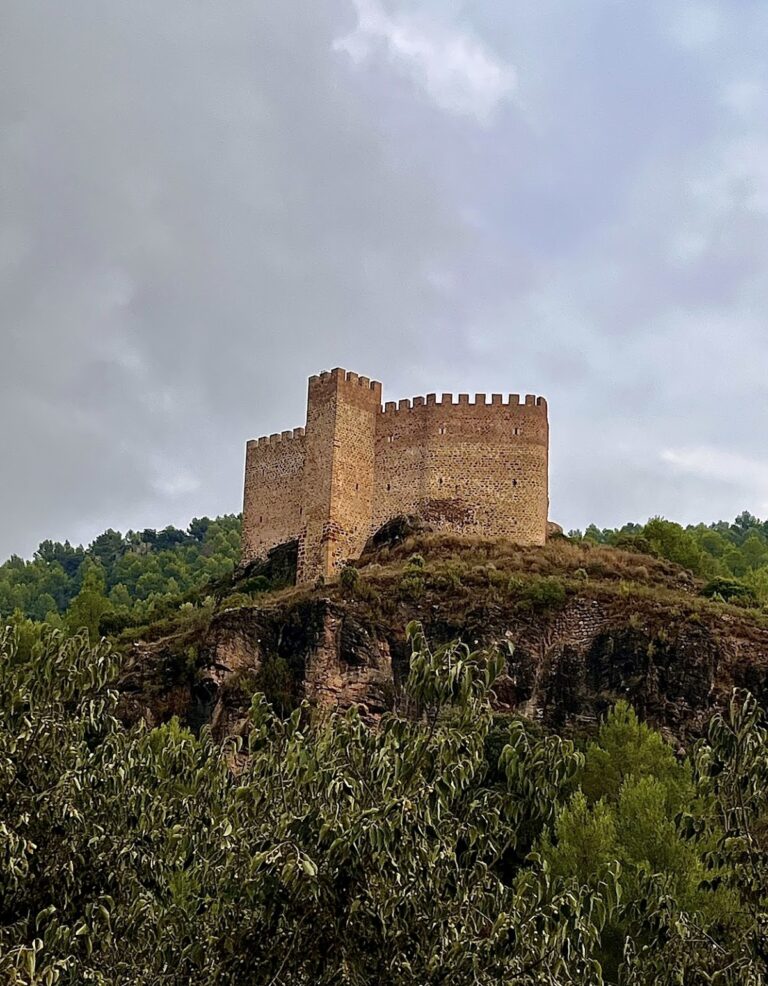
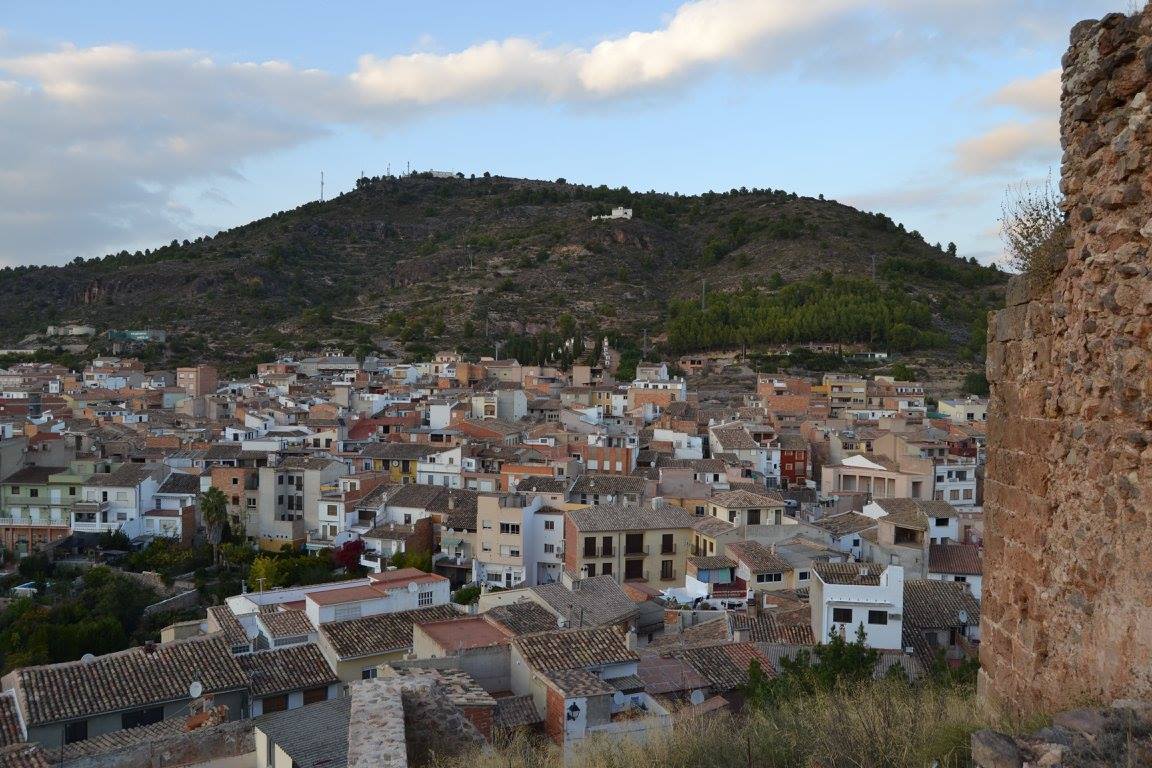
Castellnovo Castle is a historic fortress in Spain, standing on San Cristóbal hill within the town of Castellnovo. Its origins are attributed to the Romans, while Muslim builders gave it the form of an Islamic fortification during the twelfth century. Later rebuilding and restructuring introduced a Renaissance character associated with the Borja family.
Conquest and medieval rebuilding
In 1228, forces led by James I of Aragon, the thirteenth-century king whose conquests expanded the Crown of Aragon into territories formerly ruled by Muslim powers, conquered the castle. James I granted it in 1233 to Berenguer d’Entença, a medieval nobleman who retained possession until 1291.
During the fourteenth century, the castle was sold to Guillem d’Esplugues. He undertook its reform and erected the present building, establishing the main structure that later owners would modify.
Borja ownership and Renaissance changes
Around the fifteenth century, the castle passed to Beatriz de Borja, a member of the Borja family. This prominent family of Valencian origin produced important ecclesiastical and political figures in Renaissance Italy. Major building and restructuring during Beatriz de Borja’s ownership gave the castle its Renaissance character.
A further remodelling, probably carried out between the late fifteenth and early sixteenth centuries, included work on the domes and machicolations, projecting defensive structures with openings through which defenders could act against attackers. These changes combined the castle’s earlier fortified form with Renaissance architectural treatment.
Heritage protection
Castellnovo Castle was declared an Asset of Cultural Interest on 22 April 1949, under heritage reference RI-51-0010718. This status recognizes the castle as a protected element of Spain’s historic heritage.
Remains
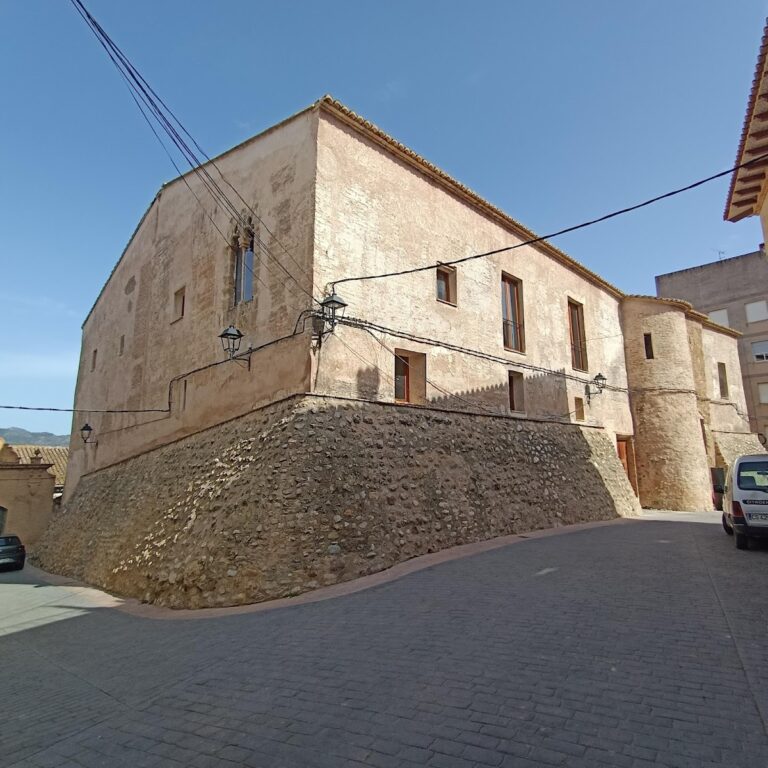
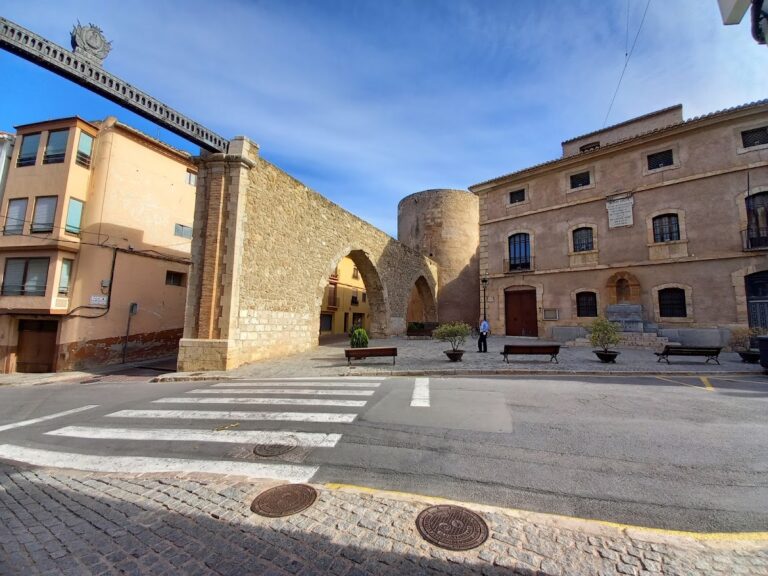
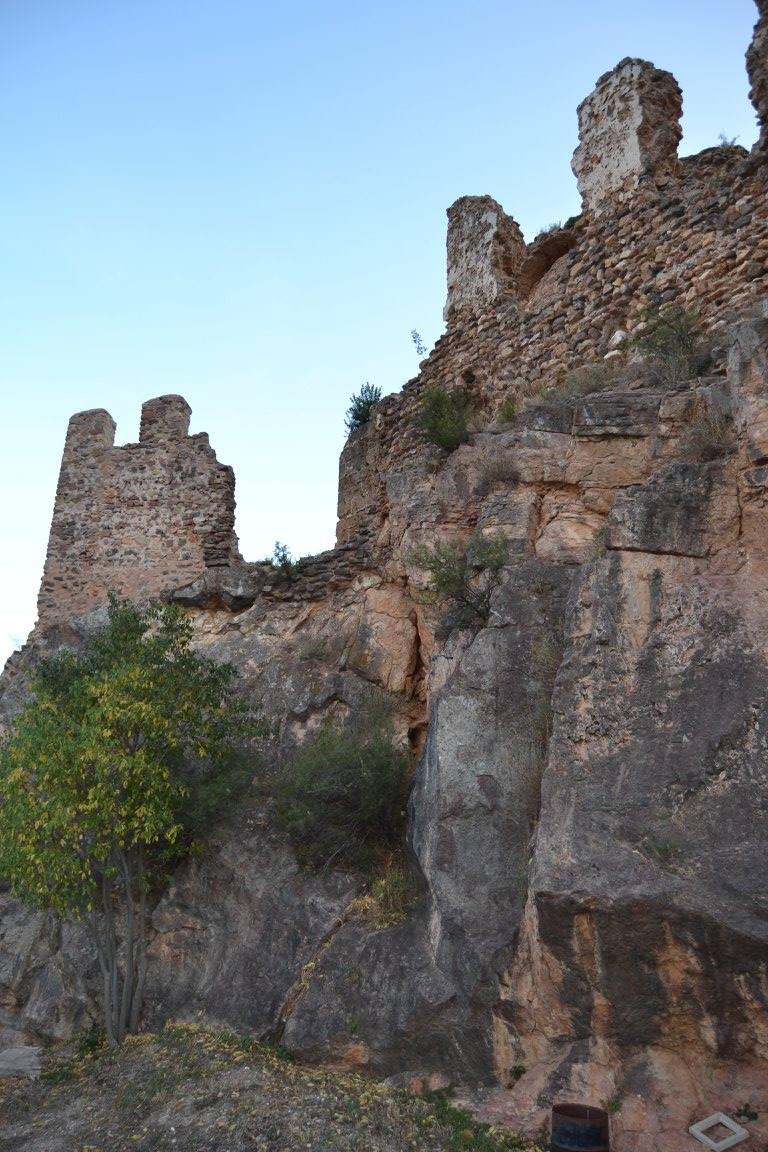
The castle occupies the summit of San Cristóbal hill, practically within Castellnovo’s town centre. Its surviving fabric combines rubble masonry, made from irregular stones set in mortar, with ashlar, regularly cut stone used for more carefully finished parts. The walls remain standing to considerable height, while sections of the outer fortifications can still be seen among the existing houses.
Entrance and defensive walls
Angled entrance
The entrance is formed by a central portal approached on a bent or angled line. An advanced tower stands on the left of the entrance, strengthening the approach and contributing to the castle’s defensive arrangement.
Machicolation and battlements
The castle retains part of an unusual ashlar-stone machicolation at the top of the building. One surviving section of the walls also preserves battlements. The outer defenses remain visible in places, although many sections are incorporated into or obscured by the houses that surround them.
Courtyard and interior rooms
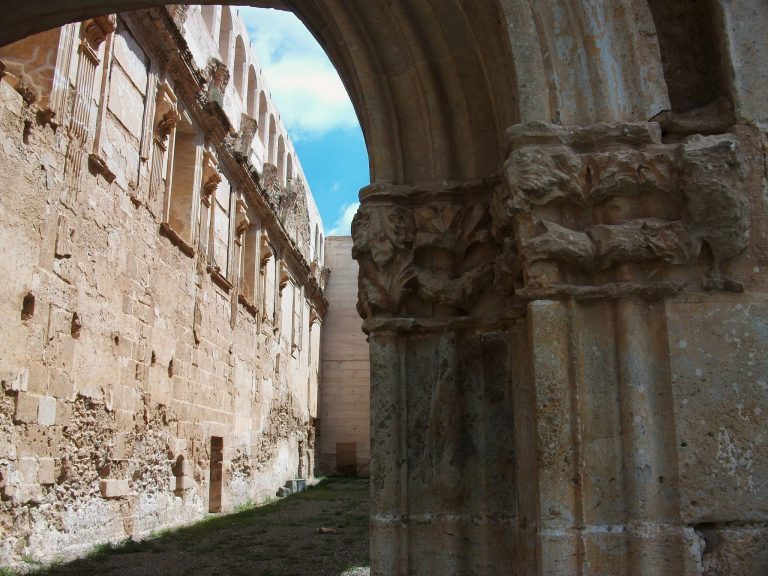
Inside, the building is arranged around an approximately square courtyard with four rooms placed around it. These rooms contain arches and ribbed vaults associated with the artistic imprint of the Borja family. The walls survive substantially, but the vaults have disappeared, as have the ashlar blocks that once formed the doors and windows.