Castillo de Otíñar: A Medieval Frontier Fortress in Jaén, Spain

Site at a Glance
- Rating
- 4.7
- Popularity
- Low
- Country
- Spain
- Primary era
- Medieval
- External website
- Open
- Eras represented
- Medieval
- Civilizations
- Crown of Castile
- Site type
- Military
- Remains
- Castle
On this page6 sections
History
Castillo de Otíñar is a medieval fortress in Jaén, Spain, whose main enclosure dates generally to the second half of the thirteenth century. Its construction followed the establishment of the frontier associated with the Pact of Jaén, a medieval agreement linked to the fixing of the boundary between the Jaén area and the Nasrid kingdom of Granada. The fortress occupied a strategically important position above the Valdearazo River, where it could monitor mountain passes through the Sierra Sur of Jaén toward the Granadan Pre-Baetic region.
From agricultural settlement to frontier stronghold
Before the frontier was established, Otíñar appears to have been primarily agricultural and to have lacked defensive structures. The creation of a politically and militarily contested border transformed the settlement’s role. Castillo de Otíñar became part of Jaén’s defensive system, helping oversee movement through the surrounding mountain routes.
The enclosure may have been built over earlier structures of Andalusi origin. The term Andalusi describes the Islamic culture and political world of medieval al-Andalus, the Muslim-ruled regions of the Iberian Peninsula. The fortress also maintained visual contact with the Torrebermeja watchtower, which communicated in turn with the castle of Jaén. This chain connected Otíñar to the wider surveillance network protecting the frontier.
Later strengthening and protection
A small alcázar, meaning a fortified residence or citadel, was added in the southern part of the enclosure during the fifteenth century. Its construction represents a later phase in the development of the stronghold. Today, Castillo de Otíñar is protected as an Asset of Cultural Interest, a formal Spanish heritage designation, and forms part of a designated Heritage Zone.
Remains
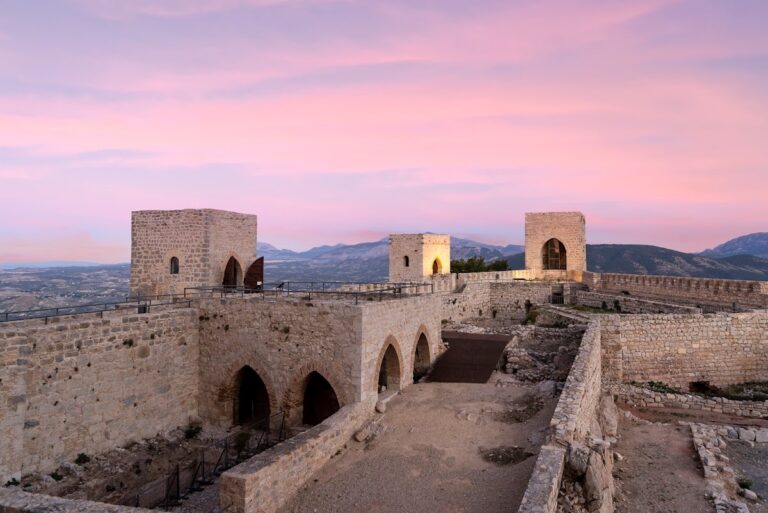
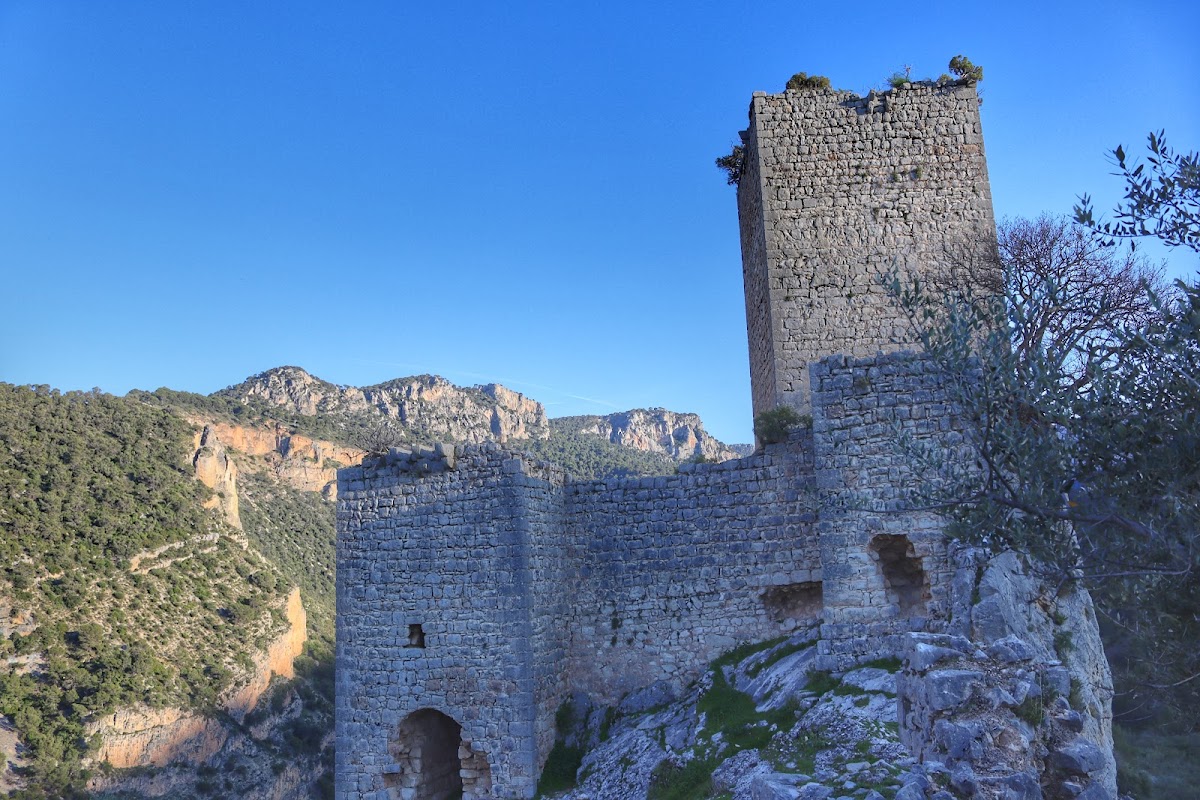
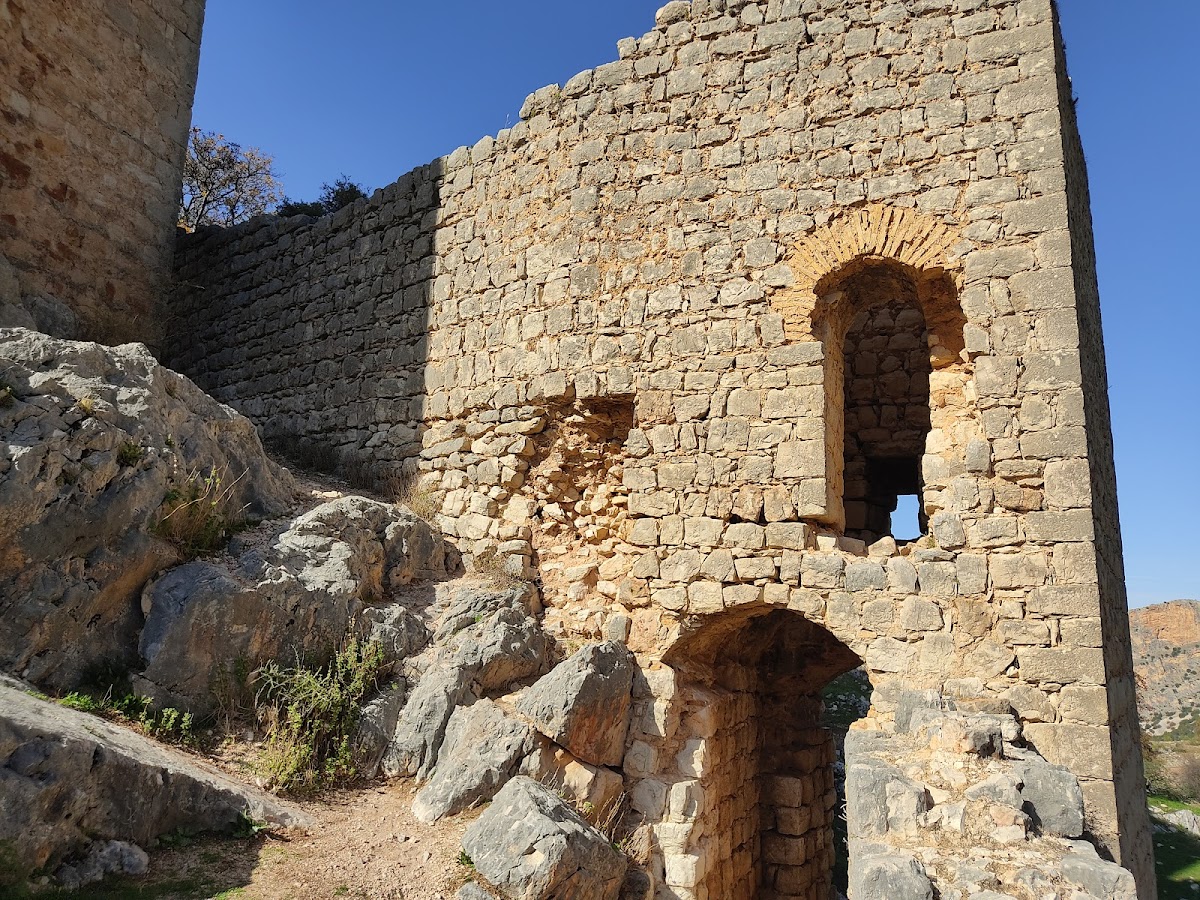
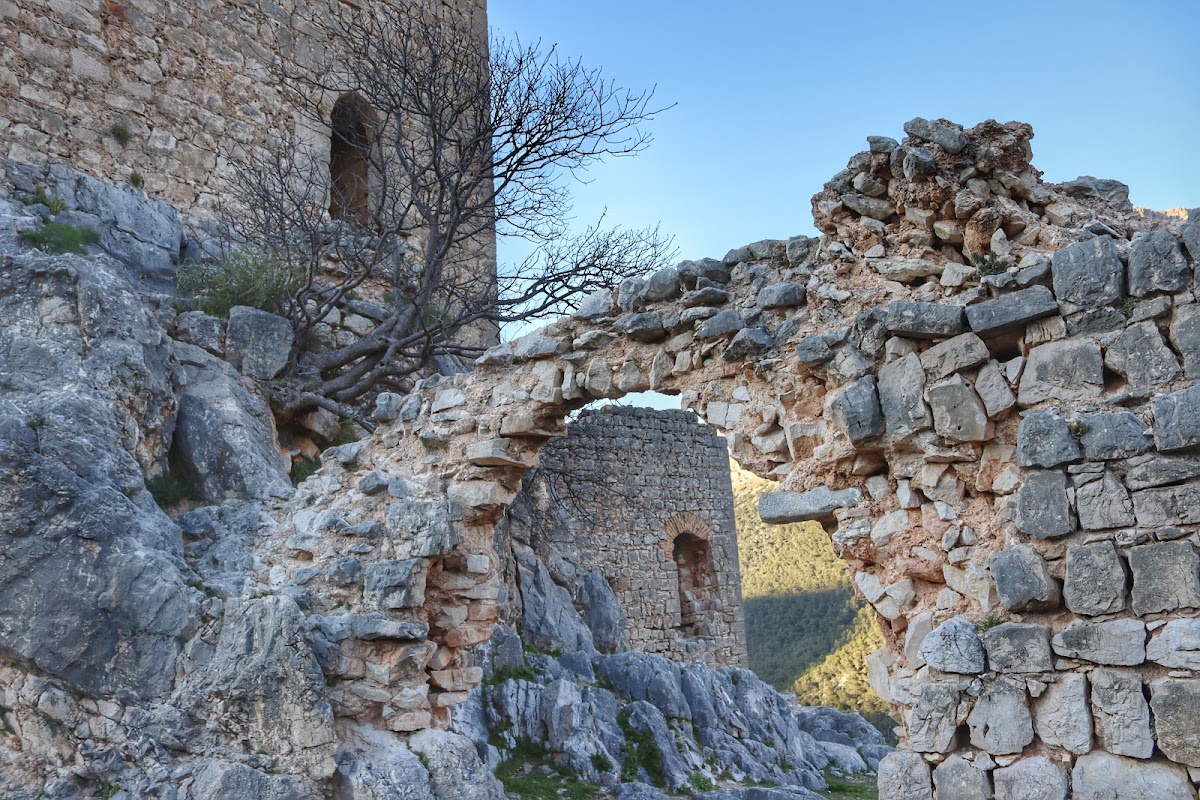
The fortress occupies the narrowest part of the plateau crowning a hill above the Valdearazo River, within the abandoned settlement of Otíñar. It stands on a hill along the Jaén–Quiebrajano road. The main enclosure has an elongated plan and is built in masonry. Its eastern side uses the natural defenses of the ground, while the other curtain walls are more substantial and include a small bastion, a projecting defensive platform, on the western side.
Main enclosure
Within the enclosure are the remains of residential buildings and a cistern, a constructed tank for collecting and storing water. Together, these features indicate the domestic and practical facilities that supported occupation of the fortified site. The surviving walls preserve the elongated organization of the main defensive area and its relationship to the hilltop terrain.
Southern alcázar
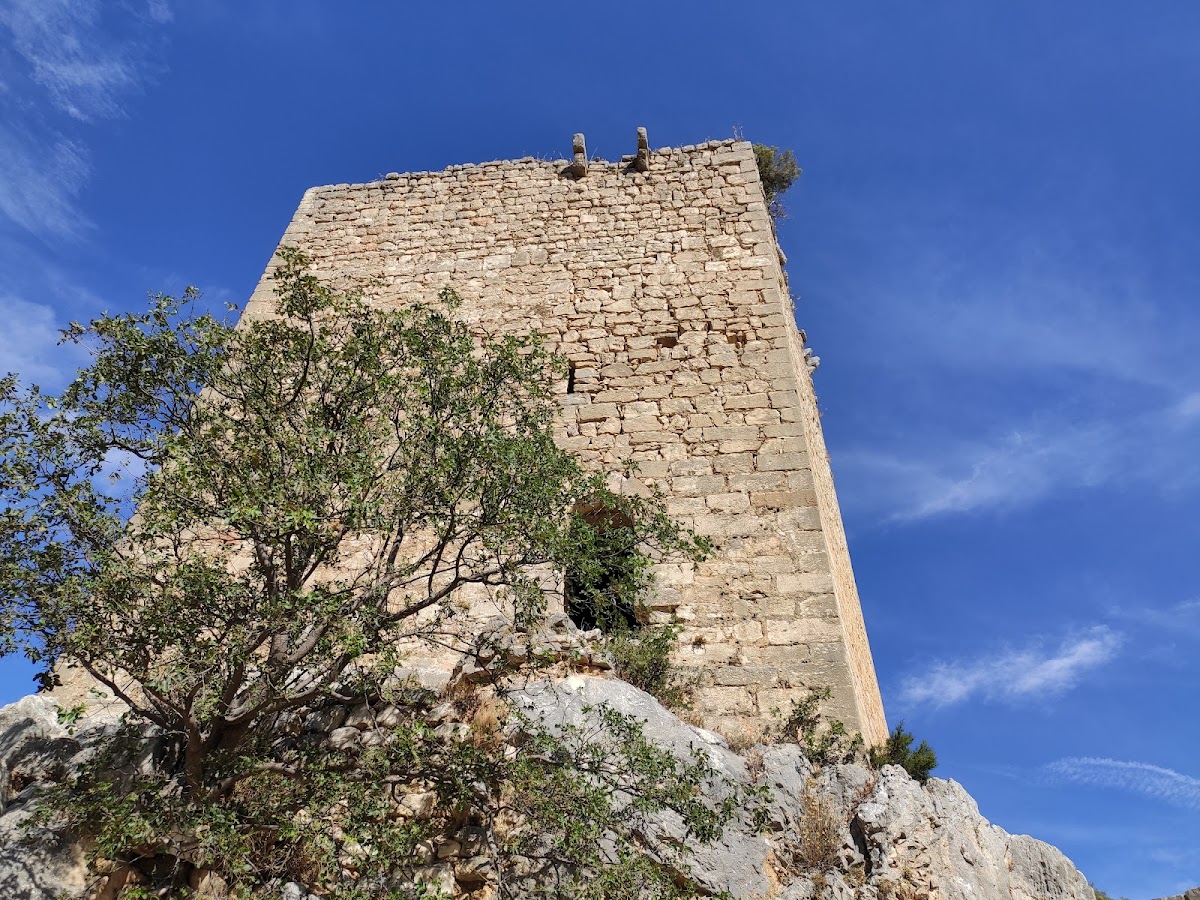
The later alcázar stands on rocky ground in the southern part of the enclosure and remains standing. It is built in ashlar masonry, using carefully shaped stone blocks, and includes a graceful two-story keep, the principal fortified tower of a castle, set on a rocky crag.
Inside the keep, the chambers have brick barrel vaults, which are continuous curved ceilings formed from semicircular or segmental arches. An access stairway is attached to the walls, linking the interior circulation to the structure’s fortified design.