Jiljov: A Romantic Pleasure House Ruin in Czechia


Site at a Glance
- Rating
- 4.5
- Popularity
- Low
- Country
- Czechia
- Primary era
- Modern
- Eras represented
- Modern
- Civilizations
- Austrian Empire, Habsburg
- Site type
- Domestic
- Remains
- Elite Residence
On this page5 sections
History
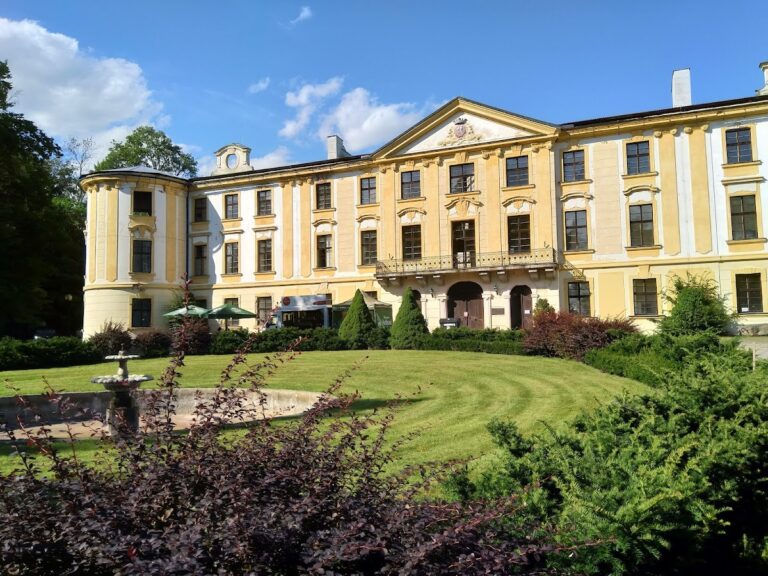
Jiljov is a Romantic ruin of a pleasure house in Czechia, about one kilometre east of Holany in the southwestern part of the Česká Lípa District. It was built during the first half of the nineteenth century as part of landscape modifications around Zahrádky Castle, using the picturesque forms associated with Romantic design.
Nineteenth-Century Landscape Design
The changes around Zahrádky Castle began after 1820 under Vincenc Karel Kounic, the Bohemian nobleman who owned the castle. A pleasure house was a recreational country retreat rather than a primary fortified or administrative residence, and Jiljov formed part of this deliberately arranged landscape.
Interpretation and Protection
Jiljov has often been described as a fortress. August Sedláček, a Czech historian of Bohemian castles, estates, and local history, associated it with a manorial residence. Written evidence and archaeological research carried out in 1970 instead indicate that the local terrain modifications date only from the nineteenth century.
Jiljov has been protected as a cultural monument of the Czech Republic since 1965. It lies within the Zahrádecko Landscape Conservation Area, a designation intended to preserve the character and natural or cultural features of a landscape, and is owned by the Czech Republic.
Remains
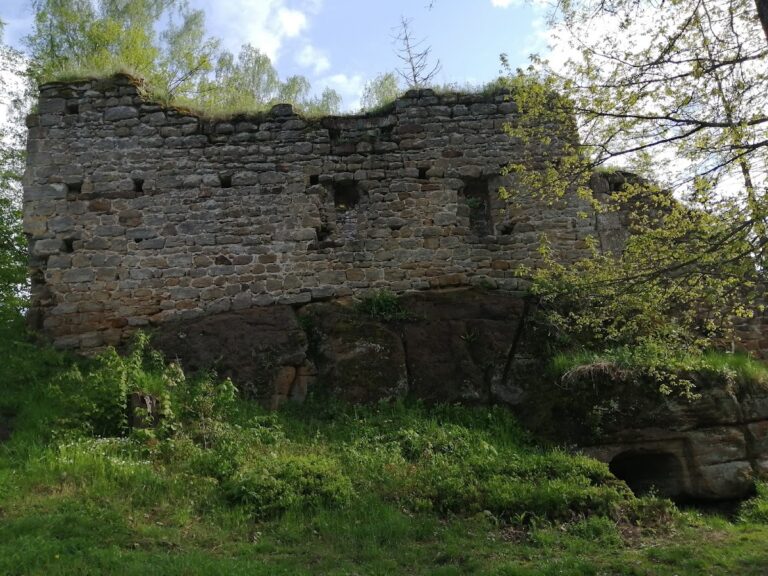
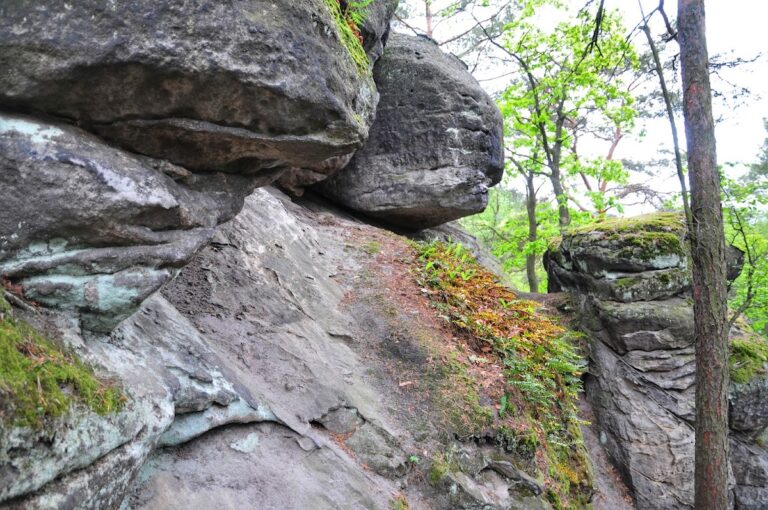
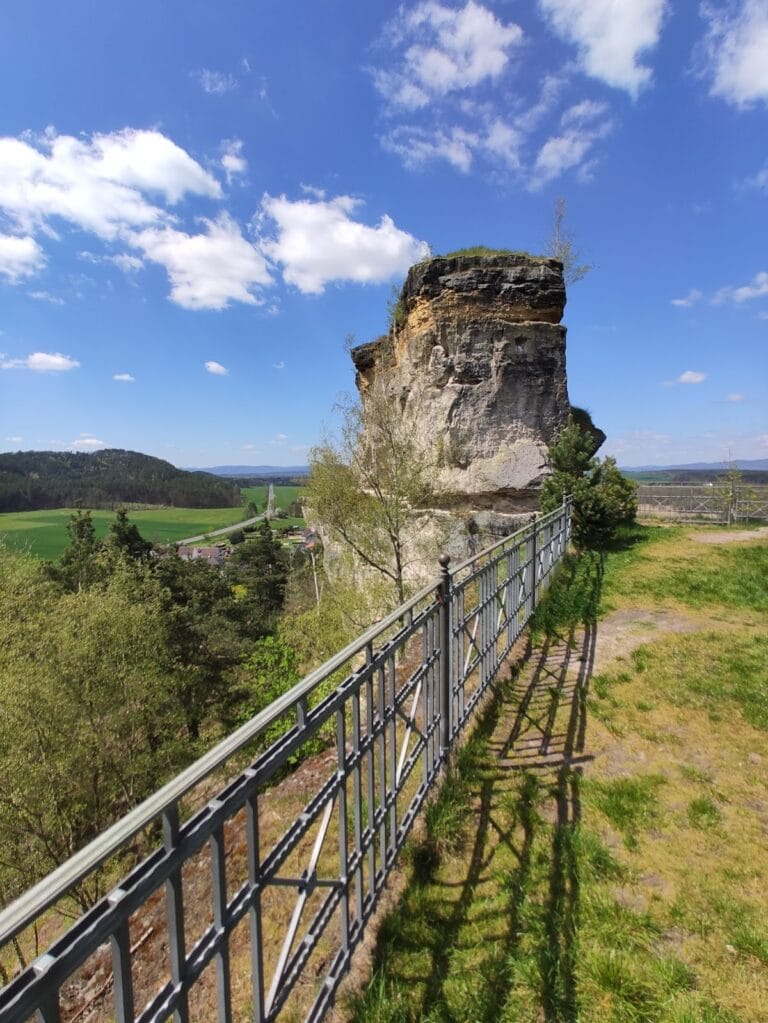
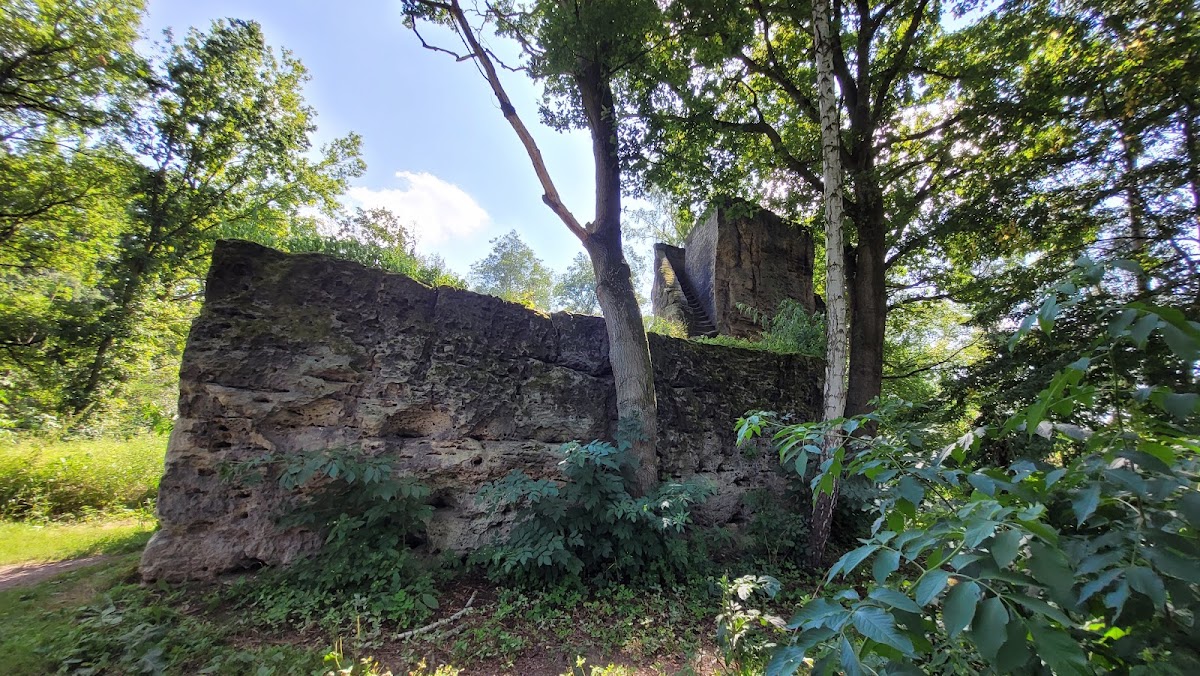
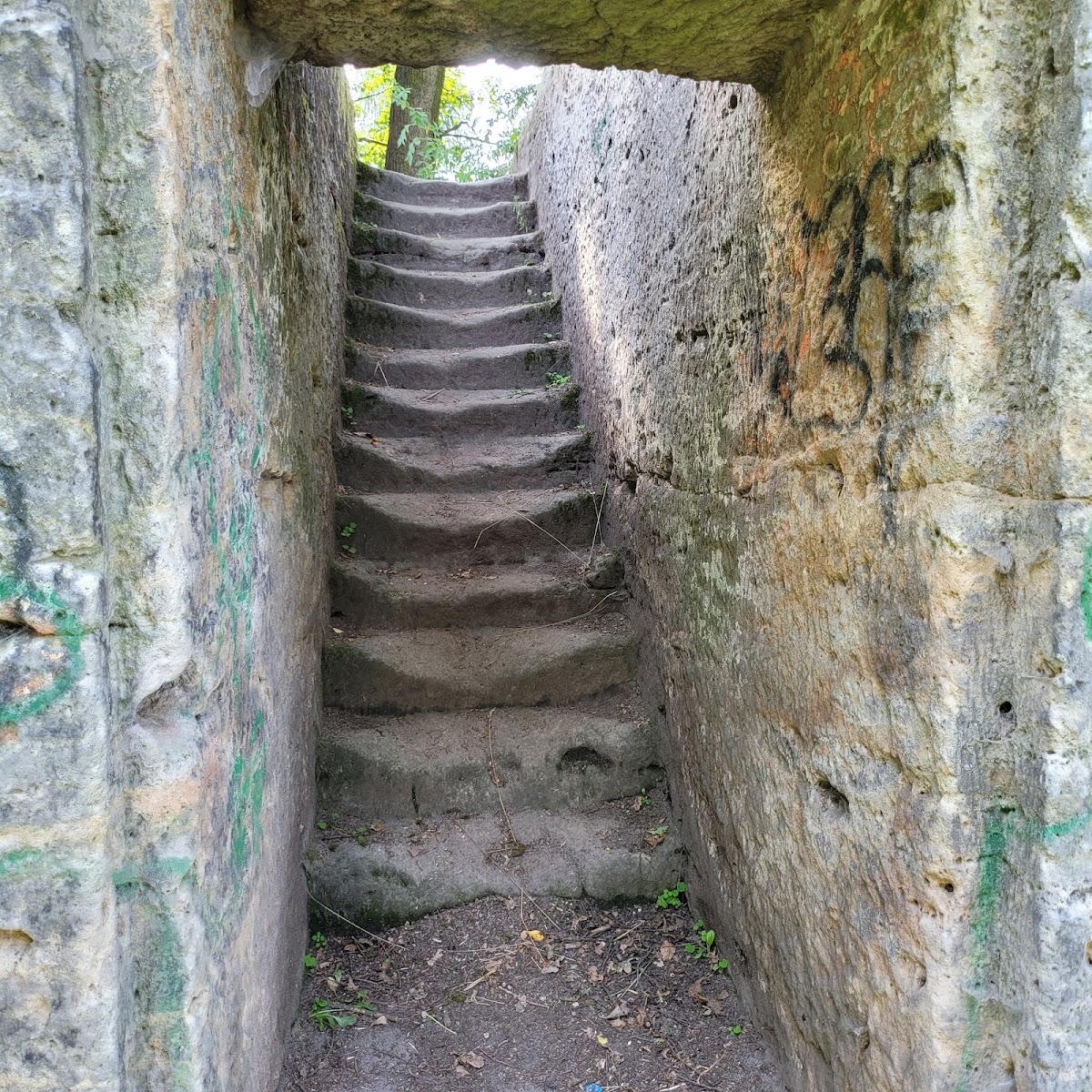
The surviving site is an oval island enclosed by a moat between 15 and 32 metres wide. Its rocky setting was arranged in the Romantic manner, which used picturesque ruins, irregular landscapes, and historic-looking forms to create an evocative setting. The remains therefore belong to a designed pleasure landscape rather than to a major medieval fortress.
Island and Retaining Wall
Archaeological work uncovered masonry along the edge of the island defined by the moat. The structure was made from sandstone stones bonded with clay and functioned as a retaining wall. Together with the oval plan, moat, rocky ground, and surviving ruin, it forms the physical remains of the nineteenth-century pleasure house setting.