Castle of Manzaneque: A Fifteenth-Century Defensive Fortification in Spain


Site at a Glance
- Rating
- 4.4
- Popularity
- Low
- Country
- Spain
- Primary era
- Medieval
- Eras represented
- Medieval
- Civilizations
- Crown of Castile
- Site type
- Military
- Remains
- Castle
History
The Castle of Manzaneque is a defensive fortification in Manzaneque, Spain, traditionally associated with fifteenth-century construction commissioned by Íñigo de Ávalos. Its origins may be earlier, since the heraldic shields above the entrance are linked to the Figueroa and Orozco lineages. The building was restored at the beginning of the twentieth century.
The castle is protected as a Spanish Asset of Cultural Interest under reference RI-51-0012339. This status derives from the decree of 22 April 1949, which placed Spanish castles under state protection against interventions that could alter their character or lead to their collapse. A protected setting around the monument was delimited in 2009 and notified in 2010.
Remains
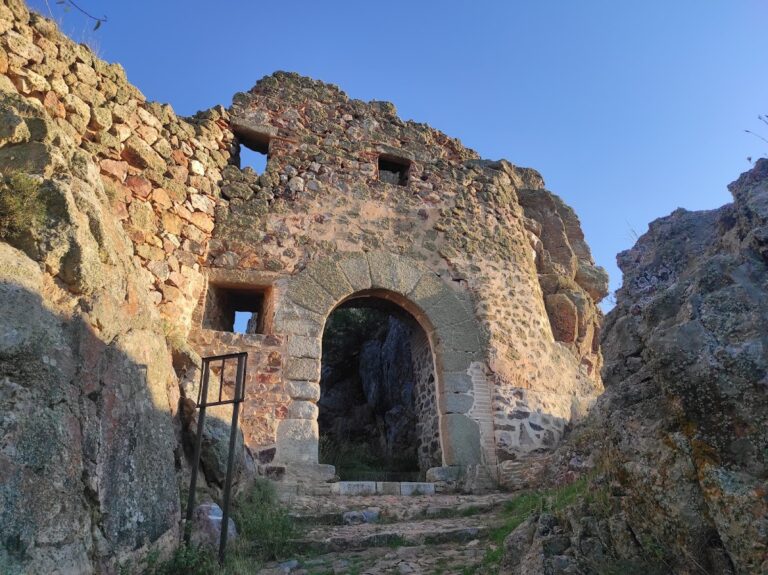
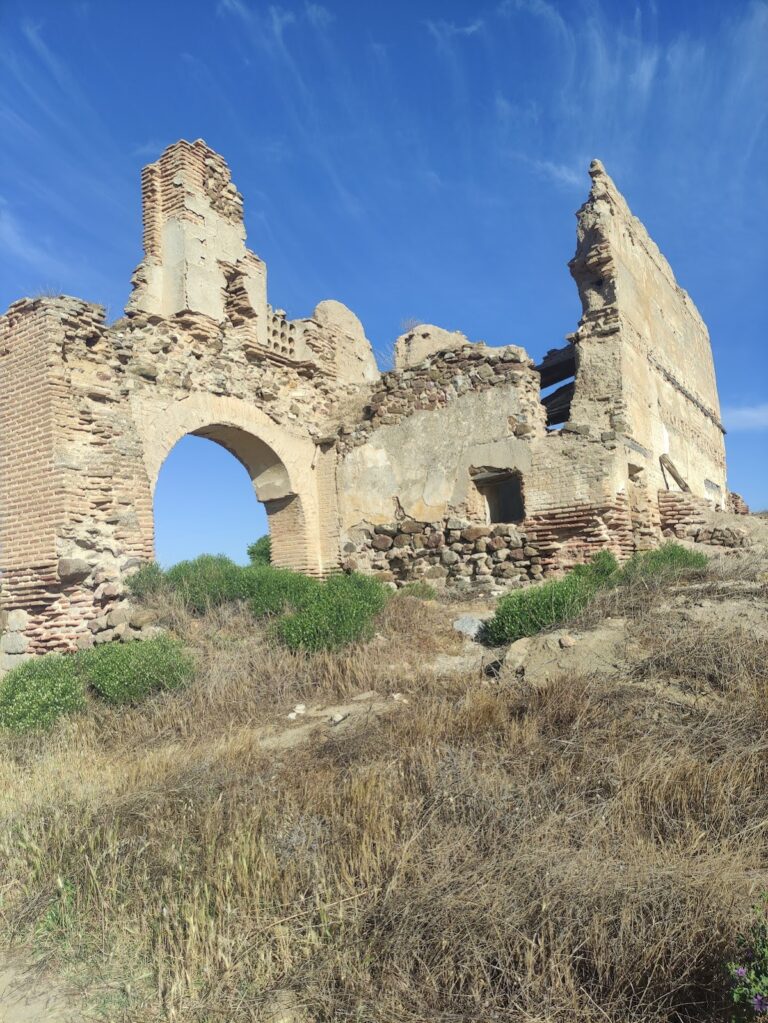
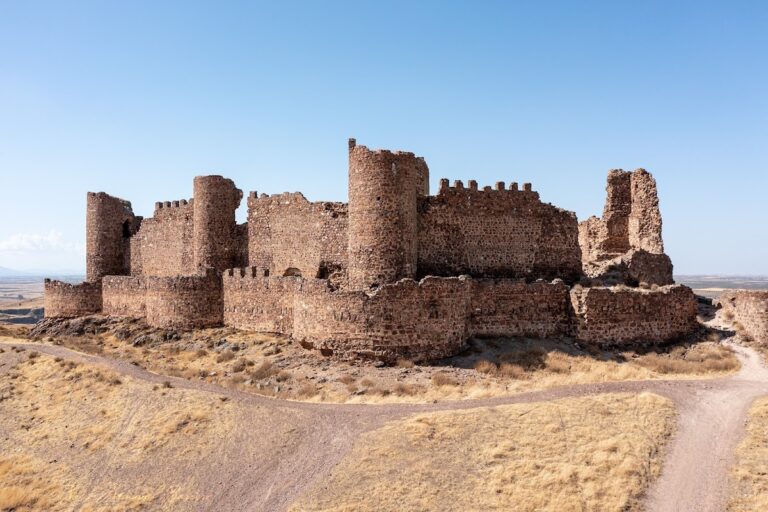
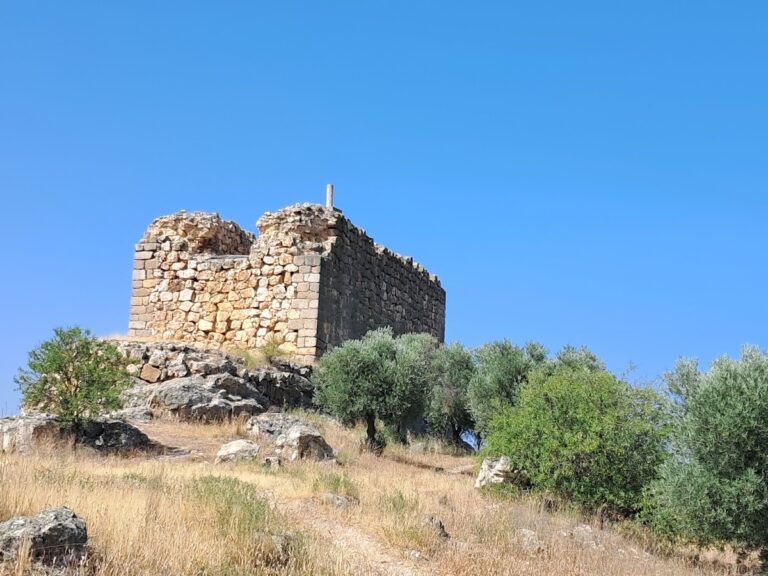
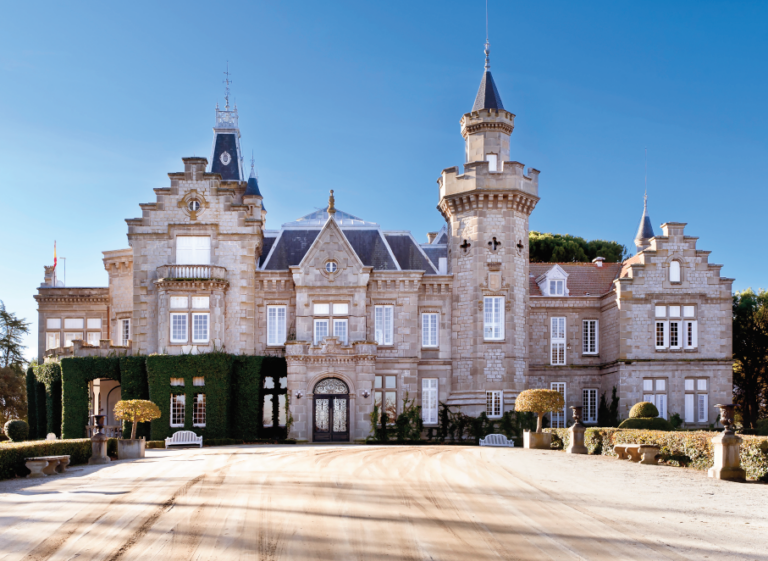
The fortification has a square plan and stands on level ground within the town. Its principal elements are a keep, the castle’s main fortified tower, and an entrance reached through a pointed arch. Together, these surviving components define the basic form of the monument.
Heraldic shields are positioned above the pointed entrance arch. These emblems identify or represent family lineages, in this case the Figueroa and Orozco families, and provide a clue to the possible earlier origins of the building. The entrance and its associated shields remain central features of the surviving structure.