Château de Terride: A Classical-Style Wine Estate in France


Site at a Glance
- Rating
- 4.8
- Popularity
- Low
- Country
- France
- Primary era
- Early Modern
- External website
- Open
- Eras represented
- Early Modern, Modern
- Civilizations
- French
- Site type
- Domestic
- Remains
- Elite Residence
On this page5 sections
History
Foundation and hunting lodge
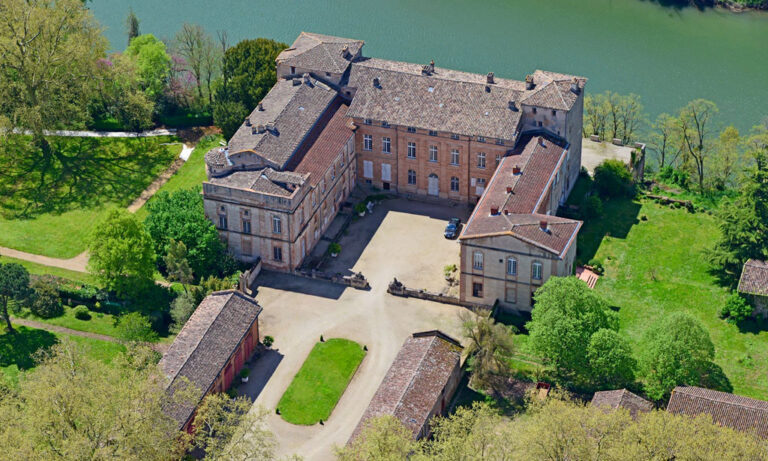
Château de Terride is a classical-style castle in Puycelsi, France, begun in 1652 by the Grenier de Terride family, a wealthy family of glassmakers from the Albigensian region. Family tradition holds that Louis IX, the thirteenth-century king of France known as Saint Louis, granted the family the right to work glass in recognition of its participation in the Crusades.
The building initially served as a hunting lodge for its noble owners. They practiced hunting with hounds, a traditional aristocratic pursuit in which mounted hunters and dogs track and pursue game. The château stood among extensive forests near the Grésigne Forest.
Transformation into a wine estate
As viticulture became the estate’s principal activity, the château was altered continuously from the seventeenth through the nineteenth century. Construction was completed in the nineteenth century. Around 1960, the property was converted into a wine estate within the Gaillac appellation, a regulated designation linking products to a defined area and production standards. It is the only vineyard in that appellation located in the commune of Puycelsi.
Jean-Paul and Solange David bought the estate in 1996 and diversified its activities. It remains a wine estate operated by the David family, managed by Alix David and her husband, Romain Gérard.
Remains
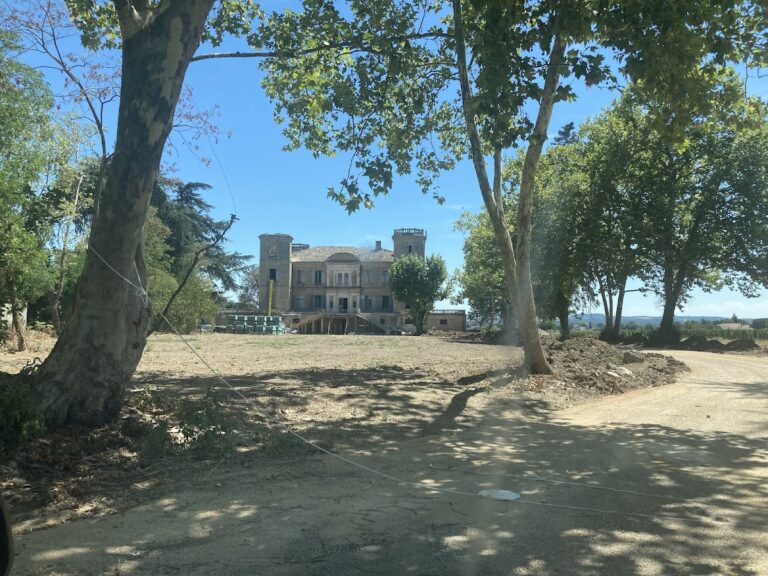
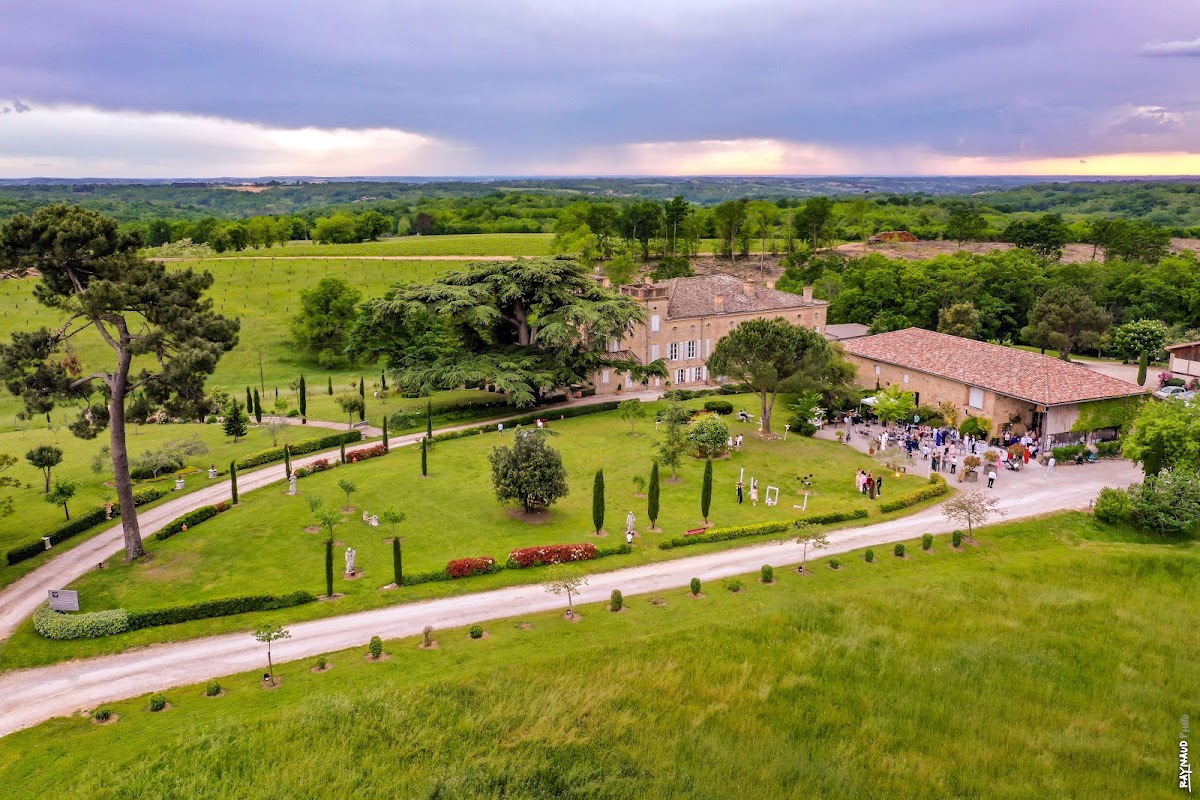
Château de Terride is a sober classical-style building set among luxuriant forests close to the Grésigne Forest. Its surviving form reflects alterations made as the property developed from a hunting lodge into an estate centred on viticulture.
Vineyard estate
The estate includes 35 hectares of vineyard within the Gaillac appellation. Its principal red-wine grape varieties are Braucol and Duras, while Loin de l’œil and Mauzac are used for white wines. The vineyard forms the productive landscape associated with the château’s modern role as a wine estate.