Gylen Castle: A Renaissance Tower House on Kerrera
Site at a Glance
- Rating
- 4.8
- Popularity
- Low
- Country
- United Kingdom
- Primary era
- Early Modern
- Eras represented
- Early Modern
- Civilizations
- Kingdom of Scotland
- Site type
- Military
- Remains
- Castle
On this page5 sections
History
Gylen Castle is a partially ruined Renaissance tower house on Kerrera near Oban in the United Kingdom. Built in 1582 by Duncan MacDougall of MacDougall and Dunollie, it served as the ancestral seat of Clan MacDougall, a Scottish clan associated with Argyll and the western islands. The completion date has also been given as 1587.
Construction and Clan MacDougall
The castle was a fortified residence built around a tall, compact tower, combining domestic accommodation with defensive features. Its position on Kerrera provided the MacDougalls with a substantial residence on the island, but the building was occupied for only a relatively short period.
Siege, Ruin, and Conservation
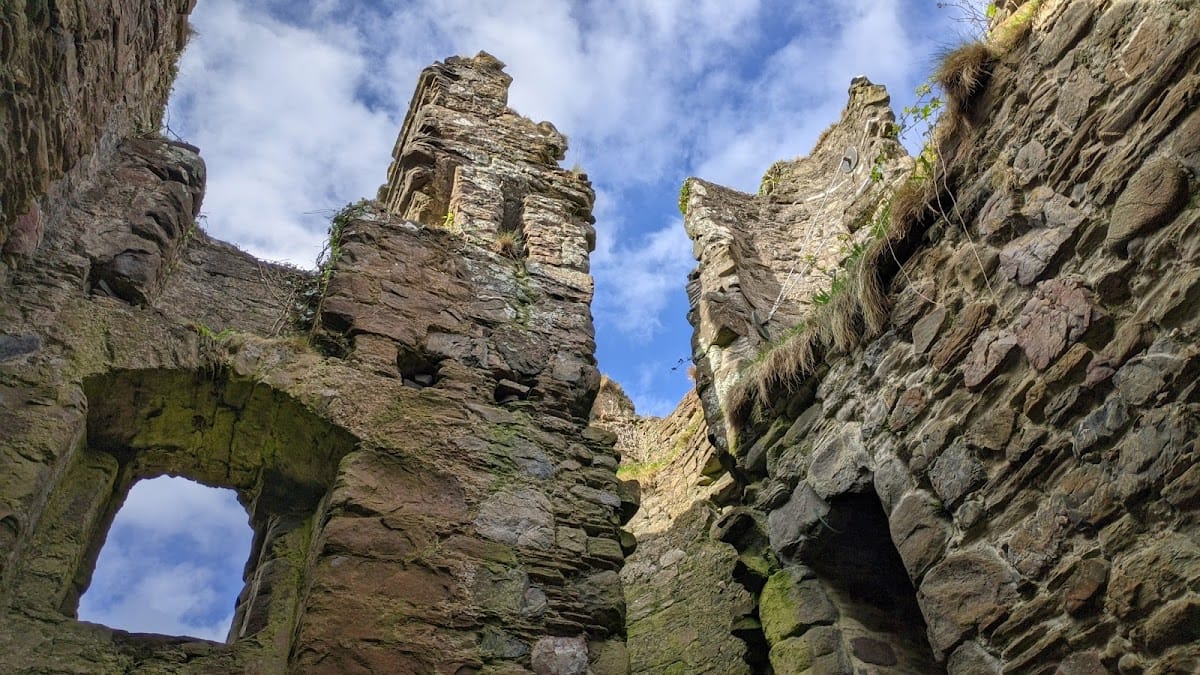
In 1647, during the Wars of the Three Kingdoms, a series of interconnected civil and religious conflicts in England, Scotland, and Ireland, Gylen Castle was besieged and burned by Covenanter forces under General David Leslie. The Covenanters were Scottish Presbyterians who opposed royal religious policies, and the castle’s inhabitants were killed during the assault. Gylen Castle was never inhabited again and gradually deteriorated.
The ruin received minor repairs in 1913 to prevent its collapse. A restoration-funding application followed in 1972, and restoration work began in 1993. An extensive archaeological investigation of the castle, its outbuildings, and the surrounding area took place in February 2002. Conservation was completed in May 2006 with support from Historic Scotland and members of Clan MacDougall worldwide. The castle became a Scheduled Monument in 1931, a designation that protects sites of archaeological or historical importance under United Kingdom law, and it remains protected in that status.
Remains
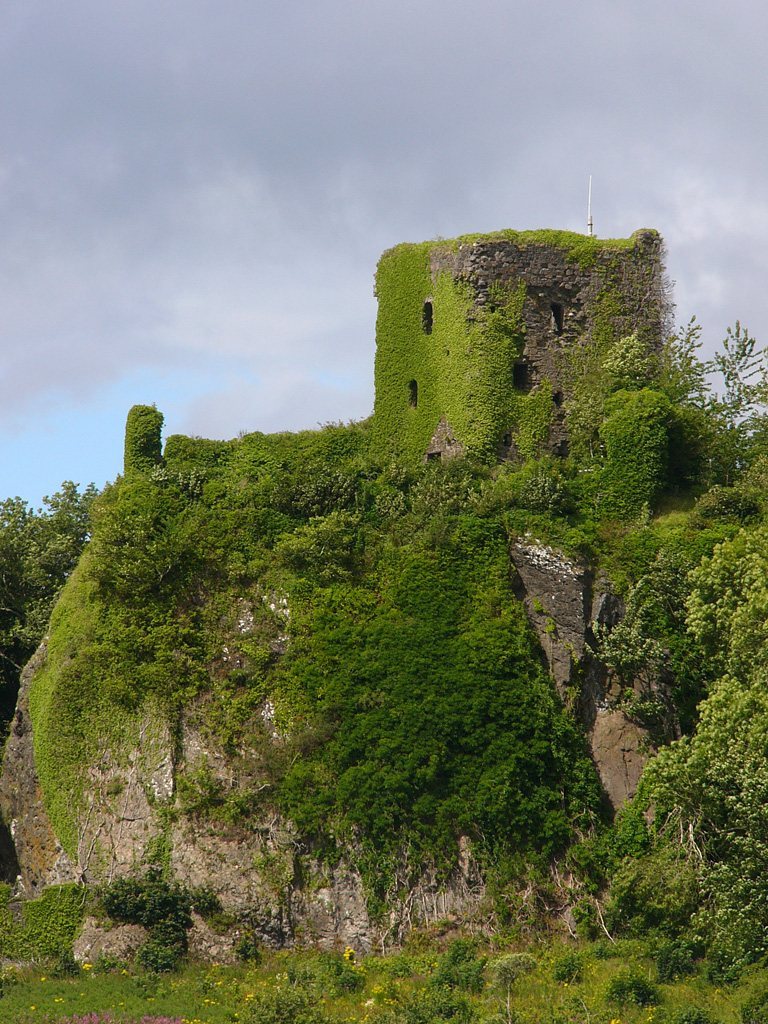
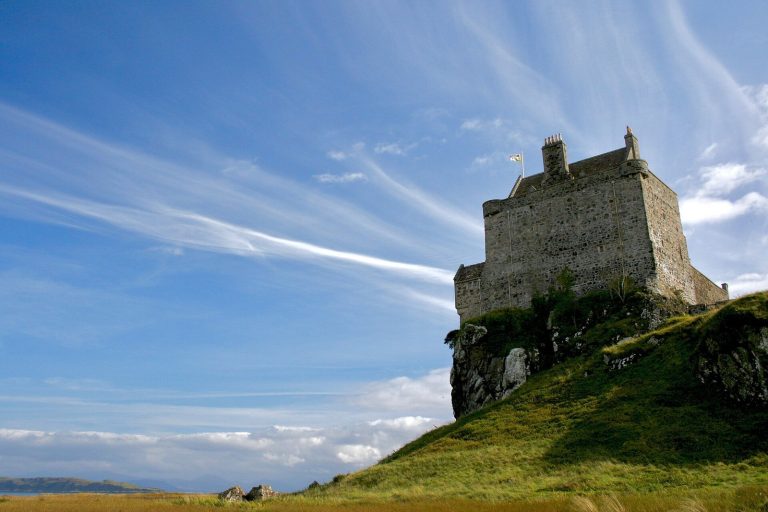
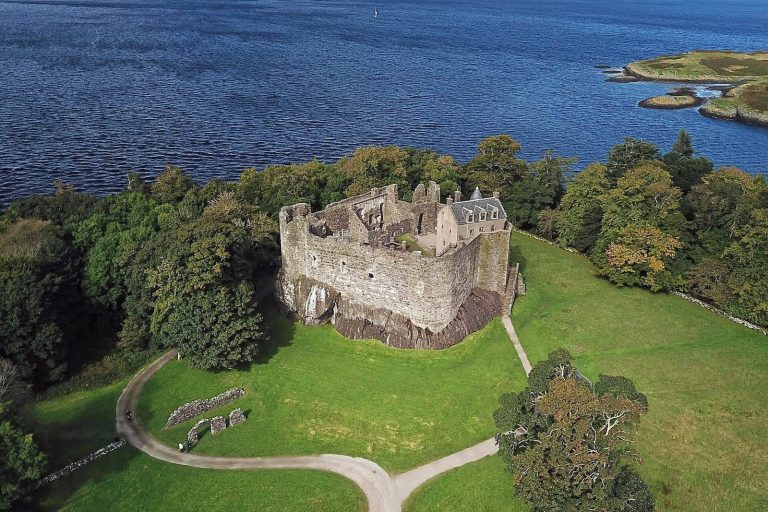
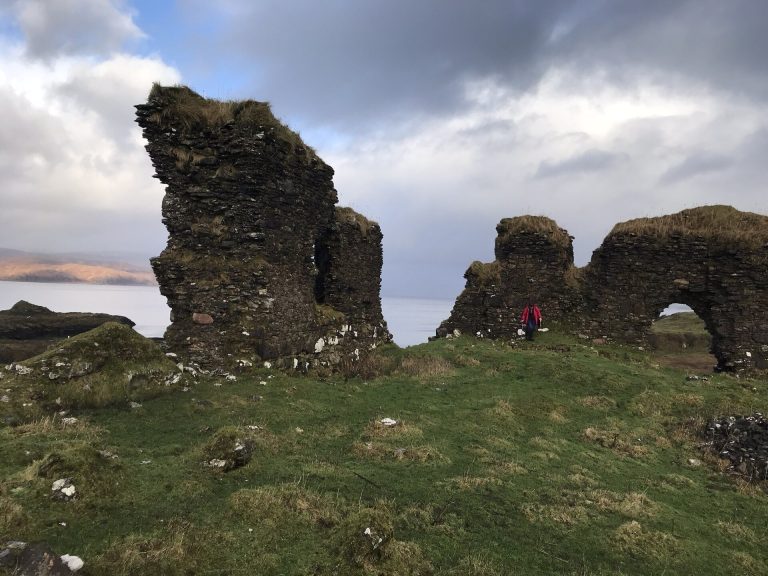
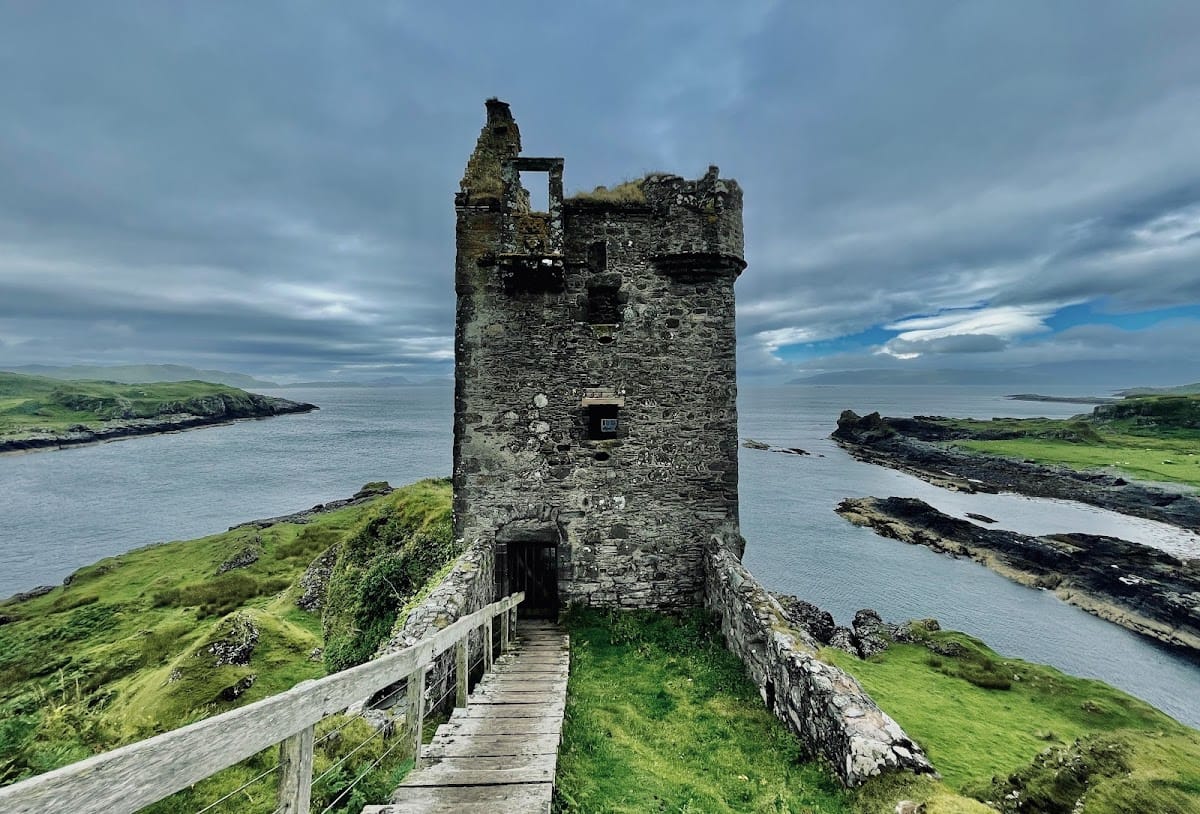
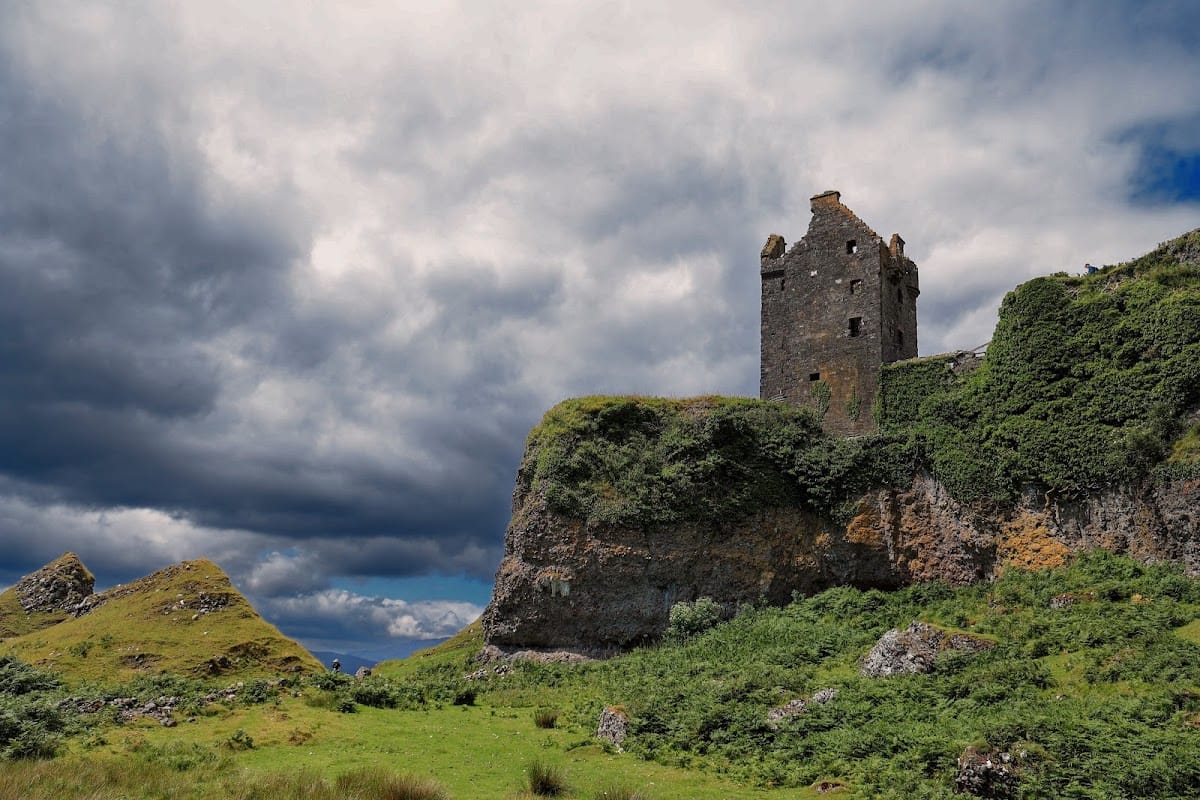
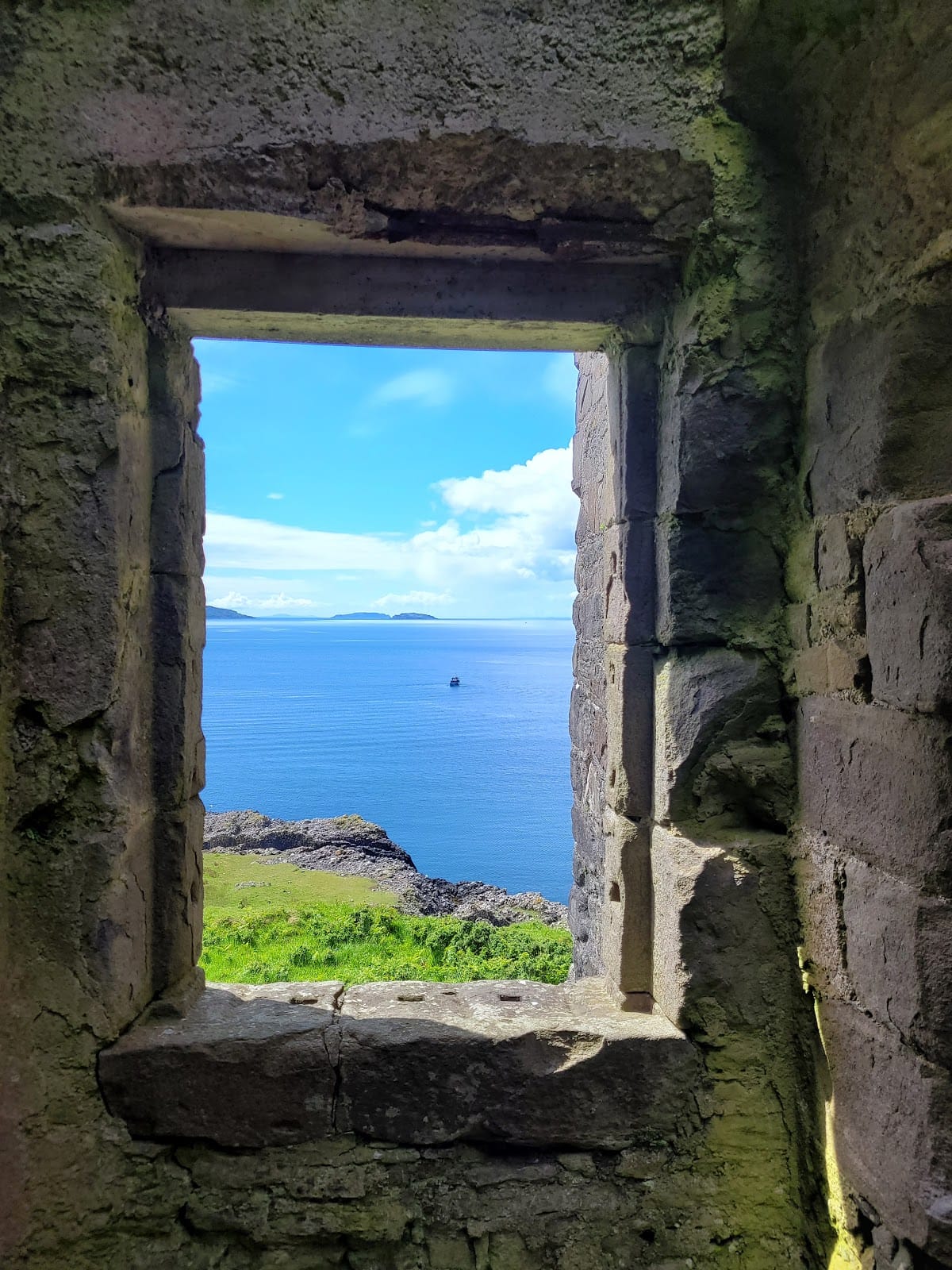
Gylen Castle stands on a rocky promontory at the southern end of Kerrera, on the island’s south-west coast overlooking the Firth of Lorne. The surviving complex has an L-shaped plan, with a four-storey main tower joined to a stair tower whose side section rises to five storeys. A courtyard and ancillary buildings were attached to the tower house, creating a compact residential and defensive complex. The buildings remain ruinous, although parts of the structure were restored and the whole complex underwent extensive conservation.
Tower House and Circulation
A vaulted passage runs through the main tower to the courtyard, while a vaulted basement is entered from one side. The principal entrance opens from the courtyard and leads to the foot of the main spiral staircase, which served all the storeys. The hall and kitchen occupied the first floor, while an oriel window projected from the facade at third-floor level. These surviving elements show how domestic rooms, vertical circulation, and fortified construction were combined within the tower house.