Roman Sites in the Netherlands: Explore Fort Excavations and a Preserved River Ship
Roman sites in the Netherlands follow the river frontier through places such as Utrecht, Vechten and Arnhem. The collection includes excavated military buildings, a preserved Roman river ship and archaeological parks marking the outlines of forts. Much of the frontier’s masonry remains underground, so the clearest examples combine original objects or exposed excavations with modern displays that explain the buried structures.
Primary Function: All
Type: All
Popularity: All
Rating: All
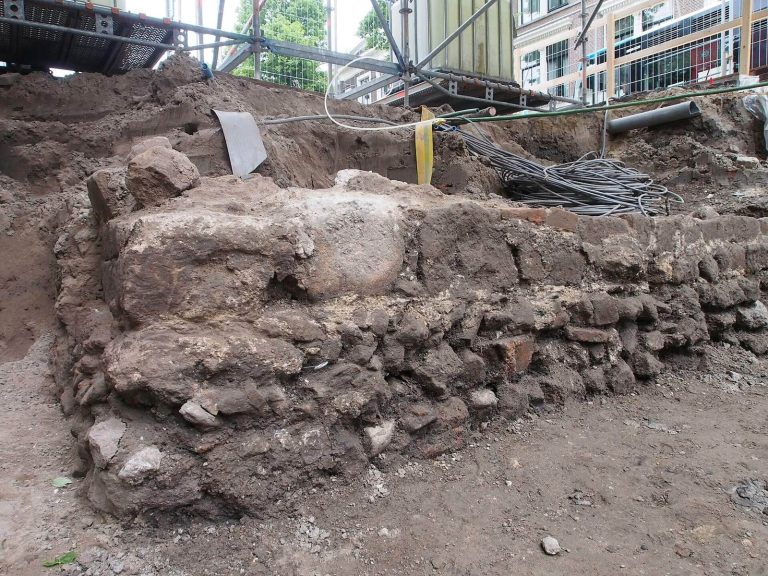
Traiectum was a Roman auxiliary fort on the Rhine frontier that later became the core of Utrecht’s medieval ecclesiastical and administrative center.…
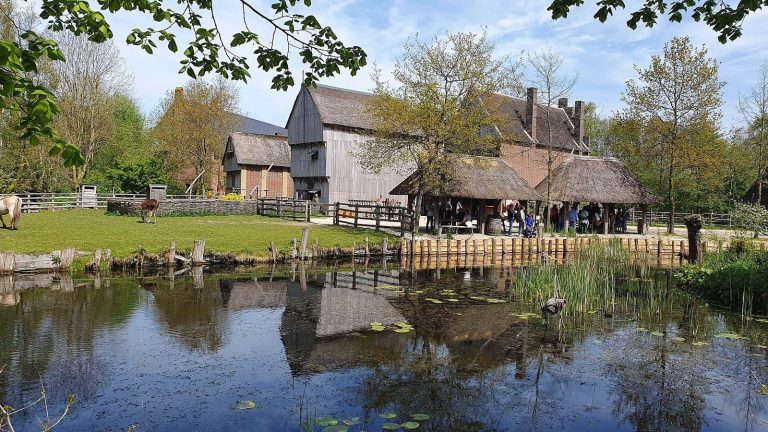
Archeon Museum Park in Alphen aan den Rijn presents Dutch prehistory, the Roman period, and the Middle Ages through reconstructed buildings,…
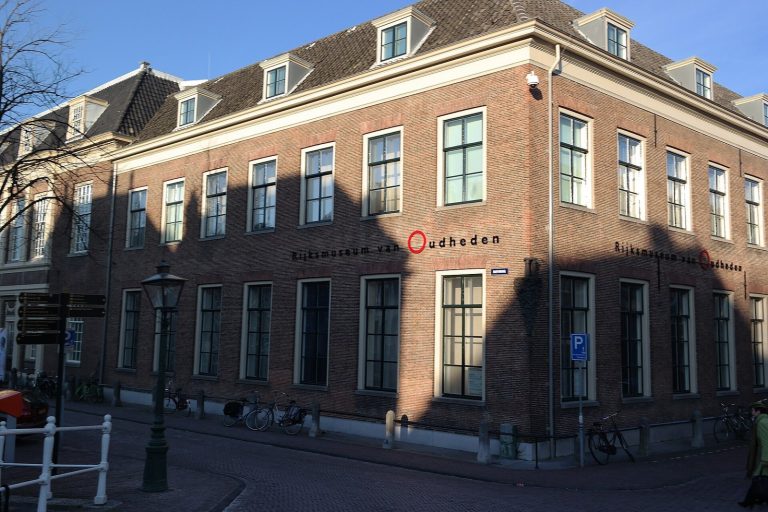
Founded in 1818, the National Museum of Antiquities Leiden grew from Leiden University’s antiquities collection into the Netherlands’ national…
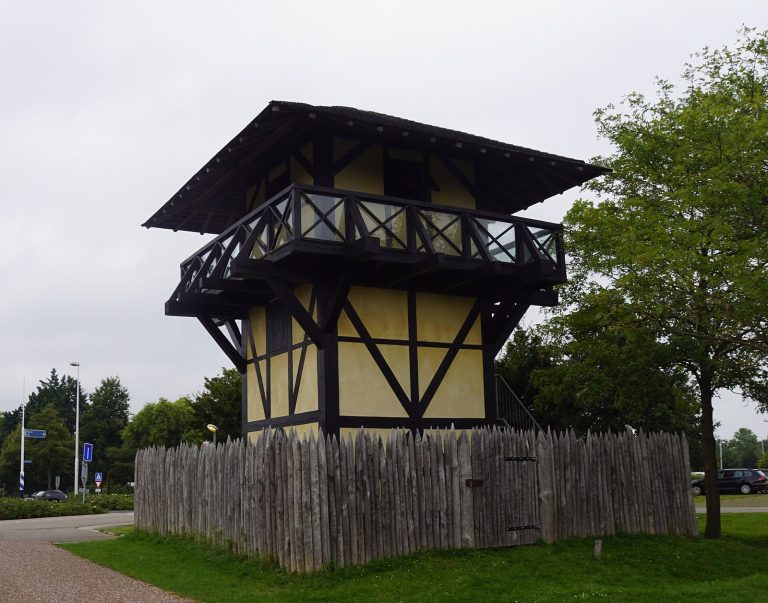
Hoge Woerd Fort is a reconstructed Roman castellum in Utrecht, built on the site of a frontier fort beside a former branch of the Rhine. Its…
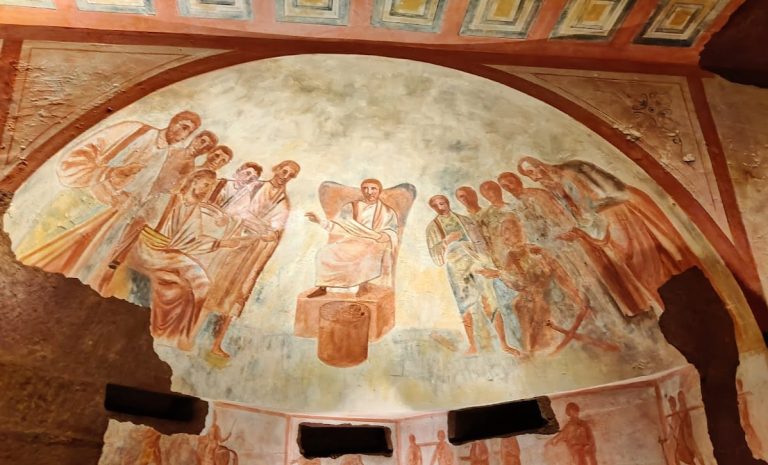
Created between 1908 and 1912 in abandoned marl quarries, the Roman Catacombs Valkenburg reproduce selected features from fourteen early Christian…
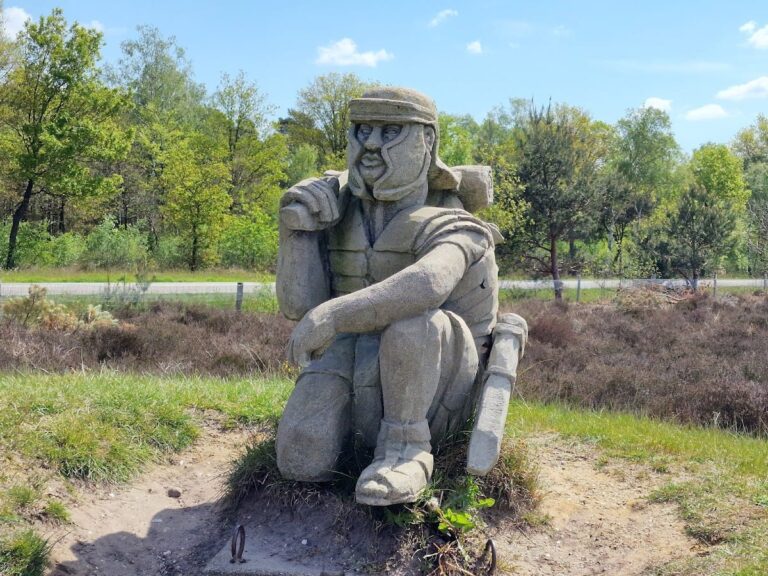
A well-preserved temporary Roman marching camp north of the Rhine that illustrates imperial frontier operations in the later second century AD.

Roman Fort Arnhem, also known as Castellum Meinerswijk, was a Roman auxiliary fort on the Rhine. Its remains illuminate frontier transport, military…
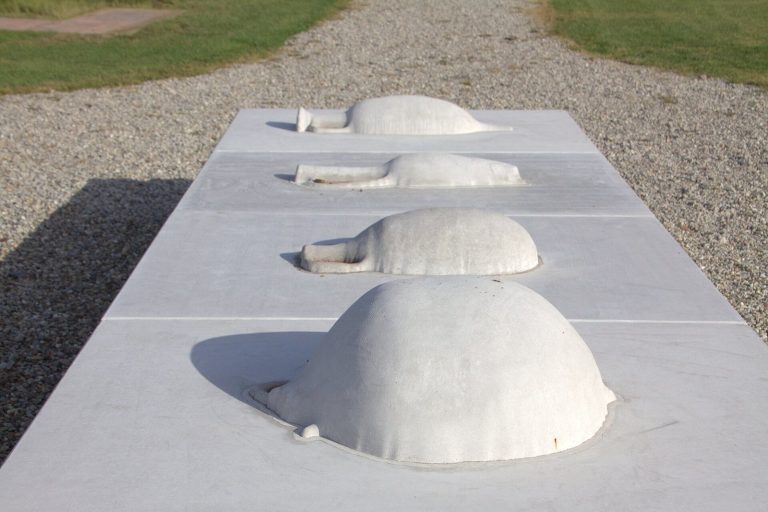
Roman Fort Fectio was a military and river settlement on the Lower Rhine, occupied from the early first century AD until its destruction around AD…
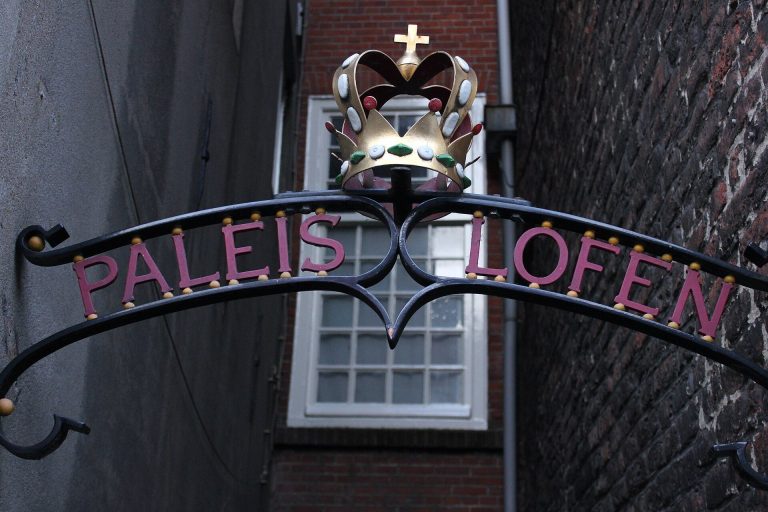
Paleis Lofen was an imperial palace built around 1020 at Utrecht’s Trecht fortress. Emperor Henry V granted Utrecht civic rights there in 1122,…
For details on how to use the maps, which sites are included, how popularity and ratings are determined, and how sites are classified, see the help page.
On this page4 sections
Traiectum: Roman walls beneath Utrecht
The fort of Traiectum occupied the area around Utrecht’s Domplein. Excavations beneath the square preserve parts of the Roman buildings below the later churches, including masonry associated with the fort’s headquarters. The underground presentation places these remains within the layers accumulated as the site changed from a military enclosure into a religious centre.
The headquarters originally included a courtyard, a cross-hall and rooms used for administration and military worship. Its excavated fragments belong to that larger arrangement, rather than to a complete surviving interior. Above ground, markings indicate the fort’s position within the modern square; the Dom Tower and cathedral remains belong to much later construction.
Hoge Woerd: a Roman ship inside a modern castellum
At Castellum Hoge Woerd, the principal original exhibit is De Meern 1, a Roman river vessel about twenty-five metres long. Its conserved wooden hull preserves the structure of a working boat, accompanied by tools and personal belongings recovered with it. The vessel adds river transport to a collection otherwise dominated by military sites along the same waterway.
The building surrounding the display was completed in 2015 over the archaeological fort site. Its walls and towers are a contemporary interpretation, rather than surviving Roman defences or an exact reconstruction of a known ancient elevation. The original fort remains largely buried beneath the complex. The distinction allows the ship’s ancient timbers to be appreciated without attributing the modern enclosure to Roman builders.
Fectio and Meinerswijk: the plans of frontier forts
Fectio, near Vechten, occupied a position close to the waterways linking the Rhine and Vecht. Successive timber and stone forts housed troops beside facilities for storage and river transport. The archaeological remains are mostly protected below ground, while a modern outline marks the enclosure above them. The nearby nineteenth-century Fort Vechten is a separate fortification from a different defensive system.
At Meinerswijk Roman Fort in Arnhem, excavation established the plan of the headquarters, with a courtyard, cross-hall and rooms to the rear. Stone-filled metal cages now indicate its form in the landscape. These are modern markers, not exposed Roman walls. The archaeological sequence also records repeated raising of the ground as the settlement dealt with flooding beside the Rhine.
Explore the collection
Explore sites on the map or in the grid. Map icons reflect each site’s primary function, helping you identify different kinds of places at a glance. Narrow the results by primary function, site type or era, with additional filters for popularity and rating. Select a map marker to view the site’s details and open its article, or open the article from its grid entry.