Castle of Barbacena: A Medieval Castle and Bastion Fortress in Portugal
Site at a Glance
- Rating
- 3.7
- Popularity
- Low
- Country
- Portugal
- Primary era
- Early Modern
- External website
- Open
- Eras represented
- Medieval, Early Modern
- Civilizations
- Portuguese
- Site type
- Military
- Remains
- Castle
On this page18 sections
History
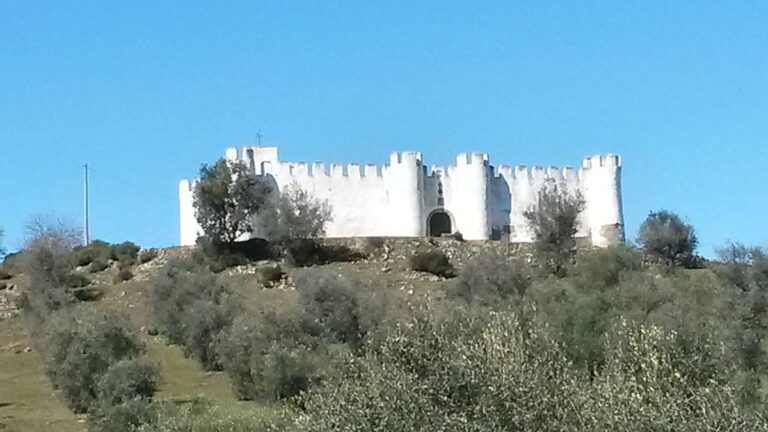
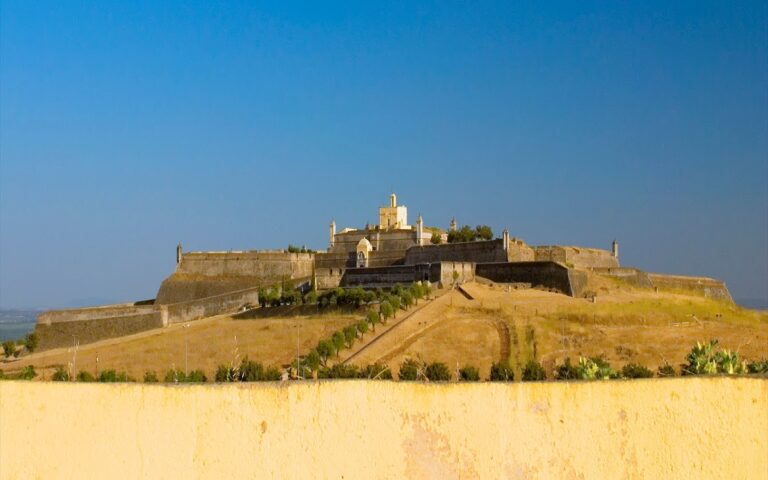
The Castle of Barbacena is a medieval castle and later bastion fortress in Barbacena, Portugal, near the Spanish frontier. Its origins lie in the Christian reconquest of the settlement during the first half of the thirteenth century, and its present form reflects successive rebuilding from the medieval period through the early modern era.
Medieval settlement and royal charters
King Sancho II definitively reconquered Barbacena during the first half of the thirteenth century, in the long Christian expansion known as the Reconquista. The settlement may have developed from an earlier castro, a fortified settlement generally associated with prehistoric or pre-Roman communities in the Iberian Peninsula, although this earlier origin remains a possibility rather than an established fact.
Barbacena was granted to Estêvão Anes, chancellor of King Afonso III, who was married to the king’s illegitimate daughter and served as Master of Alvito in 1251. In 1273, during Afonso III’s reign, its new lord issued the settlement’s first foral. This medieval and early-modern charter defined local privileges, administration, obligations, and the community’s relationship with its lord or monarch.
Noble lordship and reconstruction
During the reign of King John I, Barbacena was associated with João Fernandes Pacheco and Martim Afonso de Melo. Melo served as the king’s bodyguard and as alcaide of Évora, a military governor responsible for a fortified place, and later received the lordship of Barbacena. Pacheco, who supported the Master of Avis, lost Barbacena and other lordships after betraying the king, and the lordship passed to Melo.
On 15 December 1519, King Manuel I granted Barbacena a new foral and ordered the castle to be reconstructed, apparently because it had fallen into poor condition. In 1536, the settlement formed part of the morgadio of Jorge Henriques, a hereditary estate arrangement intended to keep property together within a family. Henriques, who was huntsman to King John III, was credited with beginning the castle’s construction, but the work ended with his death in 1572.
In 1575, Diogo de Castro do Rio purchased the fortification. A Knight of the Order of Christ and a nobleman of the Royal Household, he became the first person to use the title Master of Barbacena. By that year, the castle had been built on a rectangular plan over the site of an earlier medieval project. In 1587, the estate was auctioned again and acquired by Martim de Castro, on the condition that two corbels and the keep tower be removed.
Early modern warfare
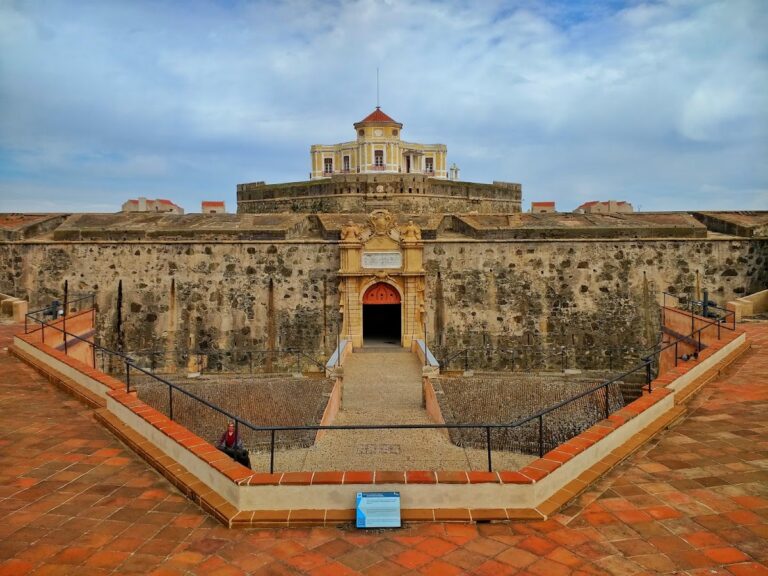
During the seventeenth-century Restoration Wars, the conflict in which Portugal defended its independence from the Spanish monarchy, public works modernized the fortress and increased its strategic value. A modern bastion, a projecting fortification that allowed defenders to protect adjoining walls with flanking fire, was added, and the principal entrance was constructed.
Castilian forces assaulted the castle in 1645. In 1658, its garrison was forced to surrender to the Duke of Ossuna. Repeated attacks and looting led Afonso Furtado de Mendonça, the king’s chancellor, first Viscount of Barbacena, and great-grandson of Diogo de Castro do Rio, to prepare further defensive plans.
The bastion was attacked again by the Marquis of Bay, governor of Badajoz, during the War of the Spanish Succession. Barbacena was besieged several times during the nineteenth century, while its position near Spain continued to expose it to instability and Spanish incursions.
Private ownership and modern status
The castle remained in the same family for several years. In 1816, King John VI created the title of Count of Barbacena for Luís António Furtado de Castro do Rio de Mendonça e Faro, the first Count and sixth Viscount of Barbacena. His son, Francisco Furtado de Castro do Rio de Mendonça, the second Count and seventh Viscount, continued to live in the castle.
Hermenegildo José Costa Campos sold the property to Alfredo de Andrade in 1896. Andrade’s descendant, José Luis Sommer de Andrade, sold the ruins to Mico da Câmara Pereira in 2005. The fortifications were occupied by the population of Barbacena in 1974. The Castle of Barbacena has been classified as a Property of Public Interest since 24 January 1967.
Remains
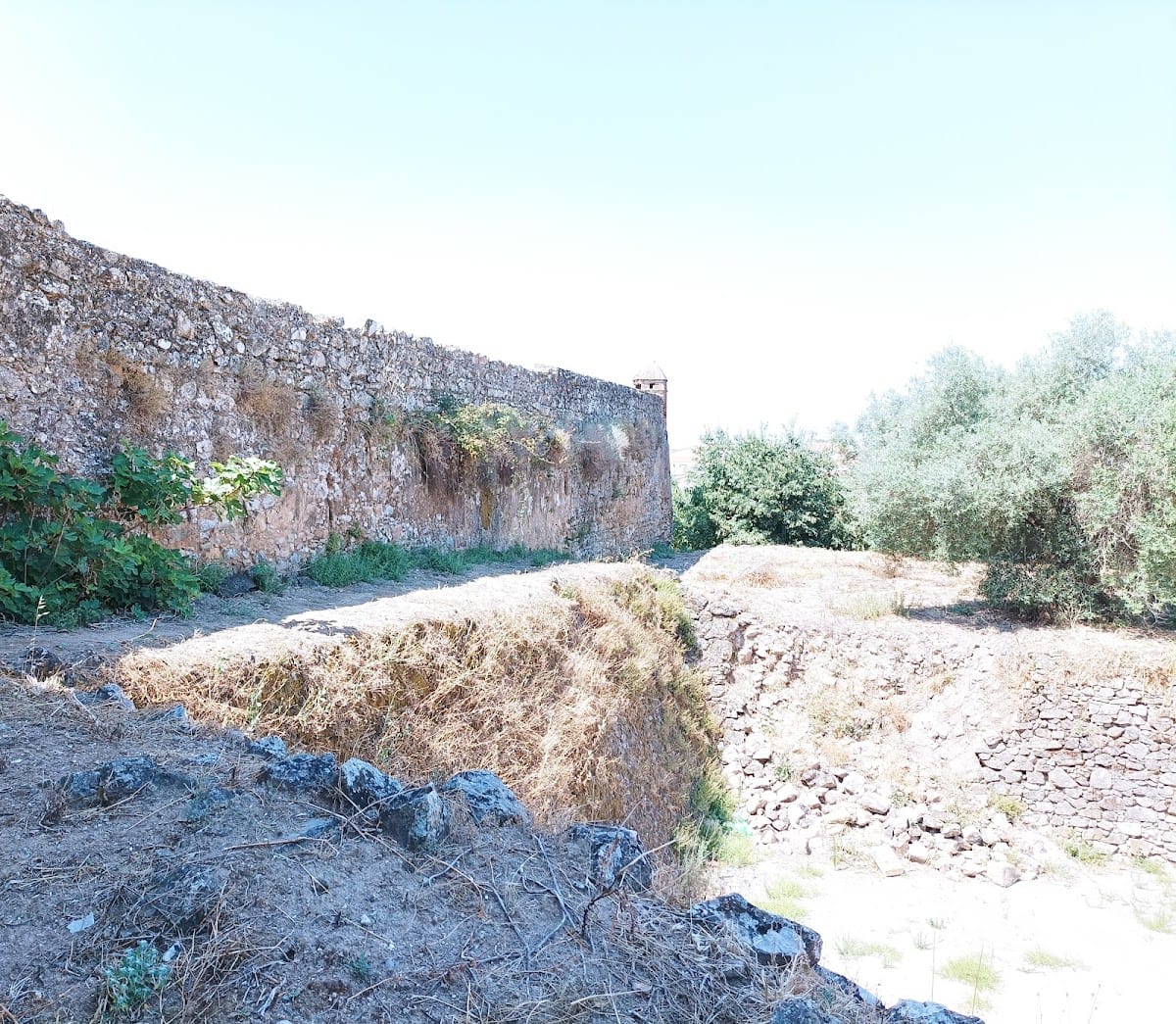
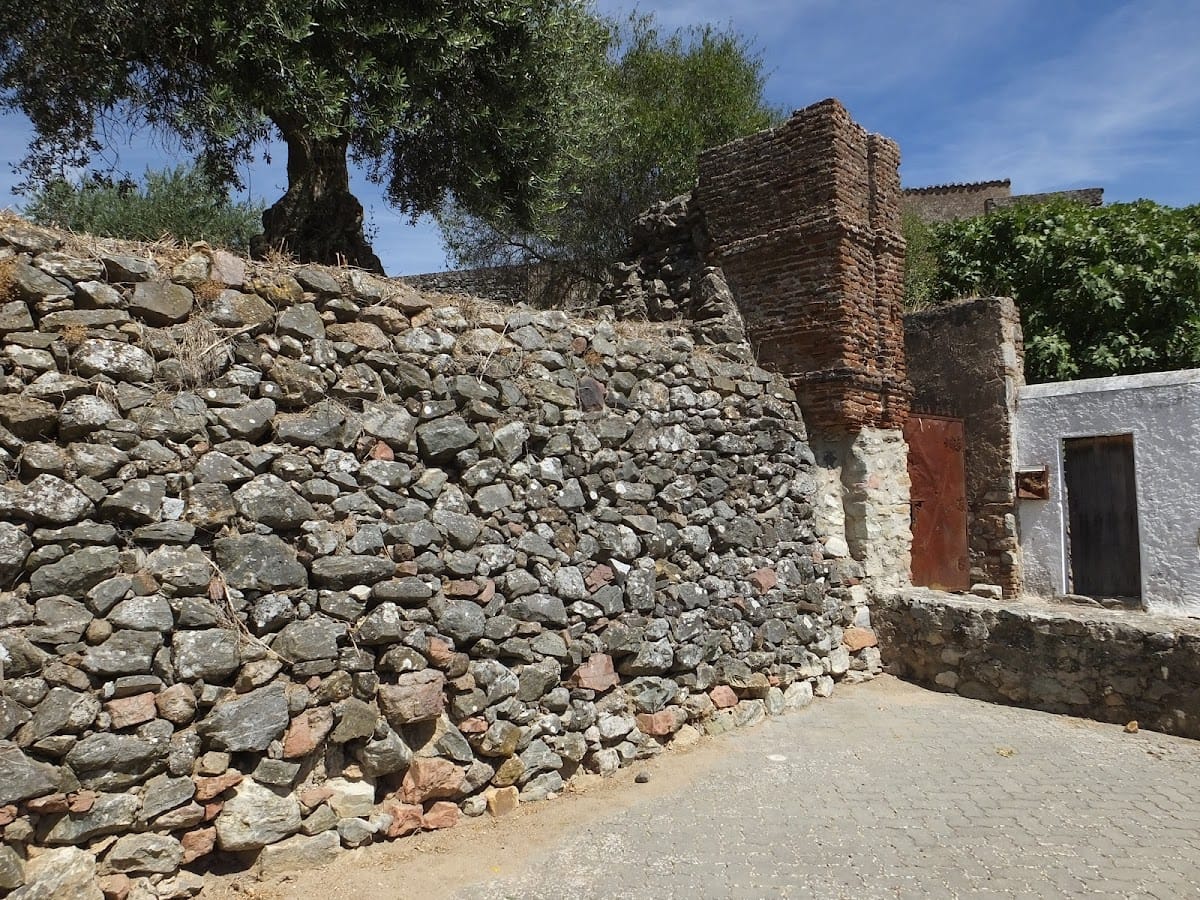
The surviving complex combines a rectangular garrison castle with an enclosing star-shaped bastion fortress. Its listed materials include stone, masonry, wood, tile, and calcium oxide. The outer defenses preserve walls and barbicans from the seventeenth-century fortification, while the earlier castle remains visible within the later military envelope.
Outer fortress
Ravelins and bastions
The outer fortress includes an arrow-shaped ravelin, an advanced defensive work placed in front of the main fortifications, with an entrance on the southwest. It also contains a half-bastion, recessed walls, and two middle bastions linked by a further arrow-shaped ravelin. This advanced work includes a guardhouse and forms part of the star-shaped defensive system created during the seventeenth-century military modernization.
Walls and defensive towers
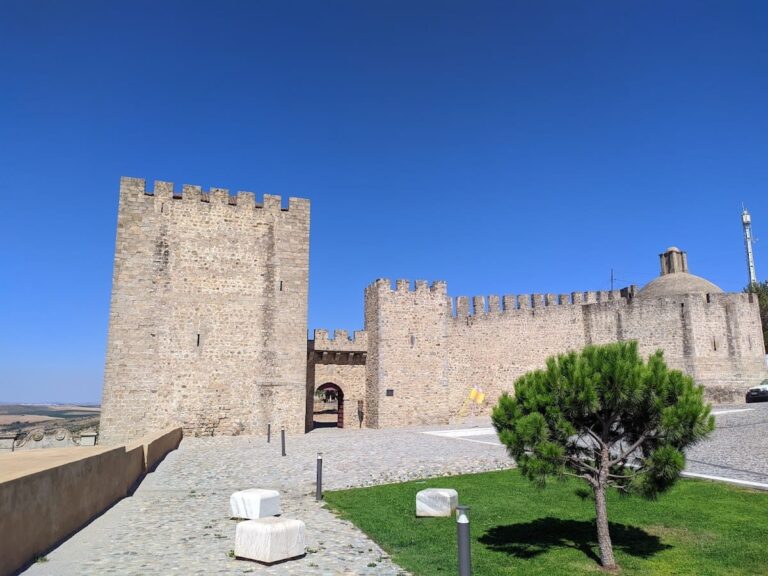
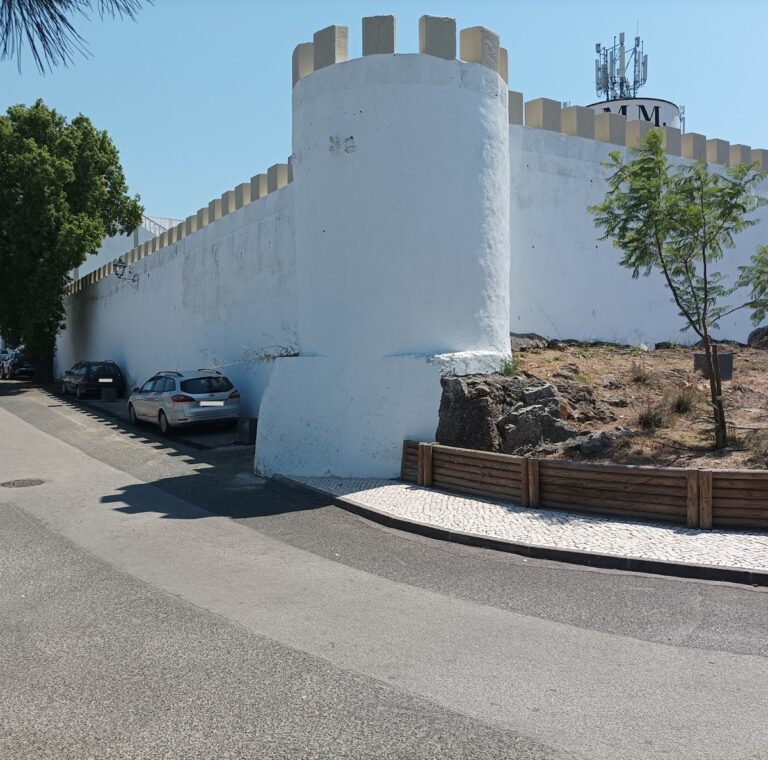
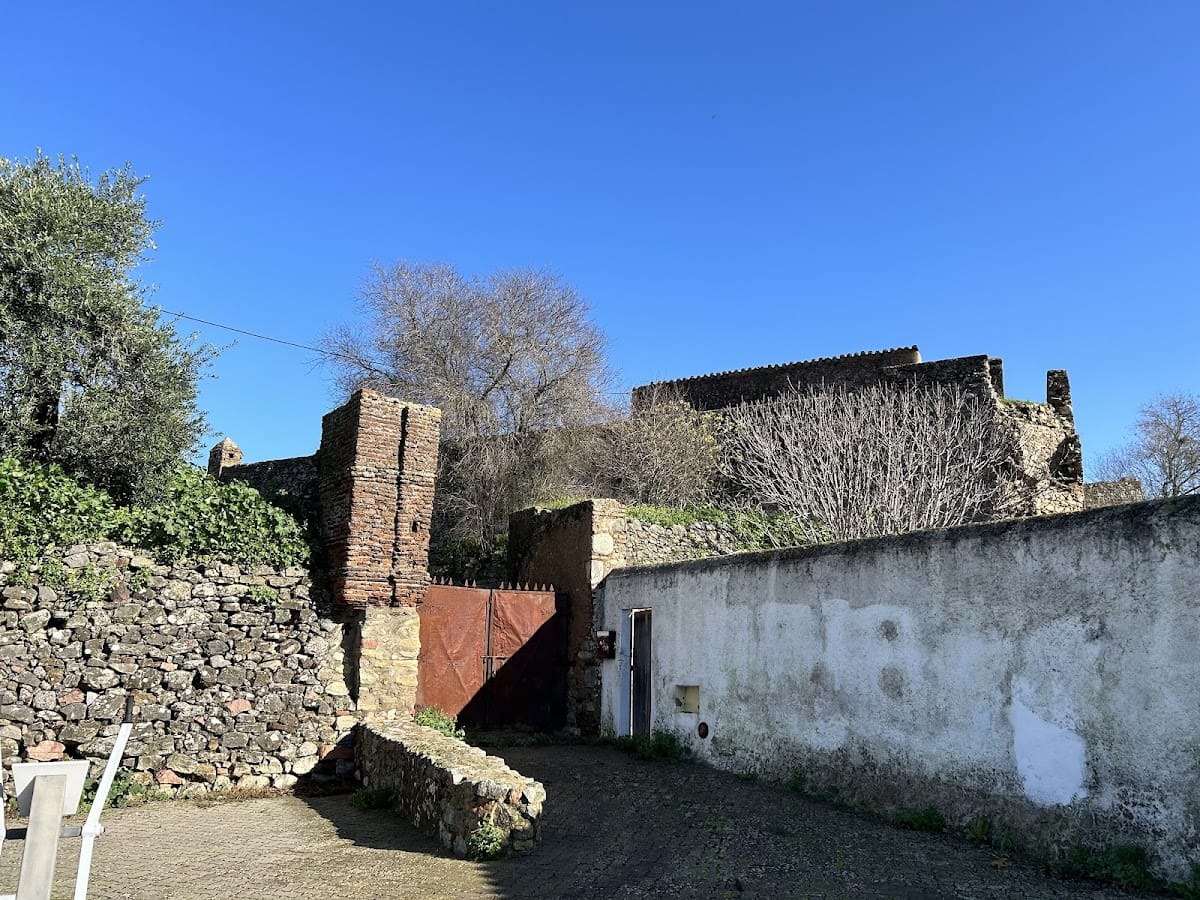
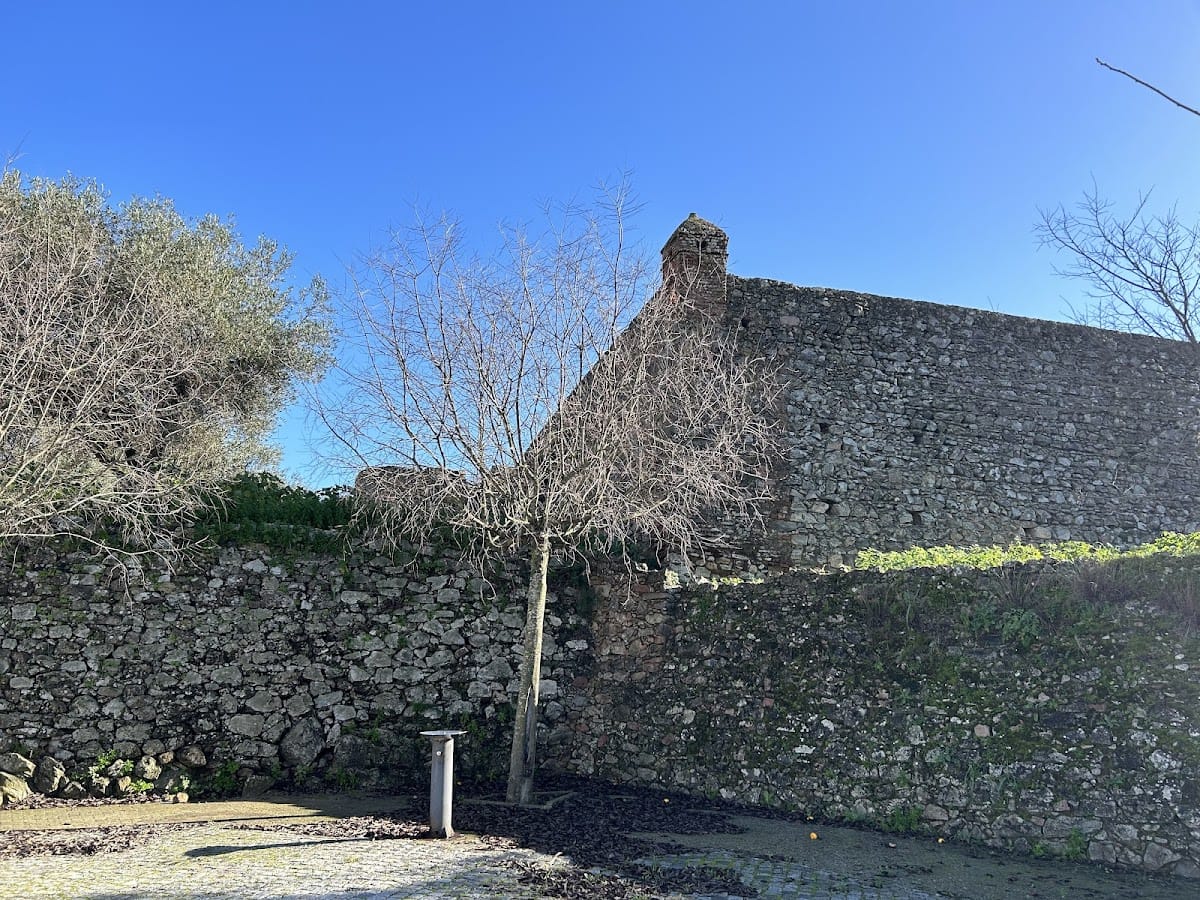
The eastern walls contain rectangular bastions. Opposite them stand large circular towers with vaulted lower and upper floors. Their window slits include horizontal openings, features associated with the defensive use of the towers. Several walls and barbicans, external defensive works protecting an entrance or wall, survive from the seventeenth-century fortress.
Medieval castle and interior
Rectangular castle
The original castle retains sections of its rectangular walls and its principal entrance. Vestiges of an older arched gate remain beneath a later covering. Former battlements once encircled the rooftops and were later transformed into simple parapets. The keep tower was destroyed at the beginning of the seventeenth century.
Courtyard and surviving equipment
The courtyard contains a central cistern, two abandoned cannons, and annex buildings. These features occupy the interior of the rectangular castle and preserve elements connected with its water supply, military function, and later use.
Governor’s residence and chapel
House of the Governor
East of the castle stands the House of the Governor, a two-storey noble residence. A central staircase connects its ground floor with a circular tower incorporated into the outer wall, linking the residential building to the defensive perimeter.
Chapel traces
Traces of a chapel survive in the northern part of the upper floor. The chapel was integrated into the battlement and the wall of the governor’s house, placing the religious space within the residential and defensive structure.
Principal entrances
Seventeenth-century gate
The principal gate has a rectangular masonry moulding, framing pilasters, and a pediment decorated with bas-relief elements. It belongs to the period when the fortress was modernized and its main entrance was constructed.
Older arched doorway
The older doorway has moulded bases and a semicircular stone arch set within a rectangular frame. Above it, an architrave supports two pinnacles that flank a rectangular niche, preserving a distinct entrance treatment from the earlier castle.