Castle Tioram: A Medieval Clanranald Stronghold in Scotland
Site at a Glance
- Rating
- 4.7
- Popularity
- Low
- Country
- United Kingdom
- Primary era
- Medieval
- Eras represented
- Medieval, Early Modern
- Civilizations
- Kingdom of Scotland
- Site type
- Military
- Remains
- Castle
On this page9 sections
History
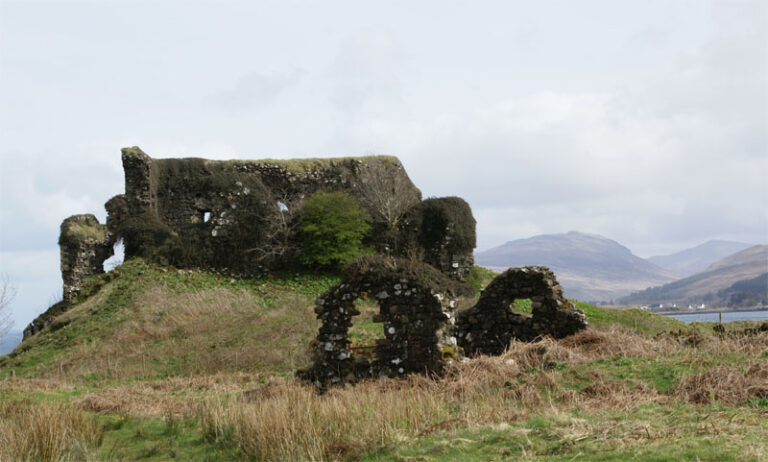
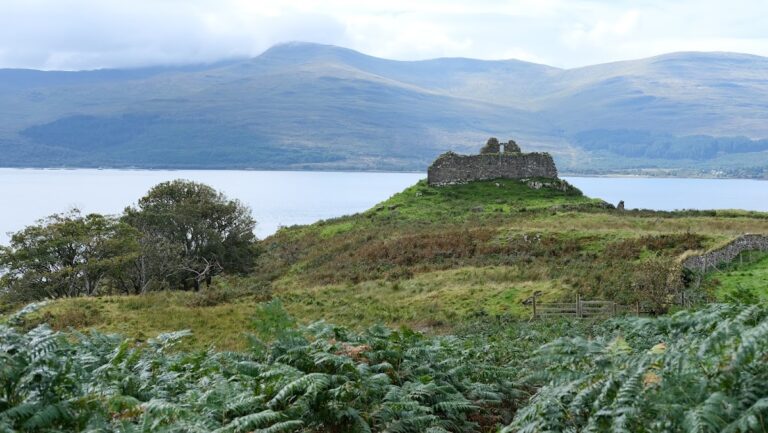
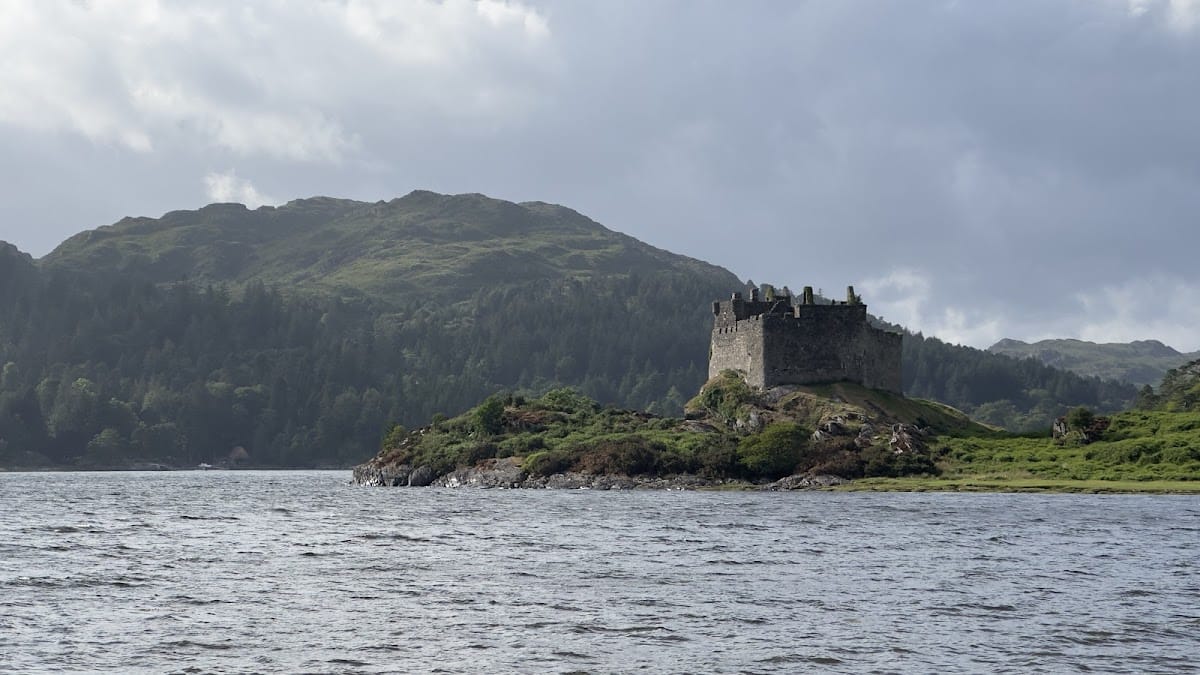
Castle Tioram is a ruined medieval stronghold on Eilean Tioram in Loch Moidart, Scotland, United Kingdom. It was traditionally the seat of the Clanranald branch of Clan Donald, a major Highland and Hebridean kin group, and appears to have originated as a principal stronghold of Clann Ruaidhrí. The castle may have formed part of the 12th-century network associated with Somerled, a ruler who united territories across the western Scottish mainland and the Hebrides, although other dating places its origins in the 13th or 14th century.
Early lordship and medieval development
Archaeological finds from Eilean Tioram indicate occupation during the Iron Age and a later Viking presence. The island is first recorded in a charter of Cairistíona Nic Ruaidhrí, daughter of Ailéan mac Ruaidhrí. A tradition preserved in the 17th-century Sleat History attributes the castle’s construction to Ailéan’s granddaughter, Áine Nic Ruaidhrí. The stronghold later served as the seat of her Clann Raghnaill descendants for centuries.
After Somerled’s death, the lands of Moidart became part of Garmoran. In the 14th century they were inherited by Christina of Mar, a medieval Scottish noblewoman. Castle Tioram is also linked with a grant of land to Arthur Campbell in return for service involving twenty longships, providing evidence for a fortified presence at the site. Amy Macruarie expanded the castle during the 14th century, after which successive Clanranald chiefs occupied it as part of their lordship.
Government occupation and Jacobite conflict
Government forces seized the castle around 1692 after Allan Macdonald of Clanranald joined the exiled court of James VII and II in France. He had previously sworn allegiance to William III and II and Mary II. A small government garrison remained at Castle Tioram until the Jacobite rising of 1715, one of the rebellions fought by supporters of the exiled Stuart dynasty against the Hanoverian monarchy.
Allan recaptured and burned the castle in 1715, reportedly to prevent its occupation by Hanoverian or other government forces. He later died fighting for the Jacobite cause at the Battle of Sheriffmuir. Castle Tioram has generally been regarded as unoccupied since the burning and was described as deserted by 1748, although it may have seen occasional later use, including firearms storage during the 1745 Jacobite rising and an association with the kidnapping of Lady Grange.
Abandonment, ownership, and conservation
The ruined castle remained connected with the Clanranald lords after its abandonment and changed ownership several times during the 20th century. Anta Estates, associated with the new owner Lex Brown, acquired it in 1997 and proposed restoring it as a clan centre and museum, with domestic apartments and public access. Highland Council granted planning consent, but Historic Scotland refused Scheduled Monument Consent, the approval required for works affecting a protected historic site. That refusal was upheld after a local public inquiry.
In 1998 Highland Council issued a Dangerous Buildings Order, and the castle was closed to the public because of its poor condition. Several square metres of the outer northwestern curtain wall collapsed in 2000 and were repaired by the owners. A condition report in September 2014 found no significant subsequent change in the stonework. The Royal Commission on the Ancient and Historical Monuments of Scotland, now part of Historic Environment Scotland, holds a substantial archive of research records, drawings, and photographs deposited by the current owners. Castle Tioram is a scheduled monument, a site protected under Scottish heritage law because of its national importance.
Remains
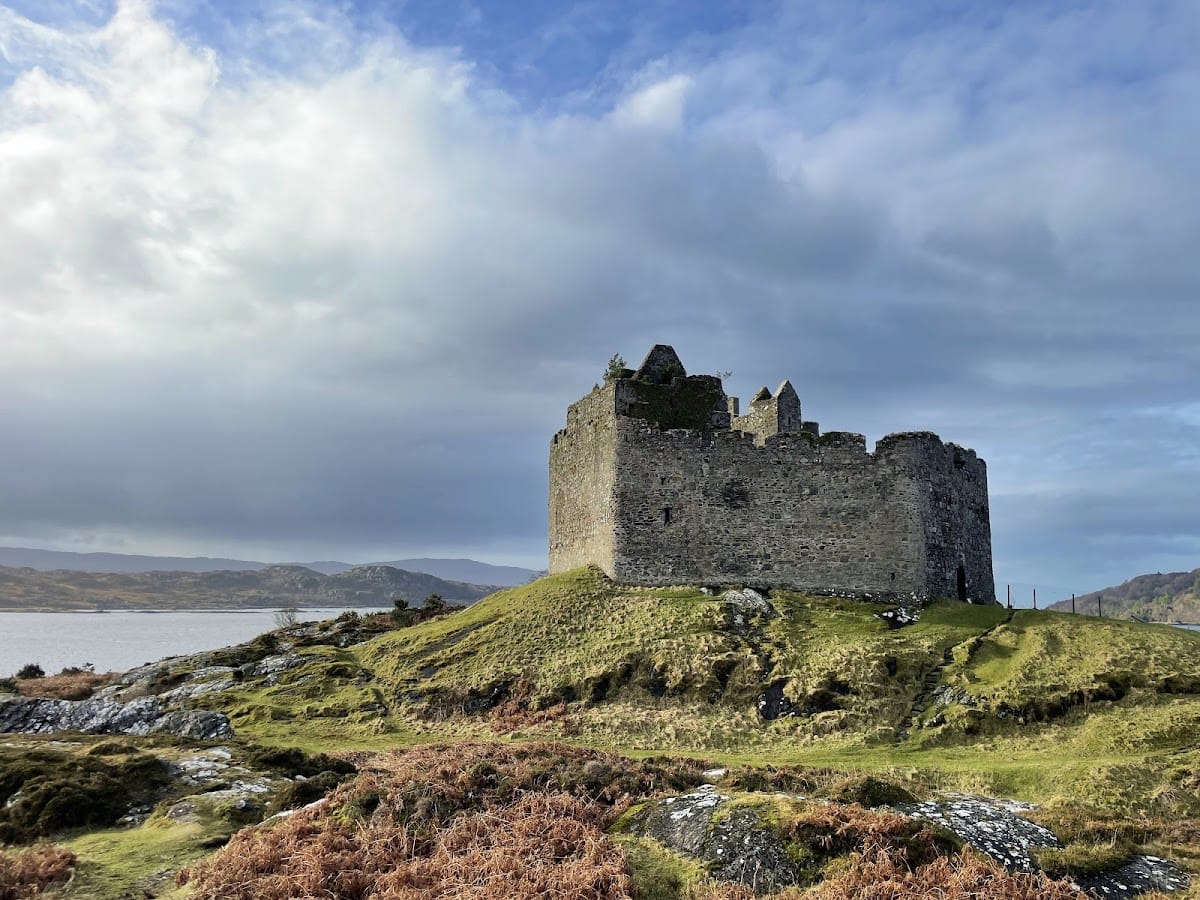
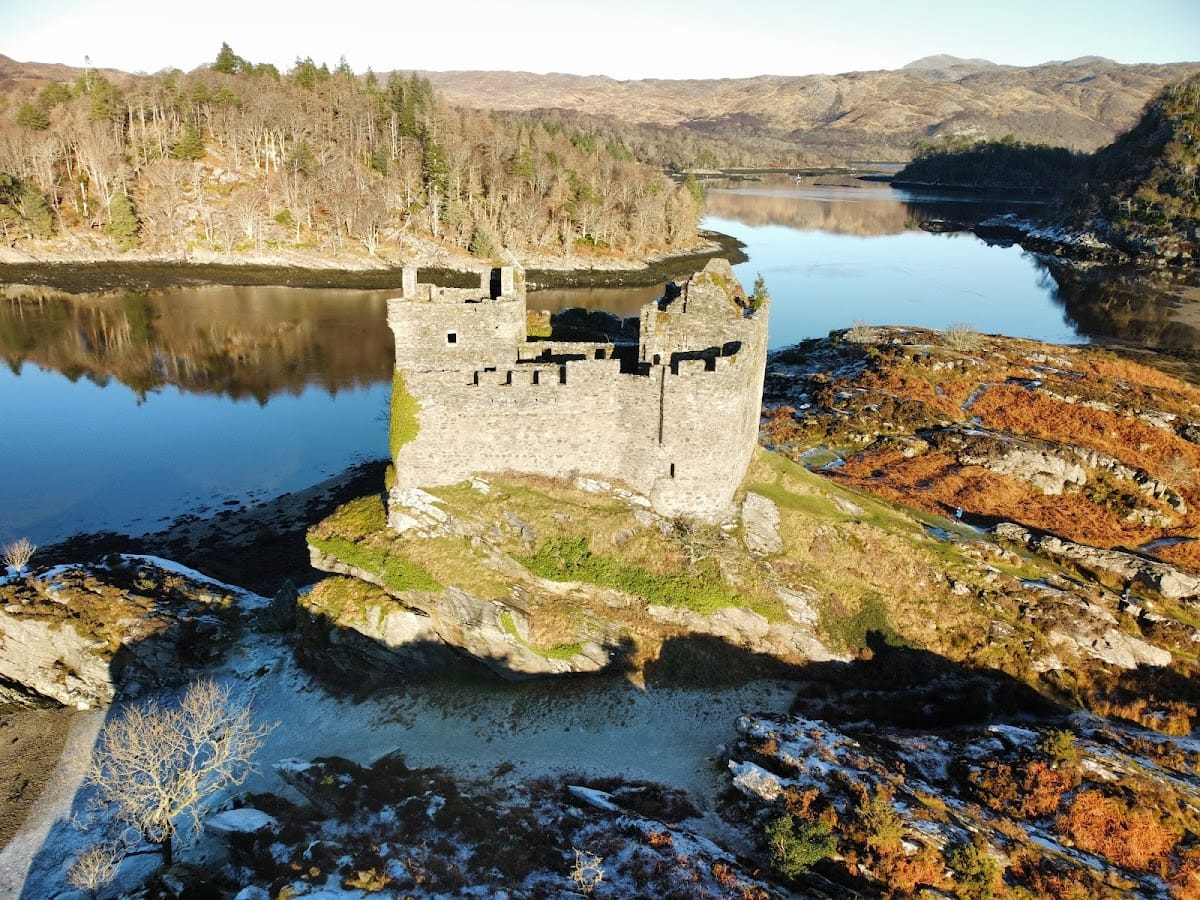
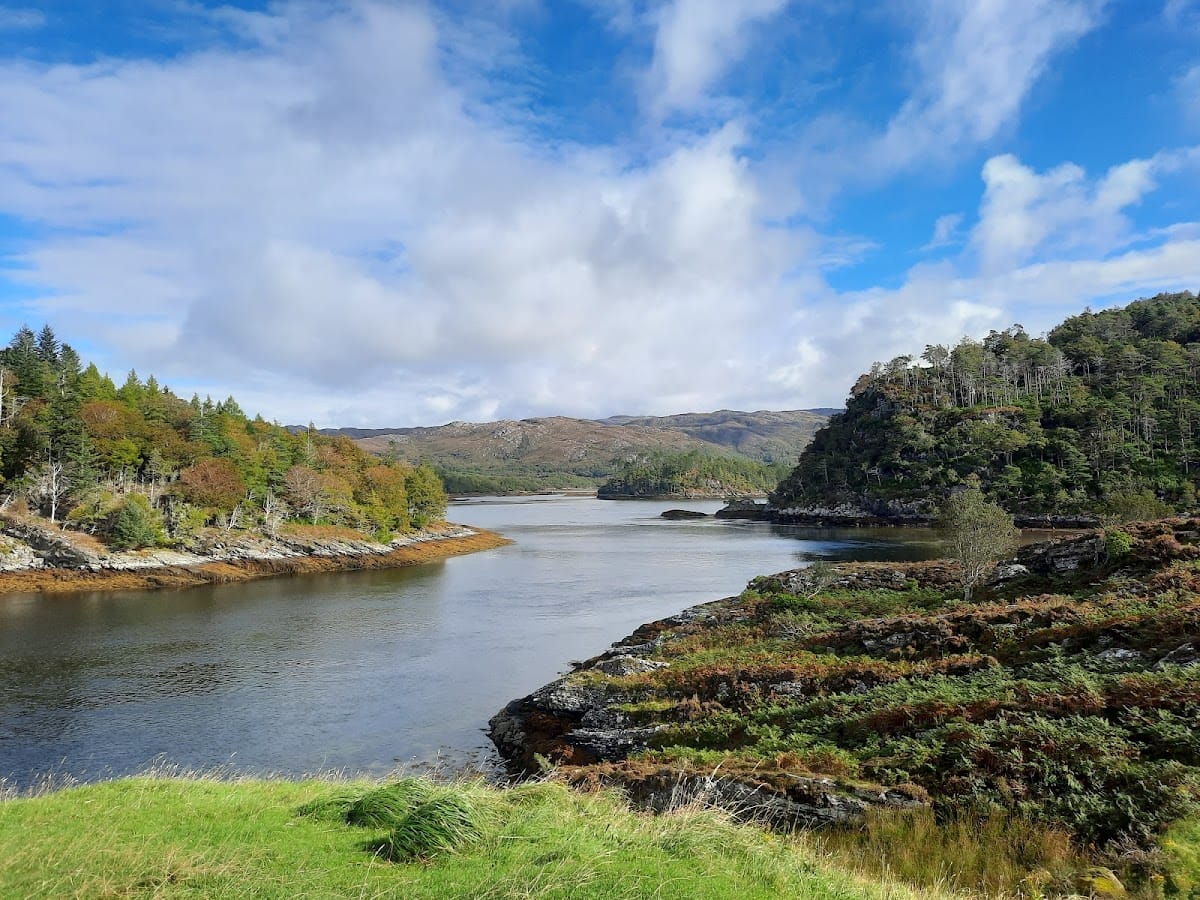
Castle Tioram occupies Eilean Tioram, a tidal island in Loch Moidart. The fortress stands away from the open sea and overlooks an approach near the mouth of the River Shiel, with access toward Loch Shiel and the inner part of Loch Moidart. The island is connected to the mainland by a tidal causeway. The surviving castle is organized around a roughly pentagonal enclosure, whose defensive walls were built directly on the natural rock.
Enclosing walls and entrances
Thirteenth-century curtain wall
The earliest surviving defensive core is a roughly pentagonal curtain-wall enclosure, a surrounding defensive wall linking entrances and towers, probably dating from the 13th century. Timber buildings once stood inside it. The outer wall is built mainly from locally available Moine schist in varied sizes and shapes, with smaller stones bonded by lime mortar. Stone from beyond the immediate region was also used in sections of the walls and in drainage passages. Rounded corners and the absence of foundations reflect construction directly on the underlying rock.
Voids occur in several places along the eastern side between the lower wall courses and the ground. Horizontal breaks in the masonry, particularly on the northeastern side, indicate interruptions during construction. Part of the southwestern wall follows an unusually angled alignment, possibly because it was repaired after a collapse. This may mean that the original facade differed from the one surviving today.
Blocked eastern entrance
A rectangular opening in the eastern wall was later blocked and marks a former side entrance. Two holes beneath it held the timbers of a platform and steps leading to the doorway. The entrance may belong to the original arrangement or may have been added later. By the late 17th century it had certainly been blocked, and a baking oven had been built against the inner side of this section of wall.
Later structures and present condition
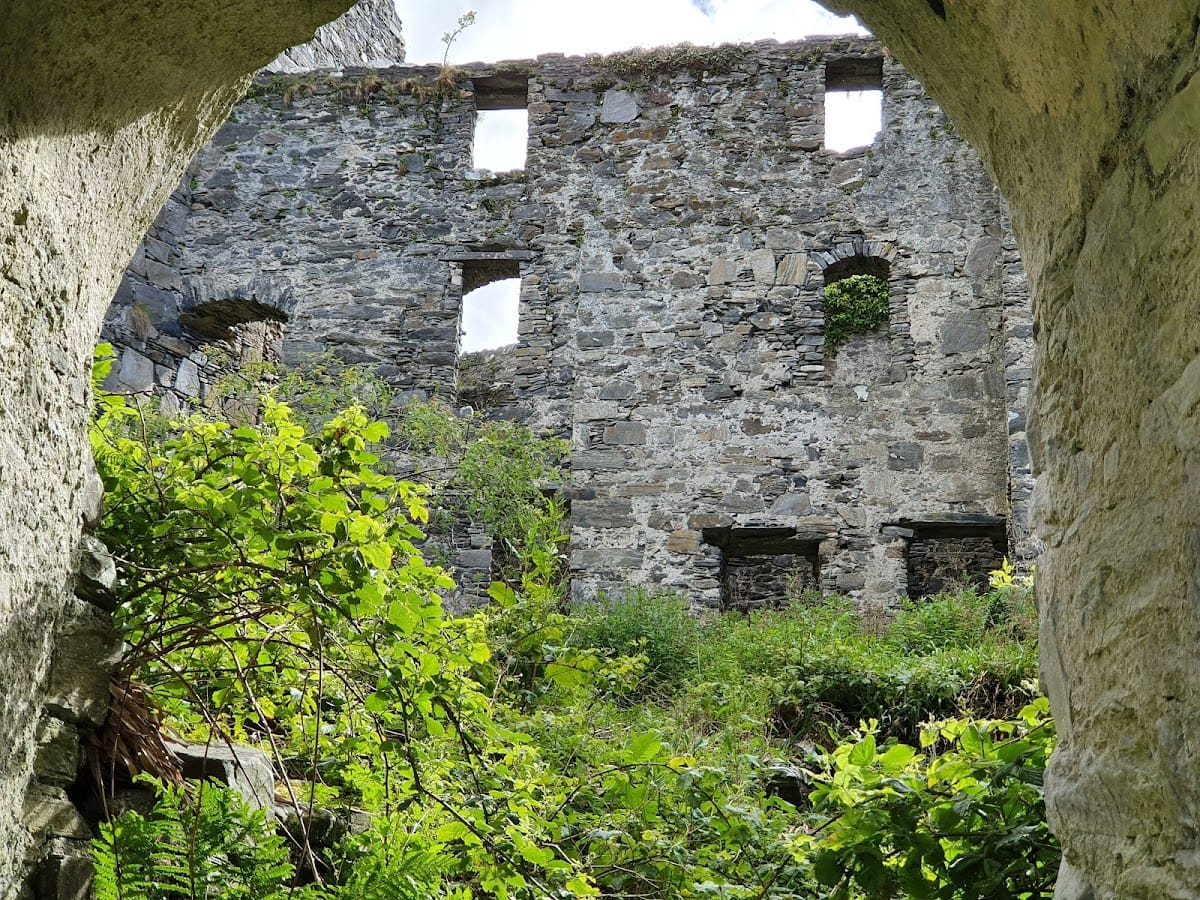
The castle’s tower and inner buildings represent later construction or alteration dating from the 15th to the 17th centuries. The entrance arrangement includes a barrel vault, a continuous tunnel-like vault formed from curved masonry, and resembles comparable 13th-century castles on Scotland’s west coast. The surviving masonry is fragmentary, while the main structure has been described as inherently strong. Falling stone nevertheless prevents entry into the interior, and without major consolidation the risk of further collapse was considered substantial. The collapse of the northwestern curtain wall in 2000 was subsequently repaired.