Castelo da Sertã: A Medieval Fortress in Portugal


Site at a Glance
- Rating
- 4.2
- Popularity
- Low
- Country
- Portugal
- Primary era
- Medieval
- External website
- Open
- Eras represented
- Medieval
- Civilizations
- Portuguese
- Site type
- Military
- Remains
- Castle
On this page7 sections
History
Castelo da Sertã is a medieval castle in Sertã, Portugal, built in the predominantly Romanesque tradition during the eleventh or twelfth century. Its earlier fortification is believed to have originated in the tenth century, although late twentieth-century excavations found no Roman or Lusitanian remains.
Legendary origins and medieval development
A local tradition links the castle’s beginnings to Sertorius, a Roman commander who led a major revolt in Hispania with Lusitanian support during the first century BC. The story, however, is a foundation legend rather than an archaeologically confirmed event. Father Lourenço Farinha recorded and published it in 1930.
According to the legend, Roman troops approached the fortification while its local commander was killed in battle. His wife, Celinda, then directed the defense from the settlement walls and attacked the besiegers with boiling oil from the large frying pan she used to prepare eggs. The delay allowed reinforcements from neighboring places to arrive, compelling the Romans to withdraw. The tradition associates this episode with the name Certã, later Sertã, and it is represented on the town coat of arms by the motto Sartago Sternit Sartagine Hostes.
During the Christian Reconquista, the centuries-long expansion of Christian-ruled territories in the Iberian Peninsula at the expense of Muslim-ruled polities, Henry of Burgundy was traditionally credited with ordering the settlement’s repopulation and the rebuilding of its castle. The surrounding domains belonged to the Order of the Temple, a medieval Christian military-religious order, before passing to the Order of the Hospital after the Templars were dissolved in Portugal.
Charters and later records
Under Afonso V, the settlement received a foral charter in 1455. This type of royal document established a community’s legal rights, administrative arrangements, obligations, and privileges. Manuel I confirmed the charter in 1513.
The earliest known bibliographic reference to the castle dates from 1629. In 1850, the English Handbook for Travellers in Portugal described the castle as “extremely picturesque.” The remains are currently undergoing public heritage-classification proceedings and are also described as heritage without legal protection.
Remains
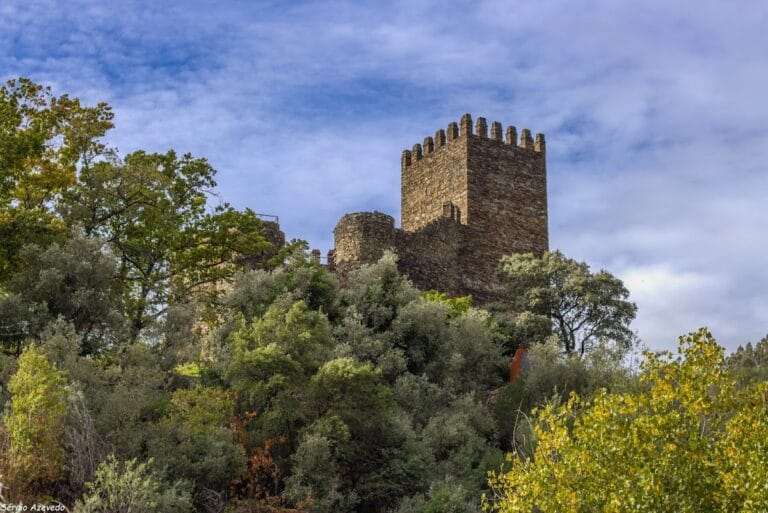
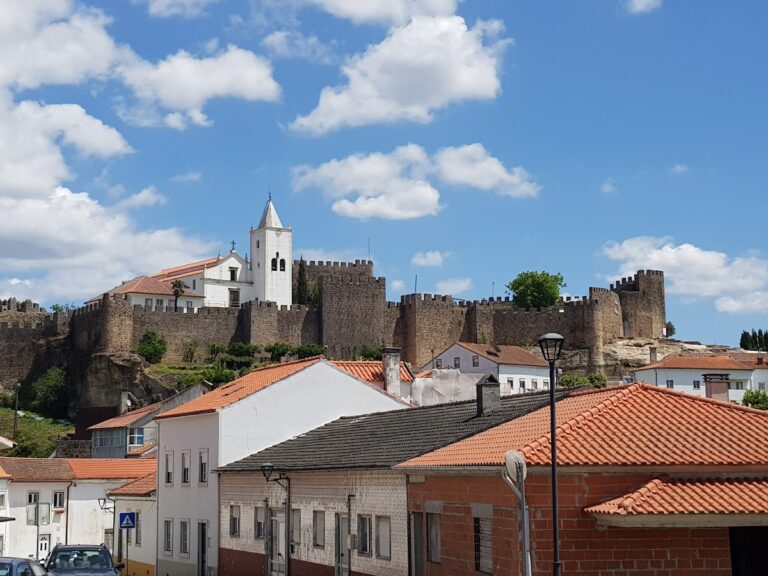
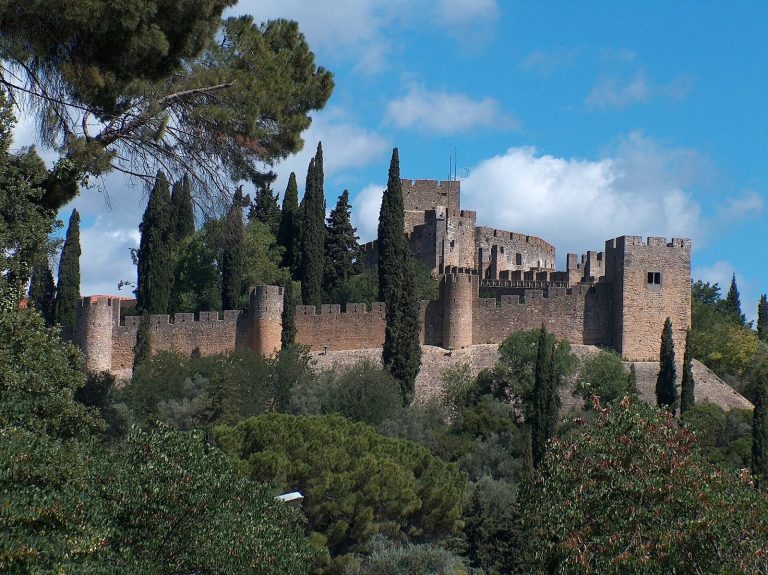
The surviving monument is a fragmentary castle complex in the town, built in a predominantly Romanesque architectural tradition characterized by heavy masonry, rounded arches, and robust forms. Its remains include a church, sections of defensive wall, and a tower, which together preserve parts of the site’s religious and defensive fabric.
Castle structures
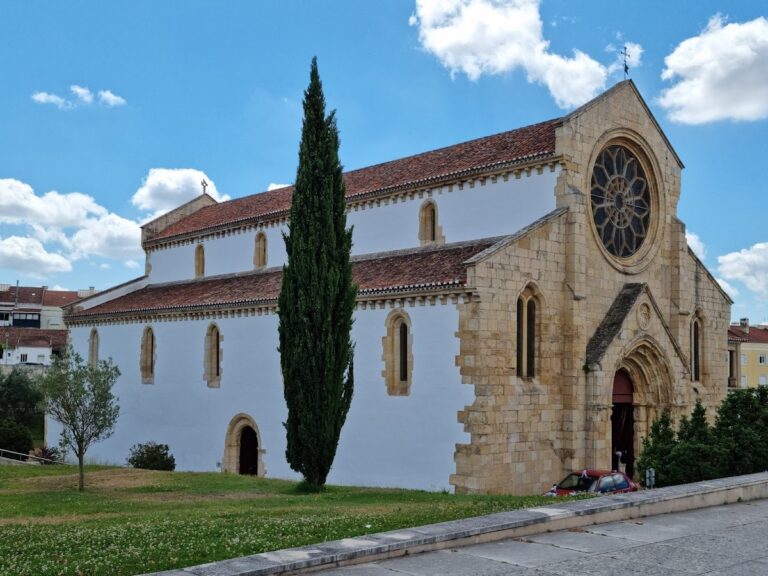
Castle church
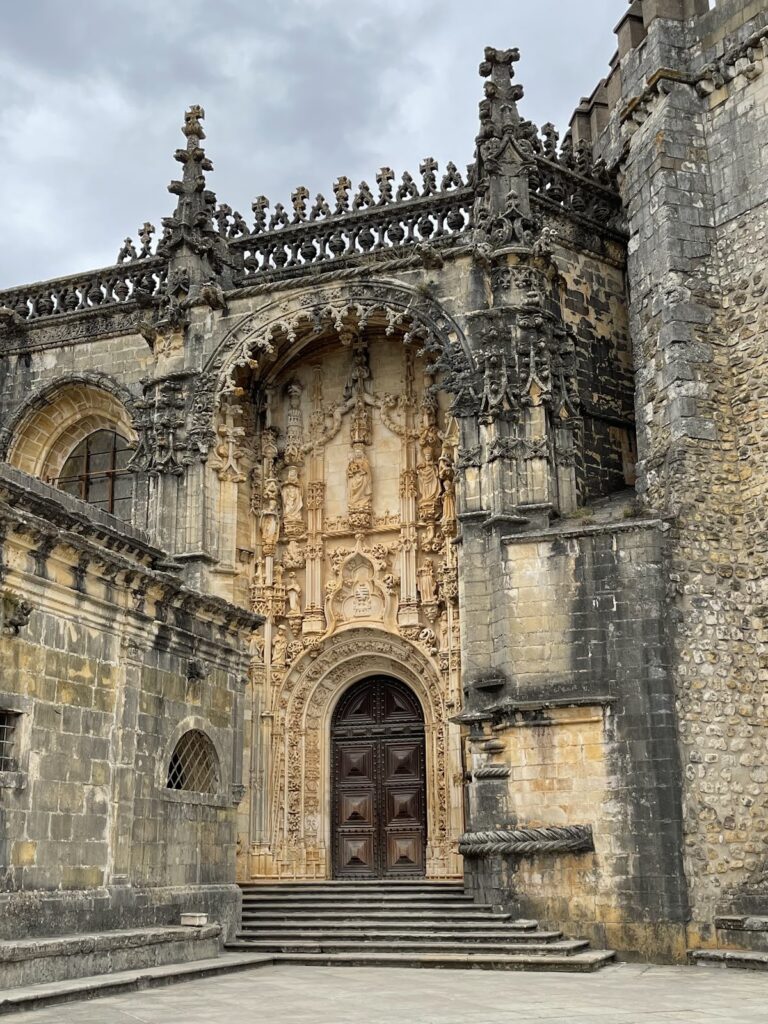
A church survives as an associated structure within the castle site. Its presence forms part of the monument’s surviving architectural group, alongside the defensive walls and tower.
Defensive walls and tower
Sections of wall remain as portions of the castle’s defensive fabric, with a tower associated with both the walls and the church. The monument is currently in poor condition and has recently been renovated with what has been described as an excessive amount of concrete.