Castle of Kythira: A Venetian Fortress in Greece
Site at a Glance
- Rating
- 4.7
- Popularity
- Medium
- Country
- Greece
- Primary era
- Early Modern
- External website
- Open
- Eras represented
- Medieval, Early Modern
- Civilizations
- Venetian
- Site type
- Military
- Remains
- Castle
On this page10 sections
History
The Castle of Kythira is a Venetian fortress in Greece, reconstructed and expanded by the Venetians in 1503. Its origins are traditionally attributed to the Venetian Venier family, although the site may also have held a Byzantine fortress, a predecessor defensive structure associated with the medieval Roman Empire, during the thirteenth century.
Venetian Rule
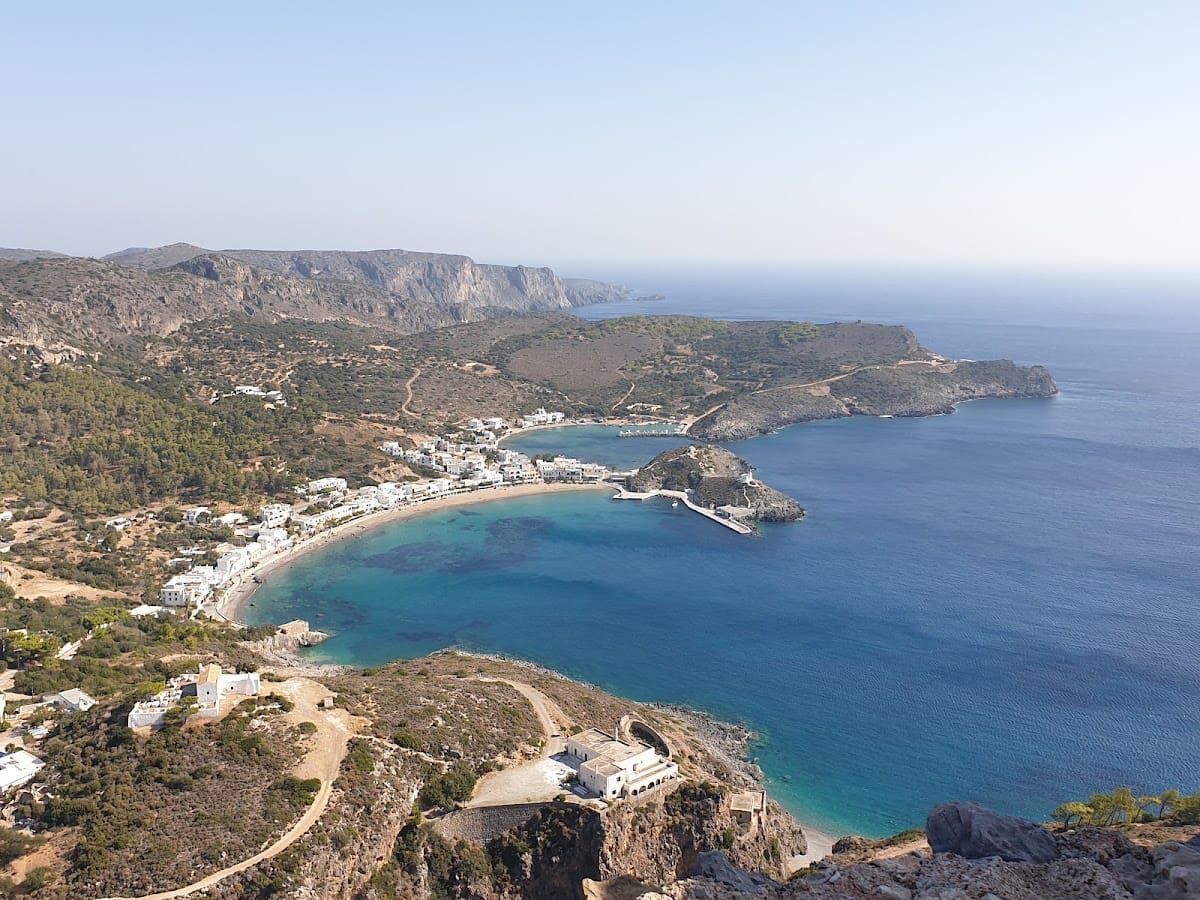
Venice, a maritime republic whose eastern Mediterranean territories included strategically placed islands and fortresses, controlled Kythira until 1797. During this period, Chora developed around the stronghold, and settlement spread into the areas surrounding the fortress.
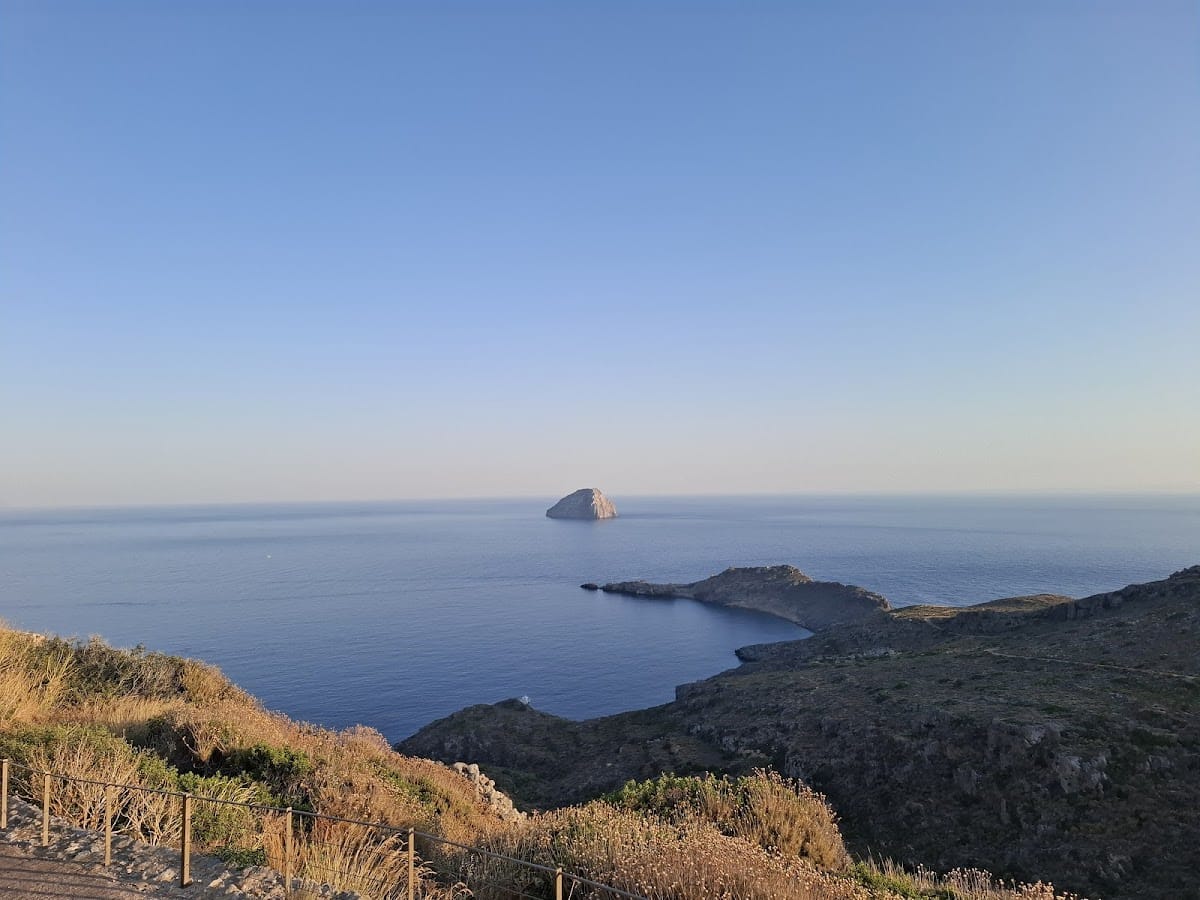
The castle was known as the “Eye of Crete” and the “Eye of the Greek Seas.” Its position allowed surveillance of shipping in the Ionian, Aegean, and Cretan seas, together with the maritime route between Kythira and Antikythera. Its architecture and location were considered to make it virtually impregnable. A long-standing tradition therefore holds that Hayreddin Barbarossa did not attack the castle in 1537, although he plundered the island.
Changing Political Control
After Venetian rule, the fortress passed through several administrations. The Ottomans controlled it from 1715 to 1718. French control followed in 1797–1798 and again in 1808–1809, while Russo-Turkish forces held it from 1798 to 21 March 1800. The Republic of the Seven Islands, a short-lived Ionian state established under Russo-Ottoman protection, governed Kythira from 1800 to 1808. British control lasted from 1809 until 21 May 1864.
During the French administration, the Venetian Lion of Saint Mark, the republic’s principal emblem, was removed from the castle. In the mid-nineteenth century, approximately 200 permanent residents lived within the fortress. Civilian occupation continued until the beginning of the Second World War, when German and Italian forces used the castle for military purposes from 1941 to 1944.
Religious and Civic Continuity
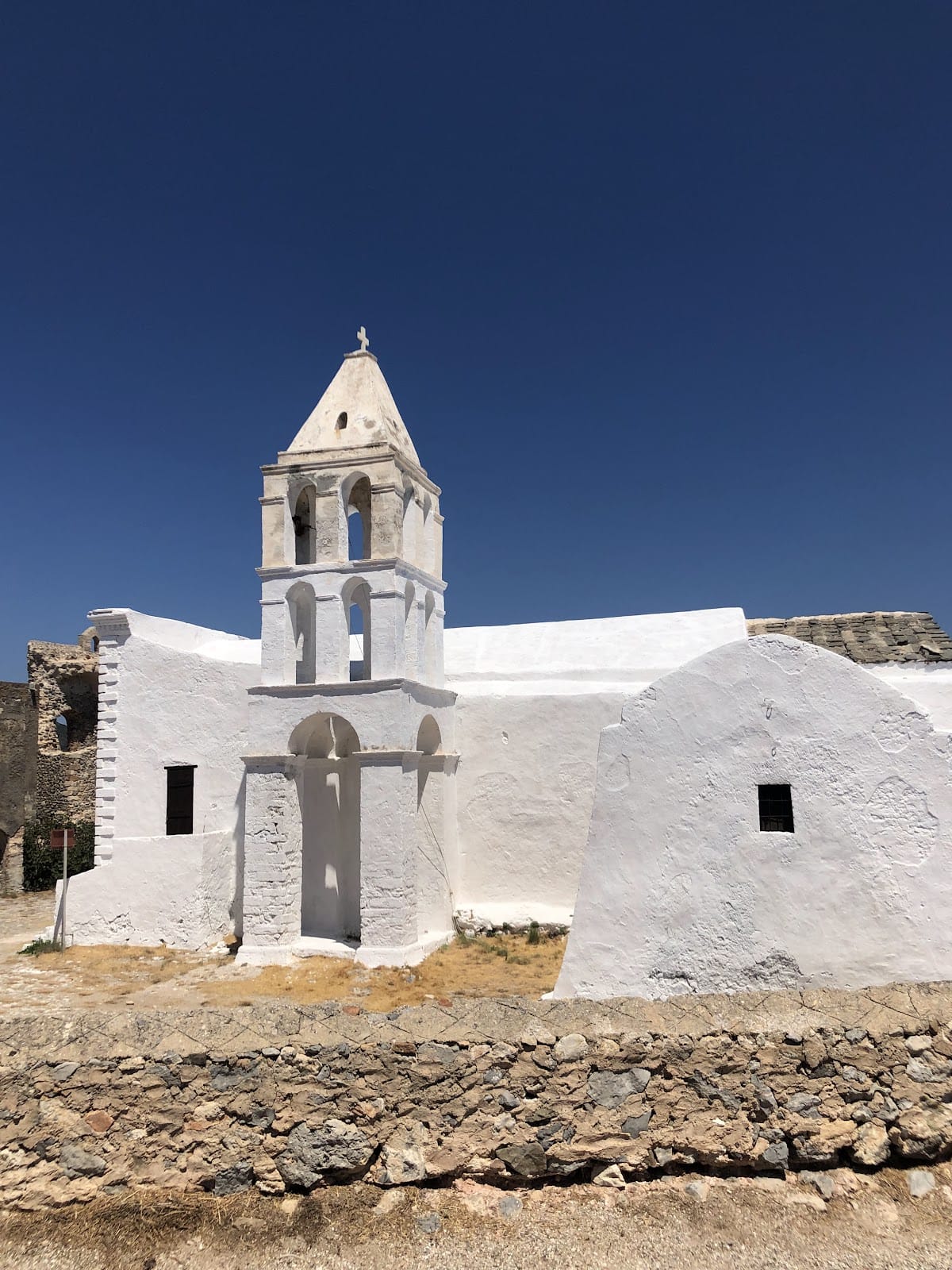
Churches inside and around the castle include buildings dating from as early as the fifteenth century. Panagia Myrtidiotissa, a title of the Virgin Mary in Eastern Orthodox Christianity, dates to 1580. It remained Catholic until 1806 and is regarded as the protectress, or spiritual guardian, of the island.
The Venetian governor’s palace later became the residence of the British High Commissioner. It now houses the Historical Archive of Kythira, whose documents date from 1560. The castle is protected as an archaeological site in Greece.
Remains
Fortress Layout and Defences
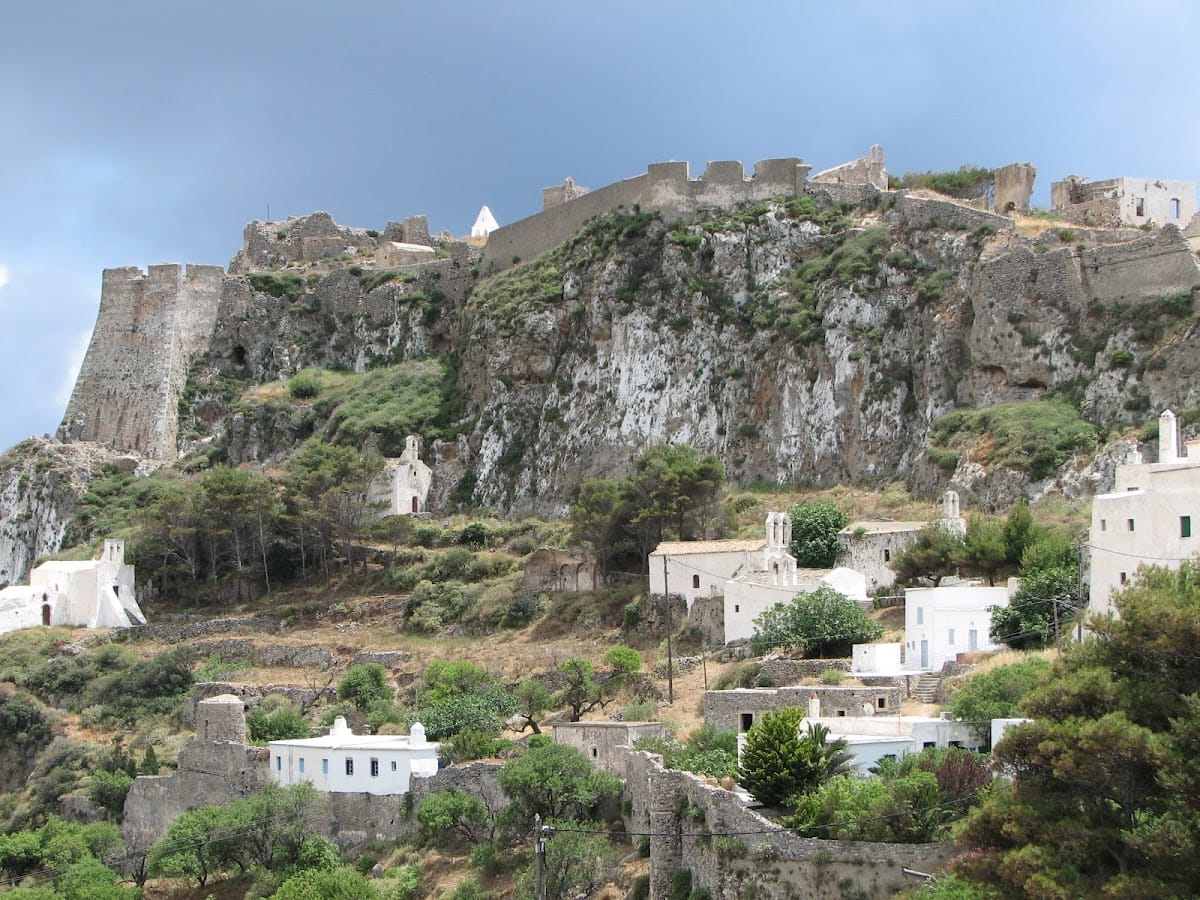
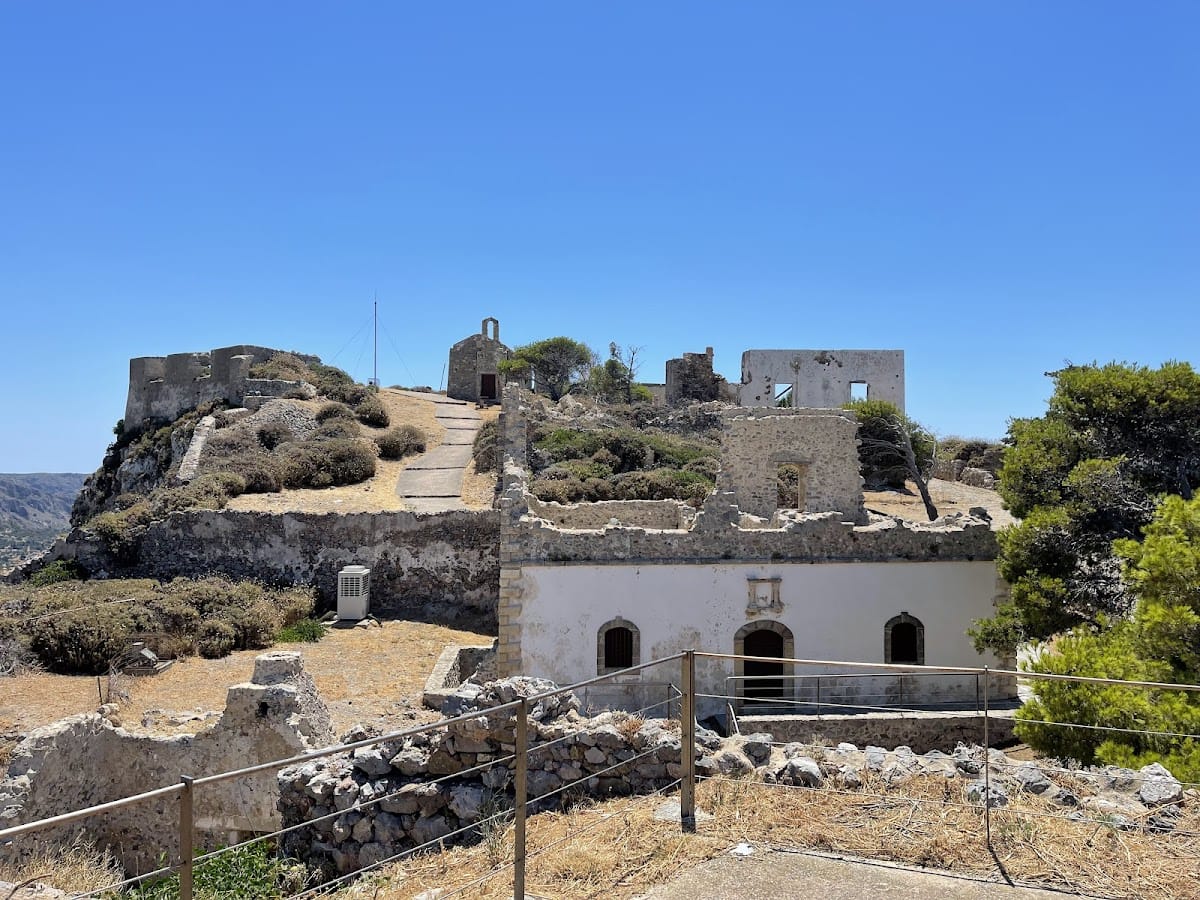
The castle occupies a large elevated area in Chora, more than 200 metres above sea level, with views towards the south. The fortified area measures approximately 200 metres from east to west and 80 metres across. Its entrance is on the western side, while the defensive walls are approximately one metre thick.
Construction in the eastern part was dense. Two-storey houses stood alongside churches, a prison, a gunpowder store, and a vaulted cistern, a water-storage chamber covered by a curved load-bearing roof. Several cannons from the Venetian, Russo-Turkish, and British periods remain within the castle. The fortress is in fairly good condition, with numerous churches surviving inside and around the fortified area.
Governor’s Palace and Archive
Venetian Governor’s Palace
At the eastern edge of the castle stands the Venetian governor’s palace. The building later served as the residence of the British High Commissioner and now accommodates the Historical Archive of Kythira. Its collections include documents dating from 1560.
Churches and Interior Decoration
Panagia Myrtidiotissa
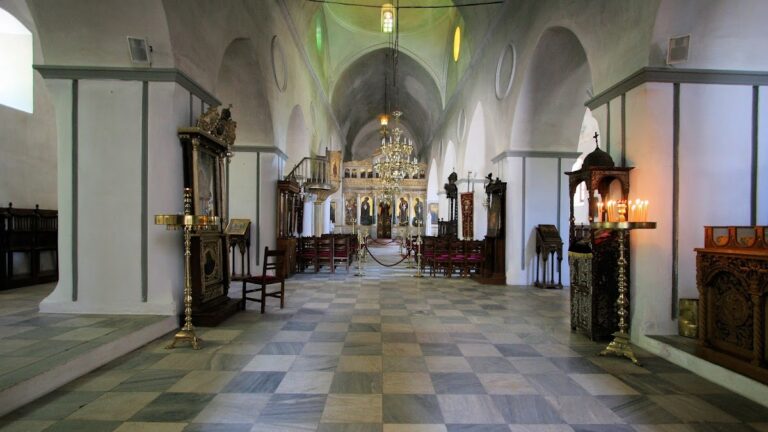
Panagia Myrtidiotissa survives within the fortress and dates from 1580. Its interior contains frescoes from the sixteenth and eighteenth centuries. The church was Catholic until 1806 and is associated with the Virgin Mary as the protectress of Kythira.